You’ve reached a stage in life where the landscape of your body is subtly, yet continuously, shifting. Just as a well-maintained garden requires specific nutrients to thrive, your aging body has evolving dietary needs, particularly concerning protein. This article will guide you through the intricacies of protein requirements for older adults, providing you with the knowledge to make informed decisions about your nutritional intake.
As you age, several physiological changes occur that directly impact your protein needs. Understanding these shifts is the first step in fortifying your nutritional foundation. To learn effective strategies for fall prevention, watch this informative video.
Understanding Sarcopenia: The Silent Erosion of Muscle Mass
One of the most significant changes is sarcopenia, the progressive and involuntary loss of skeletal muscle mass, strength, and function. Imagine your muscles as the sturdy beams of a house; with age, these beams can gradually weaken and thin if not adequately maintained. Sarcopenia is not merely an aesthetic concern; it contributes to frailty, increased risk of falls, impaired mobility, and reduced quality of life. Protein plays a crucial role in mitigating this decline.
Anabolic Resistance: Your Body’s Changing Response to Protein
Another key concept is anabolic resistance. This phenomenon describes your body’s diminished capacity to synthesize new muscle proteins in response to protein intake and exercise. Think of it like a dimmer switch that’s been turned down slightly; even with the same input, the output (muscle synthesis) is reduced. This means that older adults often require a higher absolute amount of protein per meal to stimulate muscle protein synthesis (MPS) effectively compared to younger individuals.
The Role of Protein in Bone Health: More Than Just Muscle
While often associated with muscles, protein is also a vital component of bone matrix. Collagen, a protein, forms the structural framework of your bones, providing flexibility and tensile strength. Adequate protein intake, alongside calcium and vitamin D, can contribute to maintaining bone density and reducing the risk of osteoporosis, a condition where bones become brittle and prone to fractures. Consider protein as a reinforcing mesh within the concrete of your bones.
Protein and Immunity: Your Body’s Defensive Shield
Your immune system, your body’s personal defense force, relies heavily on protein to function optimally. Antibodies, enzymes, and immune cells are all constructed from proteins. As you age, your immune system can become less robust (immunosenescence), making you more susceptible to infections. Sufficient protein intake helps support the production and function of these crucial immune components, bolstering your defenses.
As we age, our protein requirements change, making it essential for older adults to understand how much protein they need to maintain muscle mass and overall health. For a comprehensive overview of protein needs and dietary recommendations for seniors, you can refer to this informative article: Protein Requirements for Older Adults. This resource provides valuable insights into the importance of protein in the diet of older individuals and offers practical tips for incorporating adequate protein sources into daily meals.
How Much Protein Do You Truly Need? Unpacking the Recommendations
The conventional wisdom regarding protein intake often falls short for older adults. You’ll find that current recommendations are leaning towards higher amounts to counteract the physiological changes discussed above.
The Standard RDA vs. Geriatric Recommendations
The Recommended Dietary Allowance (RDA) for protein for healthy adults is 0.8 grams per kilogram of body weight per day (g/kg/day). However, a growing body of research suggests that this amount is insufficient to prevent sarcopenia and maintain optimal health in older adults. Many experts now recommend a protein intake ranging from 1.0 to 1.2 g/kg/day for healthy older adults, and even higher (1.2 to 1.5 g/kg/day) for those with acute or chronic diseases, or those recovering from illness or injury. For an individual weighing 70 kg (approximately 154 lbs), this translates to 70-84 grams of protein per day, a significant increase from the standard RDA.
Calculating Your Individual Needs: A Practical Approach
To calculate your personal target, you’ll need your current weight in kilograms. If you only know your weight in pounds, divide it by 2.2 to convert it to kilograms. For instance, if you weigh 160 lbs, that’s approximately 72.7 kg. Aiming for 1.0 to 1.2 g/kg/day would mean you’re looking to consume between 73 and 87 grams of protein daily. This isn’t a rigid target but a guideline to help you structure your meals.
The Importance of Distribution: Spreading Your Protein Throughout the Day
It’s not just about the total amount of protein you consume, but also when you consume it. Your body is more efficient at using protein for muscle synthesis when it’s distributed relatively evenly across your meals. Aim for 25-35 grams of high-quality protein at each main meal (breakfast, lunch, and dinner). This strategy helps to maximize the anabolic response, consistently stimulating muscle protein synthesis throughout the day, rather than overwhelming your body with a large amount at one go. Think of it like adding fuel to a fire; continuous, smaller amounts keep it burning efficiently, rather than one large dump that might not all combust.
The Best Protein Sources for Your Health: Quality Over Quantity
Not all protein is created equal. The quality of your protein sources significantly impacts your body’s ability to utilize them for muscle and tissue repair.
Animal-Based Proteins: The Complete Package
Animal-based proteins are considered “complete proteins” because they contain all nine essential amino acids that your body cannot produce on its own. These essential amino acids are the building blocks your body needs for various physiological processes.
Lean Meats and Poultry: Staple Sources
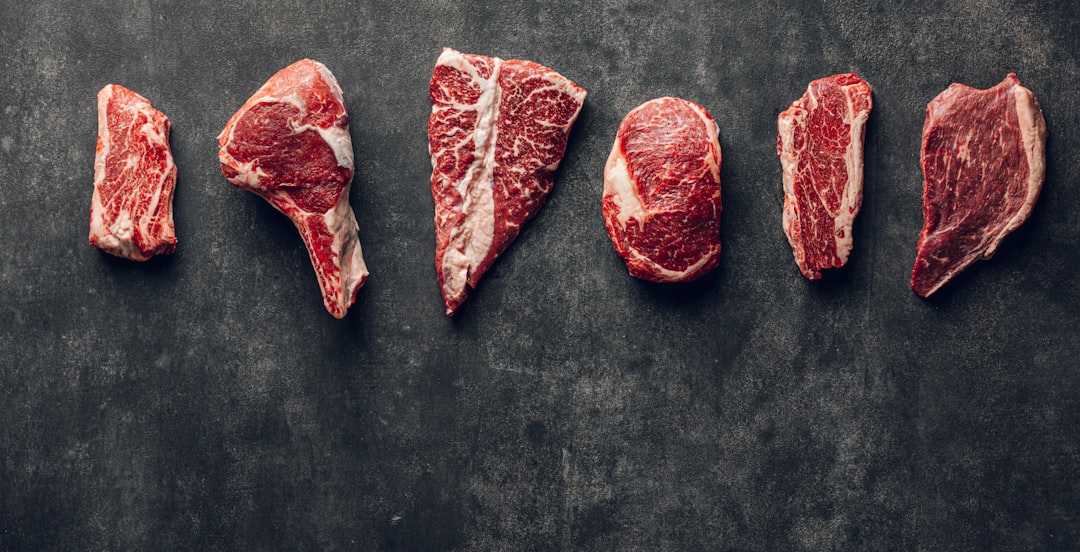
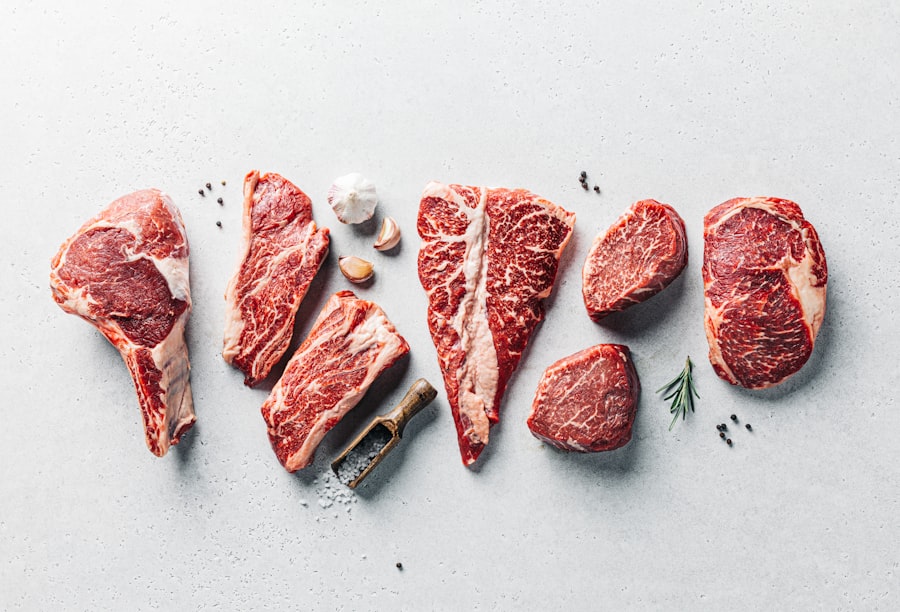
Good sources include lean cuts of beef, pork, lamb, and poultry (chicken, turkey). These offer a substantial amount of protein per serving with relatively lower fat content. A 3-ounce serving of chicken breast, for example, can provide around 25-30 grams of protein.
Fish and Seafood: Omega-3 Rich Options
Fish, particularly fatty fish like salmon, mackerel, and sardines, are not only excellent protein sources but also provide beneficial omega-3 fatty acids, which have anti-inflammatory properties and support heart health. Aim for at least two servings of fish per week.
Eggs and Dairy Products: Versatile and Bioavailable
Eggs are a powerhouse of nutrition, offering high-quality protein, vitamins, and minerals. One large egg provides about 6 grams of protein. Dairy products like milk, yogurt, and cheese are also excellent sources. Greek yogurt, in particular, is highly concentrated in protein, with a single serving often containing 15-20 grams. The protein in dairy, especially whey and casein, is highly bioavailable, meaning your body can readily absorb and utilize it.
Plant-Based Proteins: Diverse and Nutrient-Dense Alternatives
For those who follow a vegetarian or vegan diet, or simply wish to diversify their protein intake, plant-based proteins offer a wealth of options. While many plant proteins are considered “incomplete” (lacking one or more essential amino acids), combining various plant-based sources throughout the day can ensure you get all necessary amino acids.
Legumes: Beans, Lentils, and Peas
These are incredibly versatile and nutrient-dense. Black beans, kidney beans, chickpeas, and lentils are excellent sources of protein, fiber, and various micronutrients. A half-cup serving of cooked lentils can provide around 9 grams of protein.
Tofu and Tempeh: Soy-Based Powerhouses
Derived from soybeans, tofu and tempeh are complete plant proteins. They are incredibly versatile and can be incorporated into a wide range of dishes. A half-cup serving of firm tofu contains approximately 10 grams of protein. Tempeh, being fermented, offers the added benefit of probiotics.
Nuts and Seeds: Convenient Protein Boosters
Almonds, walnuts, chia seeds, flax seeds, and pumpkin seeds are not only good sources of protein but also healthy fats, fiber, and antioxidants. Incorporate them into snacks, salads, or cereals for an easy protein boost. However, be mindful of their calorie density.
Whole Grains: More Than Just Carbohydrates
While not renowned for their protein content, whole grains like quinoa, oats, and brown rice contribute meaningfully to your overall protein intake, especially when consumed regularly. Quinoa, in particular, is a complete protein source.
Strategies for Integrating More Protein into Your Daily Diet
Now that you understand the “why” and the “how much,” let’s explore practical strategies to seamlessly weave more protein into your daily routine.
Prioritizing Protein at Breakfast: Fueling Your Day
Many older adults consume insufficient protein at breakfast, often opting for carbohydrate-heavy meals. Starting your day with a protein-rich breakfast can help kickstart muscle protein synthesis and keep you feeling satiated.
Example Breakfasts:
- Greek Yogurt Parfait: Combine plain Greek yogurt with berries, nuts, and a sprinkle of chia seeds.
- Scrambled Eggs with Vegetables: Two or three eggs scrambled with spinach, mushrooms, and a slice of whole-wheat toast.
- Protein Smoothie: Blend milk (dairy or fortified plant-based), a scoop of protein powder, fruit, and a handful of spinach.
Smart Snacking: Bridging the Gaps Between Meals
Snacks are an excellent opportunity to add protein and ensure you’re meeting your daily targets. Choose protein-rich options that are convenient and satisfying.
Example Snacks:
- Handful of Almonds or Walnuts: A quick and easy protein and healthy fat boost.
- Hard-Boiled Egg: Portable and packed with nutrients.
- Cottage Cheese: A good source of casein protein, which is slowly digested.
- Cheese Sticks or Slices: Convenient and palatable.
- Edamame: A satisfying plant-based snack.
Enhancing Your Main Meals: Simple Swaps and Additions
Look for opportunities to increase protein in your lunch and dinner meals without drastically changing your eating habits.
Example Meal Enhancements:
- Add Cooked Chicken or Fish to Salads: Transform a simple salad into a complete meal.
- Incorporate Legumes into Soups and Stews: Beans and lentils can substantially boost the protein content.
- Choose Lean Protein Sources: Opt for lean cuts of meat and skinless poultry.
- Utilize Tofu or Tempeh in Stir-Fries: A delicious and healthy plant-based protein option.
As we age, understanding our nutritional needs becomes increasingly important, particularly when it comes to protein requirements for older adults. A recent article on senior health highlights the significance of adequate protein intake in maintaining muscle mass and overall health in this demographic. For more insights on this topic, you can read the full article on senior health. This resource provides valuable information on how to adjust dietary habits to meet the changing needs of our bodies as we grow older.
Addressing Potential Concerns and Common Misconceptions
| Age Group | Recommended Protein Intake (grams/day) | Protein Intake (grams/kg body weight/day) | Notes |
|---|---|---|---|
| Adults 19-50 years | 46-56 | 0.8 | General adult population |
| Older Adults 51-70 years | 56-70 | 1.0 – 1.2 | Increased needs to maintain muscle mass |
| Older Adults 70+ years | 70-90 | 1.2 – 1.5 | Higher intake recommended to prevent sarcopenia |
| Older Adults with Illness or Injury | Varies | 1.2 – 2.0 | Increased needs for recovery and healing |
It’s natural to have questions or concerns about increasing your protein intake. Let’s address some common points of contention.
Kidney Health and Protein: A Common Worry
One of the most frequent concerns regarding higher protein intake in older adults is its potential impact on kidney function. Historically, high protein diets have been cautioned against due to the perceived strain on kidneys. However, current evidence suggests that a higher protein intake (within recommended ranges of 1.0-1.5 g/kg/day) is generally safe and beneficial for healthy older adults. For individuals with existing chronic kidney disease (CKD), protein intake recommendations become more nuanced and restrictive, and you must consult your physician or a registered dietitian. For most healthy older adults, moderate increases in protein intake are unlikely to harm kidney function and may even be protective by supporting overall health.
Protein Supplements: Are They Necessary?
Protein supplements, such as whey protein, casein protein, or plant-based protein powders, can be a convenient and effective way to increase your protein intake, particularly if you struggle to meet your needs through whole foods alone due to poor appetite, dental issues, or difficulty chewing.
When to Consider Supplements:
- Difficulty Meeting Needs: If your dietary intake consistently falls short of the recommended protein targets.
- Recovery from Illness or Surgery: During periods of increased protein demand, supplements can aid recovery.
- Meal Replacement: As part of a balanced meal replacement shake if whole food intake is challenging.
- Convenience: For quick snacks or post-exercise recovery.
Important Considerations:
- Quality: Choose reputable brands and products with minimal added sugars or artificial ingredients. Look for products that have been third-party tested.
- Not a Replacement for Whole Foods: Supplements should supplement a balanced diet, not replace nutrient-dense whole foods. Whole foods provide a wider array of vitamins, minerals, fiber, and phytochemicals.
- Consult a Professional: Before starting any supplement regimen, especially if you have underlying health conditions, consult your doctor or a registered dietitian.
The Importance of Hydration: Working in Tandem with Protein
While not directly protein-related, adequate hydration is a critical partner in protein metabolism and overall health. Your body requires sufficient water to process nutrients, transport amino acids, and excrete waste products. Aim for at least 8 glasses (approximately 2 liters) of water daily, adjusting based on your activity level and climate. Think of protein as the bricks, and water as the mortar; both are essential for a strong structure.
In conclusion, understanding and actively managing your protein intake is a cornerstone of healthy aging. By recognizing your changing needs, prioritizing quality sources, and implementing practical dietary strategies, you can effectively combat sarcopenia, support bone health, bolster your immune system, and maintain your vitality. You are the architect of your own well-being; ensure your nutritional foundation is strong and resilient. Remember, knowledge is power, and in this case, it’s the power to nourish your body optimally for the years ahead.
WATCH THIS 🛑 WARNING: One Fall Could Cost You $18,000 This Month
FAQs
Why do older adults need more protein?
As people age, they tend to lose muscle mass and strength, a condition known as sarcopenia. Consuming adequate protein helps to preserve muscle mass, support bone health, and maintain overall physical function in older adults.
How much protein should older adults consume daily?
Older adults are generally recommended to consume between 1.0 to 1.2 grams of protein per kilogram of body weight per day, which is higher than the 0.8 grams per kilogram recommended for younger adults. Some individuals with certain health conditions may require even more.
What are good sources of protein for older adults?
Good protein sources include lean meats, poultry, fish, eggs, dairy products, legumes, nuts, and seeds. Including a variety of these foods can help meet protein needs and provide other essential nutrients.
Is it better for older adults to consume protein throughout the day?
Yes, distributing protein intake evenly across meals can enhance muscle protein synthesis and improve muscle maintenance compared to consuming most protein in one meal.
Can older adults get enough protein from plant-based diets?
Yes, older adults can meet their protein needs with plant-based diets by consuming a variety of protein-rich plant foods such as legumes, tofu, tempeh, nuts, seeds, and whole grains to ensure all essential amino acids are included.
Are protein supplements necessary for older adults?
Protein supplements are not necessary for everyone but can be helpful for older adults who have difficulty meeting their protein needs through food alone due to poor appetite, chewing difficulties, or other health issues.
Does protein intake affect kidney health in older adults?
For healthy older adults, moderate increases in protein intake are generally safe and do not harm kidney function. However, those with existing kidney disease should consult a healthcare provider before increasing protein intake.
How does protein help with recovery from illness or surgery in older adults?
Protein supports tissue repair, immune function, and muscle recovery, making it especially important for older adults recovering from illness, surgery, or injury to regain strength and function.