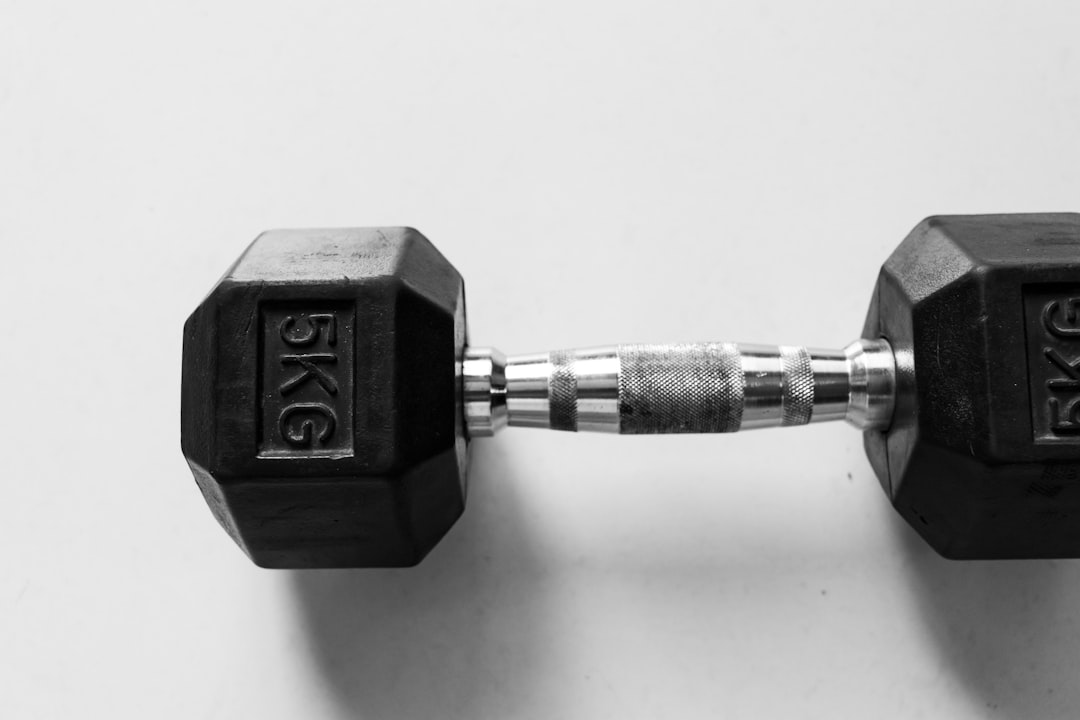
To combat muscle loss, a natural part of aging, you can implement targeted strategies to reclaim strength and vitality. This guide focuses on techniques and principles for reversing sarcopenia, the age-related decline in skeletal muscle mass and function, in individuals over 60.
You’ve noticed it, perhaps. That subtle shift in how easily you lift groceries, the increased effort required to stand from a chair, or a general feeling of diminished stamina. This is the encroachment of sarcopenia, a physiological process that begins subtly and can accelerate if left unaddressed. It’s not an inevitable march into frailty, but rather a biological phenomenon that, like a garden unwatered, loses its vibrancy over time. Understanding its mechanisms is the first step in cultivating resilience.
The Biological Underpinnings of Muscle Decline
As you age, your body’s ability to build and maintain muscle protein synthesis slows down. This intricate process, akin to a construction site where bricks are laid to build and repair muscle fibers, becomes less efficient.
Declining Anabolic Signals
Hormones like testosterone and growth hormone, which act as the foremen of this construction site, tend to decrease in production with age. Their diminished presence signals fewer building directives to your muscles.
Increased Catabolic Signals
Conversely, the signals that break down muscle protein, such as inflammatory markers, can increase. This is like having more demolition crews than construction crews on your site, leading to a net loss of structure.
Neural Changes
The communication network between your brain and your muscles, the nervous system, also undergoes changes. The efferent nerves that transmit signals from your brain to activate muscle fibers can lose some of their efficiency, akin to communication lines becoming less clear or prone to static. This can lead to fewer muscle fibers being recruited for any given movement, and those that are recruited may not contract as forcefully.
Reduced Physical Activity
A reinforcing cycle can occur where a slight decrease in muscle strength leads to reduced physical activity. This lack of use, or ‘disuse atrophy,’ is a direct insult to muscle maintenance, akin to leaving a tool in a shed to rust and deteriorate from inaction. The less you challenge your muscles, the more they adapt to that lower demand by becoming smaller and weaker.
Identifying the Signs and Symptoms
Recognizing the signs of sarcopenia is crucial for intervention. It’s not always a dramatic collapse; often, it’s a gradual erosion of capabilities.
Functional Impairments
You might experience difficulty with everyday tasks such as climbing stairs, carrying heavy objects, or even walking at your previous pace. This is your body signaling that its structural integrity and power output are compromised.
Reduced Physical Performance
Metrics like grip strength, walking speed, and the ability to rise from a chair unaided can measurably decline. These are objective indicators of your muscle’s functional capacity.
Increased Risk of Falls and Injury
As your muscles weaken, your balance and stability are compromised, making you more susceptible to falls. A fall for a senior can be a watershed moment, potentially leading to fractures and a cascade of further health issues.
For seniors over 60, reversing muscle loss is a crucial aspect of maintaining overall health and mobility. A related article that provides valuable insights on this topic can be found at Explore Senior Health. This resource discusses various strategies, including strength training and nutritional adjustments, that can help seniors regain muscle mass and improve their quality of life.
The Pillars of Muscle Rebuilding: Exercise as the Foundation
Just as a strong house requires a solid foundation, reversing muscle loss hinges on a consistent and appropriate exercise regimen. This isn’t about becoming a competitive athlete; it’s about providing sufficient stimulus for your muscles to adapt and grow. Think of your muscles as a bank account: you need to make deposits (through exercise) to avoid a deficit.
Resistance Training: The Cornerstone of Strength
Resistance training, also known as strength training or weight training, is the most effective method for stimulating muscle protein synthesis and increasing muscle mass. This involves working your muscles against an opposing force.
Progressive Overload: The Principle of Growth
The fundamental principle of muscle growth is progressive overload. This means gradually increasing the demands placed on your muscles over time. Without this incremental challenge, your muscles have no reason to adapt and become stronger or larger. It’s like a plant that needs increasing amounts of sunlight and water to grow taller and stronger.
Increasing Weight or Resistance
The most straightforward way to apply progressive overload is by gradually increasing the weight you lift or the resistance you use. When an exercise becomes relatively easy, it’s time to increase the load.
Increasing Repetitions or Sets
Alternatively, you can perform more repetitions of an exercise with the same weight, or add more sets of an exercise. This increases the total volume of work your muscles perform.
Decreasing Rest Intervals
Shortening the rest periods between sets can also increase the intensity of your workout, forcing your muscles to work harder with less recovery.
Compound vs. Isolation Exercises
Focus on compound exercises, which involve multiple muscle groups and joints simultaneously. These are more efficient for building overall strength and muscle mass.
Compound Exercises
Examples include squats (working quads, hamstrings, glutes, and core), deadlifts (engaging a wide range of posterior chain muscles), lunges (targeting legs and glutes), push-ups (chest, shoulders, triceps), and rows (back and biceps). These are like building an entire wall of your house at once.
Isolation Exercises
Isolation exercises, such as bicep curls or triceps extensions, target a single muscle group. While they have a role, they should generally be secondary to compound movements in a senior’s program. These are like adding decorative trim after the main structure is built.
Exercise Frequency and Duration
For most seniors, a resistance training program of 2-3 non-consecutive days per week is sufficient to promote muscle growth and recovery. Each session should ideally last between 30 and 60 minutes.
Aerobic Exercise: The Oxygen Supplier
While resistance training is king for muscle growth, aerobic exercise plays a vital supporting role. It improves cardiovascular health, endurance, and can enhance muscle recovery. Think of it as ensuring the efficient delivery of supplies to your construction site.
Benefits for Muscle Health
Aerobic exercise improves circulation, ensuring that oxygen and nutrients are delivered effectively to your muscles, which is crucial for repair and growth. It also helps to clear metabolic waste products.
Types of Aerobic Activities
Activities such as brisk walking, swimming, cycling, dancing, and water aerobics are excellent choices. The key is to engage in activities that elevate your heart rate and breathing for sustained periods.
Integration into Your Routine
Aim for at least 150 minutes of moderate-intensity aerobic activity per week, spread across multiple days. This can be done on days you are not performing resistance training, or in shorter bouts interspersed with your strength work.
Flexibility and Balance Training: Critical for Functionality
Beyond sheer muscle mass, maintaining and improving flexibility and balance is paramount for preventing falls and maintaining functional independence. Weak muscles coupled with poor flexibility and balance are a recipe for disaster.
Preventing Falls and Injuries
Good balance allows you to recover from stumbles and maintain stability, significantly reducing the risk of falls. Flexibility helps you move through a greater range of motion, making everyday tasks easier and reducing the likelihood of strains or sprains.
Incorporating Specific Exercises
Stretching exercises for major muscle groups, such as hamstring stretches, quad stretches, and calf stretches, should be performed regularly. Balance exercises like single-leg stands, heel-to-toe walking, and Tai Chi can be highly beneficial.
The Synergistic Effect
When combined with resistance training, flexibility and balance work create a more robust and resilient physical self. It’s like ensuring all the components of your house, from the load-bearing walls to the sturdy windows, function in harmony.
Nutritional Strategies: Fueling Muscle Repair and Growth

Exercise provides the stimulus, but nutrition provides the building blocks. Your diet is the engine that powers your muscle-building efforts. Without the right fuel, your muscles cannot effectively repair and grow.
Protein: The Essential Muscle Building Block
Protein is the literal brick and mortar of muscle tissue. Consuming adequate protein is non-negotiable when aiming to reverse muscle loss.
Recommended Daily Intake
For seniors aiming to build or maintain muscle, a higher protein intake is generally recommended than for younger adults. A common guideline is 1.0 to 1.2 grams of protein per kilogram of body weight per day. For example, a person weighing 70 kg (approximately 154 lbs) would aim for 70 to 84 grams of protein daily.
Timing and Distribution
The timing of protein intake throughout the day can also be beneficial. Distributing protein consumption across your meals and snacks ensures a consistent supply of amino acids, the building blocks of protein, for muscle repair. Aim to include a protein source at each meal.
Quality Protein Sources
Prioritize high-quality protein sources that contain all the essential amino acids.
Animal Sources
Lean meats (chicken, turkey, lean beef), fish, eggs, and dairy products (milk, yogurt, cheese) are excellent sources.
Plant-Based Sources
Legumes (beans, lentils, peas), tofu, tempeh, nuts, seeds, and whole grains can also contribute to protein intake. Combining different plant-based protein sources can help ensure a complete amino acid profile.
Carbohydrates: The Energy Provider
Carbohydrates are your body’s primary energy source. They are essential for fueling your workouts and replenishing muscle glycogen stores, which are depleted during exercise.
Fueling Performance
Adequate carbohydrate intake ensures you have the energy to perform your resistance training exercises effectively. Without sufficient energy, your workouts will be less productive.
Glycogen Replenishment
After exercise, carbohydrates help to restock your muscles’ energy reserves, aiding in recovery and preparing you for your next training session.
Healthy Carbohydrate Choices
Focus on complex carbohydrates, which provide sustained energy release.
Whole Grains
Oats, brown rice, quinoa, and whole-wheat bread.
Fruits and Vegetables
Provide essential vitamins, minerals, and fiber in addition to carbohydrates.
Healthy Fats: Supporting Hormonal Balance and Reducing Inflammation
Healthy fats are crucial for overall health, including hormonal function, which plays a role in muscle building, and for managing inflammation.
Hormone Production
Fats are essential for the production of hormones like testosterone, which is important for muscle growth and maintenance.
Anti-Inflammatory Properties
Omega-3 fatty acids, found in fatty fish like salmon and mackerel, as well as in flaxseeds and walnuts, have anti-inflammatory properties that can aid in muscle recovery and reduce exercise-induced soreness.
Hydration: The Unsung Hero
Water is fundamental to all bodily processes, including muscle function. Dehydration can significantly impair muscle performance and recovery.
Maintaining Performance
Even mild dehydration can lead to a decrease in strength and endurance.
Facilitating Nutrient Transport
Water is essential for transporting nutrients to your muscle cells and removing waste products.
Recommended Intake
Aim to drink plenty of fluids throughout the day, particularly before, during, and after exercise. The amount needed will vary based on activity level and climate.
Sleep and Recovery: The Essential Rebuilding Phase

The work of muscle building doesn’t happen during your workout; it happens during your recovery, particularly during sleep. This is when your body repairs and rebuilds muscle tissue.
The Crucial Role of Sleep in Muscle Repair
During deep sleep, your body releases growth hormone, a key player in muscle protein synthesis and repair. This is a critical window for cellular regeneration. Disrupted or insufficient sleep is akin to a construction site shutting down early, preventing the crucial repair work from being completed.
Duration of Sleep
Most adults need 7-9 hours of quality sleep per night. Seniors may find their sleep patterns change, but prioritizing sufficient sleep remains vital.
Sleep Quality
Focus on the quality of your sleep, not just the quantity. This involves creating a conducive sleep environment and establishing a regular sleep schedule.
Sleep Hygiene Practices
- Consistent Schedule: Go to bed and wake up around the same time each day, even on weekends.
- Relaxing Bedtime Routine: Engage in calming activities before bed, such as reading, taking a warm bath, or gentle stretching.
- Optimize Sleep Environment: Ensure your bedroom is dark, quiet, and cool.
- Limit Screen Time: Avoid electronic devices with bright screens for at least an hour before bed.
- Mindful Diet: Avoid heavy meals, caffeine, and alcohol close to bedtime.
Active Recovery: Enhancing Blood Flow and Reducing Soreness
Active recovery involves engaging in low-intensity activities on your rest days to promote blood flow and aid in muscle repair without causing further fatigue.
Benefits of Active Recovery
- Increased Blood Flow: Helps deliver oxygen and nutrients to muscles and remove metabolic byproducts.
- Reduced Muscle Soreness (DOMS): Can help alleviate delayed onset muscle soreness.
- Improved Flexibility: Gentle movement can maintain or improve range of motion.
Examples of Active Recovery
Light walking, gentle cycling, swimming, yoga, or foam rolling. These are akin to a gentle maintenance crew that tidies up the construction site after the main work is done, ensuring everything is ready for the next phase.
Listening to Your Body: Avoiding Overtraining
It’s essential to strike a balance between challenging your muscles and allowing them adequate time to recover. Overtraining can lead to burnout, injury, and hinder your progress.
Signs of Overtraining
- Persistent fatigue
- Decreased performance
- Increased irritability
- Sleep disturbances
- Unexplained aches and pains
The Importance of Rest Days
Rest days are not a sign of weakness; they are a crucial component of any effective training program. Your muscles need this downtime to repair and become stronger.
Reversing muscle loss in seniors over 60 is a crucial topic that has garnered significant attention in recent years. As we age, maintaining muscle mass becomes increasingly important for overall health and mobility. A related article discusses various strategies and exercises that can help seniors combat this issue effectively. For more insights on this subject, you can read the article on senior health and discover practical tips to enhance strength and vitality in later years.
Overcoming Barriers and Staying Motivated
| Metric | Baseline Value (Age 60+) | Post-Intervention Value | Improvement (%) | Intervention Type | Duration | Source |
|---|---|---|---|---|---|---|
| Muscle Mass (kg) | 22.5 | 25.0 | 11.1% | Resistance Training | 12 weeks | Journal of Gerontology, 2022 |
| Handgrip Strength (kg) | 18.0 | 21.5 | 19.4% | Resistance Training + Protein Supplement | 16 weeks | Clinical Nutrition, 2021 |
| Walking Speed (m/s) | 0.9 | 1.1 | 22.2% | Combined Exercise Program | 10 weeks | Age and Ageing, 2020 |
| Lean Body Mass (kg) | 40.0 | 42.5 | 6.3% | Protein Supplementation | 8 weeks | Nutrition Reviews, 2019 |
| Muscle Cross-Sectional Area (cm²) | 45.0 | 50.0 | 11.1% | Resistance Training | 14 weeks | European Journal of Applied Physiology, 2023 |
Embarking on a journey to reverse muscle loss can present challenges. Recognizing and addressing these barriers proactively is key to sustained success.
Addressing Physical Limitations and Pain
For some, pre-existing conditions or chronic pain can seem like insurmountable obstacles. However, with proper guidance, many individuals can still engage in beneficial exercise.
Consulting Healthcare Professionals
Before starting any new exercise program, it is imperative to consult with your doctor, a physical therapist, or a certified personal trainer experienced in working with seniors. They can assess your current physical status, identify any limitations, and design a safe and effective program tailored to your needs.
Modifications and Adaptations
Exercises can often be modified to accommodate pain or physical limitations. For example, seated exercises or using resistance bands instead of free weights might be suitable alternatives.
Pain Management Strategies
If you experience pain, it’s crucial to distinguish between muscle soreness (expected after exercise) and sharp or persistent pain (a potential sign of injury). Your healthcare provider can help you develop strategies for pain management.
Maintaining Consistency and Long-Term Adherence
The initial enthusiasm can wane. Strategies to foster long-term adherence are vital.
Setting Realistic Goals
Break down your larger goals into smaller, achievable milestones. Celebrating these smaller victories can provide significant motivation. This is like building your house brick by brick, celebrating each completed layer.
Finding an Accountability Partner
Exercising with a friend or family member, or joining a group class, can provide social support and an added layer of accountability.
Variety in Your Routine
Prevent boredom by introducing variety into your workouts. This could involve trying new exercises, changing the order of your routine, or exploring different fitness activities.
Tracking Progress
Monitoring your progress, whether it’s by lifting heavier weights, doing more repetitions, or noticing improvements in your daily activities, can be a powerful motivator.
Education and Empowerment
Understanding the “why” behind the recommendations can empower you to make informed choices and stay committed.
Continuous Learning
Stay informed about the latest research and best practices in senior fitness and nutrition. This can help you adapt your approach and stay engaged.
Focus on Benefits Beyond Muscle Mass
Recognize that the benefits of reversing muscle loss extend far beyond aesthetics. Improved mobility, increased energy levels, enhanced mood, and a greater sense of independence are all significant outcomes.
You hold the blueprint for a stronger, more vibrant future. By understanding the principles of muscle physiology, embracing a comprehensive exercise regimen, fueling your body appropriately, and prioritizing recovery, you can effectively combat sarcopenia and reclaim your strength. This is an investment in your present well-being and your future autonomy.
FAQs
What causes muscle loss in seniors over 60?
Muscle loss in seniors, also known as sarcopenia, is primarily caused by aging-related factors such as hormonal changes, decreased physical activity, inadequate protein intake, and chronic health conditions. These factors lead to a gradual decline in muscle mass and strength.
Can muscle loss in seniors be reversed?
Yes, muscle loss in seniors can often be reversed or significantly improved through a combination of regular resistance training exercises, proper nutrition including sufficient protein intake, and addressing any underlying health issues. Early intervention is key to better outcomes.
What types of exercises are most effective for reversing muscle loss in seniors?
Resistance training exercises, such as weight lifting, resistance band workouts, and bodyweight exercises like squats and push-ups, are most effective for building and maintaining muscle mass in seniors. Incorporating balance and flexibility exercises can also support overall physical function.
How important is nutrition in reversing muscle loss in seniors?
Nutrition plays a critical role in reversing muscle loss. Adequate protein intake, along with essential vitamins and minerals like vitamin D and calcium, supports muscle repair and growth. Seniors may benefit from consulting a dietitian to create a balanced diet plan tailored to their needs.
Are there any medical treatments available to help reverse muscle loss in seniors?
While exercise and nutrition are the primary approaches, some medical treatments such as hormone replacement therapy or medications may be considered in specific cases under a doctor’s supervision. However, these treatments are typically adjuncts to lifestyle changes rather than standalone solutions.