You are entering a new chapter of your life, one where maintaining your physical strength and vitality is paramount. As you age, your body undergoes natural changes, and one of the most significant is sarcopenia, the age-related loss of muscle mass and function. This is not an inevitable decline; rather, it’s a physiological process that can be actively managed and even reversed with the right lifestyle choices. Among these choices, nutrition plays a pivotal role, and you’ll discover that a humble grain like oats can become a cornerstone in your strategy to boost and sustain your senior muscle.
You may have noticed subtle shifts in your physical capabilities over the years. Perhaps you find yourself less able to carry groceries with the same ease, or you tire more quickly during activities you once found effortless. These are often the first whispers of sarcopenia. Understanding this process is the first step in combating it.
The Biological Underpinnings of Sarcopenia
Muscle tissue, like any other tissue in your body, is in a constant state of flux, undergoing cycles of breakdown and rebuilding. In youth, the rebuilding process typically outpaces the breakdown, leading to muscle growth and maintenance. However, as you age, hormonal changes, decreased physical activity, and reduced protein synthesis can shift this balance, favoring muscle loss. Think of your muscles like a meticulously managed workshop; in younger years, the master craftsmen are prolific, churning out new structures. With age, fewer apprentices are available, and the rate of repair slows.
The Critical Role of Protein Synthesis
Protein is the very brick and mortar of your muscles. Every muscle fiber is constructed and repaired using amino acids, the building blocks of protein. For optimal muscle health, your body needs a consistent supply of these amino acids, particularly during periods of rest and recovery, and even more so after physical exertion. Age-related decline in protein synthesis means your body becomes less efficient at utilizing the protein you consume to rebuild muscle.
Contributing Factors Beyond Age
While aging is a primary driver of sarcopenia, other factors can accelerate or exacerbate muscle loss. Sedentary lifestyles are a major culprit; without the stimulus of physical activity, muscles receive a signal to diminish rather than grow. Chronic diseases, such as diabetes and certain inflammatory conditions, can also negatively impact muscle protein synthesis. Furthermore, inadequate calorie and protein intake, often seen in older adults due to changes in appetite or dietary habits, directly starves your muscles of the essential nutrients they need.
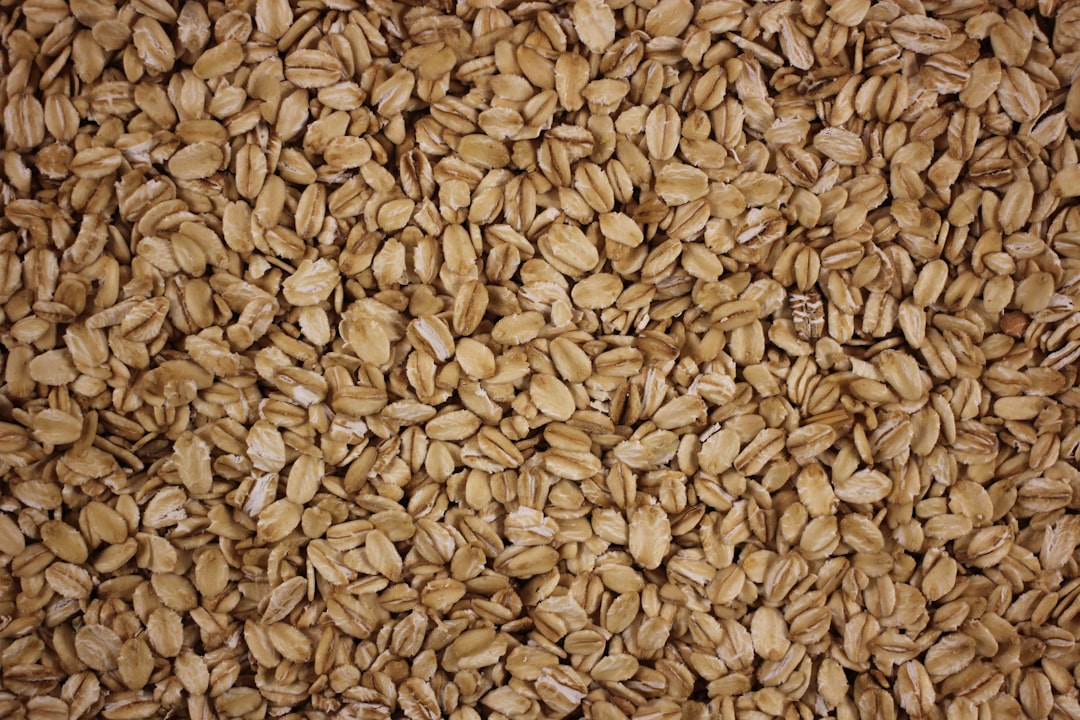
Oats are an excellent source of complex carbohydrates and protein, making them a beneficial addition to the diets of seniors looking to build muscle. The high fiber content in oats helps with digestion and provides sustained energy, which is essential for maintaining an active lifestyle. For more insights on how oats can support muscle building in seniors, you can read a related article at Explore Senior Health.
Oats: A Nutritional Powerhouse for Muscle Maintenance
When you think about foods that support muscle health, you might immediately gravitate towards meats, poultry, or fish. While these are excellent sources of protein, a closer look reveals that plant-based foods, particularly whole grains like oats, offer a potent and versatile array of nutrients crucial for your muscle-building efforts. Oats are not just breakfast fare; they are a nutritional arsenal you can deploy.
The Macronutrient Profile of Oats
Oats are primarily a source of complex carbohydrates, which are your body’s preferred fuel for energy. This energy is vital for powering your workouts, the very stimulus that signals your muscles to grow stronger. Beyond carbohydrates, oats also contain a noteworthy amount of protein and beneficial fats. A typical serving of rolled oats, for instance, can provide around 5-6 grams of protein, a significant contribution to your daily target, especially when consumed as part of a balanced meal.
Carbohydrates for Energy
The complex carbohydrates in oats are digested slowly, releasing glucose into your bloodstream steadily. This sustained energy release prevents sharp spikes and crashes in blood sugar, providing you with the endurance needed for your physical activities. Think of these carbs as the smooth, consistent fuel for your engine, allowing you to run efficiently for longer periods.
Protein Content and Quality
While not as concentrated in protein as animal products, oats offer a good starting point. Crucially, oats contain a decent proportion of essential amino acids, the ones your body cannot produce on its own and must obtain from your diet. They are particularly rich in lysine, an amino acid that plays a role in protein synthesis and calcium absorption, both important for muscle and bone health.
Healthy Fats and Fiber
Oats also contribute healthy fats, primarily unsaturated fats, which are beneficial for overall health and can play a supportive role in hormone production, including those that influence muscle growth. The soluble fiber in oats, particularly beta-glucan, offers a cascade of health benefits, including improved gut health and better cholesterol management, which indirectly supports your body’s ability to function optimally, including muscle repair.
Micronutrients Essential for Muscle Function
Beyond the macronutrients, oats are a treasure trove of micronutrients, the vitamins and minerals that act as crucial co-factors in a multitude of bodily processes, including those involved in muscle function and repair.
B Vitamins for Energy Metabolism
Oats are a good source of B vitamins, such as thiamine (B1), riboflavin (B2), niacin (B3), and pantothenic acid (B5). These vitamins are integral to your body’s energy metabolism, acting as catalysts in the conversion of food into usable energy. Without sufficient B vitamins, your body struggles to extract the energy it needs from the food you eat, leaving you feeling fatigued and impairing your ability to exercise effectively.
Minerals for Muscle Contraction and Repair
Oats provide essential minerals like magnesium, phosphorus, and zinc. Magnesium is critical for muscle contraction and relaxation, helping to prevent cramps and spasms. Phosphorus is integral to the structure of ATP, the energy currency of your cells, and plays a role in muscle power. Zinc is involved in protein synthesis and immune function, both vital for muscle recovery and growth. These minerals are like the essential tools in your workshop, allowing the craftsmen to perform intricate repairs and build robust structures.
Antioxidants for Cellular Protection
Oats contain a class of antioxidants called avenanthramides, which have anti-inflammatory properties. Chronic inflammation can disrupt muscle protein synthesis and contribute to muscle breakdown. By helping to quell inflammation, these antioxidants can create a more favorable environment for muscle repair and growth.
Incorporating Oats into Your Diet for Muscle Gain
The remarkable nutritional profile of oats is only half the equation; the other half is how you integrate them into your daily eating plan to maximize their benefits for your muscles. Think of it as learning how to wield your new tool effectively.
Strategic Meal Planning with Oats
You can strategically place oats at various points in your day to support your muscle-building goals. They are particularly effective as a pre- or post-workout fuel, providing the energy for your exercise and the nutrients for recovery.
Breakfast: The Foundation of Your Day
Starting your day with a bowl of oats is a classic for a reason. It provides sustained energy for your morning activities and a good dose of protein and fiber. To supercharge your breakfast oats for muscle support, consider adding other protein-rich ingredients.
Adding Protein Boosters
- Whey or Plant-Based Protein Powder: Stirring in a scoop of your preferred protein powder can significantly increase the protein content of your oatmeal, turning it into a potent muscle-building meal.
- Greek Yogurt or Cottage Cheese: Adding a dollop of Greek yogurt or cottage cheese to your cooked oats not only increases protein but also adds a creamy texture and a boost of calcium.
- Nuts and Seeds: Almonds, walnuts, chia seeds, and flaxseeds offer additional protein, healthy fats, and beneficial micronutrients. Sprinkle them liberally!
- Nut Butters: A tablespoon or two of peanut butter, almond butter, or cashew butter adds protein, healthy fats, and a satisfying flavor.
Snacks: Bridging the Gaps
Oats aren’t just for breakfast. Oat-based snacks can help you maintain a consistent supply of nutrients throughout the day, preventing muscle breakdown between meals.
Savory and Sweet Snack Ideas
- Oatmeal Bars: Homemade oatmeal bars, packed with nuts, seeds, and dried fruit, make for convenient and nutritious grab-and-go snacks.
- Overnight Oats: Prepare overnight oats in a jar with milk or yogurt, protein powder, and your favorite toppings. They are ready to eat straight from the refrigerator.
- Baked Oatmeal Cups: These are portable and can be customized with various fruits and nut butters for a balanced snack.
- Oat Flour Pancakes or Waffles: A batch of these made with whole grains can be enjoyed as a filling snack or a light meal.
Post-Workout Recovery Fuel
The hours following exercise are a critical window for muscle repair and growth. Oats, particularly when combined with protein, can be an excellent recovery food.
Optimizing Post-Exercise Nutrition
- Oatmeal Smoothie: Blend cooked oats with fruit, protein powder, and your liquid of choice (milk, almond milk, water) for a quick and easily digestible recovery drink.
- Oatmeal with Berries and Protein: A warm bowl of oatmeal topped with antioxidant-rich berries and a scoop of protein powder provides carbohydrates for glycogen replenishment and protein for muscle repair.
Versatility in Preparation
Oats are remarkably adaptable. Whether you prefer them hot or cold, sweet or savory, there’s a preparation method that will suit your palate and your lifestyle.
Hot Oatmeal Variations
- Rolled Oats: The most common type, requiring about 5-10 minutes of cooking. They offer a satisfying texture.
- Steel-Cut Oats: These are less processed and require longer cooking times (20-30 minutes), resulting in a chewier texture and a lower glycemic index.
- Instant Oats: Quick to prepare but often highly processed and may have a higher glycemic index. While convenient, they are generally less nutrient-dense than other varieties.
Cold and No-Cook Options
- Overnight Oats: As mentioned, soaking oats in liquid overnight softens them without cooking, making them incredibly convenient.
- Raw Oats in Smoothies: You can add a small amount of raw rolled oats to smoothies for added thickness and fiber, though this is less common for significant muscle-building purposes due to slower digestion.
Pairing Oats with Other Muscle-Building Foods
To truly create a muscle-boosting synergy, you’ll want to pair your oats with other nutrient-dense foods. This layered approach ensures you’re covering all your bases for optimal muscle health.
Protein Sources
- Lean Meats and Poultry: Chicken, turkey, lean beef.
- Fish: Salmon, tuna, cod.
- Eggs: A complete protein source.
- Legumes: Lentils, beans, chickpeas.
- Tofu and Tempeh: Plant-based protein staples.
Healthy Fats
- Avocados: Rich in monounsaturated fats.
- Nuts and Seeds: Almonds, walnuts, chia seeds, flaxseeds, pumpkin seeds.
- Olive Oil: Extra virgin olive oil for cooking and dressings.
Fruits and Vegetables
- Berries: High in antioxidants.
- Leafy Greens: Spinach, kale, collard greens.
- Cruciferous Vegetables: Broccoli, cauliflower, Brussels sprouts.
- Bananas: A good source of potassium and quick energy.
Beyond Diet: The Crucial Role of Exercise and Lifestyle
While oats provide a powerful nutritional foundation, they are not a standalone solution for boosting muscle mass. Think of oats as premium building materials; they are essential, but you also need the proper construction plan and the skilled labor—which, in your case, is exercise.
Strength Training as the Primary Stimulus
The most direct and effective way to build and maintain muscle mass as you age is through resistance training. This could involve lifting weights, using resistance bands, or performing bodyweight exercises. Your muscles need to be challenged to grow.
Progressive Overload: The Key to Growth
To continue building muscle, you must gradually increase the demands placed on your muscles over time. This principle of progressive overload can be achieved by lifting heavier weights, doing more repetitions, increasing the number of sets, or reducing rest periods between sets. Without this escalating challenge, your muscles adapt and plateau.
Types of Strength Training
- Compound Exercises: Movements that work multiple muscle groups simultaneously, such as squats, deadlifts, bench presses, and rows, are highly efficient for overall muscle development.
- Isolation Exercises: These target specific muscle groups, like bicep curls or triceps extensions, and can be used to address weaknesses or further develop individual muscles.
The Importance of Adequate Sleep and Recovery
Muscle growth and repair primarily occur during sleep. If you’re skimping on rest, you’re hindering your body’s ability to build muscle, even with optimal nutrition and exercise.
Sleep Quality and Quantity
Aim for 7-9 hours of quality sleep per night. Establish a regular sleep schedule, create a relaxing bedtime routine, and ensure your bedroom is dark, quiet, and cool.
Rest Days Between Workouts
Allowing your muscles sufficient time to recover between strength training sessions is crucial for preventing overtraining and promoting muscle growth. Active recovery, such as light walking or stretching, can be beneficial on rest days.
Hydration: An Often-Overlooked Component
Water is fundamental to all bodily functions, including muscle function and nutrient transport. Dehydration can impair muscle performance and hinder recovery.
Staying Adequately Hydrated
Drink water consistently throughout the day, and increase your intake before, during, and after exercise. Listen to your body’s thirst signals.
Oats are an excellent source of essential nutrients that can significantly benefit seniors looking to build muscle. Rich in protein and fiber, oats provide the energy needed for strength training while also aiding in recovery. Additionally, they contain important vitamins and minerals that support overall health. For more insights on how diet can enhance muscle building in seniors, you can read this informative article on senior health. Incorporating oats into daily meals can be a simple yet effective way to boost nutritional intake and promote muscle growth.
Measuring Progress and Staying Motivated
| Benefit | Description | Relevant Metric | Impact on Senior Muscle Building |
|---|---|---|---|
| High Protein Content | Oats provide a good source of plant-based protein | ~13g protein per 100g oats | Supports muscle repair and growth in seniors |
| Rich in Complex Carbohydrates | Slow-digesting carbs provide sustained energy | ~66g carbs per 100g oats (mostly complex) | Helps maintain energy levels during workouts |
| High in Fiber | Contains beta-glucan fiber that aids digestion | ~10g fiber per 100g oats | Improves gut health and nutrient absorption |
| Rich in Micronutrients | Contains magnesium, phosphorus, and zinc | Magnesium: 138mg, Phosphorus: 410mg, Zinc: 4mg per 100g | Supports muscle function and recovery |
| Antioxidant Properties | Contains avenanthramides which reduce inflammation | Varies; significant antioxidant activity | Reduces muscle soreness and promotes recovery |
| Low Glycemic Index | Helps regulate blood sugar levels | GI ~55 | Prevents energy crashes, aiding consistent training |
Tracking your progress and maintaining motivation are vital for long-term success in your muscle-boosting journey. Seeing tangible results, however small, can be a powerful motivator.
Setting Realistic Goals
Avoid aiming for unrealistic overnight transformations. Focus on achievable milestones, such as increasing the weight you lift by a small increment, completing an extra repetition, or noticing improved endurance during your workouts.
Tracking Your Intake and Workouts
Keeping a food diary can help you monitor your oat consumption and ensure you’re meeting your protein and calorie targets. Similarly, logging your strength training sessions allows you to track your progress with progressive overload.
Listening to Your Body
Pay attention to how your body feels. Are you recovering well from workouts? Do you have sustained energy levels? If you experience persistent fatigue or pain, it’s important to reassess your nutrition, training, and rest.
Celebrating Small Victories
Acknowledge and celebrate your achievements along the way. This could be as simple as successfully completing a challenging set of exercises, incorporating oats into your diet consistently for a week, or feeling a noticeable increase in your strength. These small wins build momentum and reinforce your commitment.
By actively engaging with your nutrition, particularly through the strategic inclusion of oats, and by embracing a consistent exercise routine, you are not merely fighting the effects of aging, but actively building a stronger, more resilient you. Your muscles are dynamic structures, responsive to your care and intention. Oats, in their humble and accessible form, are a potent ally in this endeavor, offering a delicious and effective pathway to sustained senior muscle vitality.
FAQs
1. How do oats support muscle building in seniors?
Oats provide a rich source of complex carbohydrates, which supply sustained energy for workouts and muscle recovery. They also contain essential nutrients like protein, fiber, vitamins, and minerals that support muscle repair and growth.
2. Are oats a good source of protein for seniors?
While oats are not as high in protein as animal products, they do contain a moderate amount of plant-based protein. When combined with other protein sources, oats can contribute to the overall protein intake necessary for muscle building in seniors.
3. Can eating oats help improve muscle recovery after exercise?
Yes, oats contain carbohydrates that help replenish glycogen stores in muscles after exercise, aiding recovery. Additionally, their fiber and nutrient content support overall health, which is important for effective muscle repair.
4. What vitamins and minerals in oats benefit senior muscle health?
Oats are rich in B vitamins, iron, magnesium, and zinc, all of which play roles in energy metabolism, muscle function, and repair. These nutrients help seniors maintain muscle strength and reduce fatigue.
5. How should seniors incorporate oats into their diet for muscle building?
Seniors can include oats as part of balanced meals, such as oatmeal with nuts and fruits or smoothies. Combining oats with other protein-rich foods ensures adequate protein intake to support muscle growth and maintenance.