Oats versus whey: which one is your muscle growth champion? You’re standing at the starting line of your fitness journey, or perhaps you’re a seasoned veteran looking to optimize your gains. The battlefield is your kitchen, and your ammunition comes in the form of macronutrients. Two titans frequently appear in discussions about fueling muscle growth: oats and whey protein. Both have carved out their reputations, but which one deserves the prime spot on your plate, or rather in your shaker or bowl? This article will dissect these two dietary powerhouses, examining their nutritional profiles, mechanisms of action, and practical applications to help you make an informed decision for your muscle-building endeavors.
To understand the duel between oats and whey, you must first examine their fundamental building blocks. Think of this as inspecting the blueprints of your muscle-building strategy. What are the raw materials each offers, and how do these materials contribute to the construction of lean muscle tissue?
Oats: The Complex Carbohydrate Cornerstone
Oats, derived from the grain Avena sativa, are a staple in many diets, revered for their sustained energy release and rich fiber content. Their primary macronutrient contribution is complex carbohydrates, which serve as your body’s preferred fuel source.
Carbohydrate Composition and Glycemic Index
Oats are primarily composed of carbohydrates, with a significant portion being starches. What distinguishes them from simpler sugars is their complex structure, which your body breaks down more slowly. This slow digestion translates into a more gradual and sustained release of glucose into your bloodstream, preventing sharp spikes and subsequent crashes in energy levels. This is particularly beneficial for endurance during prolonged workouts and for replenishing glycogen stores post-exercise.
The glycemic index (GI) of oats varies depending on the processing. Rolled oats generally have a moderate GI, while steel-cut oats tend to have a lower GI. A lower GI is often associated with a more controlled blood sugar response, which can be beneficial for overall health and energy management. This slower absorption means your muscles have a more consistent supply of readily available energy, acting like a steady trickle of fuel rather than a sudden gush.
Fiber’s Role in Digestion and Satiety
Beyond carbohydrates, oats are a notable source of dietary fiber, particularly beta-glucan. This soluble fiber is a unique component that offers several advantages. It contributes to a feeling of fullness, which can be instrumental in managing caloric intake, especially if your goal is also to maintain a lean physique. Furthermore, beta-glucan has been linked to improvements in cholesterol levels and blood sugar control, demonstrating benefits that extend beyond the gym. The fiber in oats acts like a sponge, absorbing water and slowing down gastric emptying, leading to prolonged satiety.
Moderate Protein Content and Micronutrients
While primarily a carbohydrate source, oats do contribute a modest amount of protein to your diet. This protein content is not insignificant, offering a supplemental contribution to your daily intake. Additionally, oats are a good source of various micronutrients, including manganese, phosphorus, magnesium, B vitamins, and iron. These essential vitamins and minerals are crucial for numerous bodily functions, including energy metabolism, immune function, and red blood cell production, all of which indirectly support muscle growth and recovery.
Whey Protein: The Fast-Acting Amino Acid Arsenal
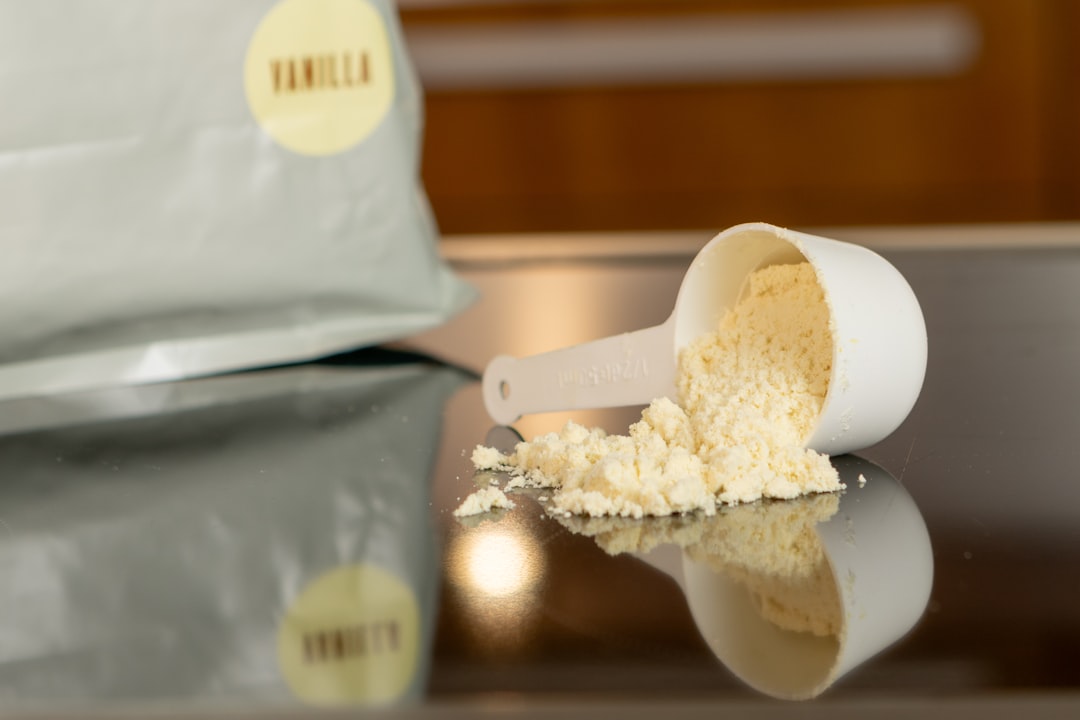
Whey protein is a byproduct of the cheese-making process, a highly bioavailable and rapidly absorbed protein source. It’s often lauded for its potent anabolic signaling capabilities in muscle protein synthesis.
Amino Acid Profile: The Anabolic Trigger
The real superpower of whey protein lies in its exceptional amino acid profile. It is a complete protein, meaning it contains all nine essential amino acids (EAAs) that your body cannot produce on its own and must obtain from the diet. Crucially, whey is particularly rich in branched-chain amino acids (BCAAs), especially leucine. Leucine is considered the primary driver of muscle protein synthesis (MPS), acting as a key signaling molecule that initiates and accelerates the rebuilding process of muscle tissue. Think of leucine as the foreman on your muscle construction site, giving the signal for all the workers to start building.
Rapid Absorption and Bioavailability
One of whey protein’s most significant advantages is its rapid digestion and absorption rate. When consumed, whey is quickly broken down into amino acids, which are then swiftly delivered to your muscles. This rapid delivery is particularly beneficial in the post-workout window when your muscles are primed for repair and growth. This speed is akin to a rapid deployment of elite construction crews, getting to work immediately after the job is assigned.
Types of Whey Protein: Isolates, Concentrates, and Hydrolysates
Understanding the different forms of whey protein can further refine your choice.
- Whey Concentrate: This is the least processed form of whey. It typically contains around 70-80% protein by weight, with some residual lactose and fat. It offers a good balance of protein, flavor, and affordability.
- Whey Isolate: Undergoing further filtration, whey isolate is purified to further remove lactose and fat, resulting in a protein content typically above 90%. This makes it a suitable option for individuals with lactose intolerance and those seeking a leaner protein source.
- Whey Hydrolysate: This form has undergone pre-digestion, where the protein chains are broken down into smaller peptides. This further speeds up absorption, making it the fastest-acting option, although often at a higher cost and with a potentially more bitter taste.
Minimal Carbohydrate and Fat Content
Compared to oats, whey protein sources typically contain very low amounts of carbohydrates and fats. This makes them an ideal choice for individuals looking to maximize protein intake while carefully controlling their overall carbohydrate and fat consumption, particularly during specific periods of training or dieting.
When considering the best sources of protein for muscle growth, a comparison between oats and whey protein can provide valuable insights. While whey protein is often lauded for its high biological value and rapid absorption, oats offer a unique blend of carbohydrates and fiber that can support sustained energy levels during workouts. For a deeper understanding of how these two options stack up against each other, you can read a related article that explores various protein sources and their effects on muscle development. Check it out here: Oats vs. Whey Protein for Muscle Growth.
The Mechanism of Muscle Growth: How They Fuel the Fire
Muscle growth, or hypertrophy, is a biological process that occurs when the rate of muscle protein synthesis exceeds the rate of muscle protein breakdown. Both oats and whey play distinct roles in this intricate process.
Oats: The Sustained Energy and Recovery Support
Oats contribute to muscle growth primarily through their role as an energy provider and their support for overall recovery.
Glycogen Replenishment and Endurance
The complex carbohydrates in oats are crucial for replenishing muscle glycogen stores. Glycogen is the stored form of glucose in your muscles and liver, serving as your primary fuel source during high-intensity exercise. Adequate glycogen levels are essential for maintaining workout intensity and duration. By providing a steady stream of glucose, oats help ensure your muscles have the energy reserves they need to perform optimally. This sustained energy release is like ensuring your car has a full tank of gas for a long journey, preventing it from sputtering out halfway.
Insulin Response and Nutrient Transport
The moderate insulin response triggered by oaten carbohydrates can also be beneficial. Insulin is an anabolic hormone that plays a role in nutrient transport into cells, including muscle cells. While not as potent as the acute insulin spike from simple sugars, the sustained release from oats can support the delivery of amino acids and glucose to your muscles.
Micronutrient Support for Recovery
The micronutrient profile of oats also indirectly supports muscle recovery. For instance, magnesium is involved in muscle function and energy production, while iron is essential for oxygen transport, which is vital for healing.
Whey Protein: The Direct Anabolic Signal
Whey protein’s impact on muscle growth is more direct and pronounced, primarily through its potent amino acid composition.
Stimulating Muscle Protein Synthesis (MPS)
As mentioned, the high leucine content in whey protein acts as a powerful trigger for MPS. When consumed, the leucine in whey signals the cellular machinery responsible for building muscle proteins to become more active. This leads to an increased rate of muscle repair and growth. Think of whey as the express delivery of the essential building blocks, prompting immediate construction.
Reducing Muscle Protein Breakdown (MPB)
In addition to stimulating synthesis, the complete amino acid profile of whey can also help to reduce muscle protein breakdown. By providing the necessary substrates for muscle tissue, it can help to spare muscle mass during periods of caloric deficit or intense training.
The Anabolic Window Theory: A Nuance
The concept of the “anabolic window,” the time frame post-exercise where nutrient intake is thought to be most critical for muscle growth, has been a subject of debate. While the importance of immediate post-workout nutrition is still emphasized, research suggests that total daily protein intake and consistent consumption throughout the day may be more critical than the exact timing. However, the rapid absorption of whey still makes it a convenient and effective option for kickstarting the recovery process.
Practical Applications: Integrating Oats and Whey into Your Diet
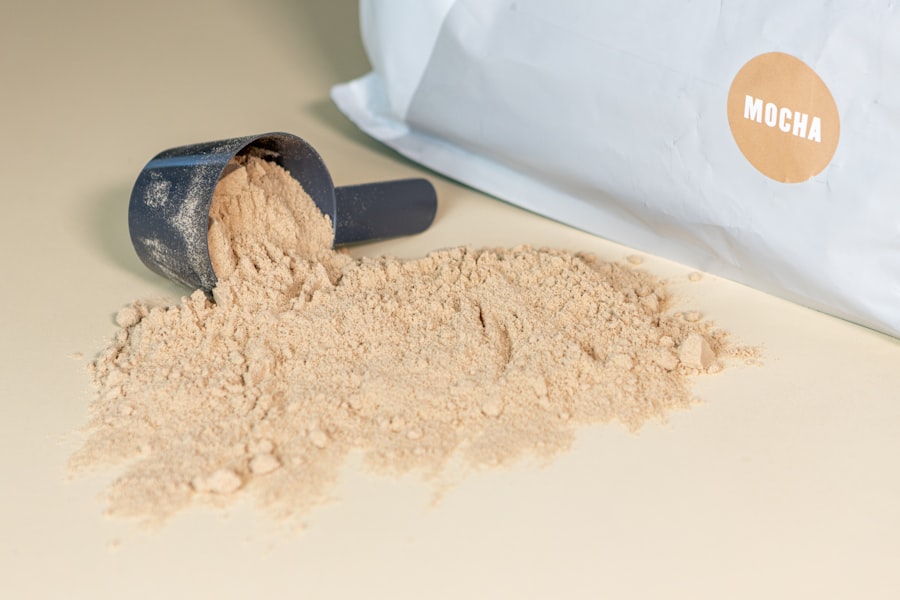
The theoretical understanding of oats and whey is only part of the equation. You need to know how to effectively incorporate them into your daily dietary regimen to maximize their benefits.
Oats: The Versatile Breakfast and Snack Staple
Oats are incredibly versatile and can be a cornerstone of your muscle-building diet, particularly for breakfast.
Breakfast Powerhouse
A bowl of oatmeal, made with rolled or steel-cut oats, can provide a sustained energy release to start your day. You can enhance its protein content by adding milk (dairy or plant-based), a scoop of protein powder (whey or plant-based), nuts, seeds, or Greek yogurt. This transforms a simple carb source into a more balanced meal that supports both energy and muscle repair.
Pre-Workout Fuel
Oats can also serve as an excellent pre-workout meal or snack. Consumed 1-2 hours before training, they provide a sustained release of energy, preventing fatigue during your workout. Their fiber content also helps to prevent the stomach discomfort that can sometimes accompany consuming simpler carbohydrates too close to exercise.
Post-Workout Snack (with caution)
While not as rapid as whey, consuming oats post-workout can contribute to glycogen replenishment. However, for individuals prioritizing rapid amino acid delivery, combining oats with a protein source or opting for whey alone might be more effective.
Whey Protein: The Convenient Post-Workout and Supplementation Tool
Whey protein shines as a convenient and efficient way to boost protein intake, especially around training times.
The Post-Workout Shake: A Classic Choice
The most common application of whey protein is in a post-workout shake. Mixed with water or milk, it provides a rapid influx of amino acids to kickstart muscle repair and growth. This is particularly useful if you have limited time or access to solid food immediately after training. A well-timed whey shake can be the difference between your muscles starting to recover or remaining in a state of disrepair.
Meal Enhancement
Whey protein can also be added to various foods to increase their protein content. Blend it into smoothies, pancake batter, yogurt, or even oatmeal to elevate the protein per serving without significantly altering taste or texture.
Snacking Solutions
A protein shake can serve as a convenient and satiating snack between meals, helping you meet your daily protein targets without excessive calorie intake from less nutrient-dense options.
The Synergy of Oats and Whey: A Potent Combination

While oats and whey can be beneficial independently, their true power often lies in their synergistic consumption. Combining these two dietary titans can create a more complete and effective approach to muscle growth.
Balanced Macronutrient Delivery
When consumed together, oats and whey protein provide a balanced profile of macronutrients. The complex carbohydrates from oats offer sustained energy and aid in glycogen replenishment, while the rapid-absorbing protein from whey delivers essential amino acids for immediate muscle repair. This combination is like having both a steady supply line and an emergency rapid response team for your muscles.
Post-Workout Meal with Sustained Release
A post-workout meal incorporating both oats and whey can offer the best of both worlds. You get the immediate anabolic stimulus from whey, followed by the sustained energy and continued nutrient availability from the oats. This dual approach can optimize both immediate recovery and subsequent energy levels. Imagine your muscles receiving an immediate surge of building blocks (whey) and then a continuous stream of mortar and bricks (oats) to reinforce the structure.
Extended Satiety and Nutrient Support
The combination of fiber from oats and protein from whey can contribute to prolonged feelings of fullness, aiding in appetite control and supporting consistent nutrient intake throughout the day. This sustained satiety can be invaluable for individuals managing their caloric intake while aiming for muscle growth.
Overcoming Limitations
By combining oats and whey, you can mitigate the individual limitations of each. Whey, while excellent for rapid protein delivery, lacks significant carbohydrate content for prolonged energy. Oats provide that carbohydrate base. Conversely, oats alone don’t offer the same potent anabolic signaling as a concentrated protein source like whey. The partnership bridges these gaps.
When considering the best sources of protein for muscle growth, the debate between oats and whey protein often arises. While whey protein is well-known for its high biological value and rapid absorption, oats provide a unique combination of carbohydrates and fiber that can support sustained energy levels during workouts. For those interested in exploring more about the nutritional benefits of different protein sources, you can read a related article on this topic at Explore Senior Health. This resource offers insights into how various proteins can impact muscle development and overall health.
Oats vs. Whey: Making Your Strategic Choice
| Metric | Oats | Whey Protein | Notes |
|---|---|---|---|
| Protein Content (per 100g) | 13g | 80-90g | Whey protein is significantly higher in protein concentration. |
| Amino Acid Profile | Incomplete (low in lysine) | Complete (rich in BCAAs) | Whey contains all essential amino acids, important for muscle synthesis. |
| Leucine Content (per 100g) | ~0.6g | ~10-12g | Leucine is critical for muscle protein synthesis; whey is much richer. |
| Digestion Rate | Slow | Fast | Whey is quickly absorbed, ideal post-workout; oats provide sustained energy. |
| Effect on Muscle Growth | Moderate (supports energy and some protein) | High (stimulates muscle protein synthesis effectively) | Whey is more effective for direct muscle growth stimulation. |
| Additional Nutrients | Fiber, vitamins, minerals | Minimal (mostly protein) | Oats provide extra nutrients beneficial for overall health. |
| Best Use | Pre-workout or meal base | Post-workout or protein supplementation | Combining both can optimize muscle growth and recovery. |
The decision of whether to prioritize oats or whey, or how to integrate both, depends on your individual goals, training regimen, and dietary preferences.
For the Endurance Athlete and Sustained Energy Seeker
If your primary focus is on prolonged endurance activities and you require sustained energy throughout the day, oats might take center stage. Their complex carbohydrate profile and fiber content are ideal for fueling long workouts and maintaining energy levels. Whey can still be a valuable adjunct for post-endurance recovery.
For the Strength and Hypertrophy Focused Individual
For those whose primary goal is maximizing muscle hypertrophy and strength gains, whey protein often plays a more prominent role, especially in the post-workout period. Its rapid amino acid delivery is a key component for stimulating MPS. However, incorporating oats into your overall diet is still crucial for providing the energy required for intense training sessions.
The Balanced Approach: The Optimal Strategy
For most individuals looking to build muscle effectively, a balanced approach that incorporates both oats and whey protein is likely the most optimal strategy. This allows you to leverage the benefits of sustained energy and nutrient delivery from oats, alongside the potent anabolic signaling and rapid recovery support of whey. This dual strategy ensures you’re not only fueling your workouts but also providing your body with the precise building blocks needed for muscle repair and growth. It’s like having a comprehensive tool belt, with each tool serving a distinct but equally important purpose in your muscle-building arsenal. The key is to understand your needs and deploy your nutritional resources accordingly.
FAQs
1. Which is more effective for muscle growth: oats or whey protein?
Whey protein is generally more effective for muscle growth because it is a complete protein with a high concentration of essential amino acids, particularly leucine, which plays a key role in muscle protein synthesis. Oats provide carbohydrates and some protein but lack the complete amino acid profile found in whey.
2. Can oats alone support muscle growth?
Oats can contribute to muscle growth by providing carbohydrates for energy and some protein, but they are not sufficient alone for optimal muscle building. Combining oats with a high-quality protein source like whey or other protein-rich foods is recommended for better results.
3. How do the nutritional profiles of oats and whey protein differ?
Oats are primarily a source of complex carbohydrates, fiber, and some plant-based protein, while whey protein is a concentrated source of animal-based protein with minimal carbohydrates and fat. Whey protein contains all essential amino acids, whereas oats have a lower protein content and an incomplete amino acid profile.
4. Is it beneficial to consume both oats and whey protein together?
Yes, consuming oats and whey protein together can be beneficial. Oats provide sustained energy from carbohydrates and fiber, while whey protein supplies the necessary amino acids for muscle repair and growth. This combination can support workout performance and recovery.
5. When is the best time to consume whey protein and oats for muscle growth?
Whey protein is most effective when consumed shortly after workouts to promote muscle recovery and growth. Oats can be consumed before workouts for sustained energy or as part of a balanced meal. Combining both in a post-workout meal or snack can optimize muscle-building benefits.