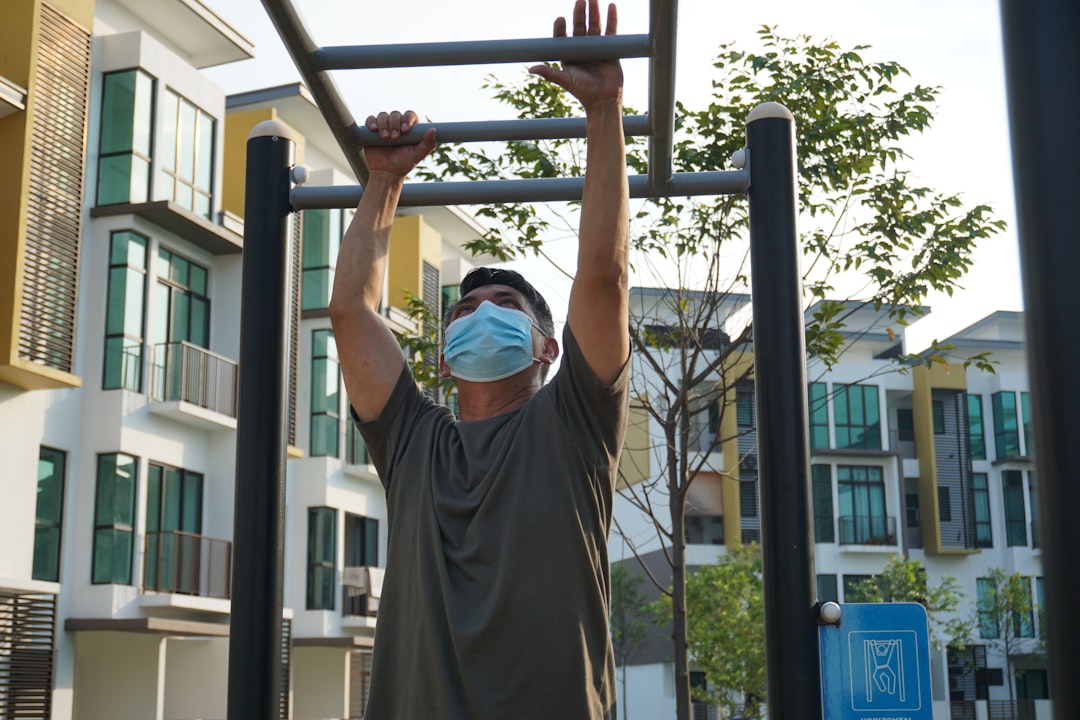
You stand at a critical juncture in your life, a plateau where the landscape ahead can be shaped by your choices. Consider this article a navigational chart, guiding you through the often-underestimated territory of senior strength training. This is not about sculpting a physique for a magazine cover; it is about preserving the very essence of your autonomy, the ability to pilot your own life through its daily demands. As a senior, you are acutely aware of the subtle shifts in your body, the whispers of an encroaching frailty. Strength training offers a powerful counter-narrative, a proactive stance against the natural decline, allowing you to maintain a robust connection to your independence.
As you age, your body undergoes a process called sarcopenia, a gradual and progressive loss of skeletal muscle mass and strength. This is not a sudden cliff edge but a gradual, almost imperceptible drift. Imagine a river slowly eroding its banks; over time, the landscape changes significantly. Similarly, sarcopenia, if left unaddressed, erodes your physical capabilities.
The Mechanisms of Decline
Several factors contribute to sarcopenia. You experience a decrease in muscle protein synthesis, the process by which your body builds and repairs muscle tissue. Hormonal changes, such as a decline in testosterone and growth hormone, also play a significant role. Furthermore, you may find your nerve impulses to muscles becoming less efficient, further contributing to muscle atrophy.
The Functional Consequences
The consequences of sarcopenia extend far beyond aesthetics. You may notice difficulties with everyday tasks that were once effortless. Lifting groceries, climbing stairs, getting out of a chair – these become increasingly challenging. This decline in functional capacity is a direct threat to your independence, transforming simple acts into monumental efforts. Your gait may become less stable, increasing your risk of falls, a significant concern for seniors.
Misconceptions and Realities
Many seniors mistakenly believe that muscle loss is an unalterable fate. This is a critical misconception. While some decline is natural, the rate and severity of sarcopenia are highly modifiable through appropriate interventions. You are not a passive observer in this process; you have the agency to influence its course. Strength training is your primary tool in this endeavor.
For seniors looking to maintain their independence, strength training can be a vital component of their fitness routine. A related article that provides valuable insights on this topic is available at Explore Senior Health. This resource offers practical tips and guidance on how to safely engage in strength training exercises, helping seniors enhance their physical capabilities and overall well-being.
The Pillars of Power: Benefits of Senior Strength Training
Engaging in strength training as a senior is akin to building a sturdy fortress against the erosion of age. It provides a multi-faceted defense, bolstering not just your physical strength but your overall quality of life. The benefits are profound and far-reaching, impacting almost every aspect of your daily existence.
Enhanced Physical Function and Mobility
This is perhaps the most obvious and immediate benefit. By building and maintaining muscle mass, you directly improve your ability to perform daily activities. You will find that tasks like carrying laundry, gardening, or reaching for items on a high shelf become noticeably easier. Your range of motion often improves, allowing for greater flexibility and ease of movement. Think of your joints as hinges; well-maintained muscles act as strong scaffolding, supporting and stabilizing these hinges, allowing them to move smoothly and effectively.
- Improved Balance and Reduced Fall Risk: Stronger leg muscles and core stability are paramount in preventing falls. Strength training directly addresses this by improving proprioception (your body’s sense of its position in space) and developing the reactive strength needed to catch yourself if you stumble.
- Easier Daily Activities (ADLs): Activities of daily living, from bathing and dressing to cooking and cleaning, all benefit from increased muscle strength. You retain the ability to perform these tasks unaided, a cornerstone of independent living.
- Increased Walking Speed and Endurance: Stronger leg muscles translate to a more confident and enduring gait, allowing you to walk further and at a brisker pace, expanding your world beyond your immediate surroundings.
Bone Density and Joint Health
Osteoporosis, a condition characterized by brittle bones, is a common concern among seniors. Strength training, particularly weight-bearing exercises, stimulates bone growth and helps to counteract bone mineral loss. Imagine your bones as a bank account; withdrawal of minerals occurs over time. Strength training acts as a regular deposit, fortifying your skeletal structure.
- Combating Osteoporosis: The stress placed on bones during strength training signals to your body that stronger bones are needed, leading to increased bone density and reduced fracture risk.
- Reduced Arthritis Symptoms: While strength training cannot cure arthritis, it can significantly alleviate symptoms by strengthening the muscles surrounding affected joints, providing better support and reducing pressure.
- Improved Joint Stability: Stronger muscles act as natural shock absorbers and stabilizers for your joints, reducing wear and tear and promoting overall joint health.
Metabolic Health and Chronic Disease Management
Strength training plays a crucial role in maintaining your metabolic health, offering significant advantages in managing and preventing various chronic diseases.
- Better Blood Sugar Control: Muscle tissue is highly metabolically active. Increased muscle mass improves insulin sensitivity, helping your body regulate blood sugar levels more effectively, which is particularly beneficial if you have or are at risk of type 2 diabetes.
- Weight Management: Muscle burns more calories at rest than fat tissue. By increasing your muscle mass, you boost your basal metabolic rate, making it easier to manage your weight and prevent obesity, a risk factor for numerous health issues.
- Cholesterol and Blood Pressure Improvement: Regular strength training can contribute to improvements in your lipid profile (reducing “bad” LDL cholesterol and increasing “good” HDL cholesterol) and help regulate blood pressure, reducing your risk of cardiovascular disease.
Cognitive Function and Mental Well-being
The benefits of strength training extend beyond the physical, permeating your cognitive and emotional landscape. It’s not just about lifting weights; it’s about lifting your spirits and sharpening your mind.
- Enhanced Cognitive Function: Research suggests a correlation between strength training and improved cognitive function, including memory, attention, and executive functions. Regular physical activity, including strength training, increases blood flow to the brain and may stimulate the growth of new brain cells.
- Reduced Symptoms of Depression and Anxiety: Physical activity is a proven mood booster. Strength training releases endorphins, natural mood elevators, and provides a sense of accomplishment and self-efficacy, actively combating feelings of helplessness or isolation.
- Improved Sleep Quality: Engaging in regular physical activity can lead to deeper, more restorative sleep, which is vital for both physical and mental recovery.
Decoding the Blueprint: Designing Your Strength Training Program
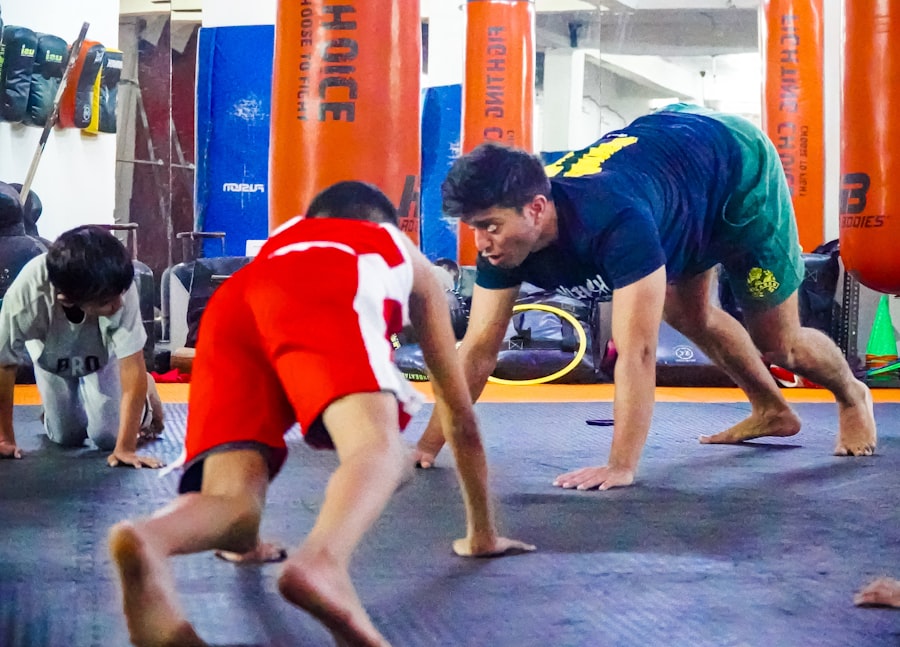
Embarking on a strength training journey requires a well-considered plan. Think of it as constructing a building; you need a blueprint before you start laying bricks. While specific programs should be tailored by a professional, understanding the fundamental components will empower you to make informed decisions.
Frequency and Intensity
For most seniors, beginning with two to three strength training sessions per week is ideal, allowing adequate time for muscle recovery. Intensity should be challenging but not overwhelming. You should feel that the last few repetitions of an exercise are difficult to complete with good form. This “progressive overload” is the catalyst for muscle adaptation and growth.
Exercise Selection: Targeting Major Muscle Groups
Your program should be comprehensive, targeting all major muscle groups. You don’t need to isolate every single muscle; compound exercises, which involve multiple joints and muscle groups, are particularly efficient and functional.
- Lower Body:
- Squats (modified or chair squats): Excellent for quadriceps, hamstrings, and glutes, crucial for standing, walking, and climbing stairs.
- Lunges (modified or assisted): Improves balance and strengthens individual legs.
- Calf Raises: Essential for walking stability and ankle strength.
- Upper Body:
- Push-ups (wall or knee push-ups): Strengthens chest, shoulders, and triceps, important for pushing open doors or getting up from the floor.
- Rows (resistance band or dumbbell rows): Strengthens back and biceps, crucial for pulling objects or maintaining good posture.
- Overhead Press (light dumbbells or bands): Strengthens shoulders, essential for reaching overhead.
- Core:
- Planks (modified on knees or forearms): Strengthens the entire core, crucial for spinal stability and balance.
- Bird-Dog: Improves core stability and coordination.
- Dead Bug: Gentle core exercise focusing on controlled movement.
Repetitions, Sets, and Rest
A common recommendation for seniors is to perform 8-12 repetitions per set, for 1-3 sets of each exercise. The last few reps should be challenging. Rest for 60-90 seconds between sets to allow for partial recovery. As you get stronger, you can gradually increase the resistance, the number of repetitions, or the number of sets.
Progressive Overload: The Engine of Progress
This principle is fundamental to any strength training program. To continue getting stronger, you must gradually increase the demands placed on your muscles. This can be achieved by:
- Increasing the weight or resistance.
- Increasing the number of repetitions.
- Increasing the number of sets.
- Reducing the rest time between sets (for endurance).
- Performing exercises more slowly and with greater control.
Safety First: Essential Considerations for Seniors
Safety is paramount in any exercise endeavor, and particularly so for seniors. Your body has accumulated a lifetime of experiences, and respect for its current capabilities is crucial. Approach strength training with a mindset of gradual progression and attentive self-monitoring.
Consultation with Healthcare Professionals
Before embarking on any new exercise program, it is imperative to consult with your physician. They can assess your current health status, identify any pre-existing conditions, and provide guidance on appropriate exercise modifications. This is not about seeking permission; it is about gathering vital information to ensure your safety and optimize your results.
- Medical History Review: Inform your doctor about any chronic conditions (e.g., heart disease, osteoporosis, arthritis), medications you are taking, and any past injuries.
- Physical Limitations: Discuss any joint pain, mobility issues, or balance concerns you may have. Your doctor can advise on which exercises to avoid or modify.
- Personalized Recommendations: Your doctor may recommend specific types of exercises or refer you to a physical therapist or exercise physiologist for a more personalized assessment and program design.
Proper Form and Technique
This cannot be overstressed. Incorrect form is the most common cause of injury. Focus on controlled movements, engaging the target muscles, rather than simply moving the weight. Think quality over quantity.
- Seek Qualified Guidance: Consider working with a certified personal trainer specializing in senior fitness, at least initially. They can teach you proper form, provide real-time feedback, and help you adapt exercises.
- Start with Bodyweight or Light Resistance: Master the movement pattern without added resistance first. Once you have good form, gradually introduce light dumbbells, resistance bands, or machines.
- Control the Movement: Avoid jerky or momentum-driven movements. Lift and lower weights slowly and with control.
- Listen to Your Body: Pay attention to any pain. A little muscle soreness after a workout is normal, but sharp pain is a warning sign to stop.
Warm-up and Cool-down
Often neglected, these phases are crucial for preparing your body for exercise and aiding in recovery.
- Warm-up: Begin with 5-10 minutes of light cardiovascular activity (e.g., walking, cycling) to increase blood flow and warm up your muscles. Follow with dynamic stretches (e.g., arm circles, leg swings) to improve joint mobility.
- Cool-down: After your strength training, dedicate 5-10 minutes to static stretching, holding each stretch for 20-30 seconds. This helps improve flexibility and reduce post-exercise soreness.
Hydration and Nutrition
Adequate hydration and proper nutrition are the foundation upon which your strength gains are built.
- Stay Hydrated: Drink water before, during, and after your workouts. Dehydration can impair performance and increase fatigue.
- Protein Intake: Ensure you consume sufficient protein, especially after workouts, to support muscle repair and growth. Lean meats, fish, eggs, dairy, and plant-based proteins are excellent sources.
- Balanced Diet: Focus on a balanced diet rich in whole foods, fruits, vegetables, and healthy fats to provide the energy and nutrients your body needs.
Staying independent as we age is crucial, and one effective way to achieve this is through senior strength training. Engaging in regular strength exercises can enhance muscle mass, improve balance, and boost overall mobility, allowing seniors to maintain their daily activities with ease. For more insights on how to incorporate strength training into your routine and its benefits, you can check out this informative article on senior health. By following the tips provided, seniors can empower themselves to lead more active and fulfilling lives. For further reading, visit this article.
Beyond the Gym: Integrating Strength into Daily Life
| Metric | Description | Recommended Value/Goal | Importance for Independence |
|---|---|---|---|
| Muscle Strength | Measure of muscle force, often assessed by grip strength or leg press | Maintain or improve by 10-20% over 3 months | Critical for daily activities like standing, walking, and lifting objects |
| Balance | Ability to maintain body position, tested by single-leg stand or timed up and go | Hold single-leg stand for 30 seconds or more | Reduces risk of falls, supports safe movement |
| Flexibility | Range of motion in joints, assessed by sit-and-reach test | Maintain or improve flexibility to perform daily tasks comfortably | Helps with bending, reaching, and overall mobility |
| Endurance | Ability to sustain physical activity, measured by walking distance or duration | Walk at least 30 minutes continuously, 3-5 times per week | Supports prolonged activity and reduces fatigue |
| Frequency of Strength Training | Number of strength training sessions per week | 2-3 sessions per week | Maintains muscle mass and functional ability |
| Functional Independence Measure (FIM) | Assessment of ability to perform activities of daily living | Score of 100 or higher (out of 126) | Indicates level of independence in daily life |
While structured workouts are essential, the true power of strength training for seniors lies in its ability to enhance your capabilities throughout your day. Think of your muscles as tools; the more finely honed they are, the more effectively you can execute life’s myriad tasks. Integrating strength principles into your daily routines reinforces your progress and makes fitness a seamless part of your lifestyle.
Functional Strength: Moving with Purpose
Functional strength is about building the muscle and coordination needed for real-life activities. Your workouts should mimic movements you perform regularly.
- Carrying Groceries: Practice carrying weights (e.g., dumbbells, kettlebells) in ways that simulate grocery bags.
- Getting Up from a Chair: Incorporate chair squats into your routine. This directly strengthens the muscles needed for repeatedly rising from a seated position.
- Reaching for Objects Overhead: Practice overhead presses with light weights or resistance bands to improve your ability to access items from high shelves.
- Gardening and Housework: These activities inherently involve lifting, bending, and pushing. Focus on mindful movement, engaging your core, and using proper lifting techniques to minimize strain.
Active Lifestyle Choices
Beyond formal exercise, consciously choose to be more active throughout your day. These small choices accumulate into significant benefits.
- Take the Stairs: Whenever possible, opt for stairs over elevators or escalators. It’s a simple, effective way to work your leg muscles.
- Walk More: Park further away, walk to nearby shops, or incorporate dedicated walks into your daily schedule.
- Stand More: Reduce prolonged sitting. Stand up and move around every 30-60 minutes.
- Engage in Hobbies: Activities like dancing, hiking, swimming, or even active volunteering contribute to overall fitness and keep your muscles engaged.
Mind-Muscle Connection: The Power of Awareness
As you go about your day, cultivate an awareness of your body and how your muscles are working. This “mind-muscle connection” can deepen the benefits of both your formal workouts and your everyday movements.
- Conscious Engagement: When lifting an object, consciously engage your core and leg muscles, rather than straining your back.
- Posture Awareness: Throughout the day, periodically check your posture. Engage your back and abdominal muscles to stand or sit tall.
- Controlled Movements: Avoid rushing. Perform daily tasks with control and precision, minimizing jerky or uncoordinated motions.
In your senior years, independence is a precious commodity, a tapestry woven from your physical capabilities, mental acuity, and emotional resilience. Strength training is not merely an optional activity; it is a vital thread in that tapestry, fortifying your body and spirit against the inevitable wear and tear of time. By understanding the principles, committing to a safe and progressive program, and integrating strength into your daily life, you are not just exercising; you are actively safeguarding your autonomy, ensuring that you remain the architect of your own vibrant and fulfilling life. The choice to engage, to strengthen, is a choice to empower yourself, allowing you to navigate the path ahead with confidence, vitality, and enduring independence.
FAQs
What are the benefits of strength training for seniors?
Strength training helps seniors maintain muscle mass, improve bone density, enhance balance and coordination, reduce the risk of falls, and support overall independence in daily activities.
How often should seniors engage in strength training exercises?
It is generally recommended that seniors perform strength training exercises at least two to three times per week, allowing rest days in between to promote muscle recovery.
What types of strength training exercises are safe for seniors?
Safe exercises for seniors include bodyweight movements, resistance band exercises, light free weights, and machine-based workouts, all tailored to individual fitness levels and health conditions.
Can strength training help seniors with chronic conditions?
Yes, strength training can improve mobility, reduce symptoms, and enhance quality of life for seniors with chronic conditions such as arthritis, osteoporosis, and diabetes, but it should be done under medical guidance.
How can seniors stay motivated to maintain a strength training routine?
Setting realistic goals, tracking progress, working with a fitness professional, joining group classes, and focusing on the benefits of increased independence can help seniors stay motivated.