
As you navigate the vibrant landscape of your senior years, maintaining physical fitness is not just a goal; it’s a foundational pillar supporting independence, vitality, and a richer quality of life. Your body, a finely tuned instrument that has served you for decades, still possesses remarkable resilience and a capacity for improvement. Nutrition plays a critical role in this endeavor, acting as the fuel that powers your movements and the building blocks for your well-being. Among the most powerful allies in your senior fitness arsenal are whole grains. Often overlooked in favor of more “exciting” superfoods, whole grains are the quiet workhorses of a healthy diet, providing sustained energy, essential nutrients, and a protective shield against age-related ailments. This article will guide you through the top whole grains that can significantly bolster your fitness journey, offering tangible benefits that will resonate through your daily activities and long-term health.
Imagine your energy levels as a carefully managed reservoir. Processed grains, refined and stripped of their natural goodness, are akin to a leaky faucet, offering quick bursts of energy followed by a rapid depletion. Whole grains, on the other hand, are like a well-constructed dam, releasing their energy slowly and steadily throughout the day. This consistent release is crucial for seniors, as it helps to combat fatigue, improve endurance during physical activities, and maintain mental alertness.
The Role of Complex Carbohydrates
The primary reason behind this sustained energy release lies in the complex carbohydrate structure of whole grains. Unlike simple sugars, which are quickly absorbed into the bloodstream leading to sugar spikes and crashes, complex carbohydrates require more time and effort for your body to break down. This digestion process releases glucose gradually, providing a steady and reliable source of fuel for your muscles and brain. For your fitness goals, this means you can exercise for longer periods without feeling prematurely drained and recover more efficiently between workouts.
Fiber: The Slow-Burn Engine
A significant component of whole grains is their abundant dietary fiber. Fiber acts as a gatekeeper in your digestive system, slowing down the absorption of sugar. This is particularly beneficial for seniors who may be managing blood sugar levels or are at risk of developing type 2 diabetes. When your blood sugar remains stable, your energy levels follow suit. Furthermore, fiber contributes to satiety, meaning you feel fuller for longer. This can be invaluable for weight management, a key aspect of overall fitness, as it helps to curb impulsive snacking and promote healthier eating habits.
Micronutrients: The Essential Lubricants
Beyond carbohydrates and fiber, whole grains are also packed with essential micronutrients, including B vitamins, iron, magnesium, and selenium. These vitamins and minerals act as critical lubricants in the machinery of your body. B vitamins, for instance, are vital for energy metabolism, converting the food you eat into usable energy. Iron is essential for transporting oxygen to your muscles, a fundamental requirement for any physical activity. Magnesium supports muscle function and nerve transmission, while selenium acts as an antioxidant, protecting your cells from damage. Collectively, these micronutrients ensure your body operates smoothly and efficiently, enhancing your physical performance and overall resilience.
For older adults looking to enhance their fitness through nutrition, incorporating whole grains into their diet can be incredibly beneficial. A related article that provides valuable insights on this topic is available at Explore Senior Health, which discusses the best whole grains for promoting health and wellness in older adults. You can read more about it by visiting Explore Senior Health. This resource offers practical tips and information on how whole grains can support an active lifestyle and improve overall well-being.
Oats: The Heart’s Best Friend and Your Energy Foundation
Oats, in their most basic form, are a powerhouse of nutrition and a universally accessible whole grain. Their versatility in the kitchen makes them an easy and enjoyable addition to any senior’s diet, laying a solid foundation for sustained energy and cardiovascular health.
Soluble Fiber (Beta-Glucans): The Cholesterol Regulator
The star player in oats, particularly when it comes to heart health, is its high content of soluble fiber, specifically beta-glucans. These remarkable compounds have a well-documented ability to bind with cholesterol in your digestive tract, preventing its absorption into the bloodstream. For seniors, this is a critical defense mechanism against cardiovascular disease, a leading concern. By helping to lower LDL (“bad”) cholesterol levels, oats contribute to healthier blood vessels, improving circulation and reducing the risk of heart attacks and strokes. This translates to more robust circulation during your walks, swims, or any other physical pursuit, allowing your muscles to receive the oxygen and nutrients they need more effectively.
Gradual Blood Sugar Impact: Consistent Fueling
Beyond cholesterol management, the beta-glucans in oats also contribute to their favorable impact on blood sugar. They slow down the rate at which glucose enters your bloodstream after a meal, preventing drastic spikes and subsequent crashes. This slow and steady release of sugar ensures a consistent supply of energy, enabling you to maintain your activity levels without experiencing energy dips. Think of it as a finely tuned engine that hums along smoothly, rather than one that sputters and stalls. This consistent fueling is paramount for seniors aiming to build stamina and avoid the fatigue that can derail fitness routines.
Prebiotic Properties: Nurturing Your Inner Ecosystem
Oats also serve as a prebiotic, meaning they feed the beneficial bacteria in your gut. A healthy gut microbiome is increasingly recognized for its profound impact on overall health, including immune function and even mental well-being. When your gut is thriving, your body is better equipped to absorb nutrients from all the foods you eat, including other whole grains, and to fight off illness. This enhanced nutrient absorption means that the vitamins and minerals you consume are more readily available to support your muscles and energy production, further fortifying your fitness efforts.
Culinary Versatility: Making it Effortless
One of oats’ most significant advantages is their incredible adaptability in the kitchen. Whether you prefer a warm bowl of oatmeal for breakfast, rolled oats baked into savory muffins, or added to smoothies for an extra fiber boost, oats can be incorporated into a variety of meals and snacks. This ease of preparation and diverse culinary applications makes them an appealing and sustainable choice for ongoing dietary inclusion, ensuring that you can consistently reap their benefits without feeling restricted or bored.
Quinoa: The Complete Protein Powerhouse for Muscle Repair
Quinoa, often mistakenly categorized as a grain, is actually a seed that is prepared and consumed like a cereal grain. Its remarkable nutritional profile, particularly its status as a complete protein, makes it an exceptional choice for seniors focused on muscle maintenance and repair, crucial elements for maintaining strength and mobility.
Complete Protein: The Building Blocks of Muscle
Unlike most plant-based foods, quinoa is a complete protein source, meaning it contains all nine essential amino acids that your body cannot produce on its own. Amino acids are the fundamental building blocks of proteins, and proteins are the essential components of muscle tissue. For seniors, muscle mass can decline with age, a process known as sarcopenia. Consuming adequate protein, especially complete protein sources like quinoa, is vital for preserving and even rebuilding muscle mass. This is the literal scaffolding that supports your movement and strength, allowing you to perform daily tasks with ease and engage in activities that promote your fitness.
Amino Acid Profile: Essential for Recovery
The specific amino acid profile of quinoa is particularly beneficial for muscle repair and recovery. Lysine, for instance, an amino acid often deficient in other grains, is present in good amounts in quinoa, playing a key role in tissue repair. After physical activity, your muscle fibers experience micro-tears. The amino acids from quinoa can then be efficiently utilized by your body to rebuild and strengthen these fibers, leading to faster recovery and improved performance in subsequent workouts. This means you bounce back quicker from your exercise sessions, allowing you to maintain a consistent training schedule without prolonged soreness or fatigue.
Rich in Minerals: Supporting Cellular Function
Beyond protein, quinoa is also a good source of several important minerals that support overall cellular function and energy production. It contains magnesium, which is crucial for muscle contraction and relaxation, and phosphorus, which is vital for bone health and energy metabolism. It also provides iron, essential for oxygen transport, and zinc, which plays a role in immune function and protein synthesis. These minerals work in concert with the protein to ensure your muscles are not only built but also function optimally, contributing to your overall physical capacity and resilience.
Gluten-Free Alternative: Broadening Dietary Options
For seniors who may have gluten sensitivities or celiac disease, quinoa offers a delicious and nutritious gluten-free alternative to traditional grains. This inclusivity ensures that a broader range of individuals can benefit from the muscle-building and energy-sustaining properties of whole foods, expanding the possibilities for a balanced and effective senior fitness regimen.
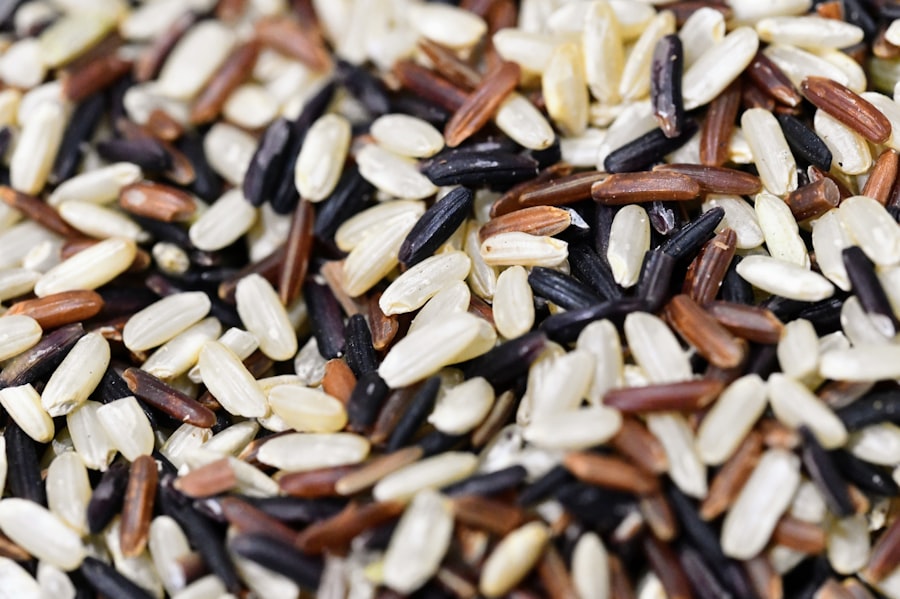
Brown Rice: The Fiber-Rich Staple for Digestive Health and Steady Energy

Brown rice stands as a testament to the power of unprocessed food. By simply leaving the bran and germ intact, a world of nutritional benefits unfolds, making it a cornerstone for seniors seeking to fortify their digestive system and maintain a steady flow of energy.
Bran and Germ: The Nutrient Powerhouses
The distinct difference between brown rice and its refined counterpart, white rice, lies in the presence of the bran and germ layers. The bran layer is rich in fiber, B vitamins, and minerals like magnesium and phosphorus. The germ, the embryo of the rice kernel, contains healthy fats, vitamins, and antioxidants. It is within these layers that the true nutritional value of brown rice resides. When you consume whole brown rice, you are ingesting a complete package of nutrients that work synergistically to support your body. Think of it as receiving the entire fruit, not just the sugary pulp, providing a more holistic nutritional benefit.
Digestive Health Champion: Promoting Regularity
The high fiber content in the bran of brown rice is a significant boon for digestive health. Fiber adds bulk to your stool, promoting regularity and preventing constipation, a common concern for seniors. A well-functioning digestive system is not just about comfort; it’s about efficient nutrient absorption. When your digestive tract is working optimally, your body can extract and utilize the vitamins, minerals, and other beneficial compounds from all the foods you eat, including other whole grains, more effectively. This enhanced nutrient uptake directly contributes to better energy levels and overall well-being.
Glycemic Index: A Controlled Release of Energy
Compared to white rice, brown rice has a lower glycemic index. This means that the carbohydrates in brown rice are digested and absorbed more slowly, leading to a more gradual rise in blood sugar levels. This controlled release of glucose provides sustained energy throughout the day, preventing the sharp spikes and subsequent crashes often associated with refined carbohydrates. For seniors, this steady energy supply is invaluable for maintaining stamina during physical activities and avoiding the fatigue that can limit engagement in fitness pursuits. It’s like driving a car with a smoothly operating transmission, ensuring consistent power delivery without jarring shifts.
Versatile Base for Meals
Brown rice serves as a highly adaptable base for a wide array of dishes. It can be incorporated into stir-fries, served as a side dish, or used as the foundation for wholesome bowls. Its nutty flavor and slightly chewy texture add depth and satisfaction to meals, making it an enjoyable and easy-to-integrate staple into a senior’s diet. This consistent presence in your meals ensures you are regularly providing your body with the sustained energy and digestive support it needs.
Incorporating whole grains into the diet can significantly enhance fitness and overall health for older adults. A recent article highlights the best whole grains that not only provide essential nutrients but also support energy levels and digestion. For those interested in learning more about how these grains can benefit senior health, you can read the full article here. By making informed dietary choices, older adults can improve their physical well-being and maintain an active lifestyle.
Barley: The Versatile Grain for Gut Health and Blood Sugar Balance
| Whole Grain | Key Nutrients | Benefits for Older Adults | Recommended Serving Size | Glycemic Index |
|---|---|---|---|---|
| Oats | Fiber, Beta-glucan, Magnesium, Protein | Supports heart health, improves digestion, stabilizes blood sugar | 1/2 cup (dry) | 55 |
| Quinoa | Complete protein, Fiber, Iron, Magnesium | Promotes muscle maintenance, supports bone health, aids metabolism | 1/2 cup (cooked) | 53 |
| Brown Rice | Fiber, Manganese, Selenium, Magnesium | Enhances energy metabolism, supports cardiovascular health | 1/2 cup (cooked) | 50 |
| Barley | Fiber, Selenium, B vitamins, Magnesium | Improves cholesterol levels, supports digestive health | 1/2 cup (cooked) | 28 |
| Buckwheat | Fiber, Protein, Magnesium, Antioxidants | Supports blood pressure regulation, promotes muscle function | 1/2 cup (cooked) | 54 |
Barley, often overshadowed by more popular grains, is a nutritional powerhouse with a particular talent for promoting gut health and maintaining stable blood sugar levels. Its soluble fiber content makes it a noteworthy ally for seniors focused on overall well-being and sustained energy.
Beta-Glucans: The Gut’s Best Friend
Similar to oats, barley is exceptionally rich in beta-glucans, a type of soluble fiber that has remarkable benefits for gut health. These fibers act as a prebiotic, feeding the beneficial bacteria in your digestive system. A healthy gut microbiome is linked to a stronger immune system, improved nutrient absorption, and even enhanced mood. By nurturing this internal ecosystem, barley helps to ensure your body is optimized to utilize the nutrients from all your dietary sources, further supporting your fitness endeavors by maximizing energy conversion and immune resilience.
Blood Sugar Sensation: The Slow and Steady Approach
The beta-glucans in barley also play a significant role in moderating blood sugar levels. They slow down the digestion and absorption of carbohydrates, leading to a more gradual increase in blood glucose after meals. This is crucial for seniors who are managing or seeking to prevent type 2 diabetes. By avoiding rapid sugar spikes and the subsequent dips, you can experience more stable energy levels throughout the day, enabling you to engage in physical activities with consistent vigor and avoid the fatigue that can arise from blood sugar fluctuations. This predictable energy release allows you to approach your fitness routine with confidence and sustained effort.
Heart Health Advantages: A Double Whammy of Fiber
Beyond its impact on blood sugar and gut health, barley’s beta-glucans also contribute to cardiovascular well-being by helping to lower LDL (“bad”) cholesterol. This dual action of supporting both gut and heart health makes barley a truly comprehensive whole grain for seniors. Improved heart health translates to better circulation, which means your muscles receive more oxygen and nutrients during exercise, enhancing your performance and endurance.
Culinary Adaptability: From Soups to Salads
Barley’s dense texture and slightly nutty flavor make it a versatile ingredient in the kitchen. It can be used to thicken soups and stews, added to salads for a satisfying chew, or even cooked as a pilaf. Its inclusion in diverse dishes allows you to consistently benefit from its gut-promoting and blood-sugar-balancing properties without feeling limited in your culinary choices.
Whole Wheat: The Enduring Staple for Digestive Regularity and Sustained Performance
Whole wheat, a long-standing dietary staple, continues to hold its ground as an essential whole grain for seniors due to its significant contribution to digestive health and its role in providing sustained energy for daily activities.
Fiber: The Constipation Conqueror
The most prominent benefit of whole wheat lies in its substantial dietary fiber content, primarily found in the bran. This fiber is instrumental in promoting bowel regularity, a critical aspect of well-being for many seniors. By adding bulk to stool and facilitating its passage, whole wheat helps to prevent constipation and promotes a healthy digestive system. A well-functioning digestive tract is paramount for efficient nutrient absorption, ensuring that the energy and essential building blocks from your diet are made available to your muscles and body to support your fitness goals.
Bran and Germ: A Treasure Trove of Nutrients
As with other whole grains, the bran and germ of the wheat kernel are where the nutritional richness lies. The bran provides a wealth of B vitamins, minerals like magnesium and iron, and antioxidants. The germ, the embryo of the seed, contains healthy fats, more vitamins, and additional antioxidants. Together, these components offer a comprehensive nutritional profile that supports overall health and energy production. This complete nutritional package means you’re not just getting carbohydrates for energy, but a supportive team of micronutrients to ensure that energy is produced efficiently and that your body’s systems are operating smoothly.
Sustained Energy Release: Fuelling Your Activities
The complex carbohydrates in whole wheat are digested more slowly than those in refined grains. This slower digestion leads to a more gradual release of glucose into the bloodstream, providing a steady and sustained supply of energy. For seniors engaged in fitness activities, this translates to enhanced endurance and a reduced likelihood of experiencing energy slumps. Whether you’re going for a brisk walk, participating in a gentle exercise class, or simply navigating your daily tasks, whole wheat helps to keep your energy levels consistent, allowing for prolonged engagement and improved performance.
Versatile and Accessible: An Everyday Ally
Whole wheat flour and products made from it are widely available and integrated into a multitude of foods, from bread and pasta to crackers and cereals. This accessibility makes it incredibly easy to incorporate whole wheat into your daily diet. Choosing whole wheat bread over white bread, opting for whole wheat pasta, or choosing whole grain cereal for breakfast are simple yet impactful dietary adjustments that can significantly contribute to your senior fitness journey. Its commonality makes it an unassuming but powerful ally in your quest for sustained energy and digestive well-being.
FAQs
What are whole grains and why are they important for older adults?
Whole grains contain all parts of the grain kernel—the bran, germ, and endosperm—providing essential nutrients like fiber, vitamins, and minerals. For older adults, consuming whole grains supports digestive health, helps maintain steady energy levels, and can reduce the risk of chronic diseases such as heart disease and type 2 diabetes.
Which whole grains are considered best for older adult fitness?
Some of the best whole grains for older adults include oats, quinoa, brown rice, barley, and whole wheat. These grains offer a good balance of complex carbohydrates, protein, fiber, and micronutrients that support muscle maintenance, energy, and overall health.
How do whole grains benefit muscle health and physical fitness in older adults?
Whole grains provide complex carbohydrates for sustained energy and contain protein and essential nutrients like magnesium and B vitamins that aid muscle function and recovery. Their fiber content also helps regulate blood sugar and supports cardiovascular health, which is important for maintaining physical fitness.
How much whole grain should older adults consume daily?
Health guidelines generally recommend that at least half of all grain intake come from whole grains. For older adults, this typically means consuming about 3 to 6 servings of whole grains per day, depending on individual calorie needs and activity levels.
Are there any considerations or precautions when adding whole grains to an older adult’s diet?
Older adults should introduce whole grains gradually to allow their digestive system to adjust and drink plenty of water to aid fiber digestion. Those with specific health conditions, such as celiac disease or gluten sensitivity, should choose gluten-free whole grains like quinoa or brown rice. Consulting a healthcare provider or dietitian is advisable for personalized recommendations.