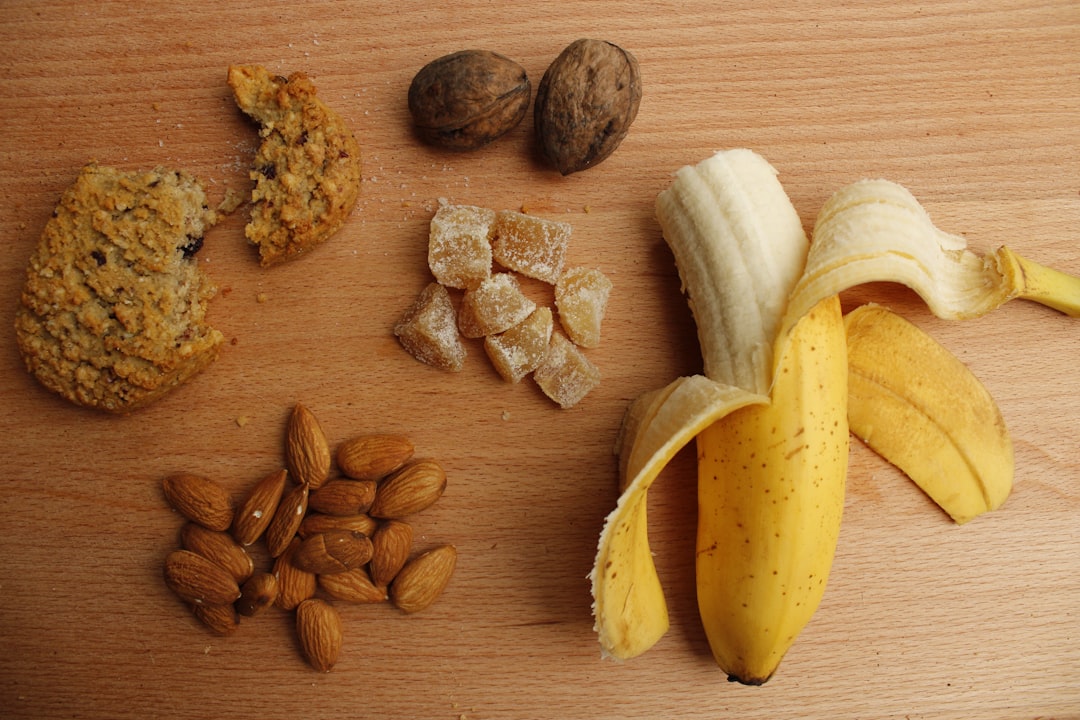
Maintaining independence as you age is a common aspiration, and nutrition plays a critical, often underestimated, role in achieving this goal. It’s not merely about eating; it’s about strategically fueling your body and mind to sustain your physical and cognitive faculties. Think of your body as a complex machine, and proper nutrition as the high-grade fuel and meticulous maintenance it requires to run smoothly and efficiently for years to come. Neglecting this aspect can lead to a cascade of health issues that erode your ability to live independently.
Macronutrients are the cornerstones of your diet, providing the bulk of the energy your body needs to perform daily functions. Understanding their roles and ensuring adequate intake is paramount for senior independence.
Protein: The Builder and Repairer
Protein is more than just muscle fuel; it’s the architect of your body. As you age, you experience a natural decline in muscle mass, a phenomenon known as sarcopenia. This loss of muscle directly impacts your strength, mobility, and balance, increasing your risk of falls and reducing your capacity for everyday tasks like carrying groceries or climbing stairs.
- Muscle Maintenance and Growth: Adequate protein intake helps counteract sarcopenia by stimulating muscle protein synthesis. Aim for lean protein sources such as poultry, fish, eggs, legumes, and dairy products.
- Immune System Support: Protein is vital for producing antibodies and immune cells, bolstering your body’s defenses against infections. A robust immune system is crucial for a swift recovery from illness and preventing complications that can compromise independence.
- Bone Health: Along with calcium and vitamin D, protein contributes to bone density. Strong bones are resistant to fractures, a common and debilitating injury among older adults.
- Wound Healing: Protein is essential for tissue repair, promoting faster healing of cuts, bruises, and surgical wounds. This is critical for maintaining skin integrity and preventing complications.
Carbohydrates: The Primary Fuel Source
Carbohydrates are your body’s preferred source of energy, especially for your brain and muscles. However, not all carbohydrates are created equal. Focus on complex carbohydrates, which provide a steady release of glucose, preventing energy crashes and promoting sustained activity.
- Sustained Energy: Complex carbohydrates, found in whole grains, fruits, and vegetables, are digested slowly, providing a consistent energy supply throughout the day. This prevents fatigue and supports continued physical and mental activity.
- Brain Function: Glucose is the primary fuel for your brain. Sufficient intake of complex carbohydrates ensures optimal cognitive function, including memory, focus, and problem-solving.
- Fiber Intake: Many complex carbohydrate sources are rich in fiber, which is crucial for digestive health. Fiber prevents constipation, a common issue in older adults, and contributes to a healthy gut microbiome.
Fats: Essential for Absorption and Energy Storage
Dietary fats are often demonized, but they are essential for numerous bodily functions. The key is to choose healthy fats and consume them in moderation. Healthy fats contribute to cell structure, hormone production, and the absorption of fat-soluble vitamins.
- Vitamin Absorption: Fat-soluble vitamins (A, D, E, K) require dietary fat for proper absorption. These vitamins are critical for vision, bone health, immune function, and antioxidant protection.
- Energy Reserve: Fats provide a concentrated source of energy, serving as a backup fuel supply. This is particularly important during periods of reduced food intake or increased energy demands.
- Cell Membrane Integrity: Healthy fats are integral components of cell membranes, which are crucial for cell signaling and overall cellular function.
- Inflammation Reduction: Omega-3 fatty acids, found in fatty fish, flaxseeds, and walnuts, possess anti-inflammatory properties. Chronic inflammation can contribute to various age-related diseases that impair independence.
Maintaining independence in senior years is closely tied to proper nutrition, as it plays a crucial role in overall health and well-being. For those interested in exploring this topic further, a related article can be found at Explore Senior Health, which delves into nutritional secrets that can empower seniors to lead healthier, more independent lives. By understanding the importance of balanced diets and specific nutrients, seniors can enhance their vitality and quality of life.
The Micro-Managers: Vitamins and Minerals
While macronutrients provide the fuel, vitamins and minerals are the essential sparks that ignite countless biochemical reactions in your body. They are the intricate mechanisms that allow your machine to operate at its best.
Vitamin D and Calcium: The Bone Architects
Vitamin D and calcium work synergistically to maintain bone health, a critical factor for preventing falls and fractures, which can severely compromise your independence.
- Bone Density: Calcium is the primary structural component of bones, while vitamin D facilitates its absorption from the gut. Together, they are instrumental in preventing osteoporosis, a condition characterized by brittle bones.
- Muscle Function: Vitamin D also plays a role in muscle strength and coordination, further reducing the risk of falls.
- Immune System Modulation: Emerging research indicates vitamin D’s broader role in immune function, potentially reducing susceptibility to infections.
B Vitamins: The Energy Catalysts
The B vitamins are a complex group involved in converting food into energy, supporting nerve function, and red blood cell formation.
- Energy Metabolism: B vitamins, particularly B6, B12, and folate, are crucial coenzymes in energy production pathways. Their deficiency can lead to fatigue and reduced physical endurance.
- Nerve Function: Vitamin B12 is essential for maintaining the myelin sheath, which insulates nerve fibers and ensures efficient nerve signal transmission. Deficiency can lead to neurological issues, including cognitive decline and peripheral neuropathy.
- Cognitive Health: Adequate intake of B vitamins, especially B12 and folate, is linked to better cognitive function and may reduce the risk of cognitive impairment.
Antioxidants: The Cellular Protectors
Vitamins C and E, along with other compounds like selenium and carotenoids, act as antioxidants, neutralizing harmful free radicals that contribute to cellular damage and aging.
- Cellular Protection: Free radicals are unstable molecules that can damage cells, DNA, and proteins, contributing to chronic diseases and the aging process. Antioxidants act as a protective shield for your cells.
- Immune System Boost: Vitamin C, in particular, is a potent antioxidant that supports immune function, helping you ward off infections.
- Vision Health: Antioxidants like lutein and zeaxanthin are concentrated in the eyes and help protect against age-related macular degeneration, a leading cause of vision loss.
Hydration: The Lifeblood of Your System

Water is often overlooked in nutritional discussions, yet it is as vital as any nutrient. Your body, much like the Earth, is composed predominantly of water, and maintaining adequate hydration is non-negotiable for senior independence. Dehydration can manifest in subtle ways but has profound impacts on your physical and cognitive faculties.
Cognitive Function and Mood
Even mild dehydration can impair your cognitive function, leading to decreased concentration, impaired memory, and confusion. It can also negatively affect your mood, making you feel irritable or lethargic. Staying hydrated keeps your mental gears well-oiled.
Physical Performance and Mobility
Water is essential for joint lubrication, muscle function, and regulating body temperature. Dehydration can lead to muscle cramps, reduced strength, and an increased risk of falls due to impaired coordination and balance. Think of your joints as hinges; without adequate lubrication (water), they become stiff and less efficient.
Digestive Health and Kidney Function
Adequate water intake aids in digestion, preventing constipation, a common ailment among older adults. It also supports kidney function, helping your body flush out waste products efficiently. Your kidneys are like filtering systems, and they need a continuous flow to maintain optimal performance.
Preventing Heat Exhaustion and Urinary Tract Infections
Older adults are more susceptible to dehydration and heat-related illnesses. Consistent hydration helps your body regulate its temperature. Furthermore, proper fluid intake can help prevent urinary tract infections (UTIs), which can be particularly problematic and disorienting for seniors.
Optimizing Digestive Health: The Gut-Brain Connection

Your gut is more than just a digestive organ; it’s a complex ecosystem teeming with microorganisms, collectively known as the gut microbiome. A healthy gut is increasingly recognized as central to overall well-being, influencing everything from nutrient absorption to immune function and even mental clarity. Your gut acts as a second brain, and its health directly impacts your independence.
Fiber: The Gut’s Best Friend
Dietary fiber, both soluble and insoluble, is crucial for maintaining a healthy digestive system.
- Regularity: Insoluble fiber adds bulk to stool, promoting regular bowel movements and preventing constipation. This contributes to comfort and overall digestive health.
- Prebiotic Effects: Soluble fiber acts as a prebiotic, feeding the beneficial bacteria in your gut. A diverse and healthy gut microbiome is associated with improved immune function and reduced inflammation.
- Blood Sugar Control: Soluble fiber can also help regulate blood sugar levels, which is important for preventing or managing type 2 diabetes.
Probiotics: Beneficial Bacteria
Probiotics are live microorganisms that, when consumed in adequate amounts, confer a health benefit to the host.
- Gut Microbiome Balance: Probiotics help to restore and maintain a healthy balance of gut bacteria, especially after antibiotic use or in cases of digestive upset.
- Immune System Modulation: A healthy gut microbiome plays a significant role in modulating your immune system, enhancing your body’s ability to fight off infections.
- Nutrient Absorption: Some probiotic strains can aid in the absorption of certain nutrients, further supporting your overall nutritional status.
- Mental Well-being: Emerging research suggests a strong “gut-brain axis,” where the gut microbiome influences mood, anxiety, and cognitive function. A healthy gut can contribute to greater mental resilience and clarity.
Maintaining nutritional health is crucial for seniors who wish to preserve their independence and quality of life. A related article that delves deeper into this topic can be found at Explore Senior Health, where you can discover various strategies and tips tailored to meet the dietary needs of older adults. By focusing on balanced nutrition, seniors can enhance their physical well-being and support their ability to live independently for longer.
Strategic Eating: Timing and Planning
| Nutrition Aspect | Recommended Intake | Benefits for Senior Independence | Sources |
|---|---|---|---|
| Protein | 1.0-1.2 grams per kg body weight/day | Maintains muscle mass and strength, supports mobility | Lean meats, beans, dairy, nuts |
| Calcium | 1,200 mg/day | Supports bone health, reduces fracture risk | Dairy products, leafy greens, fortified foods |
| Vitamin D | 800-1,000 IU/day | Enhances calcium absorption, improves muscle function | Sunlight, fatty fish, fortified milk |
| Fiber | 21-30 grams/day | Promotes digestive health, prevents constipation | Whole grains, fruits, vegetables, legumes |
| Hydration | 1.7-2.0 liters/day | Maintains cognitive function, prevents dehydration | Water, herbal teas, soups |
| Omega-3 Fatty Acids | 250-500 mg EPA/DHA daily | Supports brain health, reduces inflammation | Fatty fish, flaxseeds, walnuts |
| Vitamin B12 | 2.4 mcg/day | Prevents anemia, supports nerve function | Meat, dairy, fortified cereals |
Beyond what you eat, when and how you eat also significantly impact your nutritional status and ability to maintain independence. Think of your eating habits as a finely tuned schedule for your body’s machine.
Regular Meal Patterns
Skipping meals, especially breakfast, can lead to energy dips, poor concentration, and unhealthy snack choices later in the day. Establishing a regular meal pattern helps regulate blood sugar, provides consistent energy, and ensures adequate nutrient intake.
- Consistent Energy Levels: Regular meals prevent extreme hunger and overeating, promoting stable blood sugar and energy throughout the day.
- Appetite Regulation: A consistent eating schedule can help regulate appetite, preventing impulsive, less nutritious food choices.
- Nutrient Distribution: Spreading nutrient intake throughout the day can optimize absorption and utilization by your body.
Nutrient Density over Calorie Density
As you age, your metabolic rate may slow, meaning you might require fewer calories. However, your need for essential nutrients often remains the same or even increases. Focus on nutrient-dense foods that pack a nutritional punch without excessive calories.
- Maximizing Micronutrient Intake: Choose foods rich in vitamins, minerals, and antioxidants per calorie. Examples include leafy greens, berries, lean proteins, and whole grains.
- Weight Management: Nutrient-dense foods are often more filling, aiding in weight management, which is crucial for mobility and reducing the risk of chronic diseases.
- Protecting Against Deficiencies: By prioritizing nutrient density, you reduce the risk of developing micronutrient deficiencies that can compromise your health and independence.
Addressing Appetite Changes and Swallowing Difficulties
Many seniors experience a decrease in appetite, changes in taste perception, or difficulty swallowing (dysphagia). These issues can significantly impact nutritional intake.
- Smaller, Frequent Meals: Offering smaller, more frequent meals or snacks throughout the day can be more manageable for those with reduced appetite.
- Flavor Enhancement: Experiment with herbs, spices, and natural flavorings to make food more appealing for those with altered taste perception.
- Texture Modification: For individuals with dysphagia, modifying food textures (e.g., pureed, minced, or soft foods) can make eating safer and more enjoyable, preventing aspiration.
- Nutrient Fortification: If caloric and nutrient intake remains insufficient, consider nutrient-dense options like fortified drinks or adding protein powder to meals.
In conclusion, nutritional excellence is not a luxury but a fundamental pillar of sustained independence in your senior years. By conscientiously fueling your body with the right macronutrients, micronutrients, and hydration, and by optimizing your digestive health and eating patterns, you are actively investing in your physical vitality, cognitive sharpness, and overall well-being. This proactive approach allows you to thrive, not just survive, and continue engaging meaningfully with the world around you, maintaining the autonomy and quality of life you value.
FAQs
What are the key nutrients seniors need to maintain independence?
Seniors need a balanced intake of protein, calcium, vitamin D, fiber, and healthy fats to support muscle strength, bone health, digestion, and overall energy levels essential for independent living.
How can proper nutrition help prevent age-related health issues?
Good nutrition can reduce the risk of chronic diseases such as osteoporosis, heart disease, diabetes, and cognitive decline by providing antioxidants, vitamins, and minerals that support bodily functions and immune health.
What role does hydration play in senior independence?
Staying well-hydrated is crucial for seniors as it helps maintain cognitive function, prevents urinary tract infections, supports digestion, and reduces the risk of falls caused by dizziness or weakness.
Are there specific dietary recommendations for seniors with limited mobility?
Yes, seniors with limited mobility should focus on nutrient-dense foods that support muscle maintenance and bone health, such as lean proteins, dairy or fortified alternatives, fruits, vegetables, and whole grains, while monitoring calorie intake to avoid weight gain.
How can seniors ensure they get enough nutrients if they have a reduced appetite?
Seniors can eat smaller, more frequent meals rich in nutrients, use supplements if recommended by a healthcare provider, and choose foods that are easy to prepare and digest to meet their nutritional needs despite a reduced appetite.