You are about to embark on a culinary and fitness journey that will reshape your morning routine and, consequently, your physique. This exploration into the realm of overnight oats offers a factual, methodical approach to incorporating this versatile breakfast into your regimen, maximizing its benefits for your fitness objectives. Consider this your tactical briefing, preparing you for strategic implementation.
Your first step in leveraging overnight oats for fitness is to grasp their fundamental nature. Overnight oats are not merely a convenient breakfast; they are a pre-soaked, unheated porridge, typically made with rolled oats, liquid, and various additions. The essence of their utility lies in this preparation method, which distinguishes them significantly from traditional cooked oatmeal. The process of soaking rather than cooking fundamentally alters the oats’ structure and, in turn, their interaction with your digestive system.
The Science of Soaking
When you soak oats overnight, you are initiating enzymatic activity. Phytates, naturally occurring in oats, are broken down during this process. Phytates are antinutrients that can hinder the absorption of essential minerals like iron, zinc, and calcium. By reducing phytate levels, you are, in essence, enhancing the bioavailability of these micronutrients, making your breakfast a more efficient nutrient delivery system. Think of it as priming the engine for optimal performance.
Nutritional Profile of Oats
Oats, particularly whole rolled oats, are a nutritional powerhouse. They are a complex carbohydrate, meaning they release energy slowly and steadily, preventing the insulin spikes often associated with simple carbohydrates. You will find them to be an excellent source of dietary fiber, specifically beta-glucan, a soluble fiber renowned for its cholesterol-lowering properties and its ability to promote satiety. Furthermore, oats provide a significant amount of essential minerals, including manganese, phosphorus, magnesium, copper, iron, and zinc, alongside B vitamins. Your body, much like a complex machine, thrives on this diverse fuel.
Distinguishing Soaked vs. Cooked Oats
The distinctions between soaked and cooked oats are not trivial. While both offer nutritional benefits, the soaking process confers specific advantages. Soaking makes oats easier to digest. The pre-digestion facilitated by enzymatic activity means your digestive system expends less energy breaking down the food, leaving more energy for other bodily functions, including recovery and metabolic processes. Additionally, soaked oats tend to have a creamier texture and can be consumed cold, which is a key factor in their convenience for individuals with demanding schedules. You are essentially pre-processing your fuel for quicker assimilation.
Overnight oats have become a popular choice for fitness enthusiasts looking for a nutritious and convenient breakfast option. They are not only easy to prepare but also packed with essential nutrients that can fuel your workouts and aid in recovery. For those interested in learning more about the best ways to incorporate overnight oats into their fitness routine, a great resource is the article found at Explore Senior Health. This article provides valuable insights and tips on how to customize your overnight oats to meet your dietary needs and enhance your overall health.
Strategic Ingredient Selection: Fueling Your Goals
The true power of overnight oats as a fitness tool emerges from your strategic selection of ingredients. This is where you transform a basic breakfast into a targeted nutritional intervention. Each component you incorporate should align with your specific fitness objectives, whether that’s muscle gain, fat loss, or endurance.
The Oat Base: Your Canvas
Your choice of oat fundamentally impacts texture and nutritional density. Rolled oats are the standard and highly recommended. They absorb liquid effectively, leading to that desirable creamy consistency, and retain their shape well. Steel-cut oats, while more fibrous and with a lower glycemic index, are generally less suitable for overnight soaking due to their dense structure, often requiring a longer soaking time or a light cooking beforehand to soften sufficiently. Instant oats, while convenient, are heavily processed and have a higher glycemic index, making them a less optimal choice for sustained energy release. Consider rolled oats your reliable workhorse, providing consistent performance.
Liquid Vehicles: Hydration and Flavor
The liquid you choose is more than just a solvent; it’s a vehicle for hydration and flavor. Unsweetened almond milk, soy milk, or oat milk are excellent low-calorie, dairy-free options. Dairy milk can also be used and provides additional protein and calcium. For a protein boost, consider incorporating Greek yogurt or a protein shake directly into the liquid base. Water can be used, but it will result in a less flavorful and thinner consistency. The liquid is the river that carries your nutrients forward.
Protein Powerhouses: Muscle Repair and Satiety
For fitness enthusiasts, adequate protein intake is paramount. Overnight oats offer numerous opportunities to integrate protein.
Protein Powder Integration
Adding a scoop of your preferred protein powder (whey, casein, or plant-based) directly into your overnight oats mixture is one of the most effective ways to boost protein content. Casein protein is particularly beneficial for overnight oats due to its slow-digesting nature, providing a sustained release of amino acids throughout the night or morning. This is like building a small dam to regulate the flow of essential amino acids.
Dairy and Dairy Alternatives
Greek yogurt, cottage cheese, and skyr are excellent sources of protein and can dramatically enhance the creaminess and nutritional value of your oats. For dairy-free options, choose fortified plant-based yogurts or silken tofu, which can be blended into the liquid for a smooth texture.
Nut Butters and Seeds
Almond butter, peanut butter, cashew butter, chia seeds, and flax seeds not only add healthy fats but also contribute a modest amount of protein. Chia seeds, in particular, swell significantly, adding volume and a jelly-like texture while providing omega-3 fatty acids and fiber.
Healthy Fats: Satiety and Micronutrient Absorption
Don’t shy away from healthy fats. They are crucial for hormone production, nutrient absorption (especially fat-soluble vitamins A, D, E, K), and promoting satiety, preventing those untimely hunger pangs.
Nuts and Seeds
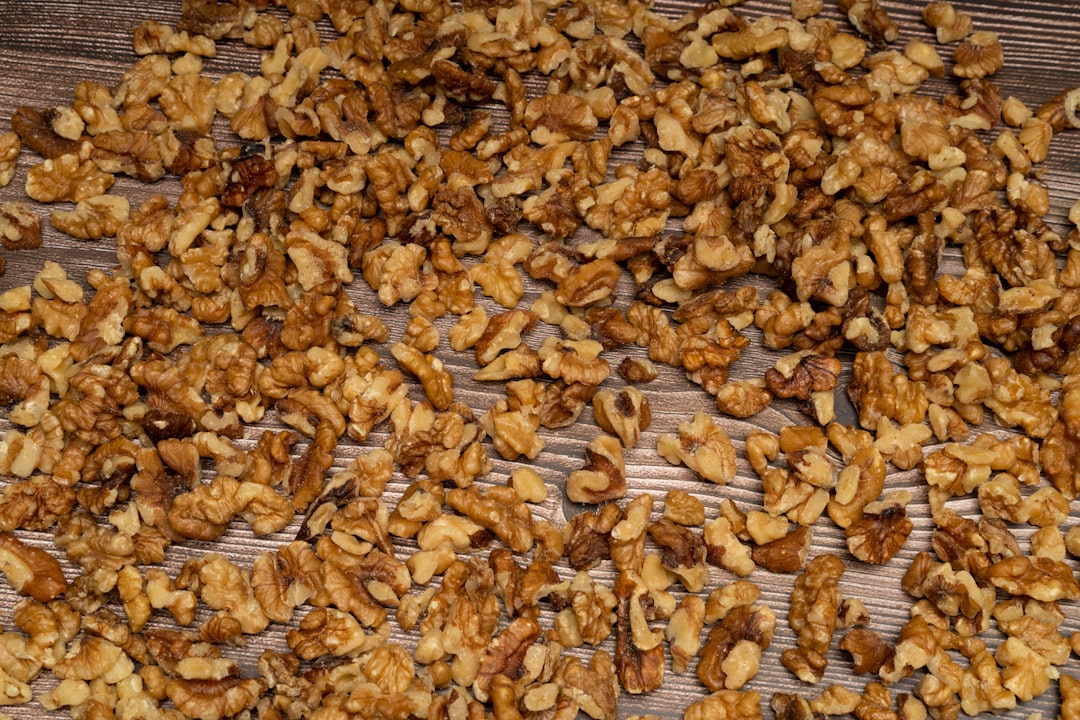
Almonds, walnuts, pecans, chia seeds, flax seeds, and hemp hearts are all excellent additions. They provide a range of healthy monounsaturated and polyunsaturated fats, fiber, and micronutrients. Walnuts, specifically, are rich in omega-3 alpha-linolenic acid (ALA).
Avocado (in moderation)
While unconventional, a small amount of mashed avocado can add a creamy texture and healthy monounsaturated fats. This is an advanced technique for those adventurous in their culinary explorations.
Complex Carbohydrates and Fiber: Sustained Energy
While oats themselves are complex carbohydrates, you can further enhance this aspect for sustained energy release.
Fresh and Frozen Fruits
Berries (strawberries, blueberries, raspberries), bananas, apples, and peaches are excellent choices. They provide natural sweetness, vitamins, minerals, and additional fiber. Berries are particularly rich in antioxidants. Frozen fruits will slowly thaw overnight, releasing their juices and infusing flavor.
Vegetables (unconventional but effective)
Steamed and pureed pumpkin or sweet potato can be incorporated for additional complex carbohydrates, fiber, and vitamins. This is another advanced strategy for those pushing the boundaries of traditional breakfast.
Flavor Enhancers and Superfoods: A Touch of Indulgence and Boost
Even functional food benefits from flavor. These additions elevate your overnight oats from a basic meal to an enjoyable experience.
Spices
Cinnamon, nutmeg, cardamom, and vanilla extract are excellent for adding warmth and depth of flavor without extra calories. Cinnamon, in particular, has been shown to help regulate blood sugar levels.
Cacao Nibs or Powder
For a chocolatey kick and an antioxidant boost, cacao nibs or unsweetened cocoa powder can be added. This is your permissible indulgence.
Green Powders
For an extra micronutrient punch, consider adding a small amount of spirulina, chlorella, or a general greens powder. This is where you supercharge your engine with concentrated nutrients.
The Art of Preparation: Your Overnight Ritual
The preparation of overnight oats is not complex, but adherence to a few key principles will ensure optimal results. Think of this as your procedural manual for consistent excellence.
Standard Ratios: The Golden Rule
A good starting point is a 1:1 ratio of oats to liquid. For example, 1/2 cup of rolled oats to 1/2 cup of milk. This will yield a thick, creamy consistency. If you prefer a thinner consistency, increase the liquid slightly. If you prefer it very thick, decrease the liquid or add more chia seeds, which are powerful liquid absorbers. This ratio is your blueprint for success.
Mixing Techniques: Uniformity is Key
Combine all dry ingredients first, then add wet ingredients. Stir thoroughly to ensure all oats are fully submerged in the liquid and all additions are evenly distributed. This prevents clumping and ensures a uniform texture and flavor throughout. Your stirring is like mixing concrete for a sturdy foundation.
Optimal Soaking Time and Temperature
A minimum of 4-6 hours is sufficient for the oats to soften and for the enzymatic processes to occur. However, overnight (8-12 hours) in the refrigerator is ideal. The cool temperature inhibits bacterial growth while allowing ample time for the oats to absorb the liquid and soften to their optimal creamy texture. Refrigeration is your preservation vault.
Container Choice: Practicality and Portability
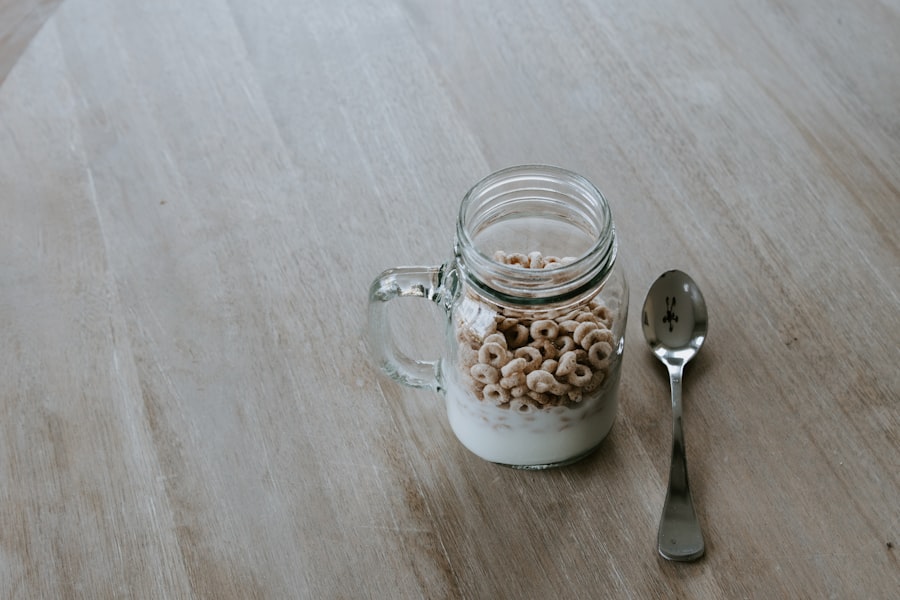
Mason jars (pint-sized are ideal) are popular due to their airtight seal, which keeps the oats fresh, and their portability. Any airtight container will suffice, however. You want a vessel that protects your creation.
Tailoring to Your Fitness Goals: A Customized Approach
Your fitness aspirations dictate the precise composition of your overnight oats. This is where you move from general principles to specific application, fine-tuning your breakfast to act as a precision instrument.
For Muscle Gain: The Anabolic Breakfast
If your goal is muscle hypertrophy, your overnight oats should be calorie-dense and protein-rich.
Increased Protein
Maximize protein by adding 1.5-2 scoops of protein powder, a generous serving of Greek yogurt, and a tablespoon or two of nut butter.
Complex Carbohydrate Boost
Incorporate fruit like bananas or dried fruit for additional carbohydrates and natural sugars to replenish glycogen stores. You can also add cooked quinoa for an extra boost.
Healthy Fats
Don’t skimp on nuts and seeds for additional calories and healthy fats to support hormone production.
For Fat Loss: The Satiating Powerhouse
When aiming for fat loss, focus on fiber, protein, and controlled portions to promote satiety and manage calorie intake.
High Fiber Emphasis
Prioritize chia seeds, flax seeds, and berries for their high fiber content, which helps you feel full for longer.
Lean Protein Sources
Use sugar-free protein powder, high-protein plant-based milk, or fat-free Greek yogurt to maximize protein without excessive calories.
Portion Control
Be meticulous with portion sizes of calorie-dense ingredients like nut butters. Measure accurately.
Reduced Sweeteners
Avoid added sugars. Rely on the natural sweetness of fruits and spices like cinnamon.
For Endurance Athletes: Sustained Energy Release
Endurance athletes require a steady supply of complex carbohydrates for sustained energy, alongside protein for recovery.
Carbohydrate Loading
Increase the oat base and incorporate dense fruits like bananas, dates, or cooked sweet potato/pumpkin puree for readily available complex carbohydrates.
Electrolyte Consideration
Consider adding a pinch of sea salt, especially if consumed pre-workout, to aid with electrolyte balance.
Moderate Protein and Fats
Include a moderate amount of protein and healthy fats to support prolonged energy release and muscle repair without being too heavy before activity.
Overnight oats have become a popular choice for fitness enthusiasts looking to fuel their workouts with a nutritious breakfast option. They are not only easy to prepare but also versatile, allowing you to customize them with various toppings and ingredients to suit your taste and dietary needs. For those interested in exploring more about healthy eating habits, you can check out this informative article on nutrition for active lifestyles, which provides valuable insights into how to optimize your diet for better performance and recovery. Incorporating overnight oats into your routine can be a game changer, providing sustained energy throughout the day.
Beyond Breakfast: Overnight Oats in Your Daily Regimen
| Metric | Recommended Amount | Fitness Benefit | Notes |
|---|---|---|---|
| Oats | 40-50 grams (about ½ cup) | Provides complex carbohydrates for sustained energy | Choose rolled oats for best texture and nutrient retention |
| Protein Source (Greek Yogurt, Protein Powder, or Milk) | 150-200 grams or 20-30 grams protein powder | Supports muscle repair and growth | Use low-fat or plant-based options if preferred |
| Chia Seeds or Flaxseeds | 1-2 tablespoons | Rich in omega-3 fatty acids and fiber for digestion | Helps keep you full longer |
| Fruits (Berries, Banana, Apple) | ½ cup to 1 cup | Provides antioxidants, vitamins, and natural sweetness | Choose fresh or frozen without added sugar |
| Liquid (Milk, Almond Milk, or Water) | ½ to 1 cup | Hydrates oats and aids digestion | Adjust consistency to preference |
| Preparation Time | 8 hours (overnight) | Allows oats to soften and flavors to meld | Prepare before bed for convenience |
| Calories per Serving | 300-400 kcal | Balanced energy for pre/post workout meal | Adjust ingredients to meet specific calorie needs |
Do not confine overnight oats solely to the breakfast table. Their versatility allows you to integrate them into various aspects of your fitness-oriented diet. This is about expanding your tactical deployment.
Pre-Workout Fuel: The Energy Reserve
Consumed 60-90 minutes before a moderate to intense workout, overnight oats provide a slow-releasing carbohydrate source that fuels your activity without causing digestive distress. Opt for a slightly lighter version, focusing on complex carbohydrates and moderate protein, avoiding excessive fiber or fats that might slow digestion. You are pre-loading your energy reserves.
Post-Workout Recovery: The Rebuilding Block
Within the critical post-workout window, overnight oats can be an excellent source of carbohydrates to replenish glycogen stores and protein for muscle repair and synthesis. Enhance the protein content significantly for this purpose. The convenience factor is particularly beneficial when your energy levels are low after a strenuous session. This is your immediate structural repair kit.
Healthy Snack Alternative: The Strategic Intercept
Instead of reaching for processed snacks, a smaller portion of overnight oats can serve as a nutritious and satisfying snack between meals, preventing hunger and aiding in consistent nutrient delivery throughout the day. This is your healthy contingency plan.
Meal Prepping Efficiency: The Time Saver
The very nature of overnight oats aligns perfectly with meal preparation strategies. Prepare multiple portions at the beginning of the week, and you have healthy, ready-to-eat meals or snacks for several days. This is your logistical efficiency hack.
Troubleshooting and Optimizing Your Overnight Oats Experience
Even with the most precise instructions, challenges can arise. This section addresses common issues and offers strategies for continuous improvement, ensuring your overnight oats consistently perform as intended.
Common Consistency Issues
If your oats are too thick, you likely used too little liquid or too many chia seeds. Adjust the liquid-to-oat ratio in future preparations. If they are too thin, add more oats, chia seeds, or a thicker liquid (like Greek yogurt or blended silken tofu) to absorb more moisture. Consistency is the texture of your victory.
Flavor Fatigue: The Culinary Rut
To combat monotony, continually experiment with new ingredient combinations. Rotate fruits seasonally, try different spices, or explore various protein powder flavors. The vast array of fruits, nuts, seeds, and spices available provides endless possibilities for customization. This is about keeping your palate engaged and preventing culinary boredom.
Digestive Considerations
For some individuals, the high fiber content of oats and additions like chia seeds can initially cause digestive discomfort. If this occurs, start with smaller portions and gradually increase fiber intake, allowing your digestive system to adapt. Ensure adequate fluid intake throughout the day. Your digestive system is a sensitive instrument; treat it with care.
Allergy and Dietary Restrictions
Always be mindful of your own and others’ allergies and dietary restrictions. Use dairy-free milks and yogurts for lactose intolerance or vegan diets. Ensure nut-free options if allergies are present. Your food must be safe for consumption.
Maximizing your fitness with overnight oats is not an ephemeral trend; it is a sustainable, adaptable, and scientifically sound approach to nutrition. By understanding the underlying principles, making informed ingredient choices, adhering to meticulous preparation, and tailoring your recipes to your specific goals, you are equipping yourself with a powerful nutritional tool. This is more than just breakfast; it is a strategic element in your holistic fitness journey, consistently delivering the fuel your body demands for optimal performance, recovery, and overall well-being. You are not just eating, you are building.
FAQs
What are overnight oats and why are they good for fitness?
Overnight oats are oats soaked in liquid (such as milk or yogurt) overnight, allowing them to soften without cooking. They are good for fitness because they provide a convenient, nutrient-dense meal rich in complex carbohydrates, fiber, and protein, which supports sustained energy and muscle recovery.
How can overnight oats be customized for fitness goals?
Overnight oats can be customized by adjusting ingredients to meet specific fitness goals. For muscle gain, add protein sources like Greek yogurt, protein powder, or nuts. For weight loss, focus on low-calorie liquids and add fiber-rich fruits. Including healthy fats like chia seeds or flaxseeds can also enhance satiety and nutrient absorption.
When is the best time to eat overnight oats for fitness benefits?
The best time to eat overnight oats is typically in the morning as a pre- or post-workout meal. Consuming them before exercise provides sustained energy, while eating them after helps replenish glycogen stores and supports muscle recovery due to their balanced macronutrient content.
Are overnight oats suitable for all types of fitness routines?
Yes, overnight oats are versatile and can be adapted to suit various fitness routines, including endurance training, strength training, and general fitness. Their nutrient profile can be tailored to provide the right balance of carbohydrates, protein, and fats needed for different types of physical activity.
How should overnight oats be stored to maintain freshness and nutritional value?
Overnight oats should be stored in an airtight container in the refrigerator and consumed within 3-5 days. Proper refrigeration preserves freshness and prevents bacterial growth, ensuring the oats retain their nutritional value and taste.