
In recent decades, the use of air fresheners has surged dramatically, becoming a staple in homes, offices, and vehicles alike. You may have noticed that these products are now available in a dizzying array of scents and formats, from sprays and plug-ins to gels and candles. This proliferation reflects a growing societal desire for pleasant environments, as people increasingly seek to mask unpleasant odors and create inviting atmospheres.
The convenience of air fresheners has made them a go-to solution for many, allowing you to quickly refresh a space with minimal effort. However, this rise in popularity raises important questions about the implications of widespread air freshener use. As you reach for that familiar canister or plug in that scented device, it’s essential to consider not just the immediate sensory pleasure but also the potential long-term effects on your health and well-being.
The allure of a fragrant home can sometimes overshadow the hidden risks associated with these seemingly innocuous products. As you navigate your daily life, understanding the broader context of air freshener use can empower you to make informed choices about the products you bring into your environment.
Key Takeaways
- Air freshener use has increased significantly, raising concerns about health impacts.
- Chemicals in air fresheners are linked to brain fog and other cognitive issues.
- Vulnerable groups, such as children and those with respiratory conditions, are at higher risk.
- Safer alternatives and reduced exposure can help minimize health risks.
- Public education and stronger regulations are essential for creating healthier environments.
The Link Between Air Fresheners and Brain Fog
You might have experienced moments of mental cloudiness or difficulty concentrating, often referred to as “brain fog.” While various factors can contribute to this phenomenon, emerging research suggests that air fresheners may play a significant role. The fragrances that fill your space can sometimes lead to cognitive impairment, making it harder for you to focus on tasks or think clearly. This connection between air fresheners and brain fog is becoming increasingly recognized in scientific circles, prompting a closer examination of what you inhale daily.
The link between these products and cognitive function is particularly concerning when you consider how frequently they are used. You may find yourself reaching for an air freshener multiple times a day, whether at home or in your car. Over time, the cumulative exposure to the chemicals in these products could contribute to persistent brain fog.
As you strive for clarity and productivity in your daily life, it’s crucial to be aware of how seemingly harmless scents might be affecting your mental acuity.
The Chemicals in Air Fresheners
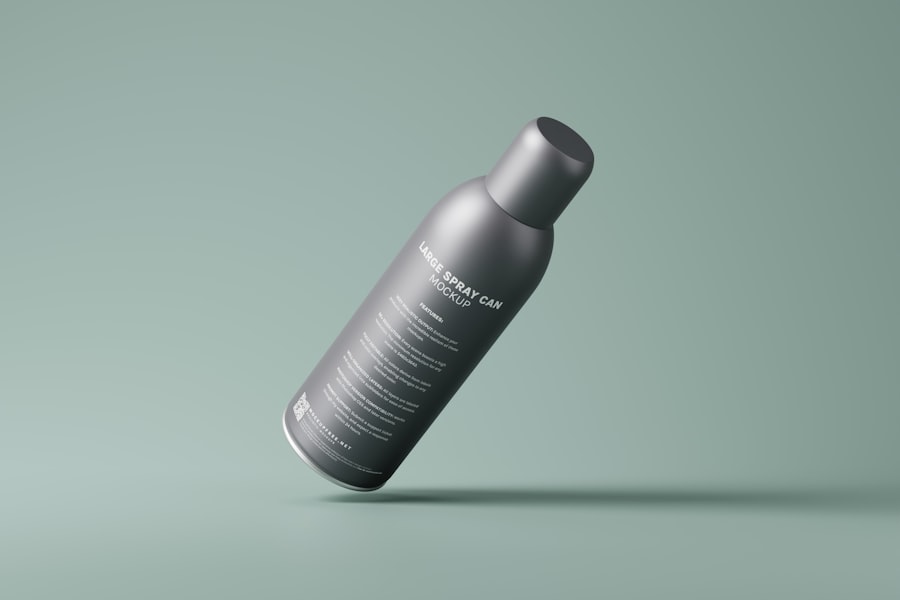
When you spray an air freshener or plug in a scented device, you may not realize that you are introducing a cocktail of chemicals into your environment. Many air fresheners contain synthetic fragrances, which can include hundreds of undisclosed ingredients. These chemicals are designed to create appealing scents but can also have unintended consequences for your health.
As you breathe in these fragrances, you may be inhaling substances that could disrupt your hormonal balance or trigger allergic reactions. In addition to synthetic fragrances, many air fresheners contain other potentially harmful chemicals such as phthalates and formaldehyde. Phthalates are often used to help scents last longer but have been linked to various health issues, including reproductive problems and developmental concerns.
Formaldehyde, a known irritant, can exacerbate respiratory issues and contribute to overall discomfort. As you consider the products you use in your home, it’s essential to be aware of the hidden ingredients that may be lurking in your favorite air fresheners.
Health Risks Associated with Air Fresheners
The health risks associated with air fresheners extend beyond mere inconvenience; they can have serious implications for your well-being. Prolonged exposure to the chemicals found in these products has been linked to respiratory issues, skin irritations, and even neurological problems. If you have pre-existing conditions such as asthma or allergies, using air fresheners may exacerbate your symptoms and lead to increased discomfort.
You might find yourself sneezing more often or experiencing headaches after prolonged exposure to these scents. Moreover, the potential long-term effects of air freshener use are still being studied, but early research suggests a correlation between these products and chronic health conditions. As you consider the impact of air fresheners on your health, it’s vital to weigh the temporary benefits of a pleasant scent against the potential risks.
By being informed about these dangers, you can make choices that prioritize your health and well-being over fleeting sensory pleasures.
Symptoms of Air Freshener Brain Fog
| Metric | Value | Unit | Notes |
|---|---|---|---|
| Reported Cases of Brain Fog Linked to Air Fresheners | 15% | Percentage of surveyed individuals | Based on a 2023 survey of 1,000 participants |
| Common Chemicals in Air Fresheners Associated with Brain Fog | Phthalates, Formaldehyde, VOCs | N/A | Volatile Organic Compounds (VOCs) are primary irritants |
| Average Duration of Brain Fog Symptoms After Exposure | 2-6 | Hours | Varies depending on individual sensitivity |
| Percentage of Individuals Reporting Improvement After Removing Air Fresheners | 80% | Percentage | Based on follow-up studies |
| Recommended Ventilation Rate to Reduce Brain Fog Risk | 6-8 | Air changes per hour (ACH) | Improves indoor air quality |
If you’ve ever felt mentally sluggish after using an air freshener, you’re not alone. Symptoms of brain fog related to air freshener use can manifest in various ways, including difficulty concentrating, forgetfulness, and a general sense of mental fatigue. You may find it challenging to complete tasks that require focus or creativity, leaving you frustrated and unproductive.
This cognitive impairment can be particularly concerning if it becomes a regular occurrence in your daily life. In addition to cognitive symptoms, you might also experience physical manifestations of brain fog after exposure to air fresheners. These can include headaches, dizziness, or even nausea.
If you’ve noticed a pattern where these symptoms arise after using certain products, it may be time to reevaluate your choices. By paying attention to how air fresheners affect your mental clarity and overall well-being, you can take proactive steps toward creating a healthier living environment.
Vulnerable Populations at Risk
Certain populations are particularly vulnerable to the adverse effects of air fresheners and their associated chemicals. Children, for instance, are more susceptible due to their developing bodies and smaller size. If you have young children at home, their exposure to air fresheners could pose significant risks to their health and cognitive development.
Additionally, pregnant women should be cautious about using these products, as some chemicals may affect fetal development. Individuals with pre-existing health conditions such as asthma or allergies are also at heightened risk when it comes to air freshener use. If you or someone in your household suffers from respiratory issues, the irritants found in many air fresheners could exacerbate symptoms and lead to serious complications.
By recognizing the populations most at risk, you can take steps to protect yourself and your loved ones from potential harm.
Alternatives to Air Fresheners
Fortunately, there are numerous alternatives to traditional air fresheners that can help you maintain a pleasant environment without compromising your health. Natural options such as essential oils offer a fragrant solution without the harmful chemicals found in many commercial products. You might consider using a diffuser with essential oils like lavender or citrus to create a soothing atmosphere while avoiding synthetic fragrances.
Another alternative is to incorporate natural odor absorbers into your home. Baking soda is an excellent choice for neutralizing odors without adding any artificial scents. You can place open containers of baking soda in areas prone to unpleasant smells or sprinkle it on carpets before vacuuming.
Additionally, using houseplants can improve indoor air quality while providing a natural way to enhance your living space’s ambiance. By exploring these alternatives, you can create a fragrant home environment that prioritizes health and well-being.
How to Reduce Exposure to Air Freshener Chemicals
If you’re concerned about the potential risks associated with air fresheners but still want a pleasant-smelling home, there are several strategies you can employ to reduce your exposure to harmful chemicals.
Instead, opt for natural alternatives that provide fragrance without compromising your health.
You can also improve ventilation in your home by opening windows and using exhaust fans when cooking or cleaning. This will help disperse any lingering odors while allowing fresh air to circulate throughout your space. Additionally, regularly cleaning surfaces and decluttering can minimize sources of unpleasant smells without relying on artificial fragrances.
By taking these proactive steps, you can create a healthier living environment while still enjoying a pleasant atmosphere.
Advocating for Safer Air Freshener Regulations
As awareness grows regarding the potential risks associated with air fresheners, advocating for safer regulations becomes increasingly important. You have the power to influence change by supporting initiatives aimed at improving product safety standards and transparency in ingredient labeling. By voicing your concerns to policymakers and participating in community discussions about environmental health, you can help drive meaningful change in the industry.
Encouraging manufacturers to disclose all ingredients used in their products is crucial for consumer safety. When companies are held accountable for their formulations, it empowers you as a consumer to make informed choices about what you bring into your home. By advocating for stricter regulations on air fresheners and other household products, you contribute to a safer environment for yourself and future generations.
The Importance of Educating the Public
Education plays a vital role in raising awareness about the potential risks associated with air fresheners and promoting healthier alternatives. By sharing information with friends and family about the chemicals found in these products and their possible effects on health, you can help foster a culture of informed decision-making within your community. You might consider hosting workshops or discussions focused on natural alternatives and safe practices for maintaining a pleasant home environment.
Social media platforms also provide an excellent opportunity for spreading awareness about the dangers of air fresheners. By sharing articles, research findings, and personal experiences online, you can reach a broader audience and encourage others to reconsider their use of these products. The more people understand the implications of their choices regarding air quality and health, the more likely they are to seek out safer options.
Creating a Healthier Environment for All
Ultimately, creating a healthier environment for everyone requires collective action and individual responsibility. As you become more aware of the potential risks associated with air fresheners and other household products, consider how your choices impact not only your well-being but also that of those around you. By prioritizing natural alternatives and advocating for safer regulations, you contribute to a movement toward healthier living spaces.
In conclusion, while air fresheners may offer immediate sensory gratification, it’s essential to recognize their potential impact on health and cognitive function.
Your choices matter—embracing natural solutions today can lead to a brighter tomorrow for all.
Recent studies have suggested a potential link between the use of air fresheners and cognitive issues, commonly referred to as “brain fog.” This phenomenon has raised concerns among health professionals and consumers alike. For more insights on how environmental factors can impact cognitive health, you can read a related article on senior health at Explore Senior Health.
WATCH THIS! 🫁 The Household “Fresh Scent” That Is Quietly Destroying Your Lungs and Memory
FAQs
What is brain fog?
Brain fog is a term used to describe feelings of confusion, forgetfulness, lack of focus, and mental clarity. It is not a medical condition but a symptom that can be caused by various factors including stress, fatigue, and exposure to certain chemicals.
Can air fresheners cause brain fog?
Some air fresheners contain volatile organic compounds (VOCs) and other chemicals that may contribute to symptoms like headaches, dizziness, and brain fog in sensitive individuals. Prolonged or high-level exposure to these chemicals can affect cognitive function.
What chemicals in air fresheners are linked to brain fog?
Common chemicals in air fresheners that may be linked to brain fog include phthalates, formaldehyde, benzene, and other VOCs. These substances can irritate the nervous system and potentially impair cognitive performance.
Who is most at risk of experiencing brain fog from air fresheners?
Individuals with chemical sensitivities, asthma, allergies, or pre-existing neurological conditions may be more susceptible to experiencing brain fog or other symptoms from exposure to air fresheners.
How can I reduce the risk of brain fog caused by air fresheners?
To reduce risk, use air fresheners sparingly, choose natural or non-toxic alternatives, ensure proper ventilation when using scented products, and avoid prolonged exposure to strong fragrances.
Are natural air fresheners safer for brain health?
Natural air fresheners made from essential oils or plant-based ingredients are generally considered safer, but some individuals may still experience sensitivity or allergic reactions. It is important to use them in moderation and monitor for any adverse effects.
What should I do if I experience brain fog after using an air freshener?
If you experience brain fog or other symptoms after using an air freshener, discontinue use immediately, ventilate the area, and consult a healthcare professional if symptoms persist or worsen.
Is there scientific evidence linking air fresheners to brain fog?
While some studies suggest that exposure to certain chemicals in air fresheners can affect cognitive function and cause symptoms like brain fog, more research is needed to establish a definitive causal relationship.