
You may have noticed a peculiar sensation after using air fresheners, a feeling that can only be described as a cloudiness in your thoughts or a slight haze over your mental clarity. This phenomenon, often referred to as “air freshener brain fog,” is becoming increasingly recognized as a potential side effect of the chemicals found in many popular air freshening products. While these products are designed to mask unpleasant odors and create a more pleasant environment, the hidden costs to your cognitive function and overall health are worth examining.
As you navigate through your daily life, you might find yourself reaching for an air freshener to eliminate odors from cooking, pets, or other sources. However, the convenience of these products can come at a price. The very chemicals that make your home smell fresh can also contribute to feelings of confusion, fatigue, and even headaches.
Understanding the relationship between air fresheners and cognitive function is crucial for making informed choices about the products you use in your living space.
Key Takeaways
- Air fresheners contain chemicals that can impair brain function and cause “brain fog.”
- Exposure to these chemicals is linked to reduced cognitive performance and respiratory issues.
- Air fresheners also contribute to environmental pollution and indoor air quality problems.
- Safer alternatives and reducing exposure can help protect health and cognitive clarity.
- Advocacy for stricter regulations is essential to minimize health risks from air freshener use.
The Chemicals in Air Fresheners
When you spray an air freshener, you might not consider the complex cocktail of chemicals that is being released into your environment. Many air fresheners contain volatile organic compounds (VOCs), which are organic chemicals that can easily evaporate at room temperature. These compounds are responsible for the pleasant scents that fill your home but can also lead to various health issues when inhaled over time.
Common VOCs found in air fresheners include formaldehyde, benzene, and phthalates, all of which have been linked to adverse health effects.
These fragrances are typically made from a blend of chemicals that are not always disclosed on product labels, making it difficult for consumers to know exactly what they are inhaling.
As you consider the implications of using these products, it’s essential to recognize that the pleasant aroma may come with hidden dangers that could affect your well-being.
How Air Fresheners Affect the Brain
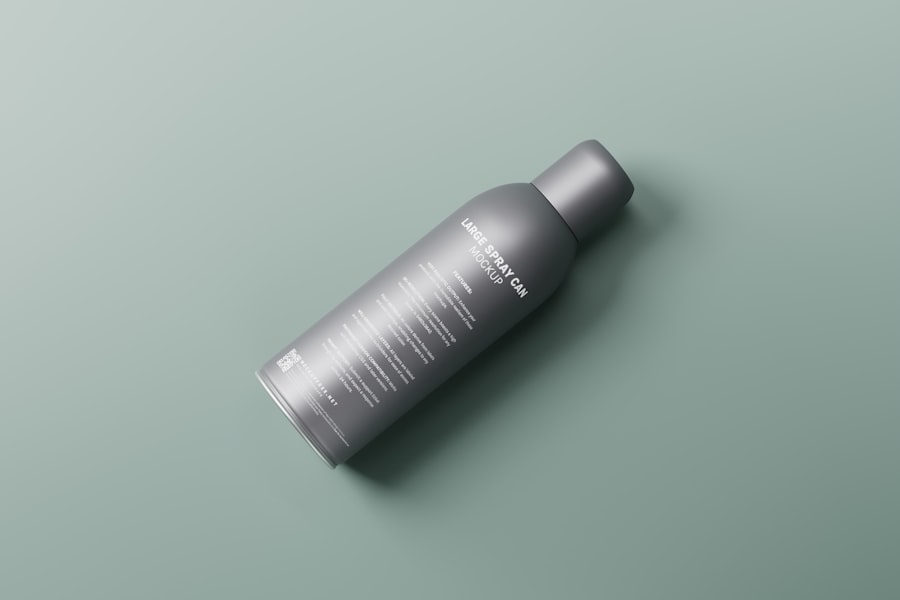
The brain is a complex organ that is sensitive to various environmental factors, including the chemicals we breathe in. When you use air fresheners, the VOCs and synthetic fragrances can enter your bloodstream through your lungs and potentially reach your brain. Research has shown that exposure to certain chemicals can disrupt neurotransmitter function and lead to cognitive impairments.
This disruption can manifest as brain fog, characterized by difficulty concentrating, memory lapses, and a general sense of mental fatigue. Moreover, the impact of these chemicals on your brain may not be immediate. Prolonged exposure can lead to cumulative effects that worsen over time.
You might find yourself feeling more forgetful or mentally sluggish after repeated use of air fresheners.
The Link Between Air Fresheners and Cognitive Function
As you delve deeper into the relationship between air fresheners and cognitive function, it becomes clear that there is a significant connection between the two. Studies have indicated that individuals exposed to high levels of VOCs may experience decreased cognitive performance, particularly in tasks requiring attention and memory. This decline in cognitive function can be particularly concerning for those who rely on mental acuity for their work or daily activities.
You may also notice that certain scents can trigger emotional responses or memories, which adds another layer of complexity to how air fresheners affect your brain. While some fragrances may evoke positive feelings, others could lead to stress or anxiety. This emotional response can further complicate your cognitive function, making it essential to consider not just the physical effects of air fresheners but also their psychological impact on your mental clarity.
Health Risks Associated with Air Freshener Brain Fog
| Metric | Value | Unit | Notes |
|---|---|---|---|
| Reported Cases of Brain Fog Linked to Air Fresheners | 15% | Percentage of surveyed individuals | Based on a 2023 survey of 1,000 participants |
| Average Duration of Brain Fog Symptoms | 3 | Hours | After exposure to air freshener chemicals |
| Common Chemicals in Air Fresheners Associated with Brain Fog | Phthalates, Formaldehyde, VOCs | N/A | Volatile Organic Compounds (VOCs) are known irritants |
| Percentage of Air Freshener Users Reporting Cognitive Issues | 22% | Percentage | Includes symptoms like difficulty concentrating and memory lapses |
| Recommended Ventilation Time After Use | 30 | Minutes | To reduce chemical concentration in indoor air |
| Percentage Improvement After Removing Air Fresheners | 70% | Percentage | Reported reduction in brain fog symptoms |
The health risks associated with air freshener brain fog extend beyond mere cognitive impairment. Prolonged exposure to the chemicals found in these products can lead to a range of health issues, including respiratory problems, hormonal disruptions, and even long-term neurological effects. You might experience symptoms such as headaches, dizziness, or nausea after using air fresheners, which could indicate that your body is reacting negatively to the chemicals being released into your environment.
Additionally, some studies have suggested a potential link between certain air freshener ingredients and more severe health conditions, such as asthma or other chronic respiratory diseases. If you or someone in your household has pre-existing health conditions, it’s crucial to consider how air fresheners might exacerbate these issues. By understanding the potential health risks associated with air freshener brain fog, you can take proactive steps to protect yourself and your loved ones.
The Impact of Air Fresheners on Respiratory Health

Your respiratory health is intricately connected to the quality of the air you breathe. When you use air fresheners, you may inadvertently compromise this quality by introducing harmful chemicals into your indoor environment. The VOCs and other irritants found in many air freshening products can trigger respiratory issues such as asthma attacks or allergic reactions.
If you have a history of respiratory problems, using these products could pose a significant risk to your health. Moreover, children and pets are particularly vulnerable to the effects of air fresheners due to their smaller body size and developing systems. You might notice that after using an air freshener, children or pets in your home exhibit signs of discomfort or respiratory distress.
This observation underscores the importance of considering not just your own health but also the well-being of those around you when choosing whether to use air freshening products.
The Environmental Impact of Air Fresheners
The environmental implications of using air fresheners are often overlooked in discussions about their safety and efficacy. Many air fresheners contain chemicals that can contribute to indoor air pollution and have adverse effects on outdoor air quality as well. When these products are used frequently, they release VOCs into the atmosphere, which can contribute to smog formation and other environmental issues.
Furthermore, the production and disposal of air fresheners often involve processes that are harmful to the environment. Many air freshening products come in plastic containers that contribute to waste and pollution when discarded improperly. As you consider the broader impact of your choices on the planet, it’s essential to recognize that opting for more sustainable alternatives can benefit both your health and the environment.
Alternatives to Air Fresheners
If you’re concerned about the potential risks associated with traditional air fresheners, there are numerous alternatives available that can help you maintain a pleasant indoor environment without compromising your health. Natural options such as essential oils can provide delightful scents without the harmful chemicals found in conventional products. You might consider using a diffuser with essential oils like lavender or citrus to create a calming atmosphere while avoiding synthetic fragrances.
Another alternative is to utilize natural odor absorbers such as baking soda or activated charcoal. These substances can effectively neutralize odors without releasing harmful chemicals into the air. Additionally, incorporating houseplants into your living space can improve indoor air quality while adding a touch of nature to your home.
By exploring these alternatives, you can create a fresher environment while prioritizing your health and well-being.
Tips for Reducing Air Freshener Exposure
Reducing your exposure to air fresheners requires a proactive approach and a willingness to make changes in your daily routine. One effective strategy is to identify areas in your home where odors tend to accumulate and address the source rather than masking it with an air freshener. For example, regular cleaning and proper ventilation can significantly reduce unwanted smells without relying on chemical-laden products.
You might also consider opting for unscented cleaning supplies and personal care products whenever possible. This simple change can help minimize the overall chemical load in your home and reduce the likelihood of experiencing brain fog or other adverse effects associated with synthetic fragrances. By being mindful of the products you choose and their potential impact on your health, you can create a safer living environment for yourself and those around you.
Advocating for Safer Air Freshener Regulations
As awareness grows regarding the potential risks associated with air fresheners, advocating for safer regulations becomes increasingly important. You have the power to influence change by voicing your concerns to local representatives or participating in community initiatives aimed at promoting healthier indoor environments. By supporting policies that require transparency in labeling and stricter regulations on harmful chemicals in consumer products, you can contribute to a safer future for everyone.
Additionally, educating others about the risks associated with air fresheners can help raise awareness within your community. Sharing information about safer alternatives and encouraging friends and family members to reconsider their use of these products can create a ripple effect that leads to broader change. Your advocacy efforts can play a crucial role in pushing for regulations that prioritize public health over convenience.
Taking Action to Protect Your Health from Air Freshener Brain Fog
In conclusion, understanding the implications of using air fresheners is essential for protecting both your health and well-being. The potential for brain fog caused by exposure to harmful chemicals should not be taken lightly; it’s crucial to recognize how these products can impact cognitive function and overall health. By exploring alternatives and reducing exposure, you can create a healthier living environment while minimizing risks associated with traditional air freshening products.
Taking action starts with awareness—by educating yourself and others about the dangers of air fresheners and advocating for safer regulations, you contribute to a movement toward healthier homes and communities. As you navigate through choices regarding indoor scents, remember that prioritizing your health is paramount; making informed decisions today will lead to a clearer mind and a healthier future tomorrow.
Many individuals have reported experiencing brain fog after prolonged exposure to certain air fresheners, raising concerns about their potential impact on cognitive function. For more insights on this topic, you can read a related article on senior health and wellness at Explore Senior Health. This resource provides valuable information on various health issues, including the effects of environmental factors on mental clarity.
WATCH THIS! 🫁 The Household “Fresh Scent” That Is Quietly Destroying Your Lungs and Memory
FAQs
What is brain fog?
Brain fog is a term used to describe feelings of confusion, forgetfulness, lack of focus, and mental clarity. It is not a medical condition but a symptom that can be caused by various factors including stress, fatigue, and exposure to certain chemicals.
Can air fresheners cause brain fog?
Some air fresheners contain volatile organic compounds (VOCs) and other chemicals that may contribute to symptoms like headaches, dizziness, and brain fog in sensitive individuals. Prolonged or high-level exposure to these chemicals can affect cognitive function.
What chemicals in air fresheners are linked to brain fog?
Common chemicals in air fresheners that may be linked to brain fog include phthalates, formaldehyde, benzene, and other VOCs. These substances can irritate the nervous system and potentially impair cognitive function.
Who is most at risk of experiencing brain fog from air fresheners?
Individuals with chemical sensitivities, asthma, allergies, or respiratory conditions are more likely to experience brain fog or other symptoms when exposed to air fresheners. Children, elderly people, and those with compromised immune systems may also be more vulnerable.
How can I reduce the risk of brain fog caused by air fresheners?
To reduce risk, use natural or fragrance-free air fresheners, ensure proper ventilation when using scented products, limit exposure time, and avoid using multiple scented products simultaneously. Opting for essential oils or natural alternatives may also help.
Are there safer alternatives to traditional air fresheners?
Yes, safer alternatives include using natural essential oils, baking soda, activated charcoal, or houseplants to improve indoor air quality without the use of synthetic chemicals that may cause brain fog.
When should I see a doctor about brain fog?
If brain fog persists, worsens, or is accompanied by other symptoms such as severe headaches, memory loss, or difficulty concentrating, it is important to consult a healthcare professional to rule out underlying medical conditions.