
You’ve likely noticed it yourself, or perhaps observed it in older family members: a gradual but undeniable decline in muscle mass and strength as the years accrue. This isn’t merely an inconvenience; it’s a fundamental biological process deeply intertwined with your overall health and independence. At the heart of this age-related muscle loss lies a phenomenon known as anabolic resistance. Imagine your muscles as hungry, constantly needing nutrients and signals to repair and grow. Anabolic resistance is akin to those muscles becoming less responsive to these vital cues, even when they’re present in abundance. This article will delve into the intricacies of anabolic resistance, exploring its mechanisms, its impact on your body, and strategies you can employ to mitigate its effects.
To grasp anabolic resistance, you must first understand anabolism. Anabolism is the metabolic process where your body builds complex molecules from simpler ones. In the context of muscle, this involves synthesizing new muscle proteins from amino acids, a process called muscle protein synthesis (MPS). MPS is a continuous cycle of building and breaking down muscle tissue, but when you’re young and healthy, the building largely outweighs the breaking down, leading to muscle growth and maintenance. To learn effective strategies for fall prevention, watch this informative video.
The Role of Muscle Protein Synthesis (MPS)
MPS is the cornerstone of muscle growth and repair. It is a highly regulated process influenced by various factors, including nutrient intake (especially protein), physical activity (particularly resistance exercise), and hormonal signals like insulin and growth hormone. Think of MPS as a construction crew constantly working on your muscle fibers. When this crew is efficient and well-supplied, your muscles thrive.
What Happens with Anabolic Resistance?
Anabolic resistance is characterized by a diminished MPS response to typically anabolic stimuli. This means that even if you consume adequate protein or engage in a beneficial workout, your muscles don’t respond with the same robust protein synthesis they once did. It’s like trying to get a rusty engine to hum: it takes more effort and fuel to achieve the same output. This blunted response, over time, contributes significantly to sarcopenia, the age-related loss of muscle mass and function.
The Mechanisms at Play
The exact mechanisms underlying anabolic resistance are complex and multifactorial, involving an intricate interplay of cellular, hormonal, and molecular changes. You’ll find that scientists are still unraveling all the pieces of this intricate puzzle.
Impaired mTOR Signaling
One key player in MPS is the mechanistic target of rapamycin (mTOR) pathway. mTOR acts as a central regulator, integrating signals from nutrients, growth factors, and energy status to control protein synthesis. In anabolic resistance, there’s evidence suggesting that the mTOR pathway becomes less sensitive or less active, effectively dimming the “on” switch for MPS. Imagine mTOR as the foreman of your muscle construction crew; in anabolic resistance, the foreman isn’t quite as effective at coordinating the work.
Altered Amino Acid Transport
Amino acids are the building blocks of protein. For MPS to occur, these amino acids need to be efficiently transported into your muscle cells. Research indicates that with aging, there might be a decline in the efficiency of amino acid transporters, meaning fewer building blocks reach their construction site. This is like having your building materials stuck in traffic, unable to reach the construction site in sufficient quantities or speed.
Mitochondrial Dysfunction
Mitochondria are the powerhouses of your cells, generating the energy required for all cellular processes, including MPS. As you age, mitochondrial function can decline, characterized by reduced energy production and increased oxidative stress. This decline can impair the energy-intensive process of protein synthesis, further contributing to anabolic resistance. Think of your construction crew losing access to reliable power tools; their efficiency would inevitably suffer.
Increased Inflammation
Chronic low-grade inflammation, often referred to as “inflammaging,” is common as you age. Inflammatory cytokines can interfere with anabolic signaling pathways and promote protein breakdown, further exacerbating muscle loss. This is like having a constant, low-level sabotage going on at your muscle construction site, undermining the efforts to build and repair.
Anabolic resistance is a significant factor in the aging process, particularly affecting muscle mass and strength in older adults. This phenomenon can lead to difficulties in maintaining physical function and overall health. For a deeper understanding of how anabolic resistance impacts aging muscles and potential strategies to combat it, you can read a related article at Explore Senior Health. This resource provides valuable insights into the biological mechanisms behind anabolic resistance and offers practical advice for seniors looking to enhance their muscle health.
The Impact of Anabolic Resistance on Your Body
The consequences of anabolic resistance extend far beyond merely looking less muscular. It has profound implications for your overall health and quality of life as you age.
Sarcopenia: The Vicious Cycle
Anabolic resistance is a primary driver of sarcopenia, the progressive and generalized skeletal muscle disorder. Sarcopenia is characterized by a decline in muscle mass, strength, and physical performance. It’s a vicious cycle: anabolic resistance leads to muscle loss, which then further impairs your ability to exercise, thereby reducing the anabolic stimulus your muscles receive.
Reduced Strength and Physical Function
As your muscle mass dwindles, so does your strength. This decline impacts your ability to perform daily activities, from carrying groceries to climbing stairs. You might find yourself struggling with tasks that were once effortless, limiting your independence and increasing your risk of falls. Imagine the foundation of your house slowly eroding; the structure becomes unstable and vulnerable.
Increased Risk of Falls
Muscle weakness and impaired balance, both consequences of sarcopenia, significantly increase your risk of falls. Falls, especially in older adults, can lead to serious injuries, including fractures, which often necessitate prolonged recovery and a further decline in physical function.
Metabolic Health Implications
Your muscles play a crucial role in regulating your metabolic health. They are a primary site for glucose uptake and utilization. Therefore, muscle loss due to anabolic resistance can have significant metabolic consequences.
Insulin Resistance and Type 2 Diabetes
Reduced muscle mass means fewer “storage facilities” for glucose, potentially leading to higher blood sugar levels and an increased risk of developing insulin resistance and type 2 diabetes. Your muscles act as a sponge for glucose; a smaller sponge means less absorption and more free-floating glucose in your system.
Weight Management Challenges
Muscles are metabolically active tissues, burning more calories at rest than fat tissue. As you lose muscle mass, your resting metabolic rate decreases, making weight management more challenging and increasing the likelihood of fat gain. This shifts your body composition in an unfavorable direction, further contributing to health risks.
Strategies to Combat Anabolic Resistance
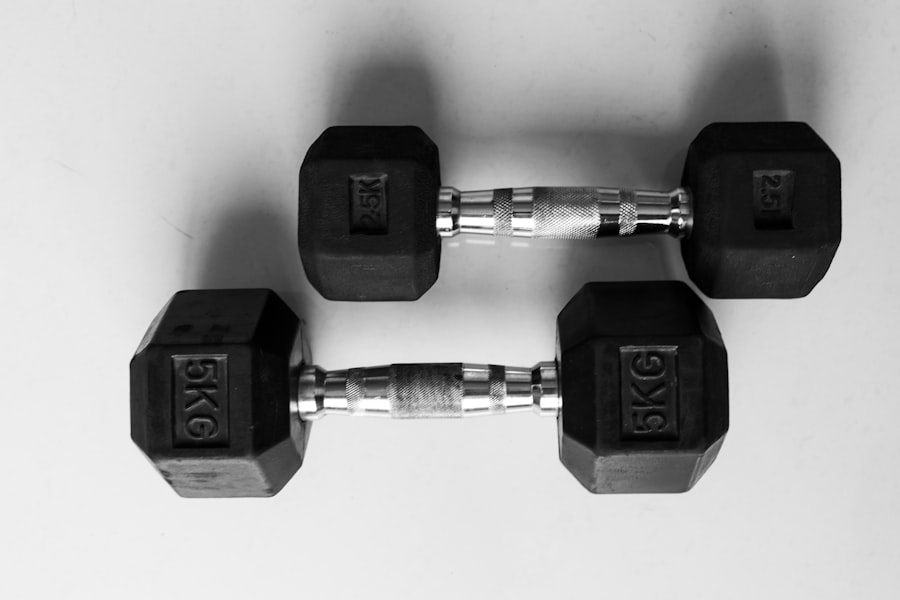
While anabolic resistance is a natural part of aging, it is not an insurmountable barrier. You have several actionable strategies at your disposal to mitigate its effects and maintain your muscle mass and strength for longer. Think of these as proactive measures to keep your muscle construction crew productive and well-equipped.
Prioritize Protein Intake
Protein is paramount for MPS. As you age, your muscles become less sensitive to protein, meaning you likely need more of it to elicit the same anabolic response.
Optimal Protein Distribution
Instead of consuming a large amount of protein in one meal, consider distributing your protein intake throughout the day. Aim for 25-40 grams of high-quality protein at each main meal to maximize the MPS response. This ensures a consistent supply of building blocks for your muscles, like a steady stream of deliveries to your construction site.
High-Quality Protein Sources
Focus on complete protein sources that contain all essential amino acids, such as lean meats, poultry, fish, eggs, dairy products, and soy. These sources provide the necessary amino acids to stimulate MPS effectively. Think of these as premium building materials for your muscle construction.
Embrace Resistance Exercise
Resistance exercise is arguably the most potent anabolic stimulus available to you. It directly stimulates MPS and helps to counteract the effects of anabolic resistance.
Progressive Overload
To continue stimulating muscle growth, you need to progressively challenge your muscles. This means gradually increasing the weight, repetitions, or sets over time. Your muscles adapt to stress; without increasing that stress, they won’t grow. This is like constantly upgrading the difficulty of your construction projects to keep your crew engaged and strong.
Consistency is Key
sporadic exercise won’t yield significant results. Aim for at least 2-3 resistance training sessions per week, targeting all major muscle groups. You wouldn’t expect a garden to flourish with infrequent watering; similarly, your muscles need consistent stimulation.
Different Types of Resistance Training
While weightlifting is often what comes to mind, resistance exercise can take many forms, including bodyweight exercises, resistance bands, and machines. Find methods that you enjoy and can sustain. The key is to challenge your muscles.
Consider Creatine Supplementation
Creatine is one of the most well-researched and effective supplements for increasing muscle strength and mass, particularly when combined with resistance training.
How Creatine Works
Creatine helps by increasing the availability of phosphocreatine in your muscles, which is a crucial energy source for short, explosive movements. This allows you to perform more reps and sets, leading to greater training adaptations. It’s like giving your construction crew a burst of extra energy to power through demanding tasks.
Dosage and Safety
A typical loading phase involves 20 grams per day for 5-7 days, followed by a maintenance dose of 3-5 grams per day. Creatine is generally considered safe for most healthy individuals, but consult with your doctor, especially if you have pre-existing kidney conditions.
Optimize Sleep and Stress Management
These often-overlooked factors play a significant role in your body’s recovery and anabolic processes.
The Importance of Sleep
During sleep, your body releases growth hormone and repairs tissues, including your muscles. Chronic sleep deprivation can impair these processes and negatively impact hormone levels crucial for muscle maintenance. Imagine your construction crew working overtime without adequate rest; their productivity and accuracy would plummet.
Managing Stress
Chronic stress can elevate cortisol levels, a catabolic hormone that promotes muscle breakdown. Developing effective stress management techniques, such as mindfulness, meditation, or spending time in nature, can help mitigate these negative effects.
The Long-Term Outlook
You might feel disheartened by the inevitability of aging and its impact on your muscles. However, understanding anabolic resistance isn’t about resignation; it’s about empowerment. By proactively adopting these strategies, you can significantly slow the rate of muscle loss, maintain your strength, and enhance your overall quality of life well into your later years. Think of these efforts as an investment in your future self, ensuring you remain independent, active, and capable for as long as possible. Your musculature is a vital asset; protect it diligently. The choices you make today regarding your nutrition, exercise, and lifestyle will profoundly shape the strength and vitality of your muscles tomorrow.
WATCH THIS 🛑 WARNING: One Fall Could Cost You $18,000 This Month
FAQs
What is anabolic resistance in aging muscles?
Anabolic resistance refers to the reduced ability of aging muscles to respond to anabolic stimuli such as protein intake and resistance exercise, leading to diminished muscle protein synthesis and muscle growth.
Why does anabolic resistance occur in older adults?
Anabolic resistance occurs due to several factors including decreased muscle sensitivity to amino acids, impaired signaling pathways involved in muscle protein synthesis, inflammation, hormonal changes, and reduced physical activity.
How does anabolic resistance affect muscle health in the elderly?
Anabolic resistance contributes to muscle loss (sarcopenia), decreased muscle strength, and impaired physical function, increasing the risk of falls, frailty, and loss of independence in older adults.
Can anabolic resistance be reversed or improved?
Yes, anabolic resistance can be partially reversed or improved through interventions such as increased protein intake (especially leucine-rich proteins), regular resistance exercise, and addressing underlying health conditions.
What role does protein intake play in combating anabolic resistance?
Adequate protein intake, particularly high-quality protein rich in essential amino acids, is crucial to stimulate muscle protein synthesis and overcome anabolic resistance in aging muscles.
Is resistance training effective against anabolic resistance?
Yes, resistance training is one of the most effective strategies to enhance muscle protein synthesis, improve muscle mass and strength, and counteract anabolic resistance in older adults.
Are there any supplements that help with anabolic resistance?
Supplements such as leucine, vitamin D, omega-3 fatty acids, and creatine have shown potential benefits in improving muscle protein synthesis and reducing anabolic resistance, but they should be used under medical guidance.
How does inflammation contribute to anabolic resistance?
Chronic low-grade inflammation common in aging can impair muscle protein synthesis signaling pathways, exacerbating anabolic resistance and muscle loss.
Does anabolic resistance affect all older adults equally?
No, the degree of anabolic resistance varies among individuals depending on factors like genetics, physical activity levels, nutrition, and overall health status.
What lifestyle changes can help reduce anabolic resistance?
Maintaining regular physical activity, especially resistance exercise, consuming adequate protein, managing chronic diseases, and reducing inflammation through a healthy diet can help reduce anabolic resistance in aging muscles.