
When you think about your overall health, the liver might not be the first organ that comes to mind. However, it plays a crucial role in regulating blood sugar levels. The liver is responsible for storing glucose and releasing it into the bloodstream as needed, ensuring that your body has a steady supply of energy.
This process is vital for maintaining homeostasis, which is the balance your body needs to function optimally. When blood sugar levels fluctuate too much, it can lead to various health issues, including those affecting the liver. Your liver also plays a significant role in metabolizing carbohydrates, fats, and proteins.
When you consume food, your body breaks it down into glucose, which is then transported to the liver. Here, the liver decides whether to store this glucose for later use or release it into the bloodstream. If your blood sugar levels are consistently high, it can overwhelm the liver’s ability to manage glucose effectively, leading to potential complications.
Understanding this relationship is essential for maintaining both blood sugar and liver health.
Key Takeaways
- High blood sugar can have a negative impact on liver health, leading to conditions such as fatty liver disease.
- Monitoring blood sugar levels is crucial for maintaining liver health, and can be done through regular blood tests and glucose monitoring.
- Dietary strategies such as consuming a balanced diet, avoiding excessive sugar and refined carbohydrates, and incorporating liver-supporting foods can help balance blood sugar and support liver health.
- Regular exercise plays a key role in managing blood sugar levels and supporting liver health, as it helps improve insulin sensitivity and reduce the risk of fatty liver disease.
- Stress management techniques, adequate sleep, hydration, and seeking professional support are all important factors in maintaining healthy blood sugar levels and supporting liver function.
The Impact of High Blood Sugar on the Liver
High blood sugar, or hyperglycemia, can have detrimental effects on your liver. When your blood sugar levels remain elevated over time, it can lead to a condition known as non-alcoholic fatty liver disease (NAFLD). This condition occurs when excess fat builds up in the liver without any significant alcohol consumption.
As you might imagine, this can impair liver function and lead to inflammation, scarring, and even cirrhosis if left unchecked. Moreover, high blood sugar can also contribute to insulin resistance, a condition where your body’s cells become less responsive to insulin. This resistance forces your pancreas to produce even more insulin to manage blood sugar levels, creating a vicious cycle that can further strain your liver.
Over time, this can lead to more severe liver conditions and complications that may require medical intervention. Recognizing the signs of high blood sugar and understanding its impact on your liver is crucial for taking proactive steps toward better health.
The Connection Between Blood Sugar and Liver Disease
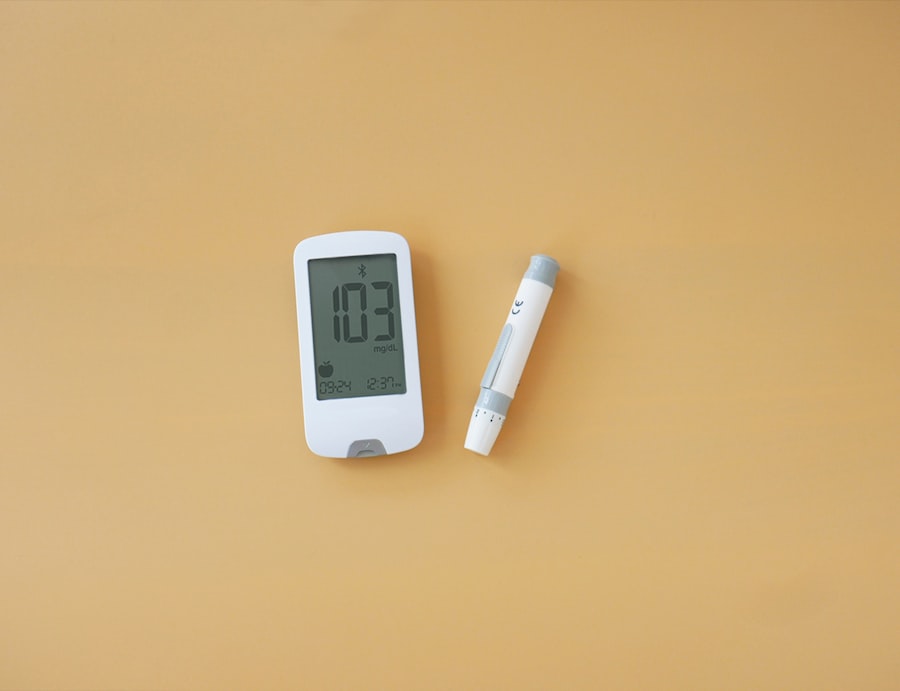
The connection between blood sugar levels and liver disease is well-documented in medical literature. Chronic high blood sugar can lead to various forms of liver disease, including fatty liver disease and hepatitis. When your liver is overwhelmed by excess glucose and fat, it can become inflamed and damaged, leading to a cascade of health issues that affect not just the liver but your entire body.
Additionally, individuals with diabetes are at a higher risk for developing liver disease. The interplay between insulin resistance and liver function creates a perfect storm for complications. If you have diabetes or prediabetes, it’s essential to monitor your blood sugar levels closely and understand how they relate to your liver health.
By doing so, you can take steps to mitigate risks and maintain a healthier lifestyle.
How to Monitor Blood Sugar Levels for Liver Health
| Time of Day | Blood Sugar Level (mg/dL) |
|---|---|
| Before Breakfast | 70-130 |
| Before Lunch | 70-130 |
| Before Dinner | 70-130 |
| Bedtime | 100-140 |
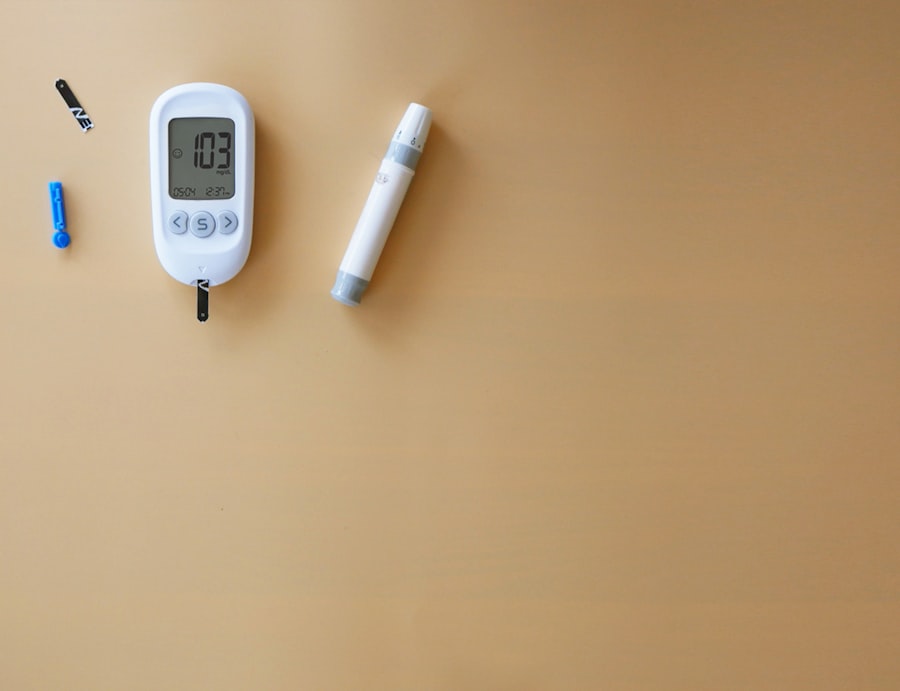
Monitoring your blood sugar levels is an essential practice for anyone concerned about their liver health. Regularly checking your blood sugar can help you identify patterns and make informed decisions about your diet and lifestyle. You can use various methods to monitor your blood sugar levels, including fingerstick tests with a glucometer or continuous glucose monitors (CGMs) that provide real-time data.
Understanding when and how often to check your blood sugar is equally important. For instance, checking your levels before and after meals can give you insight into how different foods affect your body. Additionally, keeping a log of your readings can help you identify trends over time, allowing you to make necessary adjustments to your diet or consult with healthcare professionals if needed.
By taking an active role in monitoring your blood sugar levels, you empower yourself to make choices that support both your blood sugar and liver health.
Dietary Strategies for Balancing Blood Sugar and Supporting Liver Health
Your diet plays a pivotal role in managing blood sugar levels and supporting liver health. Incorporating whole foods such as fruits, vegetables, whole grains, lean proteins, and healthy fats can help stabilize your blood sugar while providing essential nutrients for liver function. Foods rich in fiber are particularly beneficial as they slow down glucose absorption in the bloodstream, preventing spikes in blood sugar levels.
In addition to focusing on whole foods, it’s crucial to limit processed foods high in sugars and unhealthy fats. These foods can lead to rapid increases in blood sugar and contribute to fat accumulation in the liver. Instead of reaching for sugary snacks or beverages, consider healthier alternatives like nuts, seeds, or yogurt with fresh fruit.
By making conscious dietary choices, you can create a balanced eating plan that supports both your blood sugar management and liver health.
The Importance of Regular Exercise in Managing Blood Sugar and Liver Health
Regular physical activity is another cornerstone of maintaining healthy blood sugar levels and supporting liver function. Exercise helps improve insulin sensitivity, allowing your body to use glucose more effectively. This means that engaging in regular workouts can help lower your blood sugar levels while also reducing fat accumulation in the liver.
You don’t need to engage in intense workouts to reap these benefits; even moderate activities like walking, cycling, or swimming can make a significant difference. Aim for at least 150 minutes of moderate-intensity exercise each week. Incorporating strength training exercises at least twice a week can also enhance muscle mass, which plays a vital role in glucose metabolism.
By making exercise a regular part of your routine, you not only support your blood sugar management but also promote overall liver health.
Stress Management Techniques for Maintaining Healthy Blood Sugar and Liver Function
Stress can have a profound impact on your blood sugar levels and overall health. When you’re stressed, your body releases hormones like cortisol that can raise blood sugar levels. This response is part of the body’s fight-or-flight mechanism but can be detrimental when stress becomes chronic.
Managing stress effectively is crucial for maintaining healthy blood sugar levels and supporting liver function. Incorporating stress management techniques into your daily routine can help mitigate these effects. Practices such as mindfulness meditation, yoga, deep breathing exercises, or even spending time in nature can significantly reduce stress levels.
Finding activities that bring you joy and relaxation is equally important; whether it’s reading a book or engaging in a hobby, these moments of reprieve can help keep stress at bay. By prioritizing stress management, you create a healthier environment for both your blood sugar and liver.
The Role of Sleep in Regulating Blood Sugar and Supporting Liver Health
Sleep is often overlooked when discussing health but plays a critical role in regulating blood sugar levels and supporting liver function.
When you’re well-rested, your body functions more efficiently, including its ability to manage glucose.
To improve sleep quality, establish a consistent sleep schedule by going to bed and waking up at the same time each day. Create a calming bedtime routine that signals to your body it’s time to wind down; this could include reading or practicing relaxation techniques. Additionally, ensure that your sleep environment is conducive to rest—dark, quiet, and cool spaces are ideal for promoting restorative sleep.
By prioritizing sleep as part of your overall health strategy, you support both your blood sugar management and liver health.
Herbal and Nutritional Supplements for Balancing Blood Sugar and Supporting Liver Function
In addition to lifestyle changes like diet and exercise, certain herbal and nutritional supplements may help balance blood sugar levels and support liver function. For instance, supplements like berberine have been shown to improve insulin sensitivity and lower blood sugar levels effectively. Milk thistle is another popular supplement known for its potential benefits in promoting liver health due to its antioxidant properties.
Before adding any supplements to your routine, it’s essential to consult with a healthcare professional who understands your specific health needs. They can guide you on appropriate dosages and potential interactions with any medications you may be taking. While supplements can be beneficial, they should complement—not replace—a balanced diet and healthy lifestyle choices.
The Importance of Hydration for Blood Sugar and Liver Health
Staying hydrated is often an overlooked aspect of maintaining healthy blood sugar levels and supporting liver function. Water plays a vital role in nearly every bodily process, including digestion and metabolism. When you’re adequately hydrated, your body can more effectively manage glucose levels and eliminate toxins from the liver.
Aim to drink plenty of water throughout the day; a general guideline is about eight 8-ounce glasses daily, but individual needs may vary based on activity level and climate. If you’re active or live in a hot environment, you may need even more fluids to stay hydrated. Additionally, consider incorporating hydrating foods like fruits and vegetables into your diet; these not only provide hydration but also essential nutrients that support overall health.
Seeking Professional Support for Managing Blood Sugar and Liver Health
While self-management strategies are essential for maintaining healthy blood sugar levels and supporting liver health, seeking professional support is equally important. Healthcare providers can offer personalized guidance based on your unique health profile and needs. Regular check-ups allow for monitoring of both blood sugar levels and liver function tests that can catch potential issues early on.
If you’re struggling with managing your blood sugar or have concerns about your liver health, don’t hesitate to reach out for professional help. Nutritionists or dietitians specializing in metabolic health can provide tailored dietary plans that align with your goals while healthcare providers can offer medical interventions if necessary. Remember that taking proactive steps toward managing your health is an investment in your future well-being; seeking support is a vital part of that journey.
In conclusion, understanding the intricate relationship between blood sugar levels and liver health empowers you to take control of your well-being. By monitoring your blood sugar regularly, adopting dietary strategies, engaging in regular exercise, managing stress effectively, prioritizing sleep, considering supplements wisely, staying hydrated, and seeking professional support when needed, you create a holistic approach that promotes both optimal blood sugar management and robust liver function. Your journey toward better health begins with informed choices—embrace them wholeheartedly!
Maintaining stable blood sugar levels is crucial for liver health, as fluctuations can lead to increased stress on the liver and potentially contribute to liver disease. One effective strategy is to focus on a balanced diet rich in fiber, lean proteins, and healthy fats, while minimizing the intake of refined sugars and carbohydrates. Regular physical activity and staying hydrated also play significant roles in stabilizing blood sugar. For more detailed insights on managing blood sugar levels and their impact on liver health, you can refer to this related article on Explore Senior Health.
WATCH THIS! 🧃The 60-Year Liver Lie: Why Your “Healthy” Juice Is Destroying Your Liver
FAQs
What is the importance of stabilizing blood sugar for liver health?
Stabilizing blood sugar is important for liver health because high blood sugar levels can lead to fatty liver disease and other liver complications. When blood sugar levels are consistently high, the liver has to work harder to process the excess glucose, which can lead to liver damage over time.
How can diet and nutrition help stabilize blood sugar for liver health?
Eating a balanced diet that includes complex carbohydrates, lean proteins, and healthy fats can help stabilize blood sugar levels. Avoiding sugary and processed foods, and consuming high-fiber foods can also help regulate blood sugar and support liver health.
What role does exercise play in stabilizing blood sugar for liver health?
Regular physical activity can help improve insulin sensitivity and lower blood sugar levels, which is beneficial for liver health. Exercise also helps with weight management, which is important for preventing and managing conditions like fatty liver disease.
Are there any specific foods or supplements that can help stabilize blood sugar for liver health?
Certain foods and supplements, such as cinnamon, chromium, and alpha-lipoic acid, have been shown to help regulate blood sugar levels and support liver health. However, it’s important to consult with a healthcare professional before adding any new supplements to your routine.
What are some lifestyle changes that can help stabilize blood sugar for liver health?
In addition to diet and exercise, managing stress levels, getting enough sleep, and avoiding excessive alcohol consumption can all contribute to stabilizing blood sugar and supporting liver health. Making these lifestyle changes can have a positive impact on overall health and well-being.