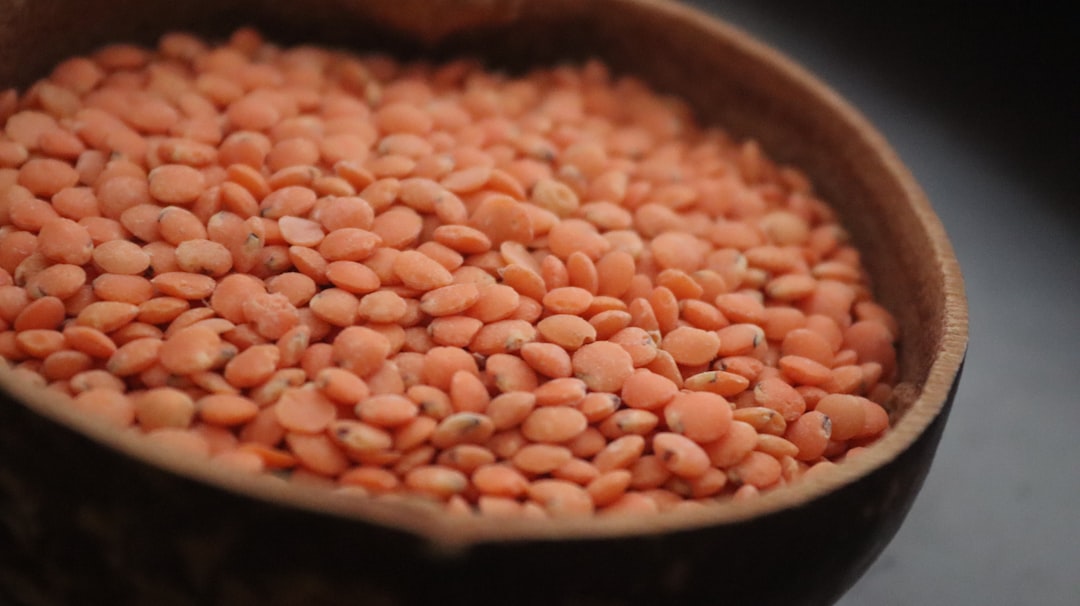
Batch cooking beans is a practical and efficient way to incorporate this nutritious food into your diet. If you’ve ever found yourself staring at a can of beans in the pantry, wondering how to make them a staple in your meals, you’re not alone. Cooking beans in larger quantities not only saves time but also allows you to enjoy their myriad health benefits without the hassle of daily preparation.
By dedicating a little time to batch cooking, you can ensure that you always have a healthy protein source on hand, ready to be added to salads, soups, or main dishes.
Whether you prefer using dried beans or canned varieties, the key is to prepare them in advance so that they are ready when you need them.
This method not only enhances convenience but also encourages creativity in the kitchen. With a variety of beans available, you can experiment with different flavors and textures, making your meals more exciting and satisfying.
Key Takeaways
- Batch cooking beans saves time and enhances meal preparation efficiency.
- Proper soaking and preparation improve bean texture and digestibility.
- Storing cooked beans correctly extends their shelf life and convenience.
- Seasoning batch cooked beans adds flavor and variety to meals.
- Regular consumption of batch cooked beans offers significant health benefits.
Benefits of Cooking Beans in Batches
One of the most significant advantages of batch cooking beans is the time it saves you during the week. Imagine coming home after a long day and having a container of pre-cooked beans waiting for you in the fridge. You can quickly toss them into a stir-fry, blend them into a dip, or mix them into a salad without any additional cooking time.
This convenience can be a game-changer for busy individuals or families looking to maintain a healthy diet amidst their hectic schedules. Additionally, batch cooking beans can be cost-effective. Purchasing dried beans in bulk is often cheaper than buying canned varieties, and cooking them in larger quantities allows you to maximize your investment.
You can portion out the cooked beans for various meals throughout the week, reducing food waste and ensuring that you get the most out of your grocery budget. Moreover, by preparing your beans at home, you have complete control over the ingredients, avoiding unnecessary additives and preservatives often found in store-bought options.
Choosing the Right Beans for Batch Cooking
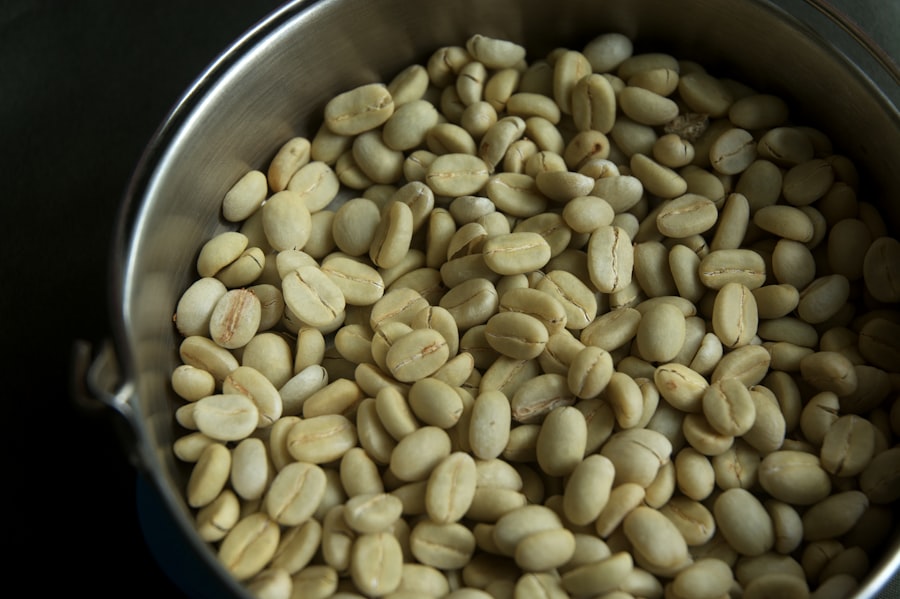
When it comes to batch cooking beans, selecting the right varieties is essential. There are numerous types of beans available, each with its unique flavor profile and texture. Common choices include black beans, kidney beans, chickpeas, and lentils.
Consider what types of dishes you enjoy most and choose beans that will complement those meals. For instance, black beans are excellent in Mexican dishes, while chickpeas are perfect for Mediterranean recipes. It’s also important to think about the nutritional benefits each type of bean offers.
For example, lentils are high in protein and fiber, making them an excellent choice for those looking to boost their nutrient intake. On the other hand, kidney beans are rich in antioxidants and can help support heart health. By diversifying the types of beans you cook in batches, you can create a well-rounded diet that provides various essential nutrients.
Soaking and Preparing the Beans
Soaking your beans before cooking is a crucial step that can enhance their texture and reduce cooking time. If you’re using dried beans, consider soaking them overnight in water. This process helps to soften the beans and makes them easier to digest.
If you’re short on time, a quick soak method involves boiling the beans for a few minutes and then letting them sit for an hour before cooking. This method can be just as effective in preparing your beans for batch cooking. Once your beans are soaked, it’s time to prepare them for cooking.
Rinse the soaked beans thoroughly under cold water to remove any impurities or debris. This step is particularly important for dried beans, as it ensures that you’re starting with clean ingredients. After rinsing, you can choose your preferred cooking method—whether it’s boiling on the stovetop, using a pressure cooker, or even an Instant Pot.
Each method has its advantages, so consider what works best for your kitchen setup and schedule.
Cooking Methods for Batch Cooking Beans
| Step | Action | Details | Health Tips | Estimated Time |
|---|---|---|---|---|
| 1 | Sort and Rinse Beans | Remove debris and rinse beans under cold water | Reduces dirt and potential contaminants | 5 minutes |
| 2 | Soak Beans | Soak beans in water for 8-12 hours or overnight | Reduces phytic acid and oligosaccharides to improve digestion | 8-12 hours |
| 3 | Drain and Rinse | Drain soaking water and rinse beans thoroughly | Removes anti-nutrients and reduces gas-causing compounds | 5 minutes |
| 4 | Cook Beans | Simmer beans in fresh water until tender (1-2 hours) | Ensures beans are fully cooked for nutrient absorption and safety | 1-2 hours |
| 5 | Cool and Store | Cool beans to room temperature and store in airtight containers | Prevents bacterial growth and preserves nutrients | 30 minutes |
| 6 | Refrigerate or Freeze | Refrigerate for up to 5 days or freeze for up to 3 months | Keeps beans fresh and ready for healthy meals | Varies |
There are several methods for cooking beans in batches, each offering its own set of benefits. The stovetop method is one of the most traditional approaches. Simply place your soaked beans in a pot with fresh water and bring them to a boil.
Once boiling, reduce the heat and let them simmer until they reach your desired tenderness. This method allows you to keep an eye on the beans and adjust the cooking time as needed. Alternatively, using a pressure cooker or Instant Pot can significantly reduce cooking time while still yielding perfectly cooked beans.
These appliances trap steam and heat, allowing the beans to cook faster than traditional methods. If you’re looking for convenience and speed, this might be the best option for you.
Storing Cooked Beans for Later Use
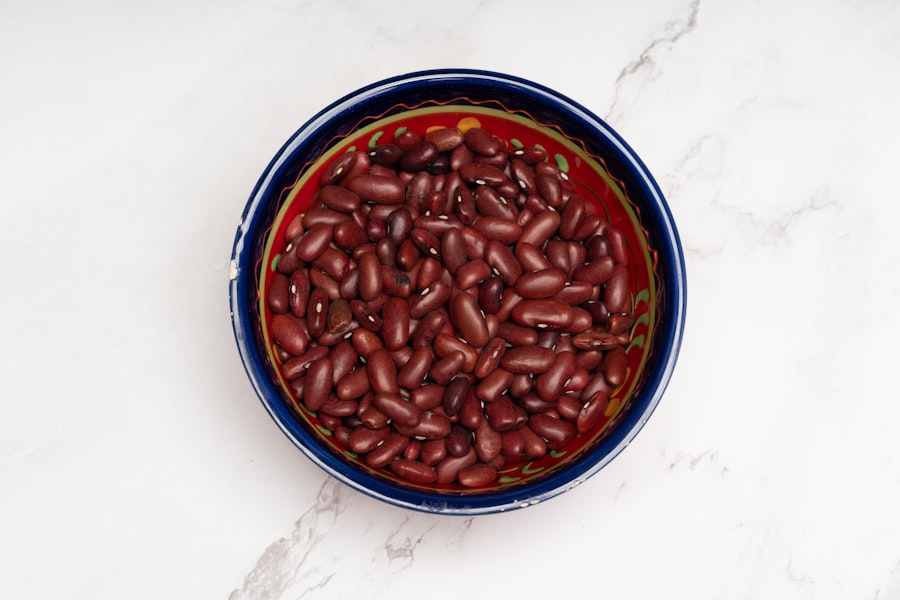
Once your beans are cooked to perfection, proper storage is essential for maintaining their freshness and flavor. Allow the cooked beans to cool completely before transferring them to airtight containers. You can store them in the refrigerator for up to five days or freeze them for longer-term storage.
Freezing cooked beans is an excellent way to ensure that you always have some on hand; simply portion them into freezer-safe bags or containers for easy access later. When freezing cooked beans, consider labeling your containers with the date and type of bean for easy identification later on. This practice will help you keep track of what you have available and prevent any confusion when meal planning.
When you’re ready to use frozen beans, simply thaw them overnight in the refrigerator or reheat them directly from frozen in soups or stews.
Incorporating Batch Cooked Beans into Your Meals
Incorporating batch-cooked beans into your meals opens up a world of culinary possibilities. You can add them to salads for an extra protein boost or blend them into smoothies for added creaminess without compromising flavor. Beans also work wonderfully in soups and stews, where they can absorb flavors from other ingredients while contributing their own unique taste.
If you’re looking for quick meal ideas, consider making bean tacos or burritos by simply heating up your cooked beans and adding your favorite toppings like avocado, salsa, or cheese. You can also create hearty grain bowls by combining cooked grains with your batch-cooked beans and an assortment of vegetables. The versatility of beans means that they can easily adapt to various cuisines and dietary preferences.
Seasoning and Flavoring Batch Cooked Beans
While cooked beans are nutritious on their own, seasoning them properly can elevate their flavor profile significantly. Start by adding basic seasonings like salt and pepper during the cooking process to enhance their natural taste. Once cooked, consider experimenting with herbs and spices such as cumin, garlic powder, or smoked paprika to give your beans an extra kick.
For those who enjoy bold flavors, try marinating your cooked beans in a mixture of olive oil, vinegar, and fresh herbs before incorporating them into dishes. This technique not only adds depth but also allows the flavors to meld beautifully over time. Don’t hesitate to get creative—adding citrus zest or even a splash of hot sauce can transform plain beans into a flavorful component of any meal.
Health Benefits of Eating Batch Cooked Beans
The health benefits of incorporating batch-cooked beans into your diet are numerous and well-documented. Beans are an excellent source of plant-based protein, making them an ideal choice for vegetarians and vegans looking to meet their protein needs without relying on animal products. They are also rich in dietary fiber, which aids digestion and helps maintain stable blood sugar levels.
Moreover, regular consumption of beans has been linked to various health benefits, including improved heart health due to their low saturated fat content and high levels of antioxidants. The fiber found in beans can help lower cholesterol levels and reduce the risk of heart disease. Additionally, their complex carbohydrates provide sustained energy without causing spikes in blood sugar—making them an excellent choice for anyone looking to maintain balanced energy levels throughout the day.
Tips for Making Batch Cooking Beans Easier and More Efficient
To make batch cooking beans easier and more efficient, consider planning ahead by setting aside specific days dedicated to meal prep. By designating time each week for batch cooking, you’ll create a routine that simplifies your meal planning process. Additionally, investing in quality storage containers will help keep your cooked beans fresh while making it easy to portion out servings.
Another helpful tip is to cook a variety of beans at once rather than sticking to just one type. This approach not only adds diversity to your meals but also allows you to experiment with different flavors throughout the week without feeling monotonous. Lastly, don’t hesitate to involve family members or friends in the process; cooking together can make it more enjoyable while also sharing tips and tricks along the way.
Embracing Batch Cooking Beans for Health and Convenience
Embracing batch cooking beans is a fantastic way to enhance both your health and convenience in the kitchen. By dedicating some time each week to prepare these nutritious legumes in advance, you set yourself up for success when it comes to meal planning and maintaining a balanced diet. The versatility of beans means that they can easily fit into various cuisines and dishes, making it simple to incorporate them into your daily meals.
As you explore different types of beans and experiment with various cooking methods and seasonings, you’ll discover just how enjoyable batch cooking can be. Not only will you save time during busy weekdays, but you’ll also reap the numerous health benefits that come from including more plant-based proteins in your diet. So why not start today?
Gather some dried beans or canned varieties and begin your journey toward healthier eating through batch cooking!
Batch cooking beans is an excellent way to incorporate more plant-based protein into your diet while saving time and effort in the kitchen. For those looking to enhance their health through nutritious meals, you might find valuable insights in this related article on senior health: Explore Senior Health. This resource provides tips on meal preparation and the benefits of including beans in your diet, making it easier to enjoy their health advantages throughout the week.
FAQs
What are the benefits of batch cooking beans for health?
Batch cooking beans saves time and ensures you have a nutritious, fiber-rich protein source readily available. Beans are low in fat, high in fiber, and contain essential vitamins and minerals, which support heart health, digestion, and blood sugar regulation.
How do I properly prepare beans before batch cooking?
Before batch cooking, rinse beans thoroughly and soak them in water for 6-8 hours or overnight. Soaking reduces cooking time and helps remove some of the indigestible sugars that cause gas.
What is the best method for batch cooking beans?
Beans can be batch cooked using a stovetop, slow cooker, or pressure cooker. Each method involves cooking soaked beans in fresh water until tender, which usually takes 1-2 hours on the stovetop, 4-6 hours in a slow cooker, or 20-30 minutes in a pressure cooker.
How should I store batch-cooked beans?
Once cooked and cooled, store beans in airtight containers in the refrigerator for up to 5 days or freeze them in portioned containers for up to 3 months. Proper storage helps maintain freshness and prevents spoilage.
Can I add seasonings or salt while batch cooking beans?
It is best to add salt and acidic ingredients (like tomatoes or vinegar) after the beans are fully cooked, as adding them too early can toughen the beans and increase cooking time. Seasonings can be added during or after cooking based on preference.
Are canned beans a good alternative to batch cooking?
Canned beans are convenient and nutritious but often contain added sodium. Batch cooking your own beans allows you to control the ingredients and reduce sodium intake, making it a healthier option.
How can batch cooking beans support a balanced diet?
Batch cooking beans provides a versatile ingredient that can be incorporated into various meals, increasing protein and fiber intake while reducing reliance on processed foods. This supports weight management, digestive health, and overall nutrition.