
As you age, the significance of physical activity becomes increasingly apparent.
For seniors, physical activity can enhance mobility, improve cardiovascular health, and reduce the risk of chronic diseases.
You may find that even moderate exercise can lead to significant improvements in your quality of life, allowing you to enjoy daily activities with greater ease and comfort. Moreover, physical activity plays a crucial role in maintaining independence as you age. By staying active, you can preserve your strength and balance, which are vital for preventing falls—one of the leading causes of injury among older adults.
You might discover that incorporating even small amounts of movement into your daily routine can lead to substantial benefits, such as increased energy levels and improved mood. Ultimately, prioritizing physical activity is a powerful way to enhance your longevity and vitality.
Key Takeaways
- Regular physical activity is crucial for seniors to maintain overall health and well-being.
- Diverse exercise routines can help aging bodies maintain strength, flexibility, and balance.
- Strength training plays a vital role in promoting senior health and preventing age-related muscle loss.
- Flexibility and balance exercises are essential for preventing falls and maintaining mobility in seniors.
- Varied exercise can have positive effects on the mental and emotional well-being of seniors.
The Benefits of Diverse Exercise for Aging Bodies
Engaging in a variety of exercises is particularly beneficial for aging bodies. You may have heard the phrase “variety is the spice of life,” and this holds true for your fitness routine as well. By incorporating different types of physical activities—such as aerobic exercises, strength training, flexibility workouts, and balance exercises—you can target various muscle groups and improve overall fitness.
This diversity not only keeps your routine interesting but also helps prevent overuse injuries that can occur from repetitive movements. Additionally, diverse exercise routines can address the unique challenges that come with aging. For instance, aerobic activities like walking or swimming can enhance cardiovascular health, while strength training can combat muscle loss associated with aging.
Flexibility exercises, such as yoga or stretching, can improve your range of motion and reduce stiffness. By embracing a well-rounded approach to exercise, you can ensure that you are nurturing your body in multiple ways, ultimately leading to a more balanced and healthier lifestyle.
The Role of Strength Training in Senior Health

Strength training is often overlooked in discussions about senior fitness, yet it plays a pivotal role in maintaining health as you age. You may be surprised to learn that building muscle mass is just as important for seniors as it is for younger individuals. As you age, your body naturally loses muscle mass—a process known as sarcopenia—which can lead to decreased strength and mobility.
By incorporating strength training into your routine, you can counteract this decline and enhance your physical capabilities. Moreover, strength training offers numerous benefits beyond just muscle building. It can improve bone density, which is crucial for preventing osteoporosis and fractures.
You might also find that strength training helps regulate blood sugar levels and supports joint health. As you engage in resistance exercises, you may notice improvements in your posture and balance, which can further reduce the risk of falls. Ultimately, making strength training a regular part of your fitness regimen can empower you to maintain your independence and enjoy a more active lifestyle.
Flexibility and Balance: Key Components of Senior Fitness
| Exercise | Frequency | Duration |
|---|---|---|
| Yoga | 3 times per week | 30 minutes |
| Tai Chi | 2 times per week | 45 minutes |
| Stretching | Every day | 15 minutes |
Flexibility and balance are often underestimated aspects of senior fitness, yet they are essential for maintaining mobility and preventing injuries. As you age, your muscles and joints may become stiffer, making it more challenging to perform everyday activities. Incorporating flexibility exercises into your routine can help alleviate this stiffness and improve your overall range of motion.
Simple stretches or yoga poses can be incredibly beneficial in promoting flexibility and enhancing your physical comfort. Balance exercises are equally important for seniors. You may have noticed that maintaining balance becomes more challenging with age, increasing the risk of falls.
Engaging in activities that focus on balance—such as tai chi or specific balance drills—can significantly improve your stability and coordination. By prioritizing flexibility and balance in your exercise routine, you can enhance your overall fitness and reduce the likelihood of accidents that could lead to serious injuries.
The Mental and Emotional Benefits of Varied Exercise
The advantages of exercise extend far beyond physical health; they also encompass mental and emotional well-being. You may find that engaging in a diverse range of physical activities can boost your mood and alleviate feelings of anxiety or depression. Exercise releases endorphins—often referred to as “feel-good” hormones—which can create a sense of happiness and fulfillment.
By varying your exercise routine, you not only keep things fresh but also provide your mind with new challenges that stimulate cognitive function. Additionally, participating in group exercise classes or community fitness programs can foster social connections, which are vital for emotional health. You might discover that exercising alongside others creates a sense of camaraderie and support, helping to combat feelings of loneliness or isolation that some seniors experience.
By embracing varied exercise routines, you can cultivate both mental resilience and emotional stability, contributing to a more balanced and fulfilling life.
Finding the Right Exercise Routine for Your Senior Loved One
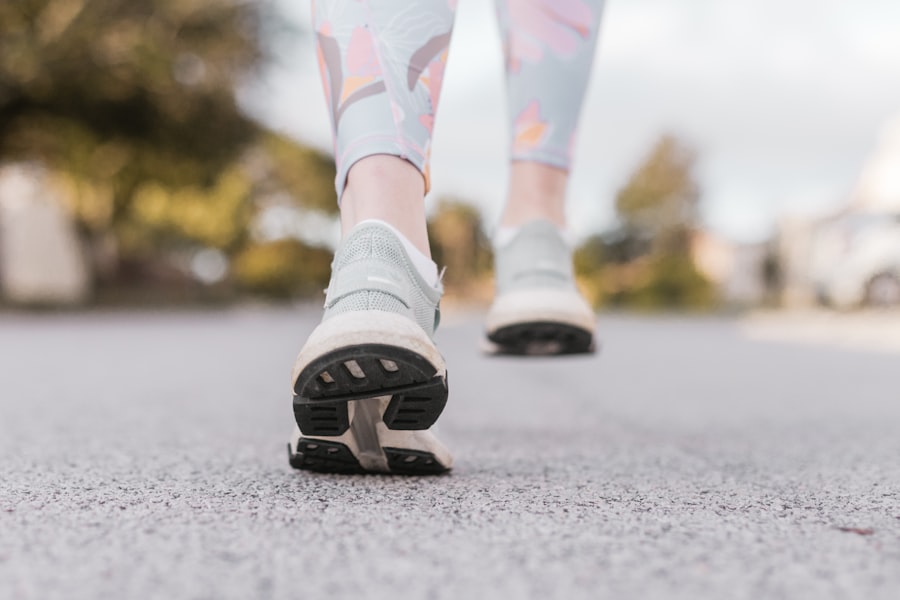
When it comes to establishing an exercise routine for yourself or a senior loved one, personalization is key. You may want to consider individual preferences, physical abilities, and any existing health conditions when selecting activities. It’s essential to choose exercises that are enjoyable and engaging; this will increase the likelihood of sticking with the routine over time.
You might explore options such as walking clubs, swimming classes, or even dance lessons to find what resonates best. Consulting with healthcare professionals or fitness experts who specialize in senior fitness can also provide valuable insights into creating an appropriate exercise plan. They can help assess current fitness levels and recommend suitable activities that align with personal goals.
By taking the time to tailor an exercise routine to individual needs and preferences, you can ensure that the experience is both enjoyable and beneficial.
Overcoming Barriers to Exercise in the Senior Population
Despite the numerous benefits of exercise, many seniors face barriers that hinder their ability to stay active. You may encounter challenges such as limited mobility, chronic pain, or lack of motivation that make it difficult to engage in regular physical activity. Recognizing these obstacles is the first step toward overcoming them.
It’s important to approach these challenges with empathy and understanding while exploring solutions that promote an active lifestyle. One effective strategy is to start small and gradually increase activity levels over time. You might consider setting achievable goals that encourage progress without overwhelming yourself or your loved one.
Additionally, seeking support from family members or friends can provide motivation and accountability. By addressing barriers head-on and fostering a supportive environment, you can empower yourself or your loved one to embrace a more active lifestyle.
Incorporating Socialization into Senior Fitness Activities
Socialization is an often-overlooked aspect of senior fitness that can significantly enhance the overall experience of exercising. You may find that participating in group activities not only makes exercise more enjoyable but also fosters connections with others who share similar interests. Whether it’s joining a local walking group or attending fitness classes at a community center, socializing while exercising can create a sense of belonging and camaraderie.
Moreover, engaging in social fitness activities can provide additional motivation to stay active. You might discover that having workout buddies encourages accountability and makes it easier to stick to a routine. The shared experiences of exercising together can lead to lasting friendships and support networks that contribute positively to mental health.
By prioritizing socialization within fitness activities, you can create a more enriching experience that enhances both physical health and emotional well-being.
Addressing Common Concerns About Exercise for Seniors
As you embark on an exercise journey or encourage a senior loved one to do so, it’s natural to have concerns about safety and effectiveness. Common worries include fears of injury or exacerbating existing health conditions. It’s essential to address these concerns by consulting with healthcare professionals who can provide guidance tailored to individual needs.
They can help dispel myths about exercise limitations for seniors and offer reassurance about the benefits of staying active. Additionally, educating yourself about safe exercise practices can alleviate fears associated with physical activity. You might consider starting with low-impact exercises that minimize strain on joints while still providing cardiovascular benefits.
Gradually increasing intensity as confidence builds can also help ease apprehensions about injury. By addressing common concerns proactively, you can foster a positive mindset toward exercise and encourage a commitment to an active lifestyle.
Creating a Safe and Accessible Exercise Environment for Seniors
Creating a safe exercise environment is crucial for seniors looking to stay active.
Simple modifications like using non-slip mats or ensuring adequate lighting can significantly reduce the risk of accidents during exercise sessions.
Accessibility is another important factor to consider when designing an exercise environment for seniors. You might explore options such as adaptive equipment or modified exercises that accommodate varying levels of mobility and strength. Ensuring that facilities are wheelchair accessible or providing transportation options for group classes can also enhance participation rates among seniors.
By prioritizing safety and accessibility, you create an environment conducive to regular physical activity.
Encouraging a Holistic Approach to Senior Health and Wellness
Finally, embracing a holistic approach to senior health encompasses not only physical fitness but also mental, emotional, and social well-being. You may find that integrating various aspects of wellness—such as nutrition, stress management techniques, and social engagement—can create a more comprehensive strategy for healthy aging. Focusing on overall wellness allows you to address multiple facets of health simultaneously.
Encouraging healthy eating habits alongside regular exercise can further enhance vitality as you age. You might explore meal planning strategies that prioritize nutrient-dense foods while considering personal preferences and dietary restrictions. Additionally, incorporating mindfulness practices such as meditation or deep breathing exercises can promote mental clarity and emotional resilience.
By adopting a holistic approach to health and wellness, you empower yourself or your loved one to thrive during the golden years while enjoying an enriched quality of life.
While walking is a beneficial form of exercise for seniors, it may not be sufficient on its own to address all aspects of health and wellness in older adults. According to an article on Explore Senior Health, incorporating a variety of exercises, such as strength training, flexibility exercises, and balance activities, can provide a more comprehensive approach to maintaining health in senior years. These additional forms of exercise can help improve muscle strength, enhance joint flexibility, and reduce the risk of falls, which are crucial for maintaining independence and quality of life as we age.
WATCH THIS! 🛑 The 5 “Healthy” Habits Quietly Destroying Your Independence After 60
FAQs
What are the limitations of walking for seniors?
Walking alone may not provide enough variety in movement and may not effectively target all muscle groups. It also may not provide enough resistance to maintain or build muscle strength.
What other forms of exercise are important for seniors?
In addition to walking, seniors should incorporate strength training, balance exercises, and flexibility exercises into their routine. These can help improve overall strength, balance, and flexibility, reducing the risk of falls and maintaining independence.
How can strength training benefit seniors?
Strength training can help seniors maintain muscle mass, improve bone density, and increase metabolism. It can also help with everyday tasks and reduce the risk of injury.
What are some examples of balance exercises for seniors?
Balance exercises for seniors can include standing on one foot, heel-to-toe walking, and tai chi. These exercises can help improve stability and reduce the risk of falls.
How can seniors incorporate flexibility exercises into their routine?
Seniors can incorporate flexibility exercises such as yoga, stretching, and Pilates into their routine to improve range of motion, reduce stiffness, and maintain mobility.
What are the overall benefits of incorporating a variety of exercises for seniors?
Incorporating a variety of exercises can help seniors maintain overall health and well-being, improve mobility, reduce the risk of injury, and enhance quality of life.