You likely understand that your body is a remarkable biological machine, constantly working to maintain itself. A key component in this ongoing maintenance, particularly for your skin, bones, and connective tissues, is collagen. Think of collagen as the scaffolding that provides structure and elasticity to these parts of you. As you age, or due to various lifestyle factors, your body’s natural collagen production can decline. This is where understanding the role of Vitamin C and its dietary sources becomes crucial. Vitamin C, also known as ascorbic acid, is not merely an immune-boosting nutrient; it’s an indispensable co-factor in the synthesis of collagen. Without sufficient Vitamin C, your body struggles to build and repair collagen effectively, akin to a construction crew missing essential tools. This article will explore the science behind this connection and guide you through the most effective Vitamin C-rich foods that can help you bolster your collagen levels.
To appreciate how Vitamin C aids collagen, you must first understand the intricate process of collagen synthesis. Collagen is a protein, and like all proteins, it’s built from amino acids. However, its unique triple-helix structure requires special modifications. This is where Vitamin C plays a pivotal and non-negotiable role.
Prolyl Hydroxylase and Lysyl Hydroxylase: The Enzymes in Charge
The formation of stable collagen molecules depends on the hydroxylation of proline and lysine amino acid residues within the polypeptide chains. These hydroxylation reactions are catalyzed by specific enzymes: prolyl hydroxylase and lysyl hydroxylase. These enzymes are essentially the artisans who sculpt the proline and lysine amino acids, adding hydroxyl groups (-OH). This seemingly small addition is critical; it allows the collagen chains to twist and interlock correctly, forming the robust triple helix.
Vitamin C’s Crucial Role as a Cofactor
This is where Vitamin C enters the biochemical arena, acting as a vital cofactor for both prolyl hydroxylase and lysyl hydroxylase. The enzymes require reduced iron ions to function. During their catalytic cycle, these iron ions can become oxidized, rendering them inactive. Vitamin C intervenes by donating electrons to the oxidized iron, effectively reducing it back to its active state. Without this constant regeneration of the iron cofactor by Vitamin C, the enzymes would cease to function, halting the crucial hydroxylation steps and ultimately impeding collagen formation. Imagine the enzymes as intricate machines; Vitamin C is the lubricant that keeps their moving parts, specifically the iron components, running smoothly and efficiently.
The Ramifications of Deficiency
When Vitamin C intake is insufficient, the hydroxylation of proline and lysine is impaired. The resulting collagen molecules are unstable and improperly formed. This can manifest in various ways. In severe deficiency (scurvy), the symptoms are drastic, including poor wound healing, bleeding gums, and joint pain, all directly attributable to defective collagen. Even sub-clinical deficiencies can lead to a suboptimal scaffolding, impacting skin elasticity, joint health, and the integrity of connective tissues throughout your body.
Vitamin C is essential for collagen production, making it crucial for maintaining skin elasticity and overall skin health. For those looking to enhance their collagen support through diet, incorporating vitamin C-rich foods can be incredibly beneficial. A related article that delves deeper into this topic can be found at Explore Senior Health, where you can discover various foods that not only boost your vitamin C intake but also promote healthy aging.
Top Dietary Sources: Your Vitamin C Powerhouses
Understanding the “why” is important, but the “how” – how to practically incorporate more Vitamin C into your diet – is equally vital. Fortunately, nature offers an abundance of delicious and readily available foods packed with this essential nutrient. Making these foods a regular part of your meals is a straightforward yet effective strategy for supporting your collagen production.
Citrus Fruits: The Quintessential Vitamin C Providers
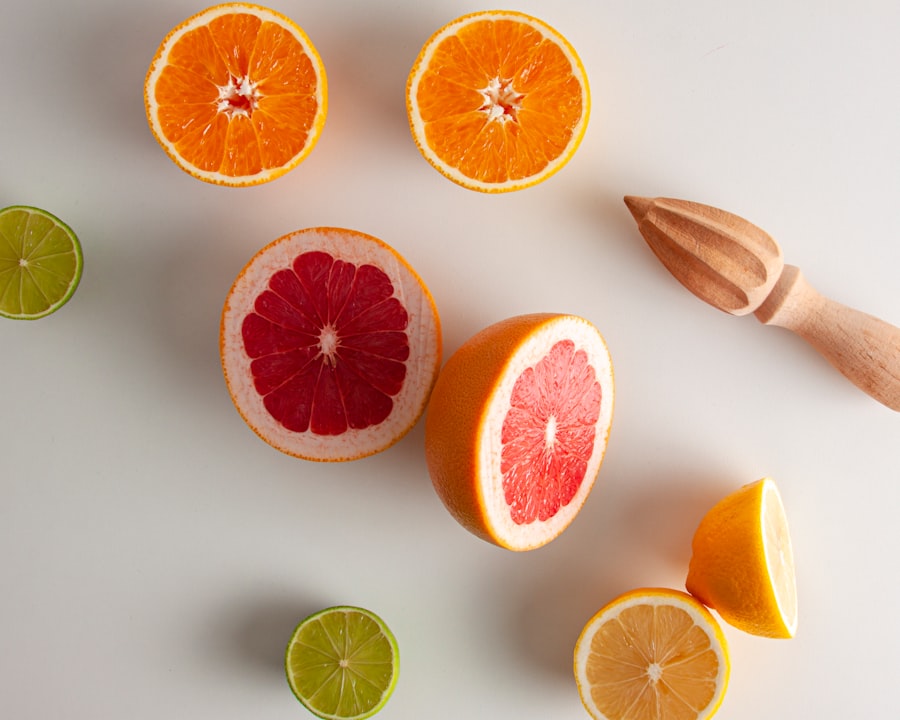
When you think of Vitamin C, citrus fruits are likely the first to come to mind, and for good reason. These tangy delights have long been recognized for their health benefits, with Vitamin C being their star attraction.
Oranges: A Classic Choice
Oranges are a universally loved fruit, and a medium-sized orange can provide a significant portion of your daily Vitamin C requirement. Beyond their refreshing taste, they offer a readily absorbable form of ascorbic acid. Incorporate them into your breakfast by juicing them or adding segments to your yogurt.
Grapefruits: Tart and Nutrient-Dense
Grapefruits, particularly the pink and red varieties, are also excellent sources of Vitamin C. Their slightly more bitter profile makes them a good choice for those who prefer a less sweet option. Enjoy half a grapefruit for breakfast, or use its juice in marinades.
Lemons and Limes: Versatile Flavor Enhancers
While not typically consumed in large quantities on their own, lemons and limes are potent sources of Vitamin C. Their acidity makes them invaluable for flavoring water, dressings, sauces, and marinades, allowing you to infuse meals with Vitamin C without overhauling your entire diet. A squeeze of lemon juice over fish or a lime in your salad dressing contributes valuable ascorbic acid.
Berries: Small Fruits, Mighty Antioxidants
Berries are not only visually appealing and delicious but also nutritional powerhouses, boasting a high concentration of Vitamin C alongside a wealth of antioxidants. Their small size belies their significant impact on your health.
Strawberries: Sweet and Satisfying
Strawberries are a delightful way to boost your Vitamin C intake. They are also rich in fiber and other beneficial compounds. Enjoy them fresh, in smoothies, or as a topping for your oatmeal.
Blueberries: A Brain and Collagen Booster
Blueberries are renowned for their antioxidant properties, and Vitamin C is among them. Their vibrant color is indicative of anthocyanins, which also contribute to their health benefits. While their Vitamin C content might be slightly lower than some other berries, their overall nutritional profile makes them a superb addition to your diet.
Raspberries and Blackberries: Tangy Treasures
Raspberries and blackberries offer a good dose of Vitamin C, along with fiber and other phytonutrients. Their tartness can be a welcome contrast in sweet dishes or a refreshing element in savory ones.
Tropical Fruits: Sunshine in Every Bite
Tropical fruits often conjure images of warmth and exotic flavors, and many of them are exceptionally rich in Vitamin C, offering a taste of the tropics while bolstering your collagen levels.
Kiwifruit: The Unsung Hero
Kiwifruit is often overlooked, but it’s a Vitamin C champion. Two kiwis can easily meet your daily needs. Their unique sweet-tart flavor and vibrant green flesh make them a versatile addition to fruit salads or smoothies.
Mangoes: A Sweet and Potent Source
Mangoes, with their luscious sweetness, are another excellent source of Vitamin C. Their tropical appeal makes them a particularly enjoyable way to increase your intake, especially during warmer months.
Papaya: Digestive Aid and Vitamin C Star
Papaya is not only known for its digestive enzymes (papain) but also for its considerable Vitamin C content. Its soft texture and sweet flavor make it a comforting and nutritious choice.
Leafy Greens: Your Everyday Vitamin C Allies
While fruits often steal the spotlight for Vitamin C, don’t underestimate the power of leafy green vegetables. These nutrient-dense plants offer a steady and consistent supply of ascorbic acid, making them essential for daily health maintenance.
Spinach: A Nutritional Chameleon
Spinach is incredibly versatile and can be incorporated into a vast array of dishes. Raw in salads or cooked in stir-fries, it provides a good amount of Vitamin C, along with iron and other essential vitamins and minerals. Its mild flavor makes it an easy addition for those who are not typically fond of greens.
Kale: The Nutrient-Dense King
Kale has gained significant popularity for its impressive nutrient profile, and Vitamin C is a significant component. Whether steamed, sautéed, or blended into smoothies, kale is a potent source of ascorbic acid and a wealth of other beneficial compounds. Its slightly bitter taste can be mellowed by cooking or pairing with sweeter ingredients.
Bell Peppers: Color and Vitamin C Power
Bell peppers, in all their vibrant hues – red, yellow, and orange – are surprisingly rich in Vitamin C, often exceeding that of some citrus fruits. Red bell peppers, in particular, tend to have the highest concentration. They are wonderfully versatile, enjoyed raw in salads, roasted, or stir-fried. Their crunch adds a pleasing texture to meals.
Red Bell Peppers: The Sweetest Surprise
Red bell peppers are not only visually appealing but also the sweetest and most Vitamin C-rich among their colored counterparts. Their high nutrient density makes them a fantastic addition to any meal aiming to boost collagen.
Yellow and Orange Bell Peppers: Equally Beneficial
While red bell peppers often take the lead, yellow and orange varieties are also excellent sources of Vitamin C and offer a delightful flavor. Their inclusion adds diversity to your diet and ensures consistent nutrient intake.
Beyond Fruits and Vegetables: Unexpected Allies
While fruits and vegetables are the primary go-to for Vitamin C, some other food categories also contribute. Incorporating these into your diet can provide a more comprehensive approach to increasing your ascorbic acid intake and supporting collagen synthesis.
Cruciferous Vegetables: More Than Just Fiber
Cruciferous vegetables, a family that includes broccoli and Brussels sprouts, are well-known for their fiber and nutrient content. They also provide a respectable amount of Vitamin C.
Broccoli: A Versatile Staple
Broccoli is a nutritional powerhouse that offers a good source of Vitamin C, along with fiber and various antioxidants. Steamed, roasted, or added to stir-fries, it’s a simple way to boost your Vitamin C intake.
Brussels Sprouts: Tiny Indeed, Mighty Nutrients
Brussels sprouts, though small, are packed with nutrients, including Vitamin C. Roasting them to a crisp can transform their flavor and make them a more appealing dietary inclusion for many.
Herbs: Tiny Sprigs, Big Impact
Fresh herbs are often used in small quantities for flavor, but some, like parsley, can contribute a surprising amount of Vitamin C.
Parsley: A Garnish That Counts
Fresh parsley, often used as a garnish, is a surprisingly good source of Vitamin C. While you may not consume large quantities, the cumulative effect of adding it liberally to your meals can be beneficial.
Incorporating vitamin C rich foods into your diet can significantly enhance collagen production, which is essential for maintaining skin elasticity and overall health. For those looking to explore more about the benefits of these foods, a related article can provide valuable insights. You can read more about it in this informative piece that discusses various options to boost your vitamin C intake and support your body’s collagen needs.
Lifestyle Factors and Collagen Health
| Food Item | Vitamin C Content (mg per 100g) | Collagen Support Benefits |
|---|---|---|
| Guava | 228.3 | Boosts collagen synthesis and skin elasticity |
| Kiwi | 92.7 | Enhances collagen production and antioxidant protection |
| Strawberries | 58.8 | Supports collagen formation and skin repair |
| Oranges | 53.2 | Promotes collagen synthesis and immune function |
| Red Bell Peppers | 80.4 | Rich in vitamin C, aids collagen production and skin health |
| Broccoli | 89.2 | Supports collagen formation and provides antioxidants |
| Brussels Sprouts | 85.0 | Enhances collagen synthesis and skin protection |
While dietary intake of Vitamin C is paramount, your overall lifestyle also plays a significant role in maintaining collagen health. Certain habits can actively work against your body’s collagen-building efforts, making it even more important to provide your body with the building blocks it needs.
The Scourge of Smoking
Smoking is a major antagonist to collagen. The chemicals in cigarette smoke not only damage existing collagen fibers but also interfere with the body’s ability to produce new collagen. This process is akin to pouring acid on your scaffolding. The oxidative stress induced by smoking depletes Vitamin C levels within the body, further compounding the problem. Quitting smoking is one of the most impactful steps you can take for your overall health, including the integrity of your collagen.
Sun Exposure: Friend and Foe
While moderate sun exposure is necessary for Vitamin D synthesis, excessive and unprotected exposure to ultraviolet (UV) radiation from the sun is detrimental to collagen. UV rays break down existing collagen fibers and inhibit new collagen production. This is why sunscreen is not just for preventing sunburn but also for preserving the structural integrity of your skin over time. Think of your skin as a delicate tapestry; excessive sun exposure is like a harsh scrubbing that frays the threads.
The Importance of Hydration
Water is the unsung hero of countless bodily functions, and collagen production and maintenance are no exception. Proper hydration is essential for cell function, nutrient transport, and waste removal. Dehydration can make your skin appear less plump and can hinder the efficient delivery of nutrients, including Vitamin C, to the cells responsible for collagen synthesis.
Adequate Sleep and Stress Management
Chronic stress and lack of sleep can elevate cortisol levels, a hormone that has been shown to break down collagen. Prioritizing adequate sleep and implementing stress-management techniques can indirectly support your body’s collagen production by reducing these catabolic processes.
Balanced Diet Beyond Vitamin C
While Vitamin C is crucial, a balanced diet rich in other essential nutrients is also vital for overall collagen health. Proteins provide the amino acids that are the building blocks of collagen. Minerals like copper and zinc are also involved in collagen synthesis and cross-linking. Ensuring a varied and nutrient-dense diet will create the optimal environment for your body to produce strong and resilient collagen.
By understanding the profound connection between Vitamin C and collagen synthesis, and by consciously incorporating the Vitamin C-rich foods discussed, you can actively invest in the structural integrity and youthful vitality of your body. This isn’t about chasing fleeting trends; it’s about understanding and leveraging the power of nutrition for long-term health and resilience.
FAQs
What role does vitamin C play in collagen production?
Vitamin C is essential for collagen synthesis as it helps stabilize and cross-link the collagen molecules, which strengthens connective tissues and supports skin health.
Which foods are rich in vitamin C for collagen support?
Foods high in vitamin C include citrus fruits (oranges, lemons, grapefruits), strawberries, kiwi, bell peppers, broccoli, Brussels sprouts, and spinach.
How much vitamin C is recommended daily for collagen support?
The recommended daily intake of vitamin C for adults is about 75 mg for women and 90 mg for men, which can be met through a balanced diet rich in fruits and vegetables.
Can vitamin C supplements replace vitamin C rich foods for collagen production?
While supplements can help meet vitamin C needs, obtaining vitamin C from whole foods is preferred because they provide additional nutrients and antioxidants beneficial for overall health.
Does cooking affect the vitamin C content in foods?
Yes, vitamin C is sensitive to heat and can be reduced during cooking. To preserve vitamin C, it is best to consume some vitamin C rich foods raw or use cooking methods like steaming or microwaving.