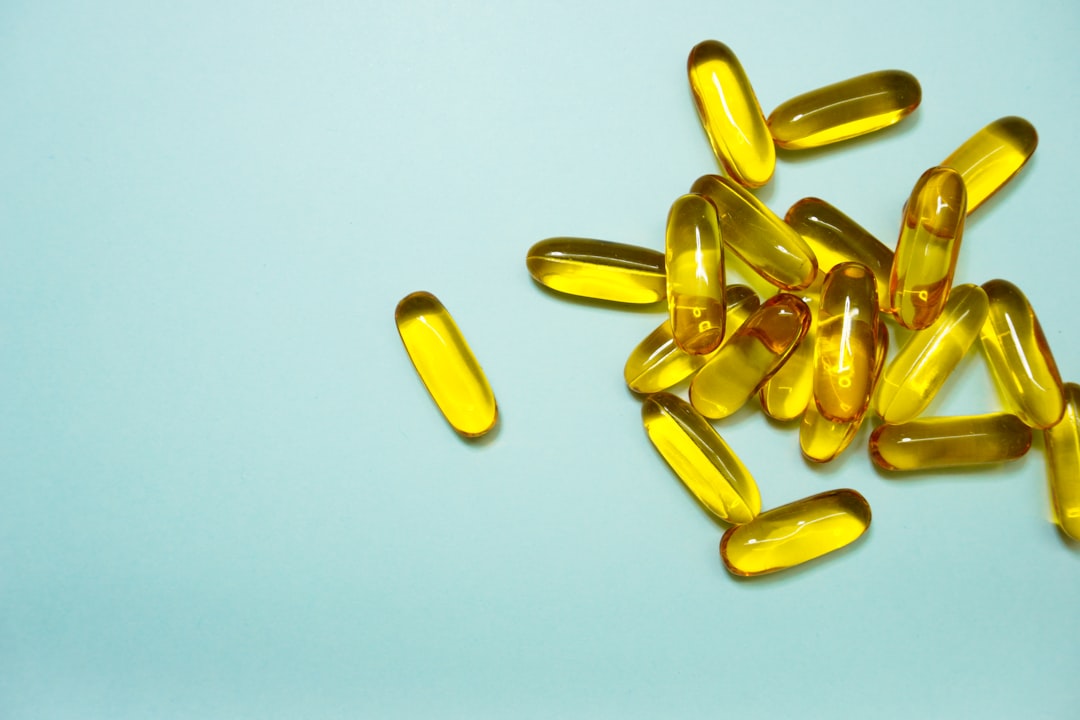
Your liver is one of the most vital organs in your body, playing a crucial role in various metabolic processes. It acts as a filter, processing everything you consume, from food to medications, and detoxifying harmful substances. When your liver is functioning optimally, it helps maintain your overall health, energy levels, and even your mood.
However, when liver health is compromised, it can lead to a cascade of health issues, including fatigue, digestive problems, and even more severe conditions like liver disease. Understanding the importance of liver health is the first step toward ensuring that this essential organ continues to function effectively. Maintaining liver health is not just about avoiding alcohol or unhealthy foods; it encompasses a holistic approach that includes diet, exercise, and lifestyle choices.
You may not realize it, but your daily habits can significantly impact your liver’s ability to perform its functions. Factors such as stress, lack of sleep, and exposure to environmental toxins can all contribute to liver strain. By prioritizing liver health, you are investing in your overall well-being and longevity.
Key Takeaways
- Maintaining liver health is crucial for overall well-being and detoxification processes.
- Supplements, including essential nutrients, herbs, antioxidants, and omega-3s, can support liver function.
- Probiotics and vitamin D play important roles in promoting both gut and liver health.
- Minerals and herbal supplements aid in liver detoxification but require careful use and consideration.
- A holistic approach combining diet, lifestyle changes, and supplements is key to optimal liver health.
The Role of Supplements in Supporting Liver Function
In today’s fast-paced world, it can be challenging to obtain all the nutrients your liver needs solely from your diet. This is where supplements come into play. They can serve as an effective way to fill nutritional gaps and provide your liver with the support it requires to function optimally.
While a balanced diet rich in fruits, vegetables, whole grains, and lean proteins is essential, supplements can enhance your efforts by delivering concentrated doses of vital nutrients that may be lacking in your daily intake.
Some supplements are specifically designed to support liver detoxification processes or enhance liver function.
By incorporating these supplements into your routine, you can help your liver perform its essential tasks more efficiently, ultimately leading to better overall health.
Essential Nutrients for Liver Health
Your liver requires a variety of nutrients to function properly, and understanding which ones are essential can help you make informed dietary choices. Among these nutrients, B vitamins play a significant role in energy metabolism and the synthesis of important compounds that support liver function. For instance, vitamin B12 is crucial for the production of red blood cells and DNA synthesis, while folate helps in the detoxification process.
Ensuring you get enough B vitamins through diet or supplementation can significantly benefit your liver. Another essential nutrient for liver health is choline. This nutrient is vital for fat metabolism and helps prevent the accumulation of fat in the liver.
A deficiency in choline can lead to fatty liver disease, which can have serious health implications. Foods rich in choline include eggs, fish, and certain nuts. By incorporating these foods into your diet or considering choline supplements, you can support your liver’s ability to process fats effectively.
Herbal Supplements for Liver Detoxification
| Herbal Supplement | Active Compounds | Common Uses | Dosage | Potential Benefits | Possible Side Effects |
|---|---|---|---|---|---|
| Milk Thistle (Silybum marianum) | Silymarin | Liver detoxification, antioxidant support | 140 mg to 420 mg daily | Protects liver cells, promotes regeneration | Gastrointestinal upset, allergic reactions |
| Dandelion Root (Taraxacum officinale) | Taraxacin, sesquiterpene lactones | Supports bile production, liver cleansing | 500 mg to 2000 mg daily | Enhances liver function, diuretic effect | Allergic reactions, stomach discomfort |
| Turmeric (Curcuma longa) | Curcumin | Anti-inflammatory, liver protection | 500 mg to 2000 mg daily | Reduces liver inflammation, antioxidant | Upset stomach, risk of bleeding |
| Artichoke Leaf (Cynara scolymus) | Cynarin, flavonoids | Supports bile flow, liver detox | 320 mg to 640 mg daily | Improves digestion, protects liver cells | Allergic reactions, gastrointestinal issues |
| Schisandra (Schisandra chinensis) | Lignans | Enhances liver detoxification enzymes | 1 to 3 grams daily | Improves liver function, antioxidant | Heartburn, upset stomach |
Herbal supplements have gained popularity for their potential benefits in supporting liver detoxification processes. One of the most well-known herbs for liver health is milk thistle. This herb contains silymarin, a compound that has been shown to protect liver cells from damage and promote regeneration.
If you’re looking for a natural way to support your liver’s detoxification capabilities, milk thistle may be worth considering. Another herbal supplement that has garnered attention is dandelion root. Traditionally used in herbal medicine, dandelion root is believed to stimulate bile production and improve digestion.
By enhancing bile flow, it may help your liver eliminate toxins more efficiently. Incorporating herbal supplements like milk thistle and dandelion root into your routine can provide additional support for your liver’s detoxification processes.
Antioxidants and Liver Health
Antioxidants play a crucial role in protecting your liver from oxidative stress caused by free radicals. These unstable molecules can damage liver cells and contribute to inflammation and disease progression. By consuming foods rich in antioxidants or taking antioxidant supplements, you can help safeguard your liver against oxidative damage.
Vitamins C and E are two powerful antioxidants that have been shown to support liver health. In addition to vitamins C and E, other antioxidants such as glutathione are vital for maintaining optimal liver function. Glutathione is a potent antioxidant produced by the body that helps neutralize free radicals and detoxify harmful substances.
You can boost your body’s glutathione levels by consuming foods like garlic, onions, and cruciferous vegetables such as broccoli and Brussels sprouts. By prioritizing antioxidant-rich foods and supplements, you can enhance your liver’s ability to combat oxidative stress.
Omega-3 Fatty Acids and Liver Function

Omega-3 fatty acids are essential fats that play a significant role in maintaining overall health, including liver function. These healthy fats have anti-inflammatory properties that can help reduce inflammation in the liver and improve insulin sensitivity. If you’re looking to support your liver health, incorporating omega-3 fatty acids into your diet is a wise choice.
You can find omega-3 fatty acids in fatty fish such as salmon, mackerel, and sardines, as well as in flaxseeds and walnuts. If you struggle to get enough omega-3s from food sources alone, consider taking a high-quality fish oil supplement. Research suggests that omega-3 supplementation may help reduce fat accumulation in the liver and improve overall liver function.
By prioritizing omega-3 fatty acids in your diet or through supplementation, you can take proactive steps toward supporting your liver health.
Probiotics for Gut and Liver Health
The connection between gut health and liver function is becoming increasingly recognized in the field of health and wellness. Your gut microbiome plays a crucial role in digestion and nutrient absorption, which directly impacts your liver’s workload. Probiotics are beneficial bacteria that can help maintain a healthy gut microbiome and support overall digestive health.
By incorporating probiotic-rich foods such as yogurt, kefir, sauerkraut, or taking probiotic supplements, you can promote a balanced gut microbiome. A healthy gut can reduce the burden on your liver by improving nutrient absorption and minimizing inflammation throughout the body. Additionally, some studies suggest that probiotics may help reduce the risk of developing fatty liver disease by improving insulin sensitivity and reducing inflammation.
Vitamin D and its Impact on Liver Health
Vitamin D is often referred to as the “sunshine vitamin” due to its synthesis in the skin upon exposure to sunlight. However, its importance extends beyond bone health; it also plays a significant role in liver function. Research has shown that adequate levels of vitamin D are associated with better liver health outcomes.
Low levels of vitamin D have been linked to various liver conditions, including non-alcoholic fatty liver disease (NAFLD). If you’re concerned about your vitamin D levels, consider getting tested and discussing supplementation with your healthcare provider if necessary. Foods rich in vitamin D include fatty fish, fortified dairy products, and egg yolks.
By ensuring you maintain optimal vitamin D levels through sunlight exposure or dietary sources, you can positively impact your liver health.
Liver Supportive Minerals
In addition to vitamins and fatty acids, certain minerals are essential for maintaining optimal liver function. Zinc is one such mineral that plays a critical role in numerous enzymatic reactions within the liver. It supports immune function and helps with the metabolism of carbohydrates and fats.
Foods rich in zinc include shellfish, legumes, seeds, nuts, and whole grains. Another important mineral for liver health is selenium. This trace mineral acts as an antioxidant and helps protect the liver from oxidative stress.
Brazil nuts are an excellent source of selenium; just a small amount can provide you with more than enough of this essential mineral for the day. By ensuring you get adequate amounts of zinc and selenium through diet or supplementation, you can further support your liver’s health.
Precautions and Considerations when Using Liver Health Supplements
While supplements can be beneficial for supporting liver health, it’s essential to approach them with caution. Not all supplements are created equal; some may interact with medications or have adverse effects if taken in excess. Before starting any new supplement regimen, it’s wise to consult with a healthcare professional who understands your individual health needs.
Additionally, be mindful of the quality of the supplements you choose. Look for products that have been third-party tested for purity and potency to ensure you’re getting what you pay for. It’s also important to remember that supplements should complement a healthy lifestyle rather than replace it; focusing on a balanced diet and regular exercise should always be your primary strategy for maintaining optimal liver health.
Creating a Holistic Approach to Liver Health with Diet and Lifestyle Changes
To truly support your liver health, it’s crucial to adopt a holistic approach that encompasses both dietary choices and lifestyle changes. Start by focusing on whole foods that nourish your body—fruits, vegetables, whole grains, lean proteins, and healthy fats should form the foundation of your diet. Reducing processed foods high in sugar and unhealthy fats will also benefit not only your liver but your overall well-being.
In addition to dietary changes, consider incorporating regular physical activity into your routine.
Aim for at least 150 minutes of moderate-intensity exercise each week to reap the benefits.
Furthermore, managing stress through mindfulness practices such as yoga or meditation can also positively impact your liver health by reducing inflammation throughout the body. Prioritizing sleep is equally important; aim for 7-9 hours of quality sleep each night to allow your body ample time to repair itself. By taking a comprehensive approach that includes dietary adjustments, exercise, stress management techniques, and proper supplementation when necessary, you can create an environment conducive to optimal liver health—ultimately leading to improved overall well-being.
If you’re looking to enhance your liver function naturally, you might find valuable insights in the article available on Explore Senior Health. This resource provides a comprehensive overview of various supplements that can support liver health. For more information, you can read the article [here](https://www.exploreseniorhealth.com/).
FAQs
What are some common supplements used to improve liver function naturally?
Common supplements that may support liver function include milk thistle, dandelion root, turmeric, artichoke extract, and N-acetyl cysteine (NAC). These supplements are believed to have antioxidant and anti-inflammatory properties that can help protect liver cells.
How does milk thistle help with liver health?
Milk thistle contains silymarin, a compound known for its antioxidant and anti-inflammatory effects. It may help protect liver cells from toxins, support liver regeneration, and improve overall liver function.
Are these supplements safe to use for everyone?
While many liver-supporting supplements are generally considered safe for most people, they can interact with medications or cause side effects in some individuals. It is important to consult a healthcare professional before starting any new supplement, especially if you have existing health conditions or are taking other medications.
Can supplements replace medical treatment for liver diseases?
No, supplements should not replace conventional medical treatment for liver diseases. They may be used as complementary support but should always be taken under the guidance of a healthcare provider.
How long does it take to see improvements in liver function after taking supplements?
The time frame for seeing improvements varies depending on the individual, the supplement used, and the underlying liver condition. Some people may notice benefits within weeks, while others may require longer periods. Regular monitoring by a healthcare professional is recommended.
Are there lifestyle changes that can enhance liver health alongside supplements?
Yes, lifestyle changes such as maintaining a balanced diet, avoiding excessive alcohol consumption, exercising regularly, and managing weight can significantly improve liver health and complement the effects of supplements.
Can natural supplements detoxify the liver?
The liver naturally detoxifies the body, and while some supplements may support this process by enhancing liver function or protecting liver cells, the concept of “detoxifying” the liver with supplements is not scientifically proven. Supporting liver health through a healthy lifestyle is the most effective approach.
Is it necessary to take supplements if I have a healthy liver?
If you have a healthy liver and maintain a balanced lifestyle, supplements are generally not necessary. However, some people choose to take them as a preventive measure. It is best to discuss this with a healthcare provider to determine what is appropriate for your individual health needs.