
Resistant starch is a type of carbohydrate that resists digestion in the small intestine. Unlike conventional starch, which breaks down into glucose for immediate energy use, resistant starch passes through the digestive system without being fully broken down. This property enables it to function like dietary fiber, contributing to digestive health and providing various physiological benefits.
In the large intestine, resistant starch undergoes fermentation by beneficial bacteria, producing short-chain fatty acids including butyrate, acetate, and propionate. This fermentation process supports the gut microbiome and has been associated with improved blood glucose regulation and enhanced insulin sensitivity. Resistant starch is classified into four main types based on its structure and source.
Type 1 resistant starch occurs naturally in whole grains, legumes, and seeds due to physical barriers that prevent enzymatic access. Type 2 is found in foods such as raw potatoes, green bananas, and high-amylose corn, where the starch granule structure resists digestion. Type 3, also known as retrograded starch, forms when starchy foods like potatoes, rice, and pasta are cooked and subsequently cooled, causing the starch molecules to reorganize into a more resistant form.
Type 4 consists of chemically modified starches used in food processing. Research indicates that incorporating resistant starch into the diet may support digestive health and contribute to the management of metabolic conditions.
Key Takeaways
- Resistant starch is a type of carbohydrate that resists digestion and offers health benefits like improved gut health.
- Common sources include green bananas, cooked and cooled potatoes, legumes, and whole grains.
- Cooking methods such as boiling and then cooling foods can increase their resistant starch content.
- Incorporate resistant starch into meals by adding legumes, using cooled starchy foods, and combining with nutrient-rich ingredients.
- Track intake and plan meals to consistently boost resistant starch consumption while overcoming common dietary challenges.
Identifying Resistant Starch Sources
Identifying sources of resistant starch is essential for anyone looking to boost their intake. You may be surprised to discover that many common foods contain this beneficial carbohydrate. For example, legumes such as lentils and chickpeas are excellent sources of resistant starch, providing not only fiber but also protein and essential nutrients.
Whole grains like barley and oats also contribute to your resistant starch intake, making them a smart choice for breakfast or as a side dish. Additionally, certain fruits and vegetables, particularly those that are unripe or cooked and cooled, can be rich in resistant starch. Another great source of resistant starch is potatoes, especially when they are cooked and then cooled.
This cooling process transforms some of the digestible starch into resistant starch, making it a valuable addition to your diet. Green bananas are another fantastic option; they contain high levels of resistant starch before they ripen. By incorporating these foods into your meals, you can easily increase your intake of resistant starch while enjoying a variety of flavors and textures.
Cooking Techniques to Increase Resistant Starch Content
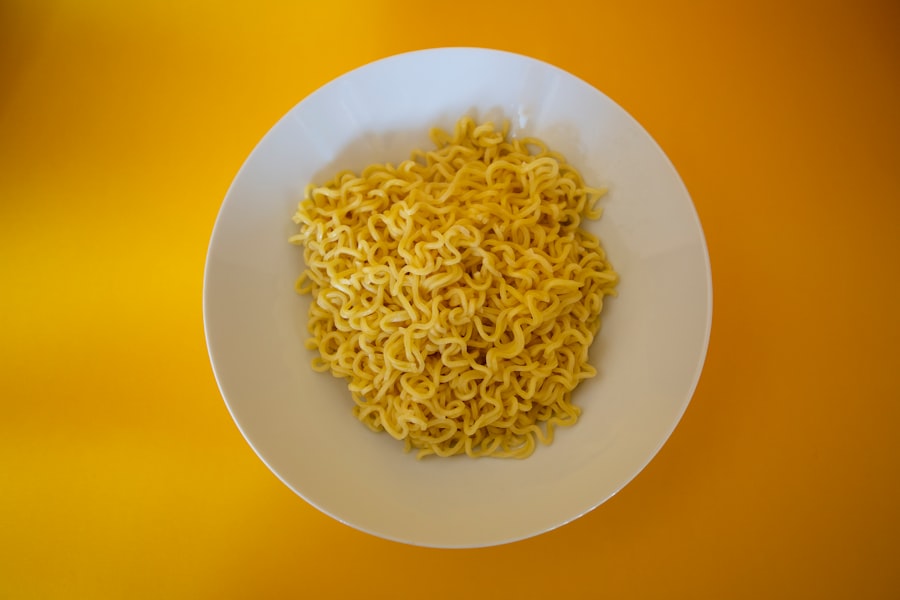
The way you prepare your food can significantly impact its resistant starch content. One effective technique is cooking starchy foods like potatoes or rice and then allowing them to cool before consuming them. This cooling process encourages the formation of resistant starch, making it more beneficial for your gut health.
You might consider preparing a batch of rice or pasta ahead of time, refrigerating it, and then using it in salads or stir-fries later in the week. This not only enhances the resistant starch content but also adds convenience to your meal prep. Another cooking method to consider is steaming or boiling vegetables rather than frying them.
Steaming helps retain the nutrients while also promoting the formation of resistant starch in certain vegetables. If you enjoy baking, try incorporating green bananas into your recipes for muffins or pancakes; their natural sweetness can enhance flavor while providing a healthy dose of resistant starch. By experimenting with these cooking techniques, you can maximize the benefits of resistant starch in your diet.
Incorporating Resistant Starch into Your Diet
Incorporating resistant starch into your daily meals can be both enjoyable and straightforward. Start by adding legumes to your salads or soups; they not only provide a hearty texture but also boost your fiber intake. You might also consider swapping out regular pasta for whole grain or legume-based alternatives that are higher in resistant starch.
For breakfast, opt for oatmeal topped with sliced bananas or berries; this combination not only tastes great but also offers a significant amount of resistant starch. Another easy way to include resistant starch is by snacking on foods like roasted chickpeas or edamame. These snacks are not only delicious but also packed with nutrients that support your overall health.
You could also experiment with smoothies by adding a scoop of green banana powder or cooked and cooled sweet potatoes for an extra nutritional punch. By being mindful of your food choices and incorporating these strategies, you can seamlessly integrate resistant starch into your diet.
Creating Resistant Starch-rich Recipes
| Method to Increase Resistant Starch Intake | Example Foods | Estimated Resistant Starch Content (g per 100g) | Notes |
|---|---|---|---|
| Consume Cooked and Cooled Potatoes | Boiled potatoes, cooled in fridge | 3-5 g | Cooling increases resistant starch via retrogradation |
| Eat Green (Unripe) Bananas or Plantains | Raw green bananas, plantains | 4-5 g | High in resistant starch before ripening |
| Include Legumes in Diet | Lentils, chickpeas, black beans | 3-8 g | Cooking method affects resistant starch levels |
| Use Cooked and Cooled Rice | White or brown rice, cooked and chilled | 2-4 g | Cooling increases resistant starch content |
| Add Raw Potato Starch Supplement | Raw potato starch powder | ~80 g | Highly concentrated source, used as supplement |
| Eat Whole Grains | Barley, oats, whole wheat | 1-3 g | Contains some resistant starch and fiber |
| Consume Cooked and Cooled Pasta | Spaghetti, macaroni, cooked and chilled | 1-3 g | Cooling increases resistant starch via retrogradation |
Creating recipes that are rich in resistant starch can be a fun culinary adventure. Consider making a hearty lentil salad with diced vegetables and a tangy vinaigrette; this dish is not only filling but also packed with nutrients and resistant starch. You could also try preparing a cold pasta salad using whole grain pasta that has been cooked and cooled, mixed with fresh vegetables and a light dressing for a refreshing meal option.
For breakfast, think about whipping up some pancakes using green banana flour or adding mashed sweet potatoes to your batter.
Additionally, consider making overnight oats with chia seeds and topped with fruits; this dish is not only nutritious but also incredibly versatile.
By experimenting with different ingredients and flavors, you can create a variety of meals that are both satisfying and rich in resistant starch.
Combining Resistant Starch with Other Nutrient-rich Foods
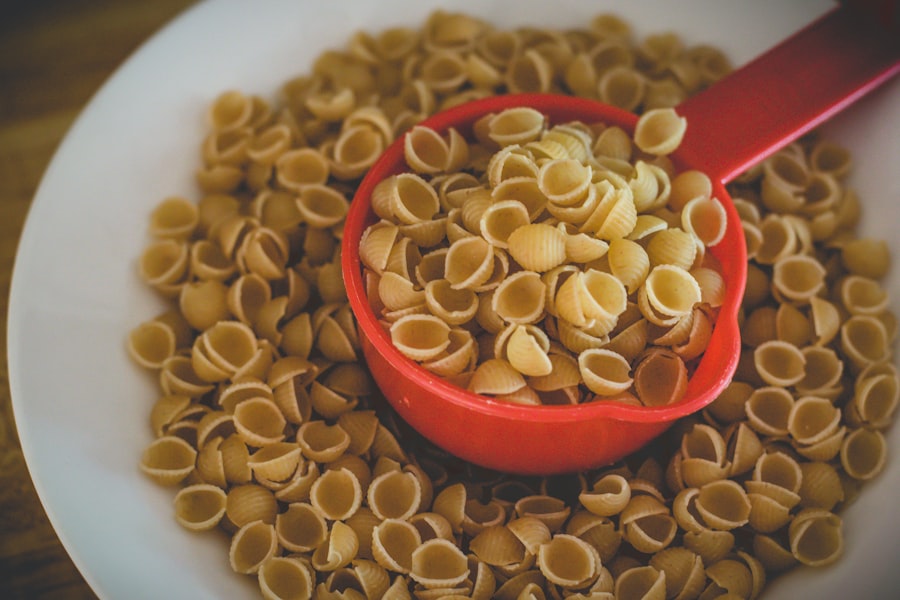
Combining resistant starch with other nutrient-rich foods can amplify the health benefits of your meals. For instance, pairing legumes with leafy greens creates a powerhouse dish that is high in fiber, protein, and essential vitamins. You might enjoy a warm quinoa salad topped with black beans, avocado, and a squeeze of lime for a refreshing yet filling meal that supports your nutritional needs.
Another great combination is incorporating resistant starch-rich foods into smoothies alongside fruits and vegetables. For example, blending cooked and cooled sweet potatoes with spinach, almond milk, and a banana creates a creamy smoothie that is both delicious and packed with nutrients. By thoughtfully combining these foods, you can create balanced meals that not only satisfy your hunger but also nourish your body.
Maximizing Resistant Starch Benefits
To maximize the benefits of resistant starch, it’s important to consume it regularly as part of a balanced diet. Aim to include a variety of sources in your meals throughout the week to ensure you’re getting different types of resistant starches. This diversity can help support gut health by promoting a varied microbiome, which is essential for overall wellness.
Additionally, consider timing your intake around physical activity. Consuming foods rich in resistant starch after exercise may help replenish glycogen stores while also supporting recovery through improved gut health. Staying hydrated is equally important; drinking plenty of water can aid digestion and enhance the benefits of fiber-rich foods like those containing resistant starch.
By being mindful of how you incorporate these foods into your lifestyle, you can fully harness their potential health benefits.
Overcoming Common Challenges in Boosting Resistant Starch Intake
While increasing your intake of resistant starch can be beneficial, you may encounter some challenges along the way. One common issue is simply not knowing where to start or how to incorporate these foods into your existing diet. To overcome this hurdle, consider planning meals ahead of time that include resistant starch sources; this will help you stay organized and ensure you’re meeting your nutritional goals.
Another challenge could be adjusting to new flavors or textures associated with resistant starch-rich foods. If you’re used to more traditional carbohydrate sources, it may take some time to adapt to alternatives like legumes or whole grains. To ease this transition, try gradually introducing these foods into your meals rather than making drastic changes all at once.
Experimenting with different recipes can also help you discover new favorites that make the process enjoyable.
Tips for Shopping for Resistant Starch Foods
When shopping for foods rich in resistant starch, it’s helpful to know what to look for in the grocery store. Start by exploring the produce section for fresh fruits and vegetables; unripe bananas and potatoes are excellent choices that provide significant amounts of resistant starch. Additionally, consider visiting the bulk section for whole grains like barley or quinoa; buying in bulk can often save you money while allowing you to try different varieties.
Don’t forget about legumes! Canned or dried beans, lentils, and chickpeas are readily available options that can easily be incorporated into various dishes. When selecting packaged products like pasta or bread, check the ingredient list for whole grains or legume-based options that are higher in fiber and resistant starch content.
By being mindful during your shopping trips, you can stock up on nutritious foods that support your health goals.
Including Resistant Starch in Meal Planning
Meal planning is an effective strategy for ensuring you consistently include resistant starch in your diet. Start by dedicating one day each week to plan out your meals; this will help you identify which sources of resistant starch you want to incorporate throughout the week. Consider preparing larger batches of dishes like soups or salads that feature legumes or whole grains so you have leftovers ready for quick meals.
You might also create themed days around specific types of resistant starch; for example, designate one day for legume-based meals and another for whole grains. This approach not only keeps things interesting but also encourages variety in your diet. By taking the time to plan ahead, you’ll find it easier to meet your nutritional needs while enjoying delicious meals.
Tracking and Monitoring Resistant Starch Intake
Tracking your intake of resistant starch can provide valuable insights into how these foods impact your overall health and well-being. Consider keeping a food diary where you note down what you eat each day; this will help you identify patterns and ensure you’re meeting your goals for resistant starch consumption. There are also various apps available that allow you to log your meals and track nutrient intake more easily.
Monitoring how different sources of resistant starch affect your digestion and energy levels can help you fine-tune your diet over time. Pay attention to how certain foods make you feel; if you notice improvements in digestion or energy after incorporating more resistant starch-rich foods, it may motivate you to continue including them in your meals regularly. By being proactive about tracking your intake, you can make informed decisions that support your health journey effectively.
In conclusion, understanding and incorporating resistant starch into your diet can lead to numerous health benefits while enhancing overall well-being. By identifying sources, utilizing effective cooking techniques, creating delicious recipes, and being mindful about meal planning and tracking intake, you can seamlessly integrate this powerful carbohydrate into your lifestyle for optimal health outcomes.
Increasing your intake of resistant starch can be a beneficial way to enhance gut health and improve overall digestion. One effective strategy is to incorporate more foods rich in resistant starch, such as green bananas, cooked and cooled potatoes, and legumes. For more detailed insights on dietary changes that can promote better health, you can check out this related article on senior health at Explore Senior Health.
FAQs
What is resistant starch?
Resistant starch is a type of carbohydrate that resists digestion in the small intestine and ferments in the large intestine. It acts like dietary fiber and provides various health benefits, including improved gut health and better blood sugar control.
Why should I increase my resistant starch intake?
Increasing resistant starch intake can promote digestive health by feeding beneficial gut bacteria, improve insulin sensitivity, help regulate blood sugar levels, and may aid in weight management by increasing feelings of fullness.
Which foods are high in resistant starch?
Foods high in resistant starch include cooked and cooled potatoes, green bananas, legumes (such as lentils and chickpeas), whole grains like barley and oats, and cooked and cooled rice.
How can I increase resistant starch in my diet?
You can increase resistant starch intake by incorporating more legumes, eating green or slightly unripe bananas, consuming cooked and cooled starchy foods like potatoes and rice, and choosing whole grains over refined grains.
Does cooking affect resistant starch content?
Yes, cooking can reduce resistant starch content, but cooling cooked starchy foods like potatoes, rice, and pasta increases their resistant starch through a process called retrogradation.
Is resistant starch safe for everyone?
For most people, resistant starch is safe and beneficial. However, those with certain digestive conditions, such as irritable bowel syndrome (IBS), may experience gas or bloating and should increase intake gradually.
How much resistant starch should I consume daily?
There is no official recommended daily intake, but studies suggest that consuming 15-30 grams of resistant starch per day can provide health benefits.
Can resistant starch help with weight loss?
Resistant starch may aid weight management by increasing feelings of fullness and reducing appetite, which can help reduce overall calorie intake.
Does resistant starch affect blood sugar levels?
Yes, resistant starch can help improve blood sugar control by slowing digestion and reducing blood sugar spikes after meals.
Can I take resistant starch supplements?
Yes, resistant starch supplements are available, but it is generally recommended to obtain resistant starch from whole food sources for additional nutrients and fiber.