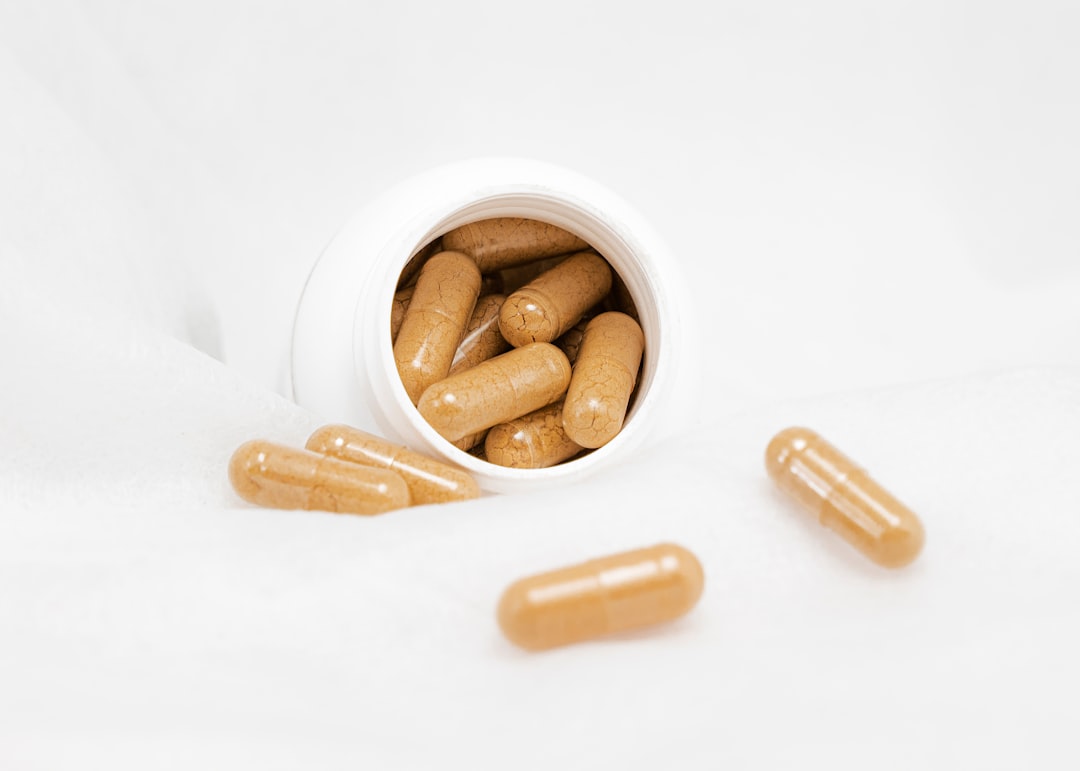
As aging progresses, gut health becomes increasingly important. The gut functions beyond digestion, significantly impacting overall health. A well-functioning gut influences immune response and mental health, making it a priority concern for older adults.
The gut microbiome—comprising trillions of microorganisms including bacteria and fungi—serves essential functions in seniors’ health by facilitating food breakdown, vitamin synthesis, and pathogen defense. Compromised gut health can trigger numerous health complications that may diminish quality of life. A balanced gut microbiome enhances nutrient absorption, which is particularly critical for older adults who may face dietary limitations or specific nutritional requirements.
The body’s capacity to absorb nutrients decreases with age, emphasizing the importance of optimal gut function. Additionally, a healthy gut helps control inflammation, which typically increases with age and is associated with various chronic conditions.
Key Takeaways
- Gut health is crucial for seniors, impacting overall well-being and immune function.
- Common gut issues in seniors include constipation, inflammation, and reduced digestive efficiency.
- Supplements like probiotics, prebiotics, digestive enzymes, and fiber can support senior gut health.
- Omega-3 fatty acids, vitamin D, and antioxidants help reduce gut inflammation and enhance immune response.
- Selecting the right supplements tailored to individual needs is essential for maintaining senior gut health.
Common Gut Health Issues in Seniors
Seniors often face a range of gut health issues that can significantly impact their daily lives. One of the most prevalent problems is constipation, which affects many older adults due to factors such as decreased physical activity, inadequate fiber intake, and certain medications. Constipation can lead to discomfort and may even result in more severe complications if left unaddressed.
Additionally, seniors may experience conditions like irritable bowel syndrome (IBS) or diverticulitis, which can cause abdominal pain and disrupt normal digestive function. Another common issue is dysbiosis, an imbalance in the gut microbiome that can lead to digestive problems and other health concerns. As you age, the diversity of your gut bacteria tends to decrease, making you more susceptible to dysbiosis.
This imbalance can contribute to inflammation, weakened immunity, and even mental health issues like anxiety and depression. Recognizing these common gut health issues is the first step toward addressing them effectively and improving your overall well-being.
The Role of Supplements in Supporting Senior Gut Health
Incorporating supplements into your daily routine can be a beneficial strategy for supporting gut health as you age. While a balanced diet rich in whole foods is essential, supplements can help fill nutritional gaps and provide targeted support for your digestive system. Many seniors find it challenging to consume adequate amounts of certain nutrients through diet alone, making supplements a practical option for enhancing gut health.
Supplements can also play a role in addressing specific gut health issues that are more prevalent in seniors. For instance, if you struggle with constipation or irregular bowel movements, certain supplements can help promote regularity and improve overall digestive function. Additionally, some supplements are designed to nourish the gut microbiome directly, helping to restore balance and support optimal digestion.
By understanding the role of supplements in gut health, you can make informed choices that align with your individual needs.
Probiotics: A Key Supplement for Senior Gut Health
Probiotics are often hailed as one of the most effective supplements for promoting gut health in seniors. These beneficial bacteria help restore balance to the gut microbiome and can alleviate various digestive issues. As you age, the diversity of your gut bacteria may decline, leading to an increased risk of dysbiosis and related health problems.
Probiotics can help counteract this decline by introducing live microorganisms that support healthy digestion. Research has shown that probiotics can be particularly effective in managing conditions like constipation and diarrhea, which are common among older adults. They work by enhancing the production of short-chain fatty acids (SCFAs), which play a crucial role in maintaining gut health and reducing inflammation.
Additionally, probiotics may support immune function and even improve mental well-being by influencing the gut-brain axis. By incorporating probiotics into your daily routine, you can take a proactive approach to maintaining a healthy gut as you age.
Prebiotics: Nourishing the Gut for Senior Health
| Supplement | Key Ingredients | Benefits for Seniors | Recommended Daily Dosage | Common Side Effects |
|---|---|---|---|---|
| Probiotics | Lactobacillus, Bifidobacterium | Improves digestion, supports immune function, reduces constipation | 10-20 billion CFU | Gas, bloating (initially) |
| Prebiotics | Inulin, Fructooligosaccharides (FOS) | Feeds beneficial gut bacteria, enhances mineral absorption | 3-5 grams | Gas, bloating (if taken in excess) |
| Digestive Enzymes | Amylase, Lipase, Protease | Supports breakdown of food, reduces indigestion | 1-2 capsules with meals | Allergic reactions (rare) |
| Fiber Supplements | Psyllium husk, Methylcellulose | Promotes regular bowel movements, supports colon health | 5-10 grams | Gas, bloating, abdominal discomfort |
| Polyphenols | Green tea extract, Curcumin | Anti-inflammatory, supports gut microbiota diversity | 200-500 mg | Upset stomach (in high doses) |
While probiotics introduce beneficial bacteria into your gut, prebiotics serve as food for these microorganisms, helping them thrive and multiply. Prebiotics are non-digestible fibers found in various foods such as garlic, onions, bananas, and asparagus. As you age, incorporating prebiotics into your diet becomes increasingly important for maintaining a healthy gut microbiome.
By nourishing the beneficial bacteria in your gut, prebiotics can enhance digestion and improve nutrient absorption. They also play a role in regulating bowel movements and reducing the risk of constipation—an issue many seniors face. Furthermore, prebiotics have been linked to improved immune function and reduced inflammation, making them a valuable addition to your supplement regimen.
By prioritizing prebiotic-rich foods or considering prebiotic supplements, you can support your gut health effectively.
Digestive Enzymes: Supporting Senior Digestion

As you age, your body’s production of digestive enzymes may decline, leading to difficulties in breaking down food and absorbing nutrients effectively.
Digestive enzyme supplements can help bridge this gap by providing the necessary enzymes to aid digestion.
These supplements typically contain a blend of enzymes that target different types of food components—such as proteins, fats, and carbohydrates—making them versatile for various dietary needs. By taking digestive enzymes before meals, you can enhance your body’s ability to break down food efficiently and alleviate digestive discomfort. This support is particularly beneficial for seniors who may have specific dietary restrictions or sensitivities that make digestion more challenging.
Fiber Supplements: Promoting Regularity in Seniors
Fiber plays a crucial role in maintaining digestive health and promoting regular bowel movements. However, many seniors struggle to consume adequate amounts of fiber through their diets due to factors such as decreased appetite or difficulty chewing certain foods. Fiber supplements can be an effective solution for ensuring you meet your daily fiber needs.
These supplements come in various forms—such as powders, capsules, or chewable tablets—and can easily be incorporated into your daily routine. By increasing your fiber intake through supplements, you can promote regularity and prevent constipation while also supporting overall gut health. Additionally, fiber has been shown to have positive effects on heart health and blood sugar regulation, making it a valuable addition to your diet as you age.
Omega-3 Fatty Acids: Aiding Gut Inflammation in Seniors
Omega-3 fatty acids are well-known for their anti-inflammatory properties and play a significant role in supporting gut health in seniors. These essential fats are found in fatty fish like salmon and mackerel but can also be obtained through supplements such as fish oil or algae oil capsules. As inflammation tends to increase with age, incorporating omega-3s into your diet can help mitigate its effects on your digestive system.
Research suggests that omega-3 fatty acids may help reduce symptoms associated with inflammatory bowel diseases (IBD) and other gastrointestinal disorders. By promoting a balanced inflammatory response in the gut, omega-3s can contribute to improved digestive function and overall well-being. If you’re looking for ways to support your gut health while also addressing inflammation, omega-3 fatty acids are an excellent option to consider.
Vitamin D: Enhancing Gut Health and Immune Function in Seniors
Vitamin D is another essential nutrient that plays a multifaceted role in supporting gut health among seniors. This vitamin is crucial for maintaining immune function and has been linked to various aspects of digestive health. Research indicates that adequate levels of vitamin D may help regulate the gut microbiome and reduce the risk of gastrointestinal disorders.
As you age, your skin’s ability to synthesize vitamin D from sunlight decreases, making it important to consider dietary sources or supplements to meet your needs. Low levels of vitamin D have been associated with an increased risk of infections and autoimmune conditions that can affect gut health. By ensuring you have sufficient vitamin D levels through supplementation or sun exposure, you can enhance both your immune function and overall digestive well-being.
Antioxidants: Protecting Senior Gut Health
Antioxidants play a vital role in protecting your body from oxidative stress and inflammation—two factors that can negatively impact gut health as you age. Foods rich in antioxidants include fruits like berries, vegetables like spinach and kale, nuts, and seeds. However, if you’re not consuming enough antioxidant-rich foods regularly, supplements may be beneficial.
Antioxidants help neutralize free radicals in the body, reducing oxidative damage that can lead to chronic diseases affecting the digestive system. By incorporating antioxidant-rich supplements into your routine, you can support your body’s natural defenses against inflammation and promote a healthier gut environment. This protective effect is especially important for seniors who may be more susceptible to oxidative stress due to aging.
Choosing the Right Supplements for Senior Gut Health
When it comes to selecting supplements for supporting gut health as a senior, it’s essential to approach the process thoughtfully. Start by consulting with a healthcare professional who understands your individual health needs and any medications you may be taking. They can provide personalized recommendations based on your specific circumstances.
Look for high-quality supplements from reputable brands that undergo third-party testing for purity and potency. Pay attention to the ingredients list; choose products that contain well-researched strains of probiotics or specific nutrients known for their benefits on gut health. Additionally, consider starting with one supplement at a time to monitor how your body responds before adding more into your routine.
In conclusion, prioritizing gut health is crucial as you age. By understanding common issues faced by seniors and exploring various supplements available—such as probiotics, prebiotics, digestive enzymes, fiber supplements, omega-3 fatty acids, vitamin D, and antioxidants—you can take proactive steps toward enhancing your overall well-being. With careful consideration and guidance from healthcare professionals, you can choose the right supplements that align with your unique needs and support optimal gut health throughout your golden years.
For seniors looking to improve their gut health, exploring the benefits of various supplements can be a valuable step. A related article that provides insights into maintaining digestive wellness in older adults can be found at