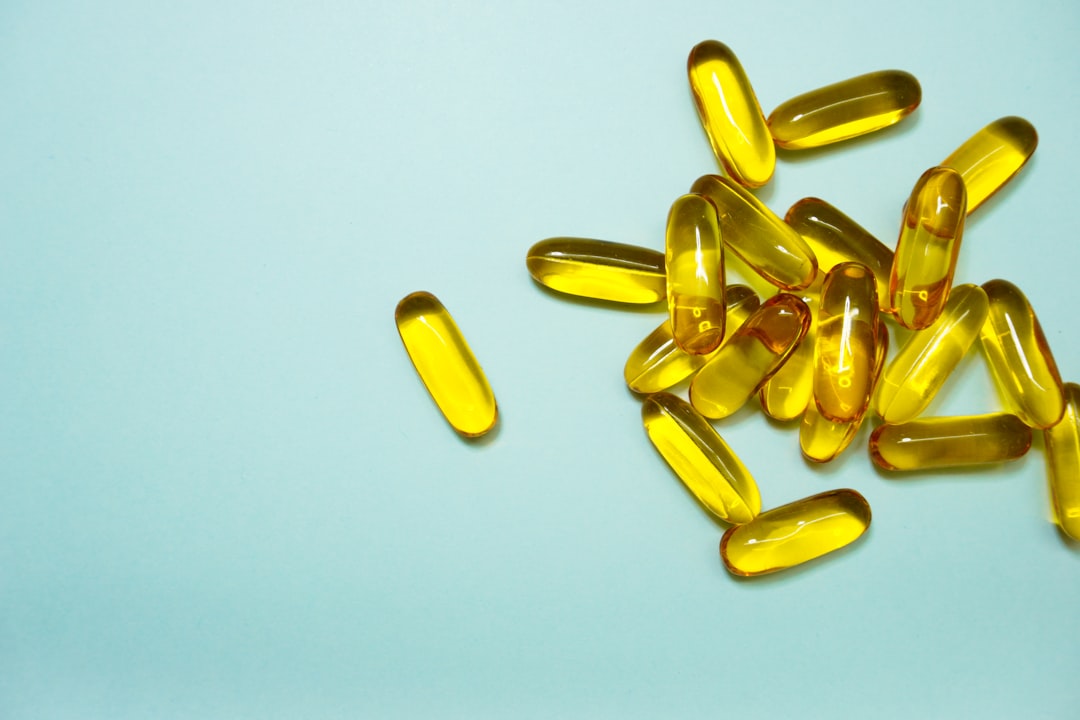
Gut health becomes increasingly important with advancing age due to its significant impact on multiple physiological systems. The gastrointestinal tract contains an extensive network of neurons, earning it the designation “enteric nervous system,” which communicates directly with the central nervous system. This system regulates digestion, nutrient absorption, and immune function through complex interactions between gut bacteria, intestinal cells, and the nervous system.
Research indicates that optimal gut function in older adults correlates with improved health outcomes, including reduced inflammation, enhanced immune response, and better cognitive function. The gut microbiome influences the production of neurotransmitters such as serotonin and gamma-aminobutyric acid (GABA), which affect mood regulation and mental clarity. Age-related changes in the gut microbiome include decreased microbial diversity and alterations in bacterial composition.
These changes can lead to common digestive symptoms including constipation, abdominal bloating, and altered bowel movements. Additionally, age-related decline in stomach acid production, reduced digestive enzyme activity, and slower intestinal motility contribute to digestive dysfunction. The aging gut microbiome also affects immune system function, as approximately 70% of immune cells reside in gut-associated lymphoid tissue.
Dysbiosis, or imbalanced gut bacteria, can compromise immune surveillance and increase susceptibility to infections and inflammatory conditions. Maintaining gut health through dietary and lifestyle interventions may help preserve immune function and reduce the risk of age-related diseases.
Key Takeaways
- Maintaining gut health is crucial for seniors to support digestion, immunity, and overall well-being.
- Probiotics and prebiotics play essential roles in balancing gut bacteria and nourishing the digestive system in older adults.
- Digestive enzymes and fiber help improve digestion and prevent common gastrointestinal issues in seniors.
- Omega-3 fatty acids, vitamins, minerals, and certain herbal supplements contribute to enhanced gut function and health.
- Careful selection and monitoring of gut health supplements are important to avoid risks and ensure they fit into a senior’s comprehensive wellness plan.
Probiotics: A Key Supplement for Senior Gut Health
Probiotics are live microorganisms that provide numerous health benefits when consumed in adequate amounts. For seniors, incorporating probiotics into your daily routine can be particularly beneficial. These friendly bacteria help restore the balance of gut flora, which may be disrupted due to age-related changes or antibiotic use.
By promoting a healthy microbiome, probiotics can alleviate digestive issues such as diarrhea and constipation, common complaints among older adults. In addition to improving digestion, probiotics have been linked to enhanced immune function. As you age, your immune system may weaken, making it essential to support it through dietary choices.
Probiotics can help bolster your body’s defenses by promoting the production of antibodies and supporting the activity of immune cells. When selecting a probiotic supplement, look for strains specifically studied for their benefits in seniors, such as Lactobacillus and Bifidobacterium. This targeted approach can help ensure that you receive the maximum benefits for your gut health.
Prebiotics: Nourishing the Gut for Senior Health
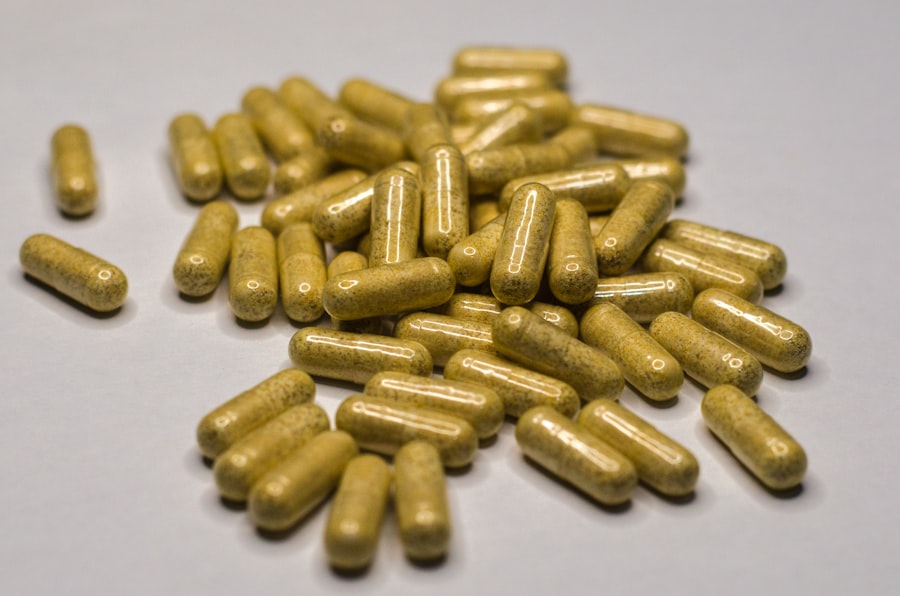
While probiotics introduce beneficial bacteria into your gut, prebiotics serve as food for these microorganisms.
For seniors, incorporating prebiotics into your diet can enhance the effectiveness of probiotics and promote a balanced gut microbiome.
Foods rich in prebiotics include garlic, onions, bananas, and asparagus. By nourishing the good bacteria in your gut, prebiotics can help improve digestion and enhance nutrient absorption. This is particularly important for seniors who may struggle with nutrient deficiencies due to changes in appetite or digestive function.
Additionally, prebiotics have been shown to support heart health by helping to lower cholesterol levels and improve blood sugar control. Including prebiotic-rich foods in your meals can be a simple yet effective way to support your overall health as you age.
Digestive Enzymes: Supporting Senior Gut Function
As you grow older, your body may produce fewer digestive enzymes, which can lead to difficulties in breaking down food and absorbing nutrients. This decline in enzyme production can result in symptoms such as bloating, gas, and discomfort after meals. To combat these issues, many seniors find that taking digestive enzyme supplements can be beneficial.
These supplements contain enzymes that help break down carbohydrates, proteins, and fats, making it easier for your body to digest food. Incorporating digestive enzymes into your routine can lead to improved digestion and increased nutrient absorption. This is especially important for seniors who may have specific dietary restrictions or health conditions that affect their ability to digest certain foods.
By supporting your digestive function with enzyme supplements, you can enjoy meals without discomfort and ensure that your body receives the nutrients it needs to thrive.
Fiber: Essential for Senior Gut Health
| Supplement | Key Benefits | Common Ingredients | Recommended Dosage | Potential Side Effects |
|---|---|---|---|---|
| Probiotics | Improves digestion, boosts immune system, balances gut flora | Lactobacillus, Bifidobacterium strains | 10-20 billion CFU daily | Bloating, gas, mild digestive discomfort |
| Prebiotics | Feeds beneficial gut bacteria, enhances mineral absorption | Inulin, Fructooligosaccharides (FOS) | 3-5 grams daily | Gas, bloating in sensitive individuals |
| Digestive Enzymes | Supports breakdown of food, reduces indigestion | Amylase, Protease, Lipase | 1-2 capsules with meals | Allergic reactions, stomach cramps |
| Fiber Supplements | Promotes regular bowel movements, supports gut microbiota | Psyllium husk, Methylcellulose | 5-10 grams daily | Gas, bloating, constipation if not enough water |
| Polyphenol Supplements | Antioxidant support, promotes healthy gut bacteria | Green tea extract, Curcumin, Resveratrol | Varies by supplement, typically 100-500 mg daily | Upset stomach, allergic reactions |
Fiber is a crucial component of a healthy diet, particularly for seniors. It plays a significant role in maintaining digestive health by promoting regular bowel movements and preventing constipation. As you age, your digestive system may slow down, making it essential to consume adequate fiber to keep things moving smoothly.
Foods high in fiber include whole grains, fruits, vegetables, legumes, and nuts. In addition to aiding digestion, fiber has numerous other health benefits for seniors. It can help regulate blood sugar levels, lower cholesterol, and support heart health.
Furthermore, a high-fiber diet has been associated with a reduced risk of developing chronic diseases such as diabetes and cardiovascular disease. By prioritizing fiber intake in your meals, you can support not only your gut health but also your overall well-being as you age.
Omega-3 Fatty Acids: Promoting Gut Health in Seniors
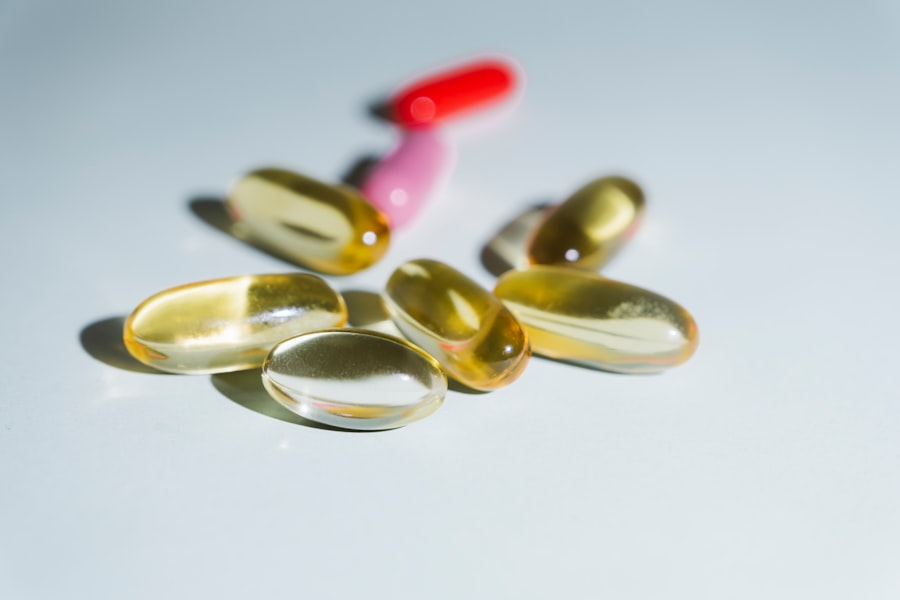
Omega-3 fatty acids are essential fats that play a vital role in maintaining overall health, including gut health. These healthy fats are known for their anti-inflammatory properties and can help reduce inflammation in the gut lining. For seniors, incorporating omega-3 fatty acids into your diet can be particularly beneficial as inflammation is often linked to various age-related health issues.
You can find omega-3 fatty acids in fatty fish such as salmon, mackerel, and sardines, as well as in flaxseeds and walnuts. Regular consumption of these foods can support not only gut health but also brain function and cardiovascular health. If you find it challenging to get enough omega-3s through diet alone, consider taking a high-quality fish oil supplement.
By prioritizing omega-3 fatty acids in your nutrition plan, you can promote a healthier gut and overall well-being.
Vitamins and Minerals for Senior Gut Health
Vitamins and minerals play an essential role in maintaining gut health for seniors. Certain nutrients are particularly important for supporting digestive function and overall well-being. For instance, vitamin D is crucial for immune function and has been linked to a healthy gut microbiome.
Seniors often face challenges in obtaining sufficient vitamin D due to limited sun exposure or dietary restrictions. Additionally, B vitamins are vital for energy metabolism and can help support digestive health by promoting the production of stomach acid and digestive enzymes. Minerals such as magnesium are also important for maintaining regular bowel movements and preventing constipation.
To ensure you’re getting enough of these essential nutrients, consider incorporating a variety of colorful fruits and vegetables into your diet or discussing supplementation with your healthcare provider.
Herbal Supplements for Senior Gut Health
Herbal supplements have gained popularity for their potential benefits in supporting gut health among seniors. Various herbs have been traditionally used to promote digestion and alleviate gastrointestinal discomfort. For example, ginger is known for its anti-nausea properties and can help soothe an upset stomach.
Peppermint is another herb that may aid digestion by relaxing the muscles of the gastrointestinal tract. Turmeric is another powerful herb with anti-inflammatory properties that may benefit gut health by reducing inflammation in the digestive system. When considering herbal supplements, it’s essential to consult with a healthcare professional to ensure they are safe and appropriate for your individual needs.
By exploring herbal options alongside other supplements, you can create a comprehensive approach to supporting your gut health.
Considerations for Choosing the Right Supplements for Senior Gut Health
When selecting supplements to support your gut health as a senior, it’s crucial to consider several factors to ensure you’re making informed choices. First and foremost, consult with your healthcare provider before starting any new supplement regimen. They can help assess your individual needs based on your medical history and current medications.
Look for high-quality supplements from reputable brands that undergo third-party testing for purity and potency. Pay attention to the specific strains of probiotics or types of prebiotics included in the product; some strains may be more effective for seniors than others. Additionally, consider any dietary restrictions or allergies you may have when choosing supplements.
By taking these factors into account, you can select supplements that align with your health goals and support your overall well-being.
Potential Risks and Side Effects of Gut Health Supplements for Seniors
While many supplements can offer significant benefits for gut health, it’s essential to be aware of potential risks and side effects associated with their use—especially for seniors who may have unique health considerations. Some individuals may experience gastrointestinal discomfort when starting probiotics or prebiotics due to changes in gut flora or increased fiber intake. Additionally, certain herbal supplements may interact with medications or exacerbate existing health conditions.
For example, ginger may thin the blood and could pose risks for individuals on anticoagulant medications. It’s crucial to monitor how your body responds to new supplements and communicate any concerns with your healthcare provider promptly.
Integrating Gut Health Supplements into a Senior’s Overall Wellness Plan
Integrating gut health supplements into your overall wellness plan requires a holistic approach that considers all aspects of your lifestyle. Start by assessing your current diet and identifying areas where you can improve nutrient intake through whole foods rich in fiber, vitamins, minerals, prebiotics, and probiotics. Incorporate regular physical activity into your routine; exercise has been shown to positively influence gut health by promoting healthy digestion and reducing stress levels.
Additionally, prioritize hydration by drinking plenty of water throughout the day to support digestive function.
By taking a comprehensive approach that includes dietary changes, physical activity, hydration, and stress management techniques alongside supplements, you can create a robust wellness plan that supports optimal gut health as you age.
In conclusion, prioritizing gut health is essential for seniors looking to maintain their overall well-being as they age. By understanding the importance of various supplements—such as probiotics, prebiotics, digestive enzymes, fiber, omega-3 fatty acids, vitamins and minerals—you can make informed choices that promote a healthy gut microbiome and enhance your quality of life.
For seniors looking to improve their gut health, exploring the benefits of various supplements can be quite enlightening. A related article that delves into this topic is available at Explore Senior Health, where you can find valuable insights and recommendations tailored specifically for older adults.
FAQs
What are gut health supplements for seniors?
Gut health supplements for seniors are dietary products designed to support and improve digestive health. They often contain probiotics, prebiotics, fiber, and other nutrients that help maintain a balanced gut microbiome and promote regular digestion.
Why is gut health important for seniors?
Gut health is crucial for seniors because it affects nutrient absorption, immune function, and overall well-being. As people age, changes in the digestive system and gut microbiota can lead to issues like constipation, inflammation, and reduced immunity, making gut health support beneficial.
What types of supplements are commonly used to support gut health in seniors?
Common supplements include probiotics (live beneficial bacteria), prebiotics (non-digestible fibers that feed good bacteria), digestive enzymes, and fiber supplements. These help improve digestion, enhance gut flora balance, and support bowel regularity.
Are gut health supplements safe for seniors?
Generally, gut health supplements are safe for most seniors when taken as directed. However, it is important to consult a healthcare provider before starting any new supplement, especially for those with underlying health conditions or who are taking medications.
Can gut health supplements help with digestive issues in seniors?
Yes, many seniors find that gut health supplements can alleviate common digestive issues such as constipation, bloating, and irregular bowel movements by promoting a healthy balance of gut bacteria and improving digestion.
How long does it take to see results from gut health supplements?
The time frame varies depending on the individual and the specific supplement, but many people may notice improvements in digestion and gut comfort within a few days to a few weeks of consistent use.
Should seniors take probiotics or prebiotics for gut health?
Both probiotics and prebiotics can be beneficial. Probiotics introduce beneficial bacteria to the gut, while prebiotics provide nourishment for these bacteria. A combination of both is often recommended to support a healthy gut microbiome.
Can diet alone improve gut health in seniors without supplements?
A balanced diet rich in fiber, fruits, vegetables, and fermented foods can significantly improve gut health. However, supplements may be helpful for seniors who have difficulty meeting their nutritional needs through diet alone or who have specific digestive concerns.
Are there any side effects associated with gut health supplements?
Some seniors may experience mild side effects such as gas, bloating, or digestive discomfort when starting gut health supplements. These symptoms usually subside as the body adjusts. Persistent or severe side effects should be discussed with a healthcare provider.
How should seniors choose the right gut health supplement?
Seniors should look for supplements with clinically studied strains of probiotics, appropriate dosages, and reputable brands. Consulting a healthcare professional can help tailor supplement choices to individual health needs and conditions.