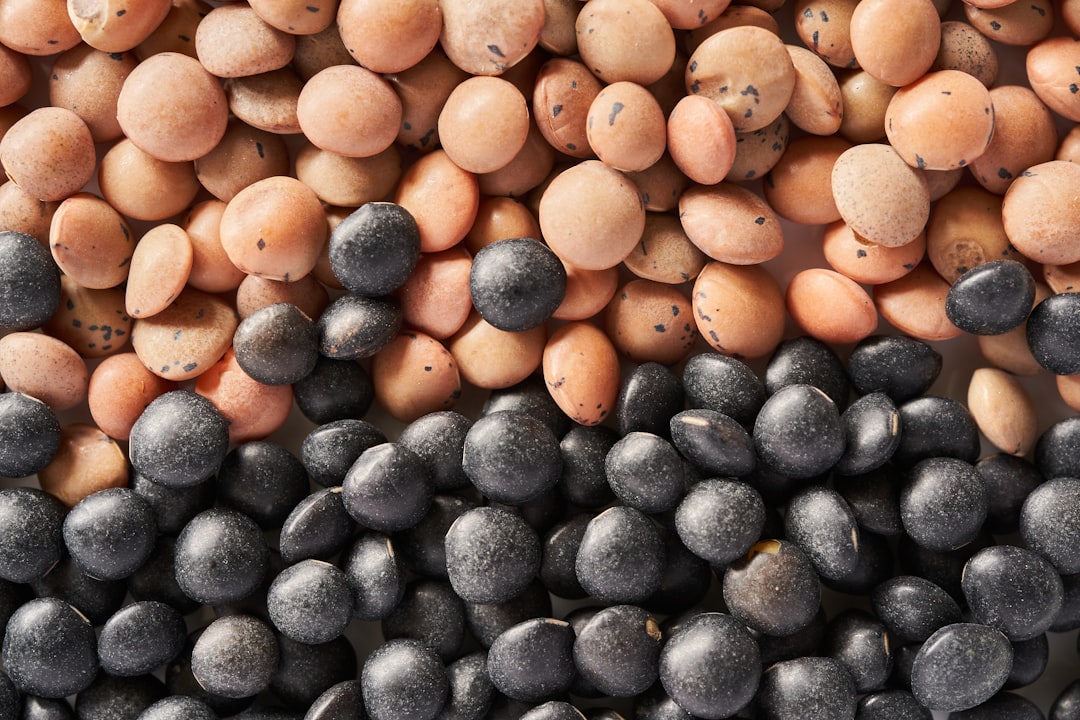
Cognitive function refers to mental processes such as memory, attention, problem-solving, and decision-making. Research indicates that dietary choices significantly influence brain health and cognitive performance throughout life. Beans, a category of legumes, contain high concentrations of nutrients that support neurological function, including protein, dietary fiber, B vitamins, folate, iron, magnesium, and potassium.
Scientific studies have demonstrated correlations between legume consumption and improved cognitive outcomes. Beans provide complex carbohydrates that deliver steady glucose to the brain, which relies on glucose as its primary energy source. The fiber content in beans helps regulate blood sugar levels, preventing the cognitive impairment associated with glucose fluctuations.
Different varieties of beans offer distinct nutritional profiles that benefit cognitive health through various mechanisms. Understanding these specific nutritional contributions enables evidence-based dietary decisions to support brain function.
The following analysis examines how different bean varieties contribute to cognitive health through their unique nutrient compositions and bioactive compounds.
Key Takeaways
- Beans are rich in nutrients that support and enhance cognitive function.
- Black beans and kidney beans provide essential antioxidants and vitamins beneficial for brain health.
- Chickpeas and lentils contribute to improved memory and mental clarity through their nutrient profiles.
- Pinto, navy, and red beans offer a variety of brain-boosting compounds that aid cognitive performance.
- Soybeans are a versatile source of protein and nutrients that promote overall cognitive well-being.
The Role of Beans in Brain Health
Beans are often overlooked in discussions about brain health, yet they are a powerhouse of nutrients that can significantly impact cognitive function. They are rich in antioxidants, which help combat oxidative stress—a major contributor to cognitive decline. By neutralizing free radicals in the body, antioxidants found in beans can protect brain cells from damage and promote longevity.
Additionally, beans are an excellent source of complex carbohydrates, which provide a steady supply of glucose to the brain, ensuring that it has the energy needed for optimal performance. Moreover, beans contain essential vitamins and minerals such as folate, iron, and magnesium, all of which play crucial roles in brain health. Folate is particularly important for cognitive function as it aids in the production of neurotransmitters that facilitate communication between brain cells.
Iron is vital for oxygen transport in the blood, ensuring that your brain receives the oxygen it needs to function effectively. Magnesium supports various biochemical reactions in the brain and has been linked to improved memory and learning capabilities. By including beans in your diet, you can harness these benefits to support your cognitive health.
Black Beans: A Powerhouse for Cognitive Function
Black beans are often celebrated for their rich flavor and versatility in various dishes. However, their benefits extend far beyond taste; they are a true powerhouse for cognitive function. Packed with antioxidants, black beans help protect your brain from oxidative stress and inflammation.
This protective effect is crucial for maintaining cognitive health as you age. Additionally, black beans are an excellent source of fiber, which not only aids digestion but also helps regulate blood sugar levels.
Furthermore, black beans are rich in folate, a B-vitamin that plays a critical role in brain health. Folate is involved in the synthesis of neurotransmitters such as serotonin and dopamine, which are essential for mood regulation and cognitive function. By incorporating black beans into your meals—whether in salads, soups, or burritos—you can enjoy their delicious taste while reaping the cognitive benefits they offer.
Their high protein content also makes them an excellent choice for those looking to maintain energy levels and support overall brain function.
Kidney Beans: A Nutrient-Rich Option for Brain Health
Kidney beans are another fantastic option when it comes to supporting cognitive health. These legumes are not only visually appealing with their deep red color but also boast a wealth of nutrients that benefit your brain. Rich in protein and fiber, kidney beans provide sustained energy that can help you stay alert and focused throughout the day.
The fiber content also aids in digestion and helps maintain stable blood sugar levels—both of which are crucial for optimal cognitive performance. In addition to their macronutrient profile, kidney beans are packed with essential vitamins and minerals such as iron and magnesium. Iron is vital for transporting oxygen to the brain, while magnesium plays a role in numerous biochemical processes that support cognitive function.
The combination of these nutrients makes kidney beans an excellent choice for anyone looking to enhance their brain health. You can easily incorporate kidney beans into your diet by adding them to chili, salads, or even as a filling for tacos.
Chickpeas: How They Support Cognitive Function
| Bean Type | Key Nutrients | Cognitive Benefits | Average Serving Size | Additional Notes |
|---|---|---|---|---|
| Black Beans | Folate, Magnesium, Antioxidants | Supports memory, reduces oxidative stress | 1 cup (172g) cooked | High in fiber, helps regulate blood sugar |
| Kidney Beans | Iron, Folate, Protein | Enhances brain oxygenation and energy | 1 cup (177g) cooked | Rich in complex carbs for sustained energy |
| Lentils | Folate, Iron, B Vitamins | Improves cognitive function and mood | 1 cup (198g) cooked | Low glycemic index, supports brain health |
| Chickpeas | Choline, Folate, Protein | Supports memory and neurotransmitter synthesis | 1 cup (164g) cooked | Versatile in many dishes, good for brain |
| Adzuki Beans | Antioxidants, Folate, Magnesium | Protects brain cells from damage | 1 cup (230g) cooked | Less common but nutrient-dense |
Chickpeas, also known as garbanzo beans, are a versatile legume that can significantly contribute to cognitive function. They are rich in protein and fiber, making them an excellent choice for maintaining energy levels throughout the day. The high fiber content helps regulate blood sugar levels, preventing spikes that can lead to fatigue and decreased concentration.
Additionally, chickpeas contain essential vitamins such as B vitamins and minerals like zinc and magnesium, all of which play vital roles in brain health. One of the standout features of chickpeas is their high content of choline—a nutrient that is crucial for memory and cognitive function. Choline is a precursor to acetylcholine, a neurotransmitter involved in learning and memory processes.
By incorporating chickpeas into your meals—whether in hummus, salads, or stews—you can enjoy their delicious flavor while supporting your cognitive health. Their versatility allows you to experiment with various recipes while reaping the benefits they offer.
Lentils: The Brain-Boosting Benefits of this Bean
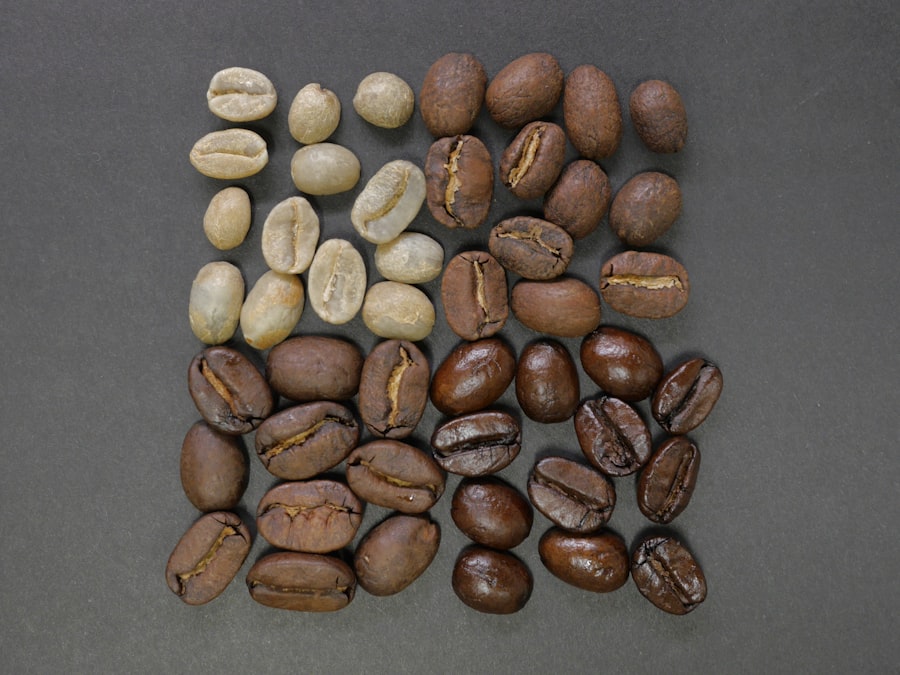
Lentils are often hailed as one of the most nutritious legumes available, making them an excellent addition to any diet focused on cognitive health. They are rich in protein and fiber while being low in calories, making them a perfect choice for those looking to maintain a healthy weight without sacrificing nutrition. The high fiber content helps stabilize blood sugar levels, ensuring that your brain receives a consistent supply of energy throughout the day.
Moreover, lentils are packed with essential nutrients such as folate and iron—both of which are critical for optimal brain function. Folate supports neurotransmitter production, while iron ensures adequate oxygen delivery to the brain. Lentils also contain antioxidants that help protect against oxidative stress and inflammation—two factors that can negatively impact cognitive health over time.
You can easily incorporate lentils into your diet by adding them to soups, salads, or even as a meat substitute in various dishes.
Pinto Beans: A Source of Nutrients for Cognitive Health
Pinto beans may not be as widely recognized as some other legumes, but they offer a wealth of nutrients that can support cognitive function. These beans are rich in protein and fiber, providing sustained energy that helps keep your mind sharp throughout the day. The fiber content also aids digestion and helps regulate blood sugar levels—both essential factors for maintaining focus and concentration.
In addition to their macronutrient profile, pinto beans contain essential vitamins and minerals such as folate and magnesium. Folate is crucial for neurotransmitter synthesis, while magnesium supports various biochemical processes in the brain. By incorporating pinto beans into your meals—whether in burritos, chili, or salads—you can enjoy their creamy texture while benefiting from their cognitive-enhancing properties.
Navy Beans: Supporting Cognitive Function with this Bean
Navy beans may be small in size but pack a powerful punch when it comes to supporting cognitive health. These legumes are rich in protein and fiber, making them an excellent choice for maintaining energy levels throughout the day. The high fiber content helps regulate blood sugar levels, preventing spikes that can lead to fatigue and decreased concentration.
Navy beans are also an excellent source of essential nutrients such as folate and magnesium—both of which play critical roles in brain health. Folate supports neurotransmitter production while magnesium aids in various biochemical processes that support cognitive function. You can easily incorporate navy beans into your diet by adding them to soups or stews or using them as a base for bean salads.
Red Beans: How They Contribute to Brain Health
Red beans are another nutritious legume that can significantly contribute to cognitive health. Rich in protein and fiber, red beans provide sustained energy that helps keep your mind sharp throughout the day. The high fiber content also aids digestion and helps regulate blood sugar levels—both essential factors for maintaining focus and concentration.
In addition to their macronutrient profile, red beans contain essential vitamins and minerals such as folate and iron—both critical for optimal brain function. Folate supports neurotransmitter production while iron ensures adequate oxygen delivery to the brain. By incorporating red beans into your meals—whether in chili or salads—you can enjoy their delicious flavor while benefiting from their cognitive-enhancing properties.
Soybeans: A Versatile Bean for Cognitive Function
Soybeans are unique among legumes due to their high protein content and versatility in culinary applications. They are an excellent source of essential amino acids that support overall health while also providing nutrients beneficial for cognitive function. Rich in antioxidants, soybeans help protect against oxidative stress—a key factor in cognitive decline.
Additionally, soybeans contain compounds known as phytoestrogens that have been linked to improved cognitive function in some studies. These compounds may help protect against age-related cognitive decline by supporting hormonal balance in the body. You can easily incorporate soybeans into your diet through products like tofu or edamame or by adding them to stir-fries or salads.
Incorporating Beans into Your Diet for Brain Health
Incorporating beans into your diet is a simple yet effective way to support your cognitive health. With their rich nutrient profiles—including protein, fiber, vitamins, and minerals—beans offer numerous benefits that can enhance brain function and protect against cognitive decline. From black beans to chickpeas and lentils to soybeans, each type of bean brings its unique set of advantages that contribute to overall well-being.
As you explore different ways to include these legumes in your meals—whether through soups, salads, or main dishes—you’ll not only enjoy their delicious flavors but also take proactive steps toward maintaining optimal cognitive function. By making beans a staple in your diet, you can nourish your brain while enjoying the myriad culinary possibilities they offer.
If you’re interested in enhancing cognitive function through diet, you might find the article on the best beans for cognitive health particularly insightful. Beans are not only a great source of protein but also packed with essential nutrients that can support brain health. For more information on this topic, check out this related article: Best Beans for Cognitive Function.
FAQs
What types of beans are considered best for cognitive function?
Beans such as black beans, kidney beans, chickpeas, and lentils are often highlighted for their positive effects on cognitive function due to their high content of antioxidants, fiber, and essential nutrients like folate and magnesium.
How do beans improve cognitive function?
Beans improve cognitive function by providing a steady source of glucose, which is the brain’s primary energy source. They also contain antioxidants and anti-inflammatory compounds that protect brain cells from damage and support overall brain health.
Are there specific nutrients in beans that benefit the brain?
Yes, beans are rich in nutrients such as folate, iron, magnesium, and antioxidants, all of which play important roles in brain health. Folate, for example, is crucial for neurotransmitter synthesis, while magnesium supports nerve function.
Can eating beans help prevent cognitive decline?
Regular consumption of beans as part of a balanced diet may help reduce the risk of cognitive decline by supporting brain health and reducing inflammation. However, they should be part of an overall healthy lifestyle including exercise and mental stimulation.
How much beans should I eat to support cognitive function?
Incorporating beans into your diet several times a week is generally recommended. A typical serving size is about half a cup of cooked beans. Consistency over time is key to gaining cognitive benefits.
Are there any side effects of eating beans for cognitive health?
Beans are generally safe and beneficial for most people. However, some individuals may experience digestive discomfort such as gas or bloating. Gradually increasing bean intake and proper preparation can help minimize these effects.
Can beans be combined with other foods to enhance cognitive benefits?
Yes, combining beans with foods rich in healthy fats (like nuts and olive oil) and antioxidants (such as berries and leafy greens) can further support brain health and cognitive function.