
Resistant starch is a carbohydrate that resists digestion in the small intestine. Unlike digestible starches that convert to glucose for immediate energy, resistant starch passes largely intact to the large intestine. This property classifies it functionally closer to dietary fiber than typical carbohydrates.
In the large intestine, resistant starch undergoes fermentation by gut microbiota, producing short-chain fatty acids that play critical roles in intestinal health and systemic metabolic functions. Resistant starch is classified into four distinct categories based on structure and origin. Type 1 resistant starch occurs in intact grain kernels and legume seeds where physical barriers prevent digestive enzyme access.
Type 2 exists naturally in raw starchy foods such as unripe bananas and raw potatoes due to their crystalline structure. Type 3, also called retrograded starch, forms when starchy foods are cooked and subsequently cooled, reorganizing the starch molecules. Type 4 comprises chemically modified starches created through industrial processes.
Each category contributes similarly to gut microbiome support, glycemic regulation, and increased satiety, though their mechanisms and potency vary.
Key Takeaways
- Resistant starch supports gut health by feeding beneficial gut bacteria.
- Lentils are a rich source of resistant starch, especially when soaked and cooked properly.
- Soaking lentils before cooking increases their resistant starch content.
- Cooking methods can help retain resistant starch while adding flavor to lentils.
- Combining lentils with other gut-friendly foods enhances overall digestive benefits.
The Benefits of Resistant Starch for Gut Health
Incorporating resistant starch into your diet can significantly enhance your gut health. One of the primary benefits is its ability to promote the growth of beneficial gut bacteria.
This balance is crucial for maintaining a healthy microbiome, which plays a vital role in digestion, immune function, and even mental health. Moreover, resistant starch has been linked to improved bowel regularity. By adding bulk to your stool and promoting fermentation, it can help prevent constipation and support overall digestive health.
Additionally, the short-chain fatty acids produced during fermentation have anti-inflammatory properties that can soothe the gut lining and reduce symptoms associated with conditions like irritable bowel syndrome (IBS). By prioritizing foods rich in resistant starch, you can take proactive steps toward nurturing your gut and enhancing your overall health.
Introduction to Lentils as a Source of Resistant Starch
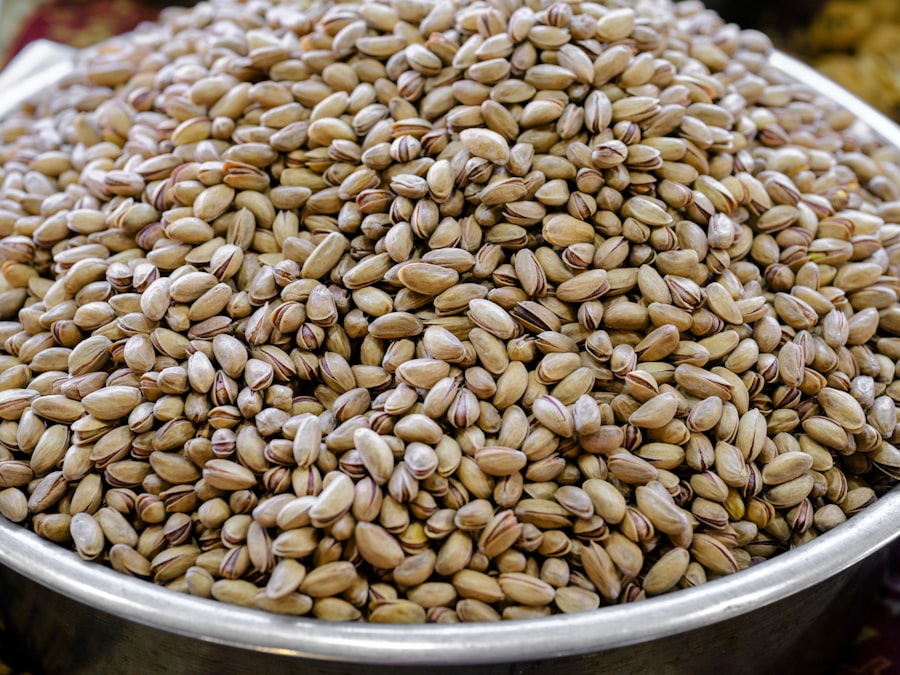
Lentils are not only a versatile ingredient in many cuisines but also an excellent source of resistant starch. These small legumes are packed with nutrients, including protein, fiber, vitamins, and minerals. They are particularly rich in soluble fiber, which complements the benefits of resistant starch by promoting satiety and aiding digestion.
When you include lentils in your meals, you’re not just adding flavor; you’re also boosting your intake of this beneficial carbohydrate. What makes lentils especially appealing is their variety. From green and brown to red and black lentils, each type offers a unique flavor profile and texture.
This diversity allows you to experiment with different recipes while reaping the benefits of resistant starch. Whether you’re making a hearty lentil soup or a refreshing salad, these legumes can easily fit into your diet while supporting your gut health.
Soaking Lentils for Increased Resistant Starch Content
Soaking lentils before cooking them is a simple yet effective way to enhance their resistant starch content.
This process also helps to reduce cooking time and improve digestibility by breaking down some of the antinutrients present in raw lentils.
To soak lentils effectively, start by rinsing them under cold water to remove any debris or impurities. Then, place them in a bowl and cover them with water, allowing them to soak for several hours or overnight. After soaking, drain and rinse the lentils again before cooking.
This method not only boosts their nutritional profile but also enhances their texture and flavor in your dishes.
Cooking Lentils to Retain Resistant Starch
| Step | Action | Details | Effect on Resistant Starch |
|---|---|---|---|
| 1 | Soaking | Soak lentils in water for 8-12 hours before cooking. | Reduces cooking time and may help preserve resistant starch. |
| 2 | Cooking | Cook lentils by boiling until tender but not mushy (about 15-20 minutes). | Proper cooking gelatinizes starch, making some resistant starch available. |
| 3 | Cooling | Cool cooked lentils in the refrigerator for at least 12 hours. | Cooling promotes retrogradation, increasing resistant starch content. |
| 4 | Reheating (Optional) | Reheat lentils gently without overcooking. | Resistant starch remains relatively stable after gentle reheating. |
| 5 | Consumption | Consume cooled or reheated lentils as part of meals. | Higher resistant starch intake supports gut health and digestion. |
The way you cook lentils can significantly impact their resistant starch content. Overcooking can lead to a loss of this beneficial carbohydrate, so it’s essential to find the right balance when preparing them. Generally, cooking lentils until they are tender but still firm will help retain their resistant starch levels while ensuring they are enjoyable to eat.
One effective method is to simmer lentils in water or broth until they reach the desired tenderness—usually around 15 to 30 minutes, depending on the type of lentil. To further preserve their resistant starch content, consider cooking them al dente rather than allowing them to become mushy. Once cooked, let them cool slightly before incorporating them into salads or other dishes; this cooling process can also help increase their resistant starch levels.
Adding Flavor to Lentils While Maintaining Resistant Starch
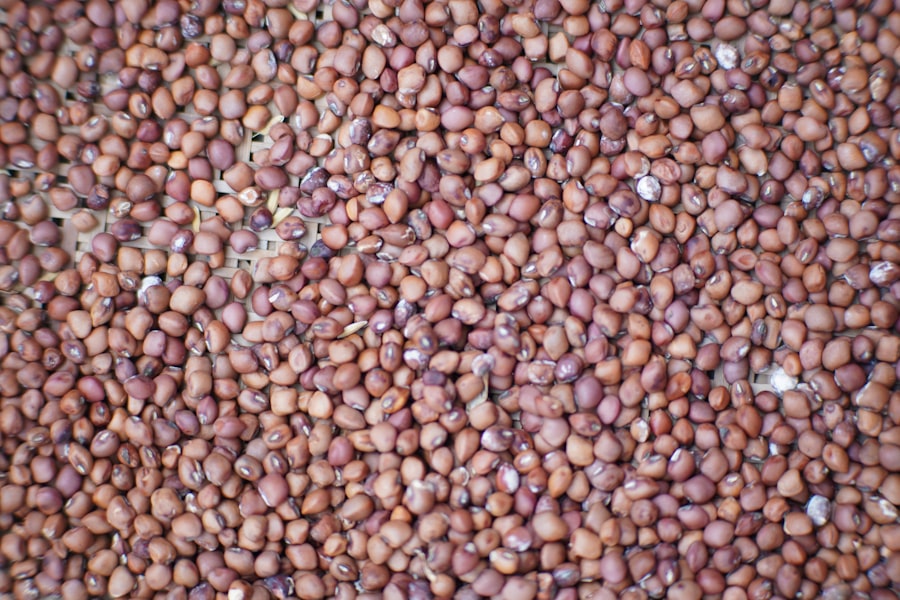
While lentils are nutritious on their own, adding flavor can elevate your dishes without compromising their health benefits. You can enhance the taste of lentils by incorporating various herbs and spices that complement their earthy flavor. Ingredients like garlic, cumin, coriander, and bay leaves can infuse your lentils with delightful aromas and tastes.
Additionally, consider using vegetable or chicken broth instead of water when cooking lentils for added depth of flavor. You can also mix in fresh vegetables such as onions, carrots, or bell peppers during the cooking process to create a more robust dish while still retaining the resistant starch content. By experimenting with different flavor combinations, you can create satisfying meals that are both delicious and beneficial for your gut health.
Incorporating Lentils into Your Diet for Gut Health
Integrating lentils into your daily meals is easier than you might think. They can be used in various dishes ranging from soups and stews to salads and side dishes. For instance, a hearty lentil soup packed with vegetables can serve as a comforting meal during colder months while providing essential nutrients and resistant starch.
You might also consider adding lentils to your favorite recipes as a substitute for meat or grains. For example, using lentils in tacos or as a base for veggie burgers can create satisfying meals that are lower in calories but high in fiber and protein. By making small adjustments to your meals and incorporating lentils regularly, you can enjoy their numerous health benefits while supporting your gut health.
Pairing Lentils with Other Foods for Maximum Gut Health Benefits
To maximize the gut health benefits of lentils, consider pairing them with other foods rich in fiber and nutrients. Combining lentils with whole grains like brown rice or quinoa can create a complete protein source while enhancing the overall fiber content of your meal. This combination not only supports digestion but also helps regulate blood sugar levels.
Additionally, incorporating fermented foods such as yogurt or kimchi alongside lentil dishes can further promote gut health. The probiotics found in fermented foods work synergistically with the prebiotic properties of lentils to nourish your gut microbiome effectively. By thoughtfully pairing lentils with other nutrient-dense foods, you can create balanced meals that support optimal digestive health.
Tips for Preparing Lentils in Advance for Easy Gut-Healthy Meals
Preparing lentils in advance can save you time during busy weekdays while ensuring you have nutritious options readily available. One effective strategy is to cook a large batch of lentils at once and store them in the refrigerator or freezer for later use. Cooked lentils can last up to a week in the fridge or several months in the freezer without losing their nutritional value.
When preparing lentils ahead of time, consider portioning them into individual containers for easy access during meal prep. You can quickly add these pre-cooked lentils to salads, stir-fries, or soups throughout the week without needing to cook from scratch each time. This approach not only simplifies meal planning but also encourages you to incorporate more gut-healthy foods into your diet consistently.
Exploring Different Types of Lentils for Varied Resistant Starch Content
As you delve deeper into incorporating lentils into your diet, it’s worth exploring the different types available and their varying levels of resistant starch content. Green and brown lentils are among the most common varieties; they hold their shape well when cooked and have a slightly nutty flavor. Red lentils tend to cook faster and break down more easily, making them ideal for soups and purees.
Black lentils, also known as beluga lentils due to their resemblance to caviar, offer a unique taste and texture that can add variety to your meals. Each type of lentil brings its own set of nutrients and flavors to the table while contributing to your intake of resistant starch. By experimenting with different varieties, you can keep your meals exciting while reaping the benefits associated with each type.
Precautions and Considerations When Consuming Lentils for Gut Health
While lentils offer numerous health benefits, it’s essential to consume them mindfully. Some individuals may experience digestive discomfort when consuming legumes due to their high fiber content or specific compounds called oligosaccharides that can cause gas or bloating. To mitigate these effects, gradually increase your intake of lentils over time to allow your digestive system to adjust.
Additionally, ensure that you cook lentils thoroughly before consumption; raw or undercooked lentils contain antinutrients that can interfere with nutrient absorption. Soaking and cooking them properly will help eliminate these compounds while maximizing their nutritional benefits. By being aware of these considerations and listening to your body’s responses, you can enjoy the many advantages that lentils provide for gut health without discomfort.
To enhance the health benefits of lentils, particularly their resistant starch content, it’s essential to prepare them correctly. A related article that provides valuable insights on this topic can be found at this link. By following the guidelines outlined in the article, you can maximize the nutritional value of lentils and incorporate them effectively into your diet.
FAQs
What are resistant starches in lentils?
Resistant starches are types of starch that resist digestion in the small intestine and reach the colon intact. In lentils, these starches act like dietary fiber, promoting gut health and improving digestion.
Why should I prepare lentils for resistant starch?
Preparing lentils properly can increase their resistant starch content, which may help improve blood sugar control, support gut bacteria, and enhance overall digestive health.
How do I cook lentils to maximize resistant starch?
To maximize resistant starch, cook lentils by boiling them until tender, then cool them in the refrigerator for several hours or overnight. Cooling allows the starches to retrograde, increasing resistant starch content.
Can I reheat lentils after cooling them for resistant starch?
Yes, you can reheat lentils after cooling. While reheating may slightly reduce resistant starch levels, a significant amount typically remains, allowing you to enjoy the benefits.
Does soaking lentils affect resistant starch?
Soaking lentils before cooking can reduce cooking time and improve digestibility but has minimal impact on resistant starch content. The key step for resistant starch formation is cooling cooked lentils.
Are all types of lentils suitable for resistant starch preparation?
Most common lentil varieties, such as green, brown, and red lentils, can develop resistant starch when cooked and cooled properly. However, the exact amount of resistant starch may vary slightly between types.
How much resistant starch can I expect from prepared lentils?
The resistant starch content varies depending on preparation methods, but cooling cooked lentils can increase resistant starch to about 3-5 grams per 100 grams of lentils.
Is resistant starch in lentils beneficial for weight management?
Yes, resistant starch can promote feelings of fullness and improve metabolism, which may support weight management when included as part of a balanced diet.
Can I eat lentils raw to get resistant starch?
No, raw lentils are not safe to eat and do not provide resistant starch benefits. Lentils must be cooked and then cooled to develop resistant starch safely.
How long should I cool lentils to increase resistant starch?
Cooling lentils in the refrigerator for at least 12 hours is recommended to allow sufficient retrogradation of starch and increase resistant starch content.