Oatmeal, a breakfast staple for eons, has long been lauded for its fiber content and its ability to provide sustained energy. It’s a blank canvas, a culinary foundation upon which you can build a nutritionally robust start to your day. However, as nutritional science advances, so too do opportunities to optimize even the most time-tested foods. One such innovation involves the integration of collagen cubes into your morning oatmeal, a subtle yet significant enhancement that can transform your breakfast from merely satisfying into a powerful tool for enhanced well-being. Imagine your oatmeal as a sturdy oak tree; collagen cubes are the vital nutrients that strengthen its roots and promote robust growth from within. This article will guide you through the process of incorporating these potent little additions and illuminate the science behind their benefits.
Collagen stands as the most abundant protein in your body, acting as a fundamental building block for a variety of connective tissues. Think of it as the scaffolding that holds your entire physical structure together. It’s not a single entity but rather a family of proteins, with Type I, II, and III being the most prevalent and impactful for overall health.
The Three Musketeers of Collagen: Type I, II, and III
- Type I Collagen: This is the workhorse of the collagen family, making up about 90% of the total collagen in your body. You’ll find it in abundance in your skin, bones, tendons, ligaments, and teeth. Its primary function is to provide structural integrity and tensile strength. For your skin, this means elasticity and firmness. For your bones, it contributes to density and resilience. In tendons and ligaments, it allows them to withstand the forces of movement and exertion.
- Type II Collagen: This type is predominantly found in cartilage, the flexible tissue that cushions your joints. If you envision your joints as intricate hinges, Type II collagen is the smooth, resilient padding that prevents friction and allows for effortless movement. Its presence is crucial for maintaining joint health and mitigating wear and tear.
- Type III Collagen: Often found alongside Type I collagen, Type III is another key component of skin, muscles, and blood vessels. It plays a significant role in the elasticity and suppleness of these tissues. In the context of skin, it contributes to a youthful appearance. In blood vessels, it helps maintain their structural integrity and flexibility.
The Natural Decline of Collagen Production
As you age, your body’s natural ability to produce collagen begins to diminish. This is an inevitable biological process, akin to a well-maintained garden that gradually sees its vibrant blooms fade as the seasons change. While this decline is natural, its effects can manifest in various ways as you progress through life. You might notice a decrease in skin elasticity, leading to the appearance of fine lines and wrinkles. Joint stiffness and discomfort can become more prevalent as cartilage loses some of its cushioning capacity. Furthermore, the strength of tendons and ligaments may be compromised, potentially increasing the risk of injuries.
Why Supplemental Collagen Matters: A Proactive Approach
While a balanced diet rich in protein can contribute to collagen synthesis, the amount and absorbability of collagen from food sources can vary. This is where collagen supplements, particularly in convenient forms like cubes, come into play. They offer a targeted and readily available source of collagen peptides, the smaller, broken-down chains of amino acids that are more easily absorbed and utilized by your body. Think of these supplements as a concentrated nutrient delivery system, directly replenishing what your body may be struggling to produce in optimal quantities.
If you’re looking to enhance your oatmeal with the benefits of collagen, you might find it helpful to explore a related article on the topic. This article provides insights on how to effectively incorporate collagen cubes into your morning routine, ensuring you get the most out of this nutritious addition. For more information, check out the article here: Explore Senior Health.
The Science Behind Collagen Cubes and Oatmeal Integration
The innovation of collagen cubes lies in their formulation and their compatibility with common breakfast foods. These cubes are typically made from hydrolyzed collagen, meaning the collagen has been broken down into smaller peptides. This process is crucial for making the collagen bioavailable, so your body can effectively absorb and utilize it.
Hydrolyzed Collagen: The Key to Bioavailability
Hydrolyzation is a process that uses enzymes or acids to break the long protein chains of collagen into shorter peptides. This greatly reduces their molecular weight. Without this process, larger collagen molecules would likely be broken down by your digestive system into individual amino acids, similar to how other proteins are treated, and the specific benefits of collagen might be lost. Hydrolyzed collagen peptides, on the other hand, can bypass some of this extensive breakdown and are more directly absorbed into the bloodstream. This increased bioavailability means more of the beneficial amino acids and collagen fragments can reach the tissues where they are needed most.
Flavorless and Versatile: A Seamless Addition
A significant advantage of collagen cubes designed for dietary integration is their neutral flavor profile. This means they will not alter the taste of your oatmeal, preserving the savory or slightly sweet notes you’ve come to expect from your breakfast. This lack of interference makes them an incredibly versatile addition to a wide array of foods. You can stir them into your oatmeal, but their use isn’t limited to this single application. They can be dissolved in hot beverages, blended into smoothies, or even incorporated into baked goods without significantly impacting the overall flavor.
Understanding the “Slow Release” Aspect
Some collagen cubes are formulated with ingredients that allow for a more sustained release of collagen peptides into your system. This is not a rapid influx of nutrients but rather a steady drip, similar to how a slow-release medication works. This “slow release” mechanism is thought to provide a more consistent supply of collagen building blocks to your body throughout the day, potentially leading to more sustained benefits compared to a single, rapid dose. This concept is akin to providing a gradual, consistent watering to a plant, encouraging steady growth rather than a sudden spurt followed by a period of dryness.
Health Benefits of Incorporating Collagen Cubes into Your Oatmeal
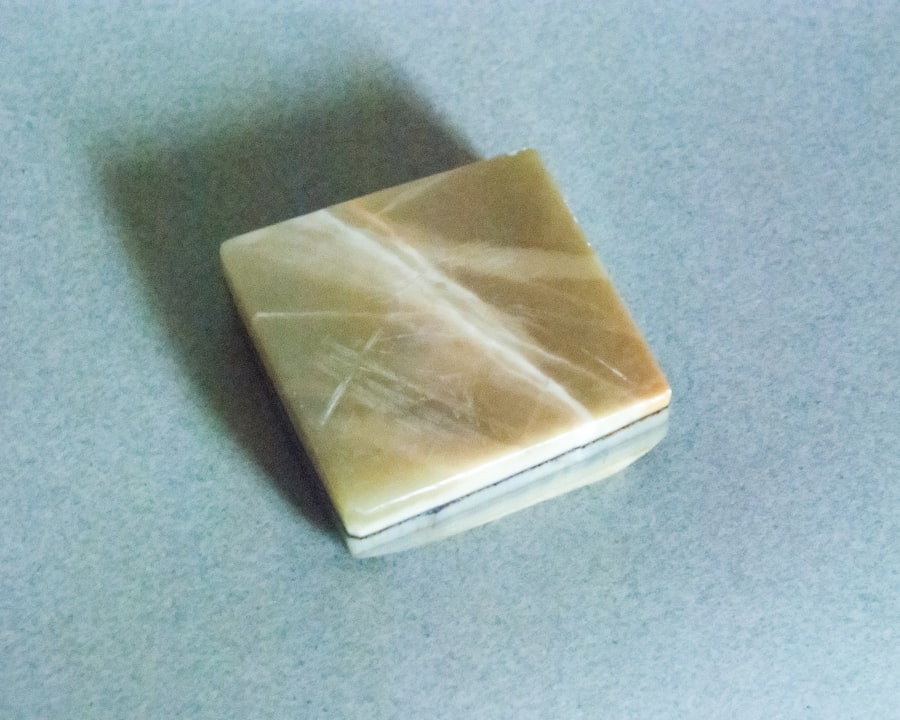
The benefits of regular collagen intake are multifaceted, impacting various systems within your body. By consistently adding collagen cubes to your oatmeal, you are providing your body with a readily available supply of these essential building blocks, supporting a range of physiological processes.
Enhancing Skin Health and Elasticity
Your skin is a dynamic organ, constantly renewing itself. Collagen is its primary structural protein, responsible for its firmness, elasticity, and hydration. As collagen production declines with age, your skin can lose its youthful bounce, leading to the formation of wrinkles and a decrease in overall smoothness. Studies have indicated that collagen supplementation can help to improve skin hydration, reduce the appearance of wrinkles, and enhance skin elasticity. By consuming collagen-rich foods or supplements, you are essentially providing your skin cells with the raw materials they need to maintain their structural integrity and function effectively. Think of it as reinforcing the walls of a building; consistent maintenance keeps it strong and resilient.
Supporting Joint Health and Mobility
The cartilage that cushions your joints is largely composed of collagen. Over time, this cartilage can degrade, leading to joint pain, stiffness, and a reduced range of motion. This is a common concern for individuals leading active lifestyles or those experiencing age-related joint changes. Collagen peptides have been shown in some research to help stimulate the body’s own collagen production in cartilage and may help to reduce inflammation associated with joint discomfort. By supplementing with collagen, you are giving your body the necessary components to help repair and maintain joint cartilage, contributing to smoother, less painful movement. This can be particularly beneficial for athletes, individuals recovering from joint injuries, or anyone seeking to maintain an active and comfortable lifestyle as they age.
Promoting Gut Health and Integrity
While the skin and joints are more commonly associated with collagen benefits, your gut lining also benefits from its presence. The intestinal lining is a crucial barrier that regulates nutrient absorption and prevents harmful substances from entering your bloodstream. Collagen contains amino acids, such as glycine and glutamine, which are important for maintaining the integrity of the intestinal wall. These amino acids can help to strengthen the gut lining, potentially reducing inflammation and improving nutrient absorption. For individuals experiencing digestive discomfort or seeking to support overall gut health, collagen supplementation may offer a beneficial avenue. Your gut can be thought of as a highly selective filter, and collagen helps to ensure that filter is robust and functioning optimally.
Strengthening Bones and Muscles
While bone density is primarily associated with calcium and vitamin D, collagen also plays a crucial role in bone structure. Approximately 30% of the dry weight of bone is collagen. It provides the framework within which minerals are deposited, contributing to bone strength and flexibility. Furthermore, collagen is a significant component of muscle tissue, contributing to its structure and elasticity. While not a direct muscle-building protein in the same way as whey or casein, the amino acids found in collagen can support muscle repair and recovery, particularly after physical exertion. As you age, maintaining both bone density and muscle mass becomes increasingly important for independence and overall physical function.
Practical Tips for Incorporating Collagen Cubes into Your Oatmeal

Integrating collagen cubes into your morning oatmeal is a straightforward process that requires minimal effort and can yield significant health rewards. The versatility of these cubes makes them an adaptable addition to your breakfast routine.
Choosing the Right Collagen Cubes
When selecting collagen cubes, several factors warrant consideration.
- Source of Collagen: Look for products derived from grass-fed, pasture-raised cows or wild-caught marine sources. This ensures a higher quality product free from common contaminants and often indicates better ethical sourcing practices. Bovine collagen typically contains Types I and III, while marine collagen is often rich in Type I.
- Hydrolyzed Peptides: Ensure the product explicitly states that it contains hydrolyzed collagen peptides. This signifies that the collagen has been processed for optimal absorption.
- Third-Party Testing: Reputable brands will often subject their products to third-party testing for purity and potency. This provides an added layer of assurance regarding the quality and safety of the supplement.
- Ingredients: Opt for clean formulations with minimal additives. Ideally, the ingredient list should primarily consist of collagen peptides.
The Simple Integration Process
The beauty of collagen cubes is their unpretentious nature.
- Timing: Add the collagen cubes to your oatmeal towards the end of the cooking process or immediately after it has finished cooking. This ensures the heat does not degrade the collagen peptides significantly.
- Dissolving: Stir the cubes into the hot oatmeal until they are fully dissolved. They are designed to break down easily in warm liquids.
- Portion Control: Follow the dosage recommendations on the product packaging. Typically, one to two cubes per serving is sufficient. It is always advisable to start with a lower dose and gradually increase it as your body adjusts.
Beyond Oatmeal: Expanding Your Collagen Intake
While oatmeal is an excellent vehicle for collagen, don’t limit yourself.
- Hot Beverages: Dissolve collagen cubes in your morning coffee, tea, or hot chocolate.
- Smoothies: Blend them into your favorite fruit or vegetable smoothies.
- Soups and Sauces: Stir them into hot soups or sauces to add a nutritional boost without altering the taste.
- Baked Goods: Incorporate them into muffin batter or pancake mix for added protein.
If you’re looking to enhance your breakfast with a nutritious boost, incorporating collagen cubes into your oatmeal can be a great option. These cubes dissolve easily and add a protein-rich element to your meal, promoting skin health and joint support. For more tips on how to effectively use collagen in your diet, you might find this related article helpful. It provides insights on various ways to integrate collagen into your daily routine, including delicious recipes and health benefits. Check it out here for more information.
Addressing Common Questions and Considerations
| Step | Action | Quantity | Time | Notes |
|---|---|---|---|---|
| 1 | Prepare oatmeal | 1 cup oats | 5-7 minutes | Cook oats with water or milk as preferred |
| 2 | Add collagen cubes | 1-2 cubes | Immediately after cooking | Stir cubes into hot oatmeal to dissolve |
| 3 | Mix thoroughly | N/A | 1-2 minutes | Ensure collagen is fully melted and mixed |
| 4 | Optional toppings | As desired | After mixing | Add fruits, nuts, or sweeteners |
| 5 | Serve | N/A | Immediately | Enjoy warm for best collagen absorption |
As you embark on your collagen-enhanced oatmeal journey, certain questions may arise regarding its efficacy, safety, and integration into your overall health regimen.
Is Collagen Supplementation Safe for Everyone?
For the vast majority of individuals, collagen supplementation is considered safe. However, as with any dietary supplement, it is prudent to exercise caution.
- Allergies: Individuals with known allergies to the source of collagen (e.g., fish or eggs) should avoid those particular products.
- Medical Conditions: If you have any pre-existing medical conditions or are taking medications, it is always recommended to consult with your healthcare provider before starting any new supplement regimen. They can advise on potential interactions or contraindications.
- Digestive Sensitivity: While generally well-tolerated, some individuals may experience mild digestive upset when first introducing collagen supplements. Starting with a lower dose and gradually increasing it can help mitigate this.
How long does it take to see results?
The timeline for experiencing the benefits of collagen supplementation can vary from person to person and depends on several factors, including your age, existing collagen levels, lifestyle, and the consistency of your intake.
- Initial Changes: Some individuals report noticing subtle improvements in skin hydration or reduced joint stiffness within a few weeks of consistent use.
- Tangible Benefits: More significant and noticeable changes, such as improved skin elasticity or sustained joint comfort, may take several months of regular supplementation to become apparent. Consistency is the key; think of building a strong structure; it requires continuous effort over time.
What is the Difference Between Collagen Cubes and Powder?
Both collagen cubes and powders offer a convenient way to supplement your diet with collagen peptides. The primary differences lie in their form and ease of use.
- Form: Cubes are pre-portioned and can be convenient for on-the-go use or for those who prefer not to measure powders. Powders offer greater flexibility in portion control and can be mixed into a wider variety of foods and beverages.
- Dissolution: Collagen cubes are generally designed to dissolve easily in warm liquids, similar to how a bouillon cube dissolves. Powders can sometimes clump if not mixed thoroughly or can have a slight texture if not fully dissolved.
- Portability: For travel, pre-portioned cubes can be more convenient than scooping powder into separate containers.
By understanding the science and practicalities of collagen cubes, you can make an informed decision to elevate your oatmeal and, in turn, support your overall health and well-being, one nourishing spoonful at a time.
FAQs
What are collagen cubes?
Collagen cubes are concentrated, gelatin-based supplements that contain collagen peptides. They are designed to be easily added to foods and beverages to boost collagen intake, which supports skin, joint, and bone health.
How do you use collagen cubes in oatmeal?
To use collagen cubes in oatmeal, simply add one or more cubes to your cooked oatmeal while it is still hot. Stir the cubes until they dissolve completely, ensuring the collagen is evenly distributed throughout the oatmeal.
Do collagen cubes affect the taste or texture of oatmeal?
Collagen cubes generally have a neutral or mild flavor and dissolve smoothly, so they typically do not significantly alter the taste or texture of oatmeal. However, some brands may have slight variations, so it’s best to try a small amount first.
When is the best time to add collagen cubes to oatmeal?
The best time to add collagen cubes is after cooking the oatmeal but while it is still warm. This helps the cubes dissolve quickly and evenly without clumping.
Are collagen cubes safe to consume daily in oatmeal?
Yes, collagen cubes are safe for daily consumption when used as directed. They provide a convenient way to increase collagen intake, but it is important to follow the recommended dosage on the product packaging.