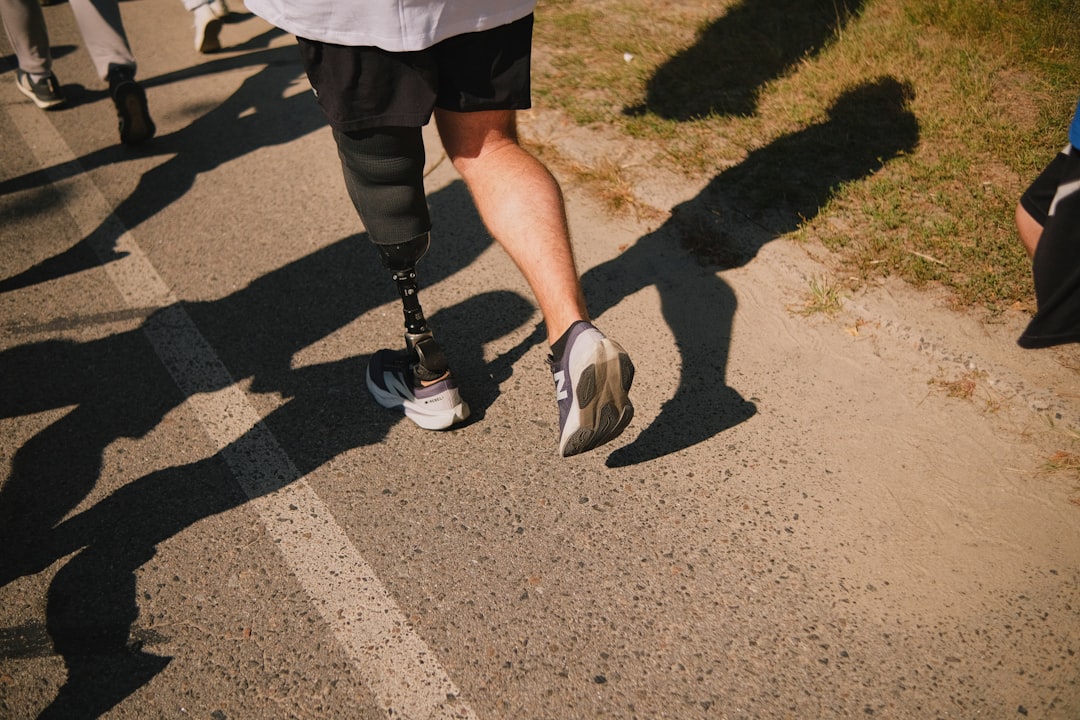
As you age, maintaining leg strength becomes increasingly important for your overall health and well-being. Strong legs support your mobility and are essential for maintaining independence. With robust leg muscles, you can perform daily activities more easily, such as climbing stairs, walking, and rising from a chair.
Leg strength is critical for fall prevention, as falls can result in serious injuries and reduced quality of life. Building and maintaining leg strength helps preserve your ability to remain active and independent as you age. Leg strength also significantly affects metabolic health.
Strengthening your legs can improve your overall energy levels, as strong muscles help regulate blood sugar levels and enhance circulation—benefits that are particularly valuable for people over 60. Leg-strengthening exercises also support cardiovascular health, making it easier to engage in other physical activities that promote a healthier lifestyle. Prioritizing leg strength contributes directly to your quality of life and enables you to maintain an active lifestyle throughout your later years.
You can find a delicious recipe for fish broth that is both flavorful and easy to prepare.
Key Takeaways
- Building leg strength is crucial for adults over 60 to maintain mobility and independence.
- Safe exercises, combined with proper nutrition, effectively support leg muscle development.
- Strong legs improve balance, stability, and reduce the risk of falls in older adults.
- Flexibility, mobility, and injury prevention are key components of a successful leg strength program.
- Professional guidance helps set realistic goals and ensures safe, effective training for seniors.
Safe and Effective Exercises for Building Leg Strength
When it comes to building leg strength, safety should always be your top priority, especially if you are over 60. There are numerous exercises that can effectively target your leg muscles without putting undue stress on your joints. Bodyweight exercises such as squats and lunges are excellent starting points.
These movements engage multiple muscle groups and can be modified to suit your fitness level. For instance, if traditional squats are too challenging, you can perform them while holding onto a sturdy chair or countertop for support. In addition to bodyweight exercises, resistance training can be incredibly beneficial for building leg strength.
Using resistance bands or light weights allows you to gradually increase the intensity of your workouts without risking injury. Exercises like leg presses or calf raises can be performed with minimal equipment and can significantly enhance your leg strength over time. It’s essential to listen to your body and progress at a pace that feels comfortable for you.
Incorporating a variety of exercises will not only keep your routine interesting but also ensure that you are working all the major muscle groups in your legs.
The Role of Nutrition in Supporting Leg Strength

Nutrition plays a pivotal role in supporting your leg strength as you age. Consuming a balanced diet rich in protein is essential for muscle repair and growth. As you engage in strength training exercises, your muscles undergo stress and need adequate nutrients to recover effectively.
Additionally, don’t overlook the importance of healthy fats and carbohydrates; they provide the energy necessary for your workouts and daily activities. Hydration is another critical aspect of nutrition that often gets overlooked.
Staying well-hydrated helps maintain muscle function and joint health. As you age, your body may not signal thirst as effectively, so it’s important to make a conscious effort to drink enough water throughout the day. Including foods with high water content, such as fruits and vegetables, can also contribute to your hydration needs.
By focusing on a well-rounded diet that supports muscle health, you will be better equipped to build and maintain leg strength.
Benefits of Strong Legs for Older Adults
The benefits of strong legs extend far beyond just physical appearance; they significantly impact your overall quality of life. With strong legs, you will find that everyday tasks become less daunting. Activities like grocery shopping or gardening can be accomplished with greater ease and less fatigue.
This newfound strength can also boost your confidence, allowing you to engage more fully in social activities and community events without the fear of falling or becoming fatigued. Additionally, strong legs contribute to better balance and coordination, which are crucial for preventing falls—a common concern for older adults. When you have strong leg muscles, you are better equipped to react quickly to changes in your environment, reducing the risk of accidents.
Furthermore, the psychological benefits of feeling strong and capable cannot be overstated; it fosters a sense of independence and empowerment that enhances your overall mental well-being.
Common Challenges and Limitations for Over 60s
| Method | Description | Frequency | Expected Improvement Timeline | Notes |
|---|---|---|---|---|
| Resistance Training | Using weights or resistance bands to strengthen leg muscles | 2-3 times per week | 4-8 weeks | Start with light weights; increase gradually |
| Bodyweight Exercises | Squats, lunges, and step-ups using own body weight | 3-4 times per week | 3-6 weeks | Focus on proper form to avoid injury |
| Balance Training | Exercises like standing on one leg to improve stability | Daily or every other day | 2-4 weeks | Helps prevent falls and supports leg strength |
| Walking | Regular walking to build endurance and leg muscle tone | 5 times per week, 30 minutes | 4-12 weeks | Use supportive shoes and walk on even surfaces |
| Stretching | Stretching leg muscles to improve flexibility and reduce injury risk | Daily | Immediate to ongoing | Include hamstrings, calves, and quadriceps stretches |
| Physical Therapy | Guided exercises tailored to individual needs | As prescribed, often 1-3 times per week | Varies based on condition | Consult a professional for personalized plan |
While the benefits of building leg strength are clear, there are common challenges that many individuals over 60 face when embarking on this journey. One significant hurdle is the fear of injury. Many older adults may have experienced falls or injuries in the past, leading to apprehension about engaging in physical activity.
This fear can create a cycle of inactivity that further weakens leg muscles and increases the risk of future falls. Another challenge is the presence of chronic conditions such as arthritis or osteoporosis, which can limit mobility and make certain exercises uncomfortable or even painful. It’s essential to approach leg-strengthening routines with caution and seek modifications that accommodate any existing limitations.
Working with a healthcare professional or a certified trainer who specializes in senior fitness can help you navigate these challenges safely while still making progress toward your goals.
Incorporating Balance and Stability Training

Incorporating balance and stability training into your routine is crucial for enhancing leg strength and overall functional fitness. As you work on building muscle strength, it’s equally important to develop the stability needed to support those muscles effectively. Simple exercises like standing on one leg or practicing heel-to-toe walking can significantly improve your balance over time.
These exercises not only strengthen the muscles in your legs but also engage the core muscles that play a vital role in maintaining stability. Additionally, consider integrating activities such as yoga or tai chi into your weekly routine. These practices emphasize controlled movements and balance, making them ideal for older adults looking to enhance their stability while also promoting relaxation and mindfulness.
By focusing on both strength and balance, you will create a well-rounded fitness regimen that supports your overall health and reduces the risk of falls.
Understanding the Aging Process and Its Impact on Leg Strength
Understanding how aging affects your body is essential for developing an effective strategy for maintaining leg strength. As you age, muscle mass naturally declines—a process known as sarcopenia—which can lead to decreased strength and endurance. This decline often begins around the age of 30 but becomes more pronounced after 60.
Recognizing this reality can help you approach your fitness routine with a proactive mindset. Moreover, hormonal changes associated with aging can also impact muscle health. For instance, decreased levels of testosterone and estrogen can contribute to muscle loss and reduced recovery capacity.
However, it’s important to remember that while aging presents challenges, it also offers opportunities for growth and adaptation. By committing to regular exercise and proper nutrition, you can counteract some of these effects and maintain strong legs well into your later years.
Tips for Preventing Injury While Building Leg Strength
Preventing injury should always be at the forefront of your mind when working on building leg strength. One effective strategy is to start slowly and gradually increase the intensity of your workouts. This approach allows your muscles and joints to adapt without becoming overwhelmed.
Additionally, always prioritize proper form over quantity; performing exercises correctly reduces the risk of strain or injury. Warming up before exercising is another crucial step in injury prevention. Engaging in light aerobic activity followed by dynamic stretches prepares your muscles for more intense movements.
After completing your workout, take time to cool down with static stretches to promote flexibility and aid recovery. Listening to your body is key; if something doesn’t feel right or causes pain, don’t hesitate to modify or skip that exercise altogether.
The Importance of Flexibility and Mobility for Older Adults
Flexibility and mobility are often overlooked components of fitness but are essential for maintaining leg strength as you age. As muscles tighten over time, they can restrict movement patterns and lead to imbalances that increase the risk of injury. Incorporating regular stretching routines into your weekly schedule can help improve flexibility in your legs and hips, allowing for greater range of motion during daily activities.
Mobility exercises also play a vital role in keeping your joints healthy and functional. Simple movements like ankle circles or hip openers can enhance joint mobility while promoting blood flow to the surrounding muscles. By prioritizing flexibility and mobility alongside strength training, you create a comprehensive fitness plan that supports not only strong legs but also overall physical health.
How to Monitor Progress and Set Realistic Goals
Monitoring progress is essential for staying motivated on your journey toward building leg strength. One effective way to track improvements is by keeping a fitness journal where you record the exercises you perform, the weights used, and any changes in how you feel during workouts. This documentation allows you to see how far you’ve come over time and helps identify areas where you may want to focus more attention.
Setting realistic goals is equally important in maintaining motivation and ensuring long-term success. Instead of aiming for drastic changes overnight, consider setting smaller milestones that are achievable within a few weeks or months. For example, aim to increase the number of repetitions or sets you perform each week or gradually add more weight to your exercises as you feel comfortable.
Celebrating these small victories will keep you engaged in the process while reinforcing positive habits.
Seeking Professional Guidance and Support for Leg Strength Training
If you’re unsure where to start or how to progress safely in building leg strength, seeking professional guidance can be incredibly beneficial. A certified personal trainer with experience working with older adults can provide personalized workout plans tailored to your specific needs and goals. They can also teach you proper form and technique, ensuring that you’re performing exercises safely.
Additionally, consider joining group classes designed for seniors or engaging with community resources focused on fitness for older adults. These environments foster camaraderie while providing motivation from peers who share similar goals. Whether through one-on-one training or group classes, having support on this journey can make all the difference in achieving lasting results while enjoying the process along the way.
In conclusion, prioritizing leg strength as an older adult is essential for maintaining independence, enhancing quality of life, and promoting overall health. By incorporating safe exercises, focusing on nutrition, addressing challenges head-on, and seeking professional guidance when needed, you can build strong legs that support an active lifestyle well into your later years.
To effectively increase leg strength after the age of 60, it’s essential to incorporate a variety of exercises tailored to your fitness level. For additional insights and tips on maintaining overall health and wellness as you age, you can check out this informative article on senior health at Explore Senior Health. This resource provides valuable information that complements your journey towards stronger legs and improved mobility.
WATCH THIS! 💪 Say Goodbye to Weakness: Fish Skin Broth Fights Sarcopenia Better Than Bone Broth!
FAQs
Why is it important to increase leg strength after 60?
Increasing leg strength after 60 is important for maintaining mobility, balance, and independence. Strong legs help reduce the risk of falls, improve posture, and support overall physical health.
What types of exercises are best for increasing leg strength after 60?
Low-impact strength training exercises such as squats, lunges, leg presses, and resistance band workouts are effective. Additionally, activities like walking, swimming, and cycling can help build leg endurance and strength safely.
How often should someone over 60 exercise their legs to see improvement?
It is generally recommended to perform leg strengthening exercises 2-3 times per week, allowing rest days in between for muscle recovery. Consistency over several weeks is key to seeing improvements.
Are there any precautions to take when increasing leg strength after 60?
Yes, it is important to start slowly, use proper form, and avoid overexertion. Consulting with a healthcare provider or physical therapist before beginning a new exercise program is advisable, especially if there are existing health conditions.
Can leg strength exercises help with arthritis pain in older adults?
Yes, strengthening the muscles around the joints can help support and stabilize them, potentially reducing arthritis pain and improving function. However, exercises should be tailored to individual tolerance and done under professional guidance if needed.
Is it necessary to use weights or gym equipment to increase leg strength after 60?
No, bodyweight exercises and resistance bands can be very effective for building leg strength. Weights and gym equipment can be used but are not essential, especially for beginners or those with limited access to a gym.
How long does it typically take to notice improvements in leg strength after starting exercises?
Most people can begin to notice improvements in strength and endurance within 4 to 8 weeks of consistent training, though this can vary based on individual health and exercise intensity.
Can increasing leg strength improve overall balance and reduce fall risk?
Yes, stronger leg muscles contribute to better balance and stability, which can significantly reduce the risk of falls in older adults. Incorporating balance exercises alongside strength training is also beneficial.