
As you navigate the landscape of aging, you’ve likely noticed a few changes in your body. One of the most common, and sometimes frustrating, is a perceived slowdown in your metabolism. This isn’t just a feeling; it’s a physiological reality rooted in a confluence of biological shifts. However, while your metabolic engine may not rev quite as high as it once did, you are not powerless. This article will equip you with a factual understanding of metabolic changes after 60 and provide actionable strategies to optimize your metabolic function, fostering greater vitality and well-being.
Your metabolism, at its core, is the sum of all chemical processes that occur in your body to maintain life. It’s the complex machinery that converts food into energy, builds and repairs tissues, and eliminates waste. This intricate system is undeniably influenced by age.
Understanding the biological underpinnings of metabolic slowdown is the first step toward addressing it. You’re not imagining things; your body is undergoing genuine transformations.
Decrease in Lean Muscle Mass (Sarcopenia)
One of the most significant contributors to a reduced metabolic rate as you age is sarcopenia, the progressive loss of skeletal muscle mass and strength. Muscle tissue is far more metabolically active than fat tissue, meaning it burns more calories even at rest.
- Impact on Basal Metabolic Rate (BMR): As your muscle mass declines, so does your Basal Metabolic Rate (BMR), the number of calories your body burns simply to perform basic life-sustaining functions. Think of your BMR as the idle speed of your car engine; less muscle means a lower idle.
- Hormonal Influence: Hormonal changes, particularly a decrease in growth hormone (GH) and testosterone in men, and estrogen in women, contribute to muscle protein breakdown and hinder muscle synthesis.
- Sedentary Lifestyle Link: A more sedentary lifestyle, often adopted as you age, can accelerate sarcopenia, creating a vicious cycle where less movement leads to less muscle, and less muscle makes movement more challenging.
Hormonal Fluctuations and Their Metabolic Ripple Effect
Your endocrine system, the network of glands that produce and release hormones, undergoes considerable alterations with age. These hormonal shifts act as orchestrators, influencing various metabolic pathways.
- Thyroid Hormone Decline: Your thyroid gland, responsible for regulating metabolism, may produce slightly less thyroid hormone (T3 and T4) as you get older. This can lead to a subtle but impactful slowing of metabolic processes across your body.
- Insulin Resistance: You may experience increased insulin resistance, where your cells become less responsive to insulin. This means your pancreas has to work harder to produce more insulin to keep blood sugar levels stable. High insulin levels can promote fat storage and contribute to a feeling of sluggishness.
- Reduced Sex Hormones: As mentioned, declining testosterone in men and estrogen in women plays a role in muscle loss and can also impact fat distribution and energy metabolism.
Lifestyle Factors Exacerbating Metabolic Changes
While some metabolic shifts are an unavoidable part of aging, certain lifestyle choices can either mitigate or exacerbate these changes. You have a significant degree of control over these factors.
- Dietary Habits: A diet high in processed foods, refined carbohydrates, and unhealthy fats can contribute to inflammation, insulin resistance, and weight gain, all of which negatively impact metabolism.
- Physical Activity Levels: Decreased physical activity directly translates to fewer calories burned and contributes to muscle atrophy.
- Sleep Quality and Quantity: Chronic sleep deprivation disrupts hormone regulation, particularly ghrelin (hunger-stimulating) and leptin (satiety-inducing), predisposing you to weight gain and metabolic dysfunction.
- Stress Management: Chronic stress elevates cortisol levels, a hormone that can promote visceral fat storage and increase appetite.
As we age, maintaining a healthy metabolism becomes increasingly important, especially after the age of 60. To learn more about effective strategies for boosting your metabolism in your golden years, check out this insightful article on senior health. It provides valuable tips and advice tailored specifically for older adults looking to enhance their metabolic rate and overall well-being. For more information, visit this article.
Igniting Your Metabolic Furnace: Dietary Strategies
Your diet is arguably the most potent lever you can pull to influence your metabolism. Think of food as fuel; the quality of your fuel directly impacts the performance of your engine.
Prioritizing Protein for Muscle Preservation
Protein is your ally in the fight against sarcopenia. It’s the building block of muscle, and adequate intake is crucial for both preserving existing muscle and stimulating new muscle growth.
- Recommended Intake: Aim for approximately 25-30 grams of protein per meal, spread throughout the day. This consistent supply helps maximize muscle protein synthesis.
- Lean Protein Sources: Focus on lean protein sources such as chicken breast, fish, lean beef, eggs, dairy products (Greek yogurt, cottage cheese), legumes, and plant-based protein powders if needed.
- Protein Timing: Consuming protein shortly after resistance exercise can enhance muscle repair and growth.
Emphasizing Whole, Unprocessed Foods
The cornerstone of a metabolically healthy diet, regardless of age, is a focus on whole, unprocessed foods. These foods provide a rich tapestry of nutrients, fiber, and phytochemicals that support overall health and metabolic function.
- Fiber-Rich Carbohydrates: Opt for complex carbohydrates found in whole grains (oats, quinoa, brown rice), fruits, and vegetables. These foods are rich in fiber, which slows digestion, promotes satiety, and helps regulate blood sugar levels. Avoid refined carbohydrates like white bread, sugary cereals, and pastries, which cause rapid blood sugar spikes and crashes.
- Healthy Fats: Incorporate healthy fats from sources like avocados, nuts, seeds, and olive oil. These fats are essential for hormone production, nutrient absorption, and can contribute to satiety.
- Limiting Added Sugars: Added sugars are metabolic saboteurs. They contribute to insulin resistance, inflammation, and provide empty calories. Be vigilant in checking food labels for hidden sugars.
Hydration: The Often Overlooked Metabolic Catalyst
Water is not merely a thirst quencher; it’s an essential component of countless bodily processes, including metabolic reactions. Dehydration can subtly but significantly slow down your metabolism.
- Cellular Function: Water is crucial for transporting nutrients, removing waste products, and facilitating chemical reactions within cells. A well-hydrated cell is a more efficient cell.
- Thermic Effect of Water: Studies suggest that drinking cold water can slightly increase your metabolic rate as your body expends energy to warm it to body temperature.
- Fluid Recommendations: Aim for at least 8 glasses (approximately 2 liters) of water per day, and more if you are physically active or in a warm environment. Consider herbal teas or water infused with fruits for variety.
Revving Up Your Engine: Exercise and Activity

Physical activity is a powerful antidote to metabolic slowdown. It’s not just about burning calories; it’s about remodeling your body and enhancing your metabolic machinery.
The Power of Resistance Training
If you could pick one exercise modality to combat metabolic decline after 60, resistance training would be it. It’s your primary weapon against sarcopenia.
- Muscle Building and Preservation: Resistance training directly stimulates muscle protein synthesis, helping to build new muscle tissue and prevent further loss. This directly translates to a higher BMR.
- Increased Resting Energy Expenditure: More muscle means you burn more calories even when you’re relaxing. It’s like upgrading your car’s engine to a more powerful model that consumes more fuel at idle.
- Bone Density Improvement: Beyond metabolism, resistance training also helps improve bone density, a critical consideration as you age.
- Recommended Frequency: Aim for at least 2-3 sessions per week, targeting all major muscle groups. You can use free weights, resistance bands, weight machines, or even your own body weight.
Cardiovascular Exercise: Fueling Your Heart and Lungs
While resistance training builds the engine, cardiovascular exercise ensures its efficient delivery system. It strengthens your heart and lungs, improving your body’s ability to utilize oxygen and transport nutrients.
- Calorie Expenditure: Cardiovascular exercise directly burns calories during the activity, contributing to overall energy expenditure.
- Improved Insulin Sensitivity: Regular aerobic activity can enhance insulin sensitivity, making your cells more responsive to insulin and improving blood sugar regulation.
- Enhanced Mitochondrial Function: Cardiovascular exercise promotes the growth and efficiency of mitochondria, the “powerhouses” of your cells, leading to better energy production.
- Variety is Key: Engage in activities you enjoy, such as brisk walking, swimming, cycling, dancing, or hiking. Aim for at least 150 minutes of moderate-intensity aerobic activity per week, or 75 minutes of vigorous-intensity activity.
Incorporating Non-Exercise Activity Thermogenesis (NEAT)
NEAT refers to the calories you burn through everyday activities that are not structured exercise. While seemingly small, these accumulated movements throughout the day can significantly impact your overall metabolic rate.
- Stand More, Sit Less: Prolonged sitting is a metabolic drain. Stand up periodically, take short walking breaks, or use a standing desk.
- Active Commuting: If feasible, walk or cycle to your destination instead of driving.
- Household Chores and Gardening: These activities, often overlooked, can be excellent forms of NEAT. Think of them as opportunities to move.
- Park Further Away: Small alterations like parking a bit further from the store entrance can add up over time.
Optimizing Supporting Systems: Sleep and Stress
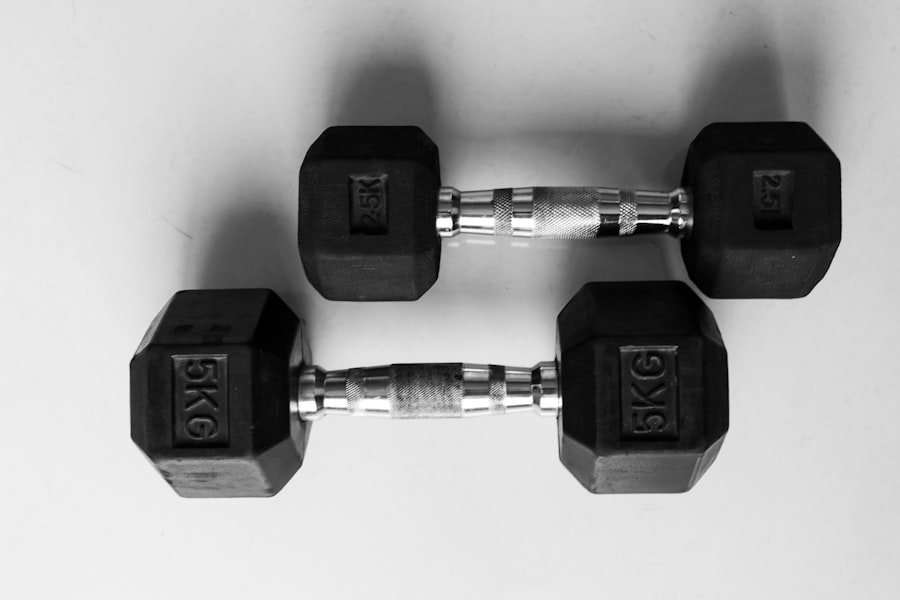
Your metabolic health is not solely dependent on what you eat and how you move. The quality of your sleep and your ability to manage stress play critical, often underestimated, roles.
The Restorative Power of Quality Sleep
Sleep is not a passive state; it’s a period of intense restoration and regulation for your entire body, including your metabolism. Think of it as your body’s essential maintenance schedule.
- Hormonal Balance: Inadequate sleep disrupts the delicate balance of hunger-regulating hormones (ghrelin and leptin), leading to increased appetite and cravings for unhealthy foods. It also negatively impacts cortisol and growth hormone levels.
- Insulin Sensitivity: Chronic sleep deprivation can decrease insulin sensitivity, contributing to higher blood sugar levels and increasing the risk of type 2 diabetes.
- Cognitive Function and Energy Levels: Well-rested individuals typically have more energy for physical activity and make healthier food choices.
- Establishing a Sleep Routine: Aim for 7-9 hours of quality sleep per night. Establish a consistent sleep schedule, create a relaxing bedtime routine, limit screen time before bed, and ensure your sleep environment is dark, quiet, and cool.
Managing Stress: Protecting Your Metabolic Health
Chronic stress is a silent assailant of your metabolic health. It triggers a cascade of physiological responses designed for acute survival but detrimental in the long term.
- Cortisol Release: Stress activates your hypothalamic-pituitary-adrenal (HPA) axis, leading to the release of cortisol. Persistently high cortisol levels can promote visceral fat accumulation, increase blood sugar, and contribute to insulin resistance.
- Reduced Metabolic Rate: Chronic stress can lead to a decrease in your metabolic rate as your body attempts to conserve energy, perceiving itself to be in a state of threat.
- Emotional Eating: Stress often triggers emotional eating, where you reach for comfort foods that are typically high in sugar and unhealthy fats.
- Stress Reduction Techniques: Incorporate stress-management techniques into your daily routine. This could include meditation, yoga, deep breathing exercises, spending time in nature, engaging in hobbies, or connecting with loved ones. If self-help methods are insufficient, consider seeking professional guidance.
As we age, maintaining a healthy metabolism becomes increasingly important, especially after the age of 60. Engaging in regular physical activity, incorporating strength training, and making mindful dietary choices can significantly help in boosting metabolism. For more insights on this topic, you can explore a related article that offers practical tips and strategies to enhance metabolic health in seniors. Check it out here for valuable information that can support your journey towards a healthier lifestyle.
When to Seek Professional Guidance
| Method | Description | Estimated Impact on Metabolism | Recommended Frequency |
|---|---|---|---|
| Strength Training | Builds muscle mass which increases resting metabolic rate. | Increases metabolism by 5-15% | 2-3 times per week |
| High-Intensity Interval Training (HIIT) | Short bursts of intense exercise followed by rest, boosts calorie burn. | Boosts metabolism for up to 24 hours post-exercise | 1-2 times per week |
| Protein-Rich Diet | Protein has a higher thermic effect, increasing calorie burn during digestion. | Increases metabolism by 15-30% during digestion | Include protein in every meal |
| Stay Hydrated | Water is essential for metabolic processes and can temporarily boost metabolism. | Increases metabolism by 10-30% for about 30-40 minutes | Drink 8+ cups daily |
| Regular Physical Activity | Maintains muscle mass and overall metabolic health. | Moderate increase in daily calorie expenditure | At least 30 minutes daily |
| Get Adequate Sleep | Poor sleep can reduce metabolic rate and increase appetite. | Improves metabolic regulation and hormone balance | 7-8 hours per night |
| Manage Stress | Chronic stress can negatively affect metabolism through hormone imbalance. | Helps maintain healthy metabolic function | Daily relaxation techniques |
While this article provides a comprehensive overview of strategies to boost your metabolism, it is essential to recognize that individual needs vary. Your journey is unique.
Consulting Your Healthcare Provider
Before embarking on significant dietary changes or new exercise regimens, especially if you have pre-existing health conditions, it is prudent to consult with your doctor.
- Underlying Medical Conditions: Certain medical conditions, such as hypothyroidism or undiagnosed insulin resistance, can significantly impact metabolism. Your doctor can conduct tests to rule out or manage these conditions.
- Medication Review: Some medications can affect metabolism or interact with new dietary supplements. A medication review can help identify potential issues.
- Personalized Recommendations: Your doctor can provide personalized advice based on your health history, current medications, and individual circumstances.
Working with Registered Dietitians and Certified Personal Trainers
For more tailored guidance, consider enlisting the expertise of a registered dietitian or a certified personal trainer specializing in older adults.
- Individualized Nutrition Plans: A registered dietitian can assess your current dietary intake, identify areas for improvement, and develop a personalized nutrition plan that aligns with your metabolic goals and dietary preferences.
- Safe and Effective Exercise Programs: A certified personal trainer can design a safe and effective exercise program that considers your physical capabilities, limitations, and goals, helping you build strength and cardiovascular fitness safely.
- Accountability and Support: Working with professionals can provide invaluable accountability and support, helping you stay motivated and consistent on your journey to a healthier metabolism.
Boosting your metabolism after 60 is an endeavor that requires a holistic approach, encompassing thoughtful dietary choices, consistent physical activity, restorative sleep, and effective stress management. While age brings its own set of challenges, it also brings wisdom and the opportunity to make informed choices that empower you to live a vibrant and metabolically robust life. You have the ability to be the architect of your own well-being.

WATCH NOW ▶️ STOP Working Out: The 3-Step “Kitchen Protocol” to Rebuild Muscle After 60
FAQs
1. What factors affect metabolism after the age of 60?
Metabolism naturally slows down with age due to a decrease in muscle mass, hormonal changes, and reduced physical activity. These factors contribute to a lower resting metabolic rate in individuals over 60.
2. How can strength training help boost metabolism after 60?
Strength training helps build and maintain muscle mass, which is metabolically active tissue. Increasing muscle mass can raise resting metabolic rate, helping to burn more calories even at rest.
3. Are there specific dietary changes that can improve metabolism in older adults?
Yes, consuming adequate protein supports muscle maintenance and repair, which is important for metabolism. Additionally, eating smaller, frequent meals and staying hydrated can help regulate metabolic processes.
4. How does physical activity influence metabolism in people over 60?
Regular physical activity, including aerobic exercises and resistance training, increases calorie expenditure and helps preserve muscle mass, both of which contribute to a higher metabolic rate.
5. Can lifestyle habits like sleep and stress management impact metabolism after 60?
Yes, poor sleep and chronic stress can negatively affect hormone levels that regulate metabolism. Prioritizing quality sleep and managing stress through relaxation techniques can support a healthy metabolic rate.