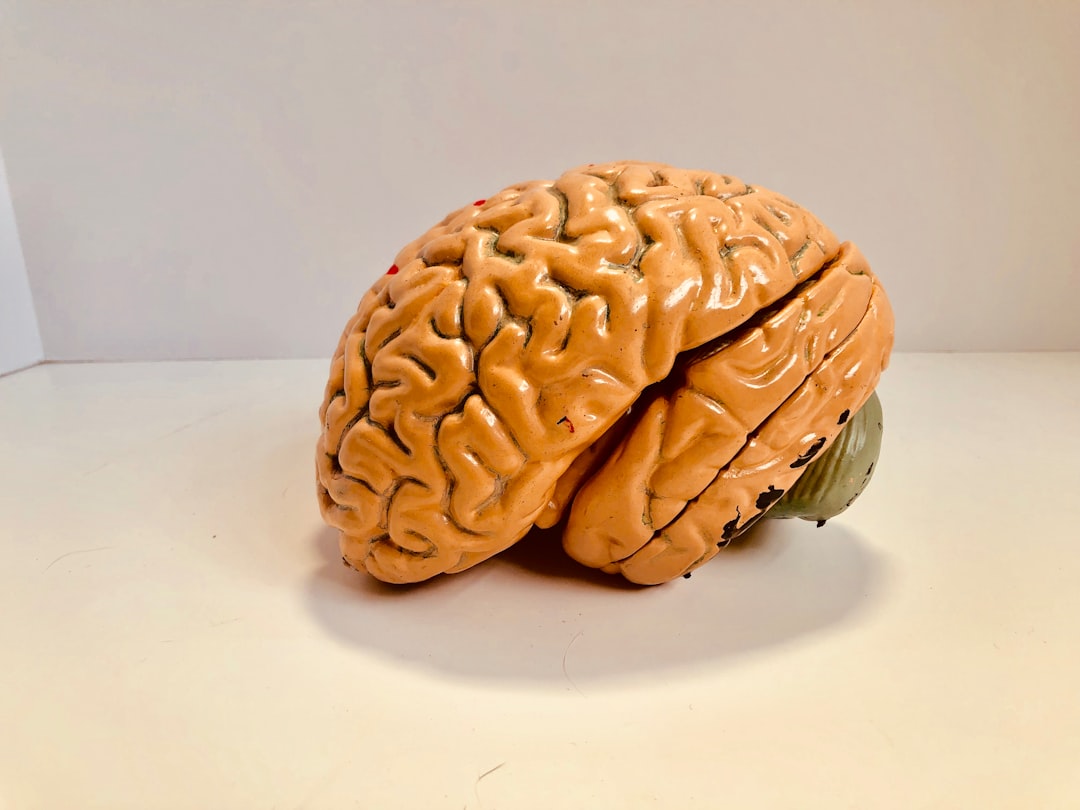
As individuals age, the brain undergoes structural and functional modifications that impact cognitive performance. Research indicates that aging is associated with neuronal loss and synaptic reduction, resulting in decreased processing speed and occasional memory difficulties. Common age-related changes include increased difficulty with name retrieval and word-finding tasks, which represent normal aspects of the aging process.
The brain maintains neuroplasticity throughout the lifespan, though this adaptive capacity operates at a reduced rate compared to younger years. While certain cognitive functions may decline with age, others can be preserved or improved through targeted interventions and lifestyle modifications. Scientific evidence demonstrates that specific activities and behavioral choices can support cognitive function and promote brain health in older adults.
Understanding the mechanisms of brain aging enables individuals to implement evidence-based strategies for maintaining cognitive resilience and optimizing neurological health across the lifespan.
Key Takeaways
- Aging affects brain function, making brain health crucial for seniors.
- Physical exercise and mental stimulation help maintain cognitive abilities.
- Proper nutrition and social engagement support brain health and cognitive function.
- Managing stress and ensuring quality sleep are vital for brain performance.
- Utilizing technology and seeking professional help can enhance cognitive health in seniors.
Importance of Brain Health in Seniors
Maintaining brain health is crucial as you grow older, not just for cognitive function but also for overall quality of life. A healthy brain allows you to engage fully in daily activities, maintain independence, and enjoy meaningful relationships. When your cognitive abilities are sharp, you are more likely to participate in social events, pursue hobbies, and manage daily tasks with ease.
This engagement is vital for emotional well-being and can significantly reduce feelings of isolation or depression. Furthermore, prioritizing brain health can help mitigate the risk of neurodegenerative diseases such as Alzheimer’s and other forms of dementia. By adopting a proactive approach to your cognitive health, you can potentially delay the onset of these conditions or lessen their impact.
This understanding underscores the importance of integrating brain-healthy habits into your daily routine, ensuring that you not only live longer but also enjoy a higher quality of life as you age.
Physical Exercise for Brain Health
Engaging in regular physical exercise is one of the most effective ways to support brain health as you age. Exercise increases blood flow to the brain, delivering essential nutrients and oxygen that promote neuronal health. You may find that activities like walking, swimming, or even dancing not only improve your physical fitness but also enhance your mood and cognitive function.
The endorphins released during exercise can help reduce stress and anxiety, further benefiting your mental well-being. Incorporating strength training into your routine can also be beneficial. Research suggests that resistance exercises may improve memory and cognitive function by promoting the growth of new neurons in the hippocampus, a region critical for learning and memory.
As you explore different forms of exercise, consider what you enjoy most; this will make it easier to stick with a routine that supports both your physical and mental health.
Mental Stimulation and Brain Function
Mental stimulation is another key component in maintaining cognitive function as you age. Engaging in activities that challenge your brain can help build new neural connections and strengthen existing ones. You might consider puzzles, reading, or learning a new language as enjoyable ways to keep your mind sharp.
These activities not only provide mental challenges but also offer a sense of accomplishment and satisfaction.
The combination of mental challenge and social engagement can create a powerful synergy that enhances overall brain health.
By actively seeking out mentally stimulating activities, you can foster a more resilient mind and potentially stave off cognitive decline.
Nutrition and Brain Health
| Method | Description | Frequency | Expected Benefits |
|---|---|---|---|
| Regular Physical Exercise | Engaging in aerobic and strength training exercises to improve blood flow and brain health. | At least 150 minutes per week | Improved memory, attention, and processing speed |
| Mental Stimulation | Activities like puzzles, reading, and learning new skills to challenge the brain. | Daily or several times a week | Enhanced cognitive function and delayed cognitive decline |
| Healthy Diet | Consuming brain-healthy foods rich in antioxidants, omega-3 fatty acids, and vitamins. | Daily | Reduced risk of neurodegenerative diseases and improved brain function |
| Quality Sleep | Maintaining 7-9 hours of restful sleep to support memory consolidation and brain repair. | Nightly | Better memory retention and cognitive performance |
| Social Engagement | Participating in social activities to reduce stress and stimulate cognitive processes. | Weekly or more | Lower risk of depression and cognitive decline |
| Stress Management | Practicing relaxation techniques such as meditation or yoga to reduce cortisol levels. | Daily or as needed | Improved focus and reduced cognitive impairment |
What you eat plays a significant role in your brain health as you age. A balanced diet rich in antioxidants, healthy fats, vitamins, and minerals can support cognitive function and protect against neurodegenerative diseases. Foods such as fatty fish, berries, nuts, and leafy greens are particularly beneficial for brain health.
Omega-3 fatty acids found in fish like salmon are known to promote neuronal growth and improve memory. Moreover, staying hydrated is essential for optimal brain function. Dehydration can lead to confusion and cognitive decline, so make it a habit to drink plenty of water throughout the day.
As you plan your meals, consider incorporating a variety of colorful fruits and vegetables to ensure you’re getting a wide range of nutrients that support both physical and mental health.
Social Engagement and Cognitive Function
Social engagement is vital for maintaining cognitive function as you age. Interacting with others stimulates your brain and helps combat feelings of loneliness or isolation that can negatively impact mental health. You might find joy in joining clubs, volunteering, or participating in community events where you can connect with others who share similar interests.
These social interactions not only provide emotional support but also challenge your cognitive abilities through conversation and shared activities. Additionally, maintaining strong relationships with family and friends can provide a sense of purpose and belonging. Engaging in meaningful conversations or collaborative projects can stimulate your mind while reinforcing social bonds.
By prioritizing social engagement, you create an environment that nurtures both your emotional well-being and cognitive health.
Stress Management for Brain Health
Managing stress is crucial for maintaining brain health as you age. Chronic stress can lead to inflammation and negatively impact cognitive function over time. You may find that incorporating relaxation techniques such as mindfulness meditation, yoga, or deep-breathing exercises into your daily routine can help alleviate stress levels.
These practices not only promote relaxation but also enhance focus and clarity of thought. Moreover, finding hobbies or activities that bring you joy can serve as effective stress relievers. Whether it’s gardening, painting, or listening to music, engaging in enjoyable pursuits allows you to unwind while stimulating your mind.
By actively managing stress through various techniques and activities, you create a healthier mental environment conducive to cognitive resilience.
Sleep and Brain Function
Quality sleep is essential for optimal brain function at any age but becomes increasingly important as you grow older. During sleep, your brain consolidates memories and clears out toxins that accumulate throughout the day. You may notice that poor sleep quality can lead to difficulties with concentration and memory recall.
Prioritizing good sleep hygiene—such as maintaining a consistent sleep schedule, creating a comfortable sleep environment, and limiting screen time before bed—can significantly improve your overall cognitive health. If you find yourself struggling with sleep issues, consider exploring relaxation techniques or consulting with a healthcare professional for guidance. Establishing a calming bedtime routine can signal to your body that it’s time to wind down, promoting deeper and more restorative sleep.
By valuing sleep as an integral part of your overall health strategy, you support not only your cognitive function but also your emotional well-being.
Brain-Boosting Activities for Seniors
Engaging in brain-boosting activities is an enjoyable way to enhance cognitive function as you age. Consider exploring new hobbies such as painting, playing a musical instrument, or even taking up photography; these activities challenge your brain while providing creative outlets for self-expression. You might also enjoy participating in group classes or workshops that focus on learning new skills or crafts—these not only stimulate your mind but also foster social connections.
Additionally, consider incorporating technology into your routine through apps designed for brain training or memory games. These tools can provide fun challenges while tracking your progress over time. By diversifying the types of activities you engage in, you create a rich tapestry of experiences that contribute positively to your cognitive health.
Technology and Brain Health for Seniors
Technology offers numerous resources to support brain health for seniors. From online courses to mobile apps designed for mental stimulation, there are countless ways to engage with technology that can enhance cognitive function. You might find it beneficial to explore platforms that offer educational content on topics that interest you; this not only keeps your mind active but also allows you to connect with others who share similar passions.
Moreover, social media platforms can serve as valuable tools for maintaining connections with family and friends. Engaging in online discussions or sharing experiences through photos can stimulate your mind while fostering relationships. Embracing technology as a means to enhance both learning and social interaction can significantly contribute to your overall cognitive well-being.
Seeking Professional Help for Cognitive Health
If you notice significant changes in your cognitive abilities or have concerns about memory loss, seeking professional help is essential. Consulting with healthcare providers specializing in geriatric care or neuropsychology can provide valuable insights into your cognitive health. They may recommend assessments or interventions tailored to your specific needs.
By taking proactive steps to address any concerns about your cognitive function, you empower yourself to take charge of your brain health journey. In conclusion, understanding the aging brain is the first step toward maintaining its health as you grow older.
By prioritizing physical exercise, mental stimulation, nutrition, social engagement, stress management, quality sleep, engaging in brain-boosting activities, leveraging technology, and seeking professional help when needed, you create a comprehensive approach to supporting your cognitive well-being throughout the aging process. Embrace these strategies with enthusiasm; they not only enhance your brain health but also enrich your overall quality of life as you navigate the beautiful journey of aging.
To enhance brain function in seniors, it’s essential to engage in activities that stimulate cognitive abilities. A related article that provides valuable insights on this topic can be found at Explore Senior Health. This resource offers practical tips and strategies to help seniors maintain and improve their mental acuity, ensuring a healthier and more active lifestyle.
FAQs
What are some effective ways to improve brain function in seniors?
Effective ways to improve brain function in seniors include regular physical exercise, engaging in mentally stimulating activities such as puzzles or reading, maintaining a healthy diet rich in antioxidants and omega-3 fatty acids, ensuring adequate sleep, managing stress, and staying socially active.
Can diet impact brain health in older adults?
Yes, diet plays a significant role in brain health. Consuming foods rich in antioxidants, vitamins, and omega-3 fatty acids—such as fruits, vegetables, nuts, fish, and whole grains—can help protect brain cells and improve cognitive function in seniors.
How does physical exercise benefit senior brain function?
Physical exercise increases blood flow to the brain, promotes the growth of new brain cells, and improves memory and cognitive abilities. Regular aerobic activities like walking, swimming, or cycling are particularly beneficial for maintaining and enhancing brain function in seniors.
Are mental exercises important for senior brain health?
Yes, mental exercises such as puzzles, reading, learning new skills, or playing strategy games help stimulate the brain, improve memory, and delay cognitive decline in seniors by keeping neural pathways active and engaged.
How does social interaction affect brain function in seniors?
Social interaction helps reduce feelings of loneliness and depression, which can negatively impact cognitive health. Engaging with others through conversations, group activities, or community events supports emotional well-being and cognitive function in older adults.
Is sleep important for maintaining brain function in seniors?
Adequate and quality sleep is crucial for brain health as it helps consolidate memories, clear toxins from the brain, and support overall cognitive function. Seniors should aim for 7-8 hours of restful sleep each night.
Can managing stress improve brain function in older adults?
Yes, chronic stress can impair memory and cognitive abilities. Techniques such as meditation, deep breathing exercises, and mindfulness can help seniors manage stress and protect brain health.
Are there any supplements that can help improve senior brain function?
Some supplements like omega-3 fatty acids, vitamin D, and B vitamins may support brain health, but it is important for seniors to consult with a healthcare provider before starting any supplement regimen to ensure safety and effectiveness.
When should a senior seek medical advice about cognitive decline?
If a senior experiences noticeable memory loss, confusion, difficulty performing familiar tasks, or changes in behavior, it is important to seek medical advice promptly to rule out treatable conditions and receive appropriate care.