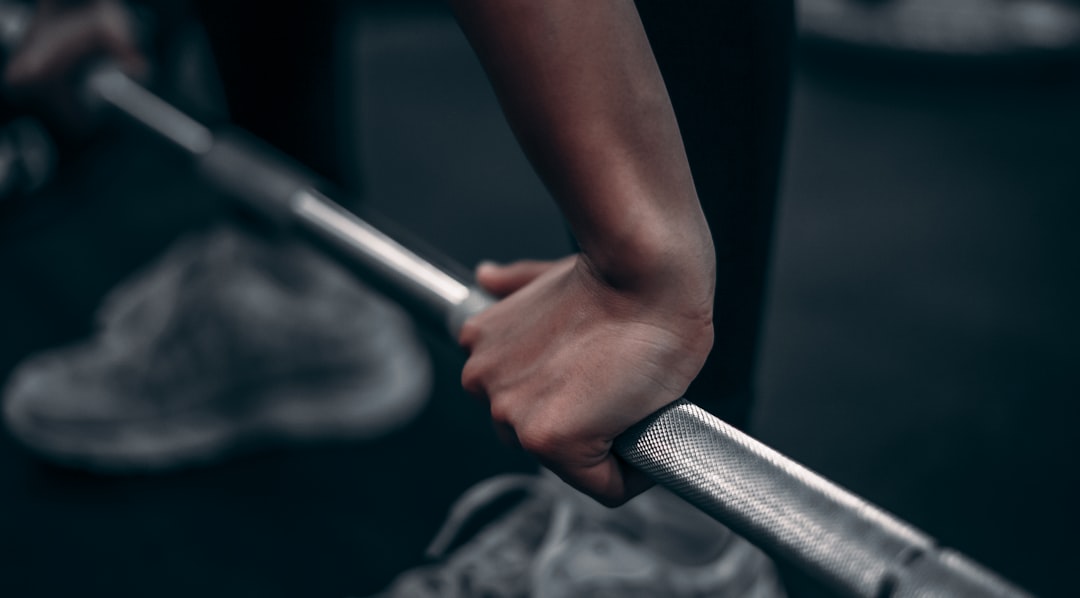
You’ve seen them, haven’t you? The subtle signs of aging. Perhaps you’ve noticed a slight tremor in your own hand when you reach for a cup, or a feeling of less certainty as you grip a railing. These aren’t just abstract inconveniences; they can be indicators of something more significant happening within your body. For you, the senior individual, maintaining your independence and quality of life for as long as possible is likely a primary concern. While many factors contribute to longevity, a surprisingly accessible and powerful one lies within your grasp – quite literally. Your grip strength.
This article is designed to inform you, not to inflate your ego or make empty promises. It’s about presenting research-backed information and practical strategies that you can implement to understand and, where possible, improve your grip strength, and in doing so, potentially enhance your overall longevity. We will explore the science behind this connection, the critical role grip strength plays in daily life, and actionable steps you can take to fortify this vital aspect of your physical well-being.
Consider for a moment what your hands do for you every single day. They allow you to prepare meals, communicate with loved ones, engage in hobbies, and navigate your environment securely. The ability to perform these tasks often hinges on the strength of your grip. Beyond these immediate functional benefits, however, your grip strength serves as a remarkable barometer for your overall health and a surprisingly robust predictor of your future health trajectory.
Grip Strength as a Biomarker of Muscle Mass and Frailty
Your grip strength is not an isolated trait. It’s a reflection of the muscle mass you possess throughout your body. When your grip weakens, it often signifies a general decline in muscle mass, a condition known as sarcopenia. Sarcopenia is a natural part of aging, but its progression can be accelerated by inactivity, poor nutrition, and certain chronic diseases.
Understanding Sarcopenia’s Impact
Sarcopenia’s effects extend far beyond a diminished ability to open jars. It contributes to a loss of physical function, increasing your risk of falls, making everyday tasks more challenging, and ultimately diminishing your independence. The decline in muscle mass impacts your metabolism, your ability to regulate blood sugar, and your body’s capacity to recover from illness or injury. Recognizing grip strength as an indicator of sarcopenia is the first step in addressing this age-related muscle loss proactively.
Research has increasingly highlighted the importance of grip strength as a key indicator of overall health and longevity in seniors. A related article discusses how maintaining grip strength can significantly impact the quality of life and functional independence in older adults. For more insights on this topic, you can read the article at Explore Senior Health, which provides valuable information on exercises and lifestyle changes that can help improve grip strength and promote longevity.
The Predictive Power of Grip Strength in Longevity Studies
Numerous large-scale epidemiological studies have established a significant correlation between lower grip strength and reduced lifespan. Researchers have observed that individuals with weaker grips are more likely to experience a range of adverse health outcomes, including cardiovascular disease, respiratory conditions, and increased mortality rates. The remarkable aspect of these findings is that grip strength often proves to be a more potent predictor of mortality than established health markers like blood pressure or cholesterol levels.
Key Findings from Major Research
Let’s delve into some of the key observations that have cemented grip strength’s importance:
- Reduced Mortality Risk: Studies have consistently shown that for every 5
FAQs
What is grip strength and why is it important for seniors?
Grip strength refers to the force applied by the hand to pull or squeeze an object. It is important for seniors as it is a reliable indicator of overall muscle strength and physical function. Maintaining good grip strength can help seniors with daily activities such as opening jars, carrying groceries, and preventing falls.
How does grip strength relate to longevity for seniors?
Research has shown that there is a strong correlation between grip strength and longevity for seniors. A study published in the Lancet found that lower grip strength was associated with a higher risk of all-cause mortality and cardiovascular disease in older adults. This suggests that maintaining good grip strength can contribute to a longer and healthier life for seniors.
What are some exercises to improve grip strength for seniors?
There are several exercises that seniors can do to improve grip strength, including squeezing a stress ball, using hand grippers, doing wrist curls with light weights, and practicing finger extensions with rubber bands. These exercises can help strengthen the muscles in the hands and forearms, leading to improved grip strength.
Are there any other benefits of improving grip strength for seniors?
In addition to contributing to longevity, improving grip strength can also have other benefits for seniors. It can help with maintaining independence in daily activities, reducing the risk of falls, and improving overall physical function. Strong grip strength is also associated with better cognitive function and a lower risk of disability in older adults.
What are some tips for seniors to maintain and improve grip strength?
Seniors can maintain and improve grip strength by incorporating regular hand and forearm exercises into their fitness routine. It is also important to eat a balanced diet that includes protein and nutrients essential for muscle health. Additionally, avoiding smoking and excessive alcohol consumption can help preserve muscle strength and overall health.