
You’ve reached a stage in life where maintaining muscle mass, a process known as sarcopenia, becomes a key consideration for your overall health and independence. While resistance training is the engine that drives muscle growth, your diet acts as the fuel, providing the essential building blocks. This article will guide you through budget-friendly food choices that can help you combat muscle loss, improve strength, and enhance your quality of life without straining your wallet.
As you age, your body’s ability to synthesize protein may diminish, making adequate protein intake even more crucial. However, muscle building isn’t solely about protein; it’s a symphony of macronutrients (proteins, carbohydrates, fats) and micronutrients (vitamins, minerals) working in concert. Think of your body as a meticulously crafted machine; each component, no matter how small, plays a vital role.
Protein: The Building Blocks
Protein is paramount for muscle repair and growth. It provides the amino acids necessary for synthesizing new muscle tissue. For seniors, a general recommendation is to aim for 1.0 to 1.2 grams of protein per kilogram of body weight daily, distributed throughout your meals. This approach, often called protein pacing, ensures a steady supply of amino acids throughout the day, preventing your muscles from entering a catabolic (breakdown) state.
- Amino Acid Profiles: Not all proteins are created equal. Complete proteins contain all nine essential amino acids that your body cannot produce on its own. Animal-based proteins are typically complete, while many plant-based proteins are incomplete, requiring thoughtful combinations to achieve a full amino acid profile.
- Protein Digestion and Absorption: As you age, gastric acid production may decrease, potentially affecting protein digestion. Opting for easily digestible protein sources can be beneficial.
Carbohydrates: The Energy Source
While protein builds, carbohydrates provide the energy for your workouts and for the protein synthesis process itself. Without sufficient carbohydrates, your body may resort to breaking down muscle tissue for energy, counteracting your muscle-building efforts. Think of carbohydrates as the high-octane fuel for your active lifestyle.
- Complex vs. Simple Carbohydrates: Focus on complex carbohydrates, such as whole grains, fruits, and vegetables. These provide sustained energy release and are rich in fiber, which aids digestion and promotes satiety. Simple carbohydrates, found in sugary drinks and processed foods, offer a quick burst of energy but can lead to energy crashes.
- Glycogen Stores: Carbohydrates are stored as glycogen in your muscles and liver. Adequate glycogen stores are essential for high-intensity exercise and recovery.
Fats: The Essential Regulators
Dietary fats, while often misunderstood, are crucial for hormone production, nutrient absorption, and overall health. They are not just silent observers in the muscle-building process; they are integral regulators.
- Omega-3 Fatty Acids: Particularly important are omega-3 fatty acids, found in fatty fish and certain plant sources. These have anti-inflammatory properties, which can aid in muscle recovery and reduce muscle soreness.
- Healthy Monounsaturated and Polyunsaturated Fats: Found in avocados, nuts, and seeds, these fats contribute to satiety and overall cardiovascular health.
Vitamins and Minerals: The Unsung Heroes
Vitamins and minerals, though required in smaller quantities, act as cofactors in countless biochemical reactions, including those involved in muscle protein synthesis and energy production. They are the unseen engineers, ensuring the smooth operation of your body’s complex machinery.
- Vitamin D: Crucial for bone health and muscle function. Many seniors are deficient in Vitamin D, making supplementation or increased dietary intake vital.
- Calcium: Essential for muscle contraction and bone density, which is particularly important as you seek to build muscle and prevent falls.
- Magnesium: Involved in over 300 enzymatic reactions, including protein synthesis and muscle function.
- Potassium: Plays a key role in fluid balance and nerve function, impacting muscle contraction.
For seniors looking to build muscle without breaking the bank, it’s essential to focus on affordable and nutritious food options. A related article that provides valuable insights on this topic is available at Explore Senior Health. This resource offers practical tips and suggestions for incorporating budget-friendly muscle-building foods into a senior’s diet, ensuring they can maintain their strength and vitality as they age.
High-Quality Protein on a Budget
Accessing nutrient-dense protein doesn’t require an exorbitant budget. With strategic shopping and preparation, you can fuel your muscle-building journey efficiently.
Eggs: The Complete Protein Powerhouse
Eggs are an inexpensive and highly versatile source of complete protein. A large egg provides approximately 6 grams of protein, along with essential vitamins and minerals like choline and Vitamin D. They are also highly bioavailable, meaning your body can readily absorb and utilize their protein.
- Nutritional Value: Beyond protein, eggs contain lutein and zeaxanthin, beneficial for eye health, and a range of B vitamins crucial for energy metabolism.
- Versatility in Meals: Eggs can be incorporated into breakfast (scrambled, boiled, poached), lunch (egg salad, frittata), or dinner (omelets with vegetables). You can buy them in bulk, reducing the per-egg cost.
- Storage: Eggs have a relatively long shelf life when refrigerated, making them an economical staple.
Legumes: Plant-Based Powerhouses
Lentils, beans (black, kidney, pinto, chickpeas), and peas are incredibly affordable sources of plant-based protein, fiber, and complex carbohydrates. While individually they may be incomplete proteins, combining them with grains like rice can create a complete protein profile. Think of combining different legumes as building a complex structure from individual bricks.
- Cost-Effectiveness: Dried legumes are significantly cheaper than canned varieties, though they require soaking and longer cooking times. Canned legumes are convenient but generally cost more and may contain added sodium.
- Fiber Content: The high fiber content in legumes promotes satiety, digestive health, and can help regulate blood sugar levels, preventing energy dips.
- Recipe Ideas: Lentil soup, bean chili, hummus (made from chickpeas), and Black Bean Fiesta bowls are all delicious and budget-friendly options.
Canned Fish: Omega-3 Rich and Convenient
Canned fish, particularly tuna and salmon, offers a convenient and affordable source of protein and beneficial omega-3 fatty acids. These fats are crucial for reducing inflammation and supporting recovery after exercise.
- Tuna: Light tuna, packed in water, is a lean protein source. Albacore tuna has higher mercury levels, so moderation is advised.
- Salmon: Canned salmon, often with bones (which are edible and add calcium), is an excellent source of omega-3s and Vitamin D.
- Meal Preparation: Canned fish can be used in sandwiches, salads, pasta dishes, or made into fish cakes. It requires no cooking, making it an ideal choice for quick meals.
- Storage: Canned goods have a very long shelf life, making them excellent pantry staples.
Cottage Cheese: Slow-Release Protein
Cottage cheese is a dairy product rich in casein protein, which is a slow-digesting protein. This makes it an excellent choice for a pre-bedtime snack, providing a sustained release of amino acids overnight to support muscle repair and growth.
- Protein Content: A half-cup serving of cottage cheese can provide around 12-14 grams of protein.
- Calcium and Probiotics: It’s also a good source of calcium and, depending on the brand, may contain beneficial probiotics for gut health.
- Versatility: Enjoy it plain, with fruit, or as a savory snack with black pepper or herbs. You can also incorporate it into baked goods for an added protein boost.
Smart Carbohydrate and Fat Choices
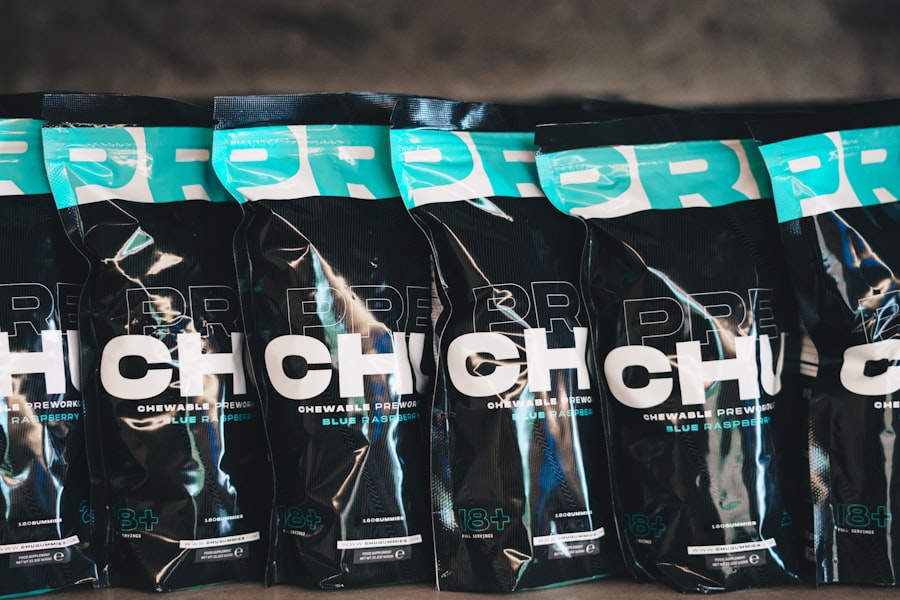
Beyond protein, savvy choices for carbohydrates and fats are equally important for fueling your body and maintaining energy levels throughout your muscle-building journey.
Whole Grains: Sustained Energy
Instead of refined grains, opt for whole grains like oats, brown rice, whole wheat bread, and quinoa. These are rich in complex carbohydrates, fiber, and essential minerals, providing a steady stream of energy to power your workouts and daily activities.
- Oats: Inexpensive and versatile. Rolled oats or steel-cut oats provide sustained energy and are a good source of soluble fiber, which can help lower cholesterol.
- Brown Rice: A cost-effective alternative to white rice, offering more fiber and nutrients.
- Whole Wheat Bread: Choose whole wheat instead of white bread for increased fiber and nutrient density. Look for options with minimal added sugars.
- Quinoa: Though slightly more expensive than rice, quinoa is a complete protein and a good source of fiber, iron, and magnesium. Look for it in larger bags for better value.
Potatoes and Sweet Potatoes: Nutrient-Dense Starchy Vegetables
Potatoes and sweet potatoes are incredibly versatile, affordable, and nutrient-dense sources of complex carbohydrates. They provide energy, vitamins, and minerals that support overall health and athletic performance.
- Potatoes: Rich in potassium, Vitamin C, and fiber (especially with the skin on).
- Sweet Potatoes: Excellent source of Vitamin A (beta-carotene), Vitamin C, and fiber. Their slightly sweeter taste makes them a popular choice.
- Budget-Friendly: Potatoes are often one of the most affordable vegetables available, especially when purchased in bulk.
- Preparation: Bake, boil, roast, or mash them. You can also incorporate them into stews or curries.
Budget-Friendly Healthy Fats: Nuts, Seeds, and Oils
Healthy fats are crucial, but some sources can be expensive. Prioritize affordable options to ensure you’re getting essential fatty acids without breaking the bank.
- Peanuts and Peanut Butter: Peanuts are an economical source of healthy fats, protein, and fiber. Choose natural peanut butter with no added sugars or hydrogenated oils.
- Sunflower Seeds: A budget-friendly source of Vitamin E, magnesium, and healthy fats. Add them to salads, yogurt, or oatmeal.
- Flaxseeds (Ground): While not as widely used as other seeds, ground flaxseeds are a phenomenal and affordable source of omega-3 fatty acids (ALA). Sprinkle them on cereals, smoothies, or salads.
- Vegetable Oils (Canola, Olive Oil): While extra virgin olive oil can be pricier, regular olive oil and canola oil are more affordable options for cooking and salad dressings, providing healthy monounsaturated fats. Buy larger bottles for better per-unit pricing.
Strategic Shopping and Preparation for Maximum Savings

Your choices at the grocery store and in the kitchen profoundly impact the cost-effectiveness of your muscle-building diet. Think of yourself as a financial architect, constructing a strong dietary foundation on a budget.
Buying in Bulk: A Wise Investment
Purchasing non-perishable items and items with a long shelf life in larger quantities often results in significant cost savings. This requires initial planning but pays dividends in the long run.
- Dried Legumes and Grains: Beans, lentils, rice, and oats are excellent candidates for bulk purchases.
- Frozen Fruits and Vegetables: Often cheaper than fresh produce, especially out of season, and they retain their nutritional value. They also reduce food waste.
- Canned Goods: Canned fish and vegetables (low sodium preferred) are ideal for bulk buying, providing readily available nutrients.
- Eggs: Purchasing larger cartons of eggs generally lowers the per-egg cost.
- Meat (if applicable): If you consume meat, look for sales on larger cuts of poultry or ground meat and portion them out for freezing.
Meal Prepping: Your Time and Money Saver
Dedicated time for meal preparation can be a game-changer for your budget and your nutritional goals. By preparing meals in advance, you reduce impulse purchases of unhealthy fast food and ensure you always have nutritious options readily available.
- Batch Cooking: Cook larger quantities of staples like brown rice, roasted vegetables, or chicken (if consumed) at the beginning of the week.
- Portion Control: Divide cooked meals into individual portions for easy grab-and-go lunches or dinners. This also helps with calorie and macro management.
- Snack Preparation: Pre-portion snacks like nuts, seeds, or hard-boiled eggs to prevent unhealthy snacking.
- Freezing: Many prepared meals freeze well, allowing you to create a rotating menu and reduce food waste. Soups, stews, and casseroles are particularly freezer-friendly.
Utilizing Sales and Store Brands: The Savvy Shopper’s Secret
Being a discerning shopper involves paying attention to weekly sales flyers and opting for store brands, which often offer comparable quality at a lower price.
- Weekly Flyers: Check your local grocery store’s flyers for sales on protein sources, produce, and pantry staples. Plan your meals around these discounted items.
- Store Brands/Generic Products: Don’t shy away from store brands. For many products, like canned goods, grains, and frozen vegetables, the quality is virtually identical to national brands, but the price point is significantly lower.
- Seasonal Produce: Buying fruits and vegetables when they are in season is often cheaper and ensures they are at their peak flavor and nutritional value. Consider farmers’ markets for fresh, local, and sometimes more affordable options.
- Loyalty Programs: Sign up for your grocery store’s loyalty programs to access exclusive discounts and personalized offers.
For seniors looking to enhance their muscle-building efforts without breaking the bank, exploring affordable food options is essential. A great resource to consider is an article that discusses budget-friendly muscle building foods specifically tailored for older adults. You can find valuable insights and tips in this related article, which emphasizes the importance of nutrition in maintaining strength and overall health as we age.
Hydration and Supplementation Considerations
| Food Item | Protein (per 100g) | Cost Efficiency | Key Nutrients | Benefits for Seniors |
|---|---|---|---|---|
| Eggs | 13g | High | Vitamin D, B12, Choline | Supports muscle repair and brain health |
| Chicken Breast | 31g | Moderate | Niacin, Selenium, Vitamin B6 | Lean protein for muscle maintenance |
| Canned Tuna | 25g | High | Omega-3, Vitamin D, Selenium | Promotes muscle growth and heart health |
| Greek Yogurt | 10g | Moderate | Calcium, Probiotics, Vitamin B12 | Supports bone health and digestion |
| Lentils | 9g | High | Iron, Fiber, Folate | Plant-based protein for muscle and energy |
| Peanut Butter | 25g | High | Healthy fats, Magnesium, Vitamin E | Energy-dense and supports muscle repair |
| Oats | 13g | High | Fiber, Iron, Magnesium | Provides sustained energy and muscle support |
While whole foods form the bedrock of your muscle-building diet, proper hydration and strategic supplementation can complement your efforts, especially as you age.
Water: The Unsung Hero of Metabolism
Water is not merely a beverage; it is an essential nutrient involved in virtually every bodily function, including nutrient transport, temperature regulation, and joint lubrication. Adequate hydration is critical for muscle function and recovery. Imagine your body’s metabolic processes as precise gears; water ensures they are adequately lubricated and can turn smoothly.
- Thirst as an Indicator: Don’t wait until you’re thirsty to drink; thirst is already a sign of mild dehydration.
- Daily Intake: Aim for at least 8 glasses of water daily, and more if you are physically active or in hot climates.
- Fluid Sources: Beyond plain water, herbal teas, infused water (with slices of fruit or cucumber), and some high-water content fruits and vegetables contribute to your daily fluid intake. Avoid sugary drinks which offer empty calories.
Supplements: When and Why
While a well-planned diet should provide most of the nutrients you need, certain supplements can be beneficial for seniors, particularly if dietary intake is insufficient or absorption is compromised. However, always consult with your doctor or a registered dietitian before starting any new supplement regimen. Supplements are designed to “supplement” your diet, not replace it.
- Vitamin D: Many seniors are deficient in Vitamin D, which is crucial for bone health, muscle function, and immune support.
- Calcium: If dairy intake is low, a calcium supplement might be recommended to support bone density.
- Creatine Monohydrate: While not always considered budget-friendly in terms of ongoing cost, creatine is one of the most researched and effective supplements for increasing muscle strength and mass, particularly when combined with resistance training. It helps regenerate ATP, the primary energy currency of your cells, allowing for more intense workouts. For seniors, studies suggest it can notably improve muscle function and physical performance. Look for plain creatine monohydrate; complex blends are usually more expensive with unproven additional benefits.
- Protein Powder (Whey or Plant-Based): If you struggle to meet your daily protein requirements through whole foods alone, a protein powder can be a convenient and cost-effective way to boost your intake. Whey protein is fast-digesting, making it suitable post-workout, while casein (found in cottage cheese) is slow-digesting. Plant-based options include pea, soy, or rice protein. Shop around for sales and consider buying larger tubs for better value.
Building and maintaining muscle mass as a senior is an achievable and highly beneficial goal that doesn’t require a lavish expenditure. By focusing on nutrient-dense, affordable foods, employing smart shopping strategies, and prioritizing your overall health, you can forge a path to a stronger, more independent future. Your diet is your daily investment in your physical vitality.
FAQs
What are some affordable muscle-building foods suitable for seniors?
Affordable muscle-building foods for seniors include eggs, canned tuna, beans, lentils, Greek yogurt, cottage cheese, and frozen vegetables. These options provide essential protein and nutrients without breaking the budget.
How much protein do seniors need to build muscle effectively?
Seniors generally need about 1.0 to 1.2 grams of protein per kilogram of body weight daily to support muscle maintenance and growth. This amount may vary based on individual health conditions and activity levels.
Can plant-based foods help seniors build muscle on a budget?
Yes, plant-based foods like beans, lentils, chickpeas, tofu, and quinoa are excellent, cost-effective sources of protein and other nutrients that support muscle building in seniors.
Are there any tips for seniors to maximize muscle growth while eating on a budget?
Seniors can maximize muscle growth by combining protein-rich foods with strength training exercises, planning meals ahead, buying in bulk, choosing seasonal produce, and incorporating affordable protein sources like eggs and legumes.
Is it important for seniors to include other nutrients besides protein for muscle building?
Yes, besides protein, seniors should ensure adequate intake of vitamins D and B12, calcium, and healthy fats, as these nutrients support muscle function, bone health, and overall well-being.