You navigate a complex world daily. From lifting groceries to pushing open a stubborn door, from carrying a child to maneuvering through a crowded public space, your body is in constant demand. These aren’t isolated feats of strength; they are integrated movements that require coordination, stability, and adaptable power. This article will delineate strategies for you to cultivate functional muscle, enhancing your capacity to perform these varied daily tasks with greater ease and reduced injury risk.
Functional muscle, unlike muscle developed solely for aesthetic purposes or maximal strength in isolation, is built with an emphasis on its utility in real-world scenarios. It involves training movements, not just individual muscles. Think of it as developing a robust internal operating system rather than merely adding impressive hardware.
What Defines Functional Strength?
Functional strength is characterized by your ability to control your body through a full range of motion, often under resistance or in unstable environments. It encompasses:
- Mobility: The active, controlled range of motion around a joint.
- Stability: The ability of your body to maintain a desired position or posture against internal or external forces.
- Balance: Your capacity to maintain equilibrium, whether static or dynamic.
- Coordination: The synchronized action of multiple muscles to produce smooth, efficient movement.
- Power: The rate at which you can generate force, crucial for explosive movements.
Distinguishing from Bodybuilding or Powerlifting
While bodybuilding focuses on hypertrophy (muscle growth) for visual appeal and powerlifting prioritizes maximal single-lift strength, functional training targets the synergistic relationship between muscles and movements. You might notice a functionally strong individual possesses a lean, athletic physique rather than pronounced, isolated muscle groups. Their strength is often less about absolute weight lifted in a sterile environment and more about adaptability and resilience in dynamic situations. For instance, a powerlifter might deadlift 600 pounds, but struggle to carry an awkwardly shaped 50-pound sack of concrete up a flight of stairs efficiently. A functionally strong individual would leverage their core, grip, and integrated posterior chain to manage the latter task with relative ease.
For those interested in building functional muscle to enhance daily tasks, a related article can provide valuable insights and practical tips. You can explore more about this topic by visiting Explore Senior Health, where you’ll find resources that focus on strength training and exercises tailored to improve everyday activities. This information can help you develop a fitness routine that not only builds muscle but also supports overall health and mobility.
The Core: Your Central Command Center
Your core musculature acts as the epicenter of all movement, a vital link between your upper and lower body. A weak core is like a house with a compromised foundation; any structure built upon it will be unstable and prone to failure.
Beyond the Six-Pack
While rectus abdominis (the “six-pack” muscle) contributes to spinal flexion, the core extends far beyond this superficial layer. It includes:
- Transverse Abdominis: Your deepest abdominal muscle, acting like a natural corset to stabilize your spine.
- Obliques (Internal and External): Responsible for rotational movements and lateral flexion.
- Multifidus: Small, deep muscles that stabilize individual vertebrae.
- Erector Spinae: Muscles running along your spine, crucial for extension and posture.
- Pelvic Floor Muscles: Crucial for stability and bladder control, often overlooked.
- Diaphragm: Your primary breathing muscle, intrinsically linked to core stability.
Training for Core Integration
Effective core training involves more than crunches. You should incorporate exercises that challenge your core’s ability to resist movement (anti-rotation, anti-extension, anti-flexion) and to transfer force.
- Planks and Side Planks: Excellent for developing isometric strength and anti-extension/anti-lateral flexion.
- Bird-Dog: Improves spinal stability and coordination.
- Pallof Press: Targets anti-rotation, mimicking real-world scenarios where you resist twisting.
- Carries (Farmer’s Walk, Suitcase Carry): Challenge unilateral core stability and grip strength simultaneously. These are direct translations to carrying groceries or luggage.
- Dead Bugs: Focus on controlled limb movement while maintaining core engagement and spinal neutrality.
Compound Movements: The Building Blocks of Function

Compound movements, by definition, involve multiple joints and multiple muscle groups working in sync. They mimic natural human movement patterns and are exceptionally efficient for building functional strength. They are the bedrock upon which your capacity for daily tasks is built.
Squats: The Foundation of Lower Body Strength
You squat hundreds of times a day without even realizing it – picking something off the floor, sitting down, standing up from a chair. Performing squats with proper form strengthens your glutes, quadriceps, hamstrings, and core.
- Variations: Back squats, front squats, goblet squats, and overhead squats all challenge your body in different ways, improving stability and mobility throughout the kinetic chain.
- Real-world application: Essential for lifting objects from the ground, sitting and standing, ascending stairs, and maintaining an athletic stance.
Deadlifts: The Ultimate Full-Body Pull
The deadlift, often called “the king of exercises,” is unparalleled in its ability to build overall strength, particularly in your posterior chain (glutes, hamstrings, lower back). It teaches you how to lift objects from the floor safely and powerfully.
- Variations: Conventional deadlifts, sumo deadlifts, Romanian deadlifts, and trap bar deadlifts each emphasize slightly different muscle groups and movement patterns.
- Real-world application: Directly translates to picking up heavy boxes, gardening, lifting children, and engaging in any activity requiring a powerful hinge movement.
Pressing Motions: Pushing Through Life
Pressing movements involve pushing weight away from your body, engaging your chest, shoulders, and triceps, often with significant core involvement.
- Vertical Presses: Overhead presses (shoulder press, push press) strengthen your ability to lift objects above your head, crucial for reaching high shelves or placing items in an overhead compartment.
- Horizontal Presses: Bench presses (dumbbell, barbell, incline) build strength for pushing open heavy doors, pushing a stalled car, or defending against a push.
Pulling Motions: Drawing Strength from Within
Pulling exercises engage your back muscles (latissimus dorsi, rhomboids, trapezius) and biceps, contributing to better posture and preventing muscular imbalances.
- Vertical Pulls: Pull-ups and lat pulldowns strengthen your ability to pull yourself up (e.g., climbing, getting out of a pool), and improve shoulder stability.
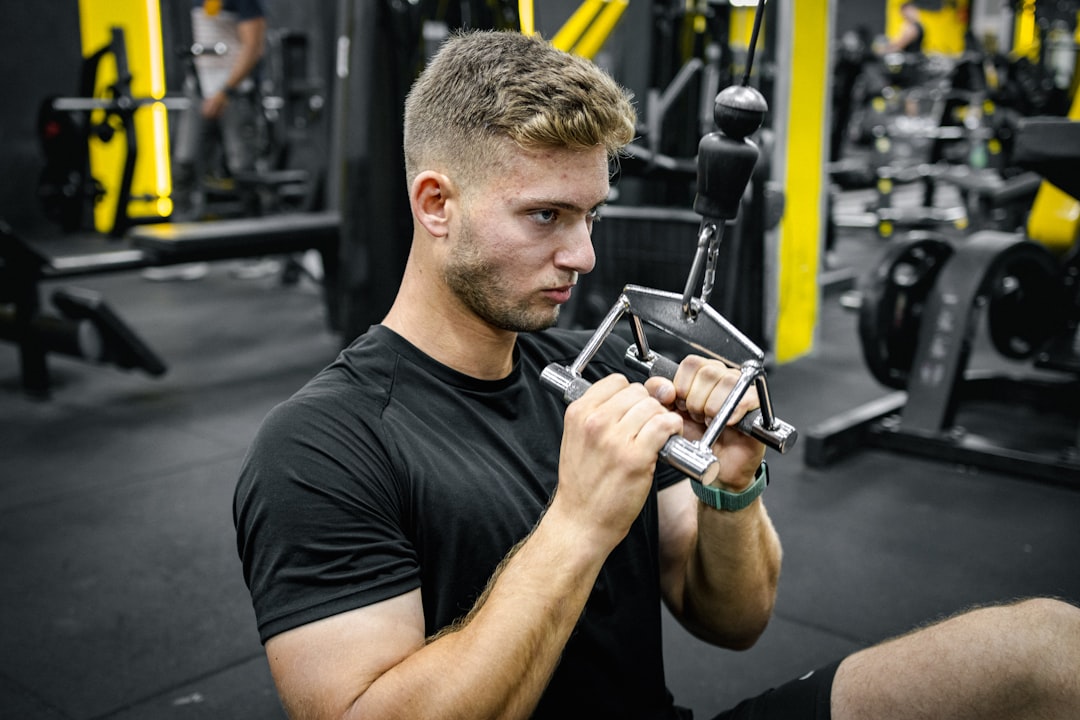
- Horizontal Pulls: Rows (barbell rows, dumbbell rows, cable rows) build strength for tasks such as opening stubborn drawers, pulling luggage, or starting a lawnmower.
Stability and Balance: Your Internal Gyroscope
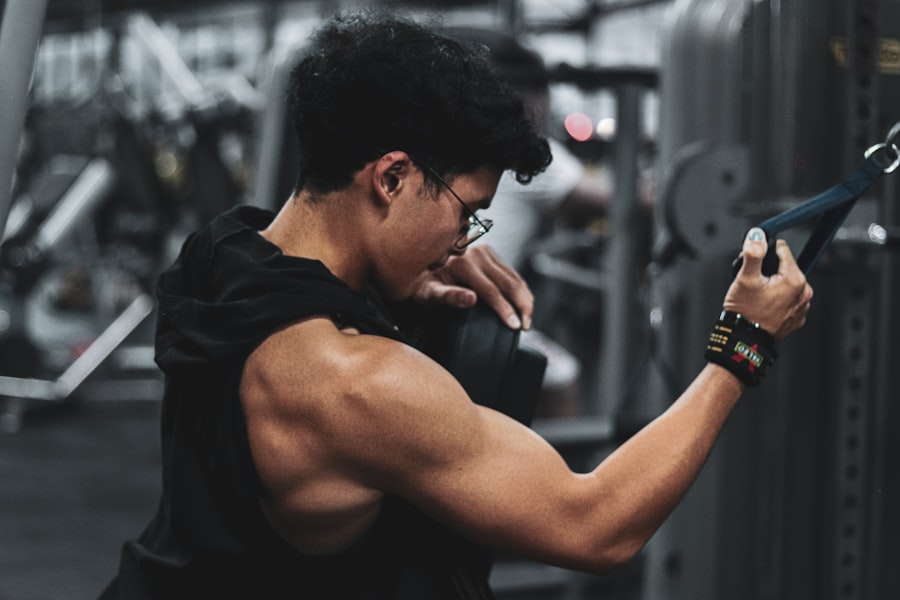
Your ability to maintain equilibrium and control your body in dynamic environments is not a peripheral skill; it’s fundamental to injury prevention and efficient movement. Without it, even the strongest muscles are akin to a powerful engine mounted on a wobbly frame.
Unilateral Training: Challenging One Side at a Time
Many daily tasks are unilateral – you step up with one leg, carry a bag on one side, or reach with one arm. Training one limb at a time exposes and corrects muscular imbalances.
- Single-Leg Squats (Pistol Squat Progressions): Develop profound leg strength, balance, and core stability.
- Lunges (Forward, Reverse, Lateral): Improve quad and glute strength, flexibility, and balance in multiple planes of motion.
- Single-Arm Rows/Presses: Highlight core demands and improve unilateral strength without compensatory movements.
- Real-world application: Essential for walking, running, climbing stairs, carrying items on one side, and recovering from stumbles.
Instability Training: Adapting to the Unexpected
While some “instability training” (e.g., standing on a BOSU ball for bicep curls) might be overhyped for general muscle growth, strategically introducing instability can enhance your proprioception (your body’s awareness of its position in space) and reactive stability.
- Plyometrics: Box jumps, broad jumps, and jump squats improve explosive power and teach your body to absorb and redirect force efficiently, critical for preventing falls or quickly reacting to environmental changes.
- Medicine Ball Throws: Develop rotational power and core control, simulating throwing or pushing actions in a dynamic environment.
- Balance Drills: Standing on one leg, heel-to-toe walking, or using balance boards can directly improve your static and dynamic balance.
Building functional muscle for daily tasks is essential for maintaining strength and mobility as we age. Engaging in exercises that mimic everyday movements can significantly enhance your ability to perform routine activities with ease. For more insights on this topic, you might find it helpful to read a related article that discusses practical strategies and exercises tailored for seniors. You can check it out here to discover how to incorporate functional training into your fitness routine.
Progressive Overload and Smart Programming
| Metric | Description | Recommended Range | Notes |
|---|---|---|---|
| Training Frequency | Number of functional muscle training sessions per week | 3-4 sessions | Allows for recovery and consistent progress |
| Exercise Type | Focus on compound, multi-joint movements | Squats, deadlifts, push-ups, pull-ups, lunges | Builds strength applicable to daily tasks |
| Repetitions | Number of reps per set for functional strength | 8-15 reps | Moderate reps to build endurance and strength |
| Sets | Number of sets per exercise | 3-4 sets | Ensures sufficient volume for muscle growth |
| Rest Between Sets | Recovery time between sets | 30-90 seconds | Shorter rest to improve muscular endurance |
| Progressive Overload | Gradually increasing resistance or difficulty | Increase weight or reps weekly | Essential for continuous muscle adaptation |
| Core Training | Exercises targeting core stability and strength | Planks, Russian twists, bird-dogs | Improves posture and functional movement |
| Functional Movement Drills | Training movements that mimic daily activities | Carrying, lifting, pushing, pulling drills | Enhances muscle coordination and task-specific strength |
| Nutrition | Protein intake to support muscle repair and growth | 1.2-2.0 grams per kg body weight per day | Supports muscle synthesis and recovery |
| Rest and Recovery | Sleep and rest days to allow muscle repair | 7-9 hours sleep per night; 1-2 rest days per week | Prevents overtraining and injury |
To continuously improve your functional capacity, you must consistently challenge your body beyond its current limits. This principle, known as progressive overload, is the engine of adaptation. However, applying it intelligently is crucial to prevent injury and ensure sustainable progress.
The Principle of Progressive Overload
Your body adapts to stress. Once it has adapted, you must increase the stress to continue making gains. This can be achieved through:
- Increasing Resistance: Lifting heavier weight.
- Increasing Volume: Performing more sets or repetitions.
- Decreasing Rest Time: Challenging your muscular endurance.
- Increasing Frequency: Training more often (within reason).
- Improving Form/Technique: Allowing you to lift more effectively and safely.
- Increasing Time Under Tension: Slowing down movements to make them harder.
- Increasing Range of Motion: Moving through a larger, controlled range of motion.
Structuring Your Functional Training Program
A well-designed program integrates these principles across your training week. You wouldn’t just randomly pick exercises; you’d build a cohesive system.
- Warm-Up: Begin with dynamic stretching and light cardio to prepare your body for movement. Think of it as tuning your engine before a journey.
- Main Lifts: Focus on 2-3 compound movements at the beginning of your workout when you are fresh and strong.
- Accessory Exercises: Follow with 2-4 accessory exercises that target specific weaknesses, improve stability, or build supporting muscle groups (e.g., core work, unilateral movements, grip strength).
- Cool-Down: Conclude with static stretching to improve flexibility and aid recovery.
- Periodization: Vary your training intensity and volume over time (e.g., phases of higher weight/lower reps, followed by lower weight/higher reps) to prevent plateaus and manage fatigue.
- Listen to Your Body: This is perhaps the most critical component. Distinguish between muscle soreness (DOMS) and pain. Adequate rest, nutrition, and hydration are non-negotiable for recovery and growth. Your body is not a machine that can be pushed indefinitely without consequence; it’s a dynamic organism that requires periods of repair.
Integrating Functional Movement into Your Lifestyle
Building functional muscle isn’t solely confined to the gymnasium or dedicated workout sessions. You can reinforce and extend its benefits by consciously incorporating movement principles throughout your day. Your functional strength is a tool, and consistent use hones its edge.
Mindful Movement Throughout the Day
Every action is an opportunity to engage your muscles and improve your movement patterns.
- Prioritize Walking and Standing: Whenever possible, choose to walk instead of drive short distances, or take the stairs instead of the elevator. If your job involves prolonged sitting, integrate standing breaks and short walks.
- Conscious Lifting: When you lift objects, whether groceries or a toddler, remember the principles of a deadlift or squat: hinge at your hips, keep your back straight, and engage your core. Don’t just “lift with your back”; lift with your entire body.
- Carrying Techniques: Alternate carrying objects on different sides to promote balanced development. Use farmer’s walks as inspiration for carrying multiple bags.
- Active Recovery: Incorporate activities like yoga, hiking, or swimming on your rest days. These activities enhance flexibility, cardiovascular health, and body awareness without excessive strain.
Nutrition and Recovery: The Unsung Heroes
Even the most meticulously planned training program will yield suboptimal results without adequate fueling and recovery. These are not supplementary; they are foundational.
- Protein Intake: Ensure you consume sufficient protein (around 1.6-2.2 grams per kilogram of body weight) to support muscle repair and growth.
- Balanced Diet: Prioritize whole, unprocessed foods, including complex carbohydrates for energy, healthy fats for hormone production and satiety, and a diverse range of fruits and vegetables for micronutrients and antioxidants.
- Hydration: Water is crucial for almost every bodily function, including nutrient transport, joint lubrication, and temperature regulation.
- Sleep: Quality sleep is when your body undergoes its most significant repair and recovery processes. Aim for 7-9 hours per night. Think of sleep as the essential software update for your body’s operating system.
- Stress Management: Chronic stress can elevate cortisol levels, which can hinder muscle growth and recovery. Incorporate stress-reduction techniques like meditation or spending time in nature.
By diligently applying these principles, you will not only build muscle that looks capable but, more importantly, muscle that is capable. You will transform your body into a more resilient, adaptable, and efficient instrument, ready to meet the diverse demands of your everyday life with confidence and vigor. Your body is your most complex and valuable tool; learning to use it effectively and maintaining it diligently is an investment with unparalleled returns.
FAQs
What is functional muscle and how does it differ from regular muscle building?
Functional muscle refers to muscle developed specifically to improve strength, endurance, and coordination for everyday activities. Unlike traditional bodybuilding, which often focuses on muscle size and aesthetics, functional muscle training emphasizes practical strength and movement patterns that enhance daily task performance.
What types of exercises are best for building functional muscle?
Exercises that mimic real-life movements and engage multiple muscle groups are ideal for building functional muscle. These include compound movements like squats, deadlifts, lunges, push-ups, and pull-ups, as well as activities that improve balance and coordination such as kettlebell swings, medicine ball throws, and bodyweight circuits.
How often should I train to build functional muscle effectively?
Training 3 to 4 times per week is generally effective for building functional muscle. This frequency allows for adequate muscle recovery while maintaining consistent progress. Each session should include a mix of strength, endurance, and mobility exercises tailored to your daily activity needs.
Is nutrition important when building functional muscle?
Yes, proper nutrition is crucial for building functional muscle. Consuming sufficient protein supports muscle repair and growth, while a balanced intake of carbohydrates and fats provides the energy needed for workouts and daily activities. Staying hydrated and eating nutrient-dense foods also contribute to overall muscle function and recovery.
Can building functional muscle help prevent injuries in daily life?
Absolutely. Developing functional muscle improves joint stability, balance, and overall body mechanics, which can reduce the risk of injuries during everyday tasks. Strengthening muscles used in common movements helps protect against strains, falls, and other accidents.