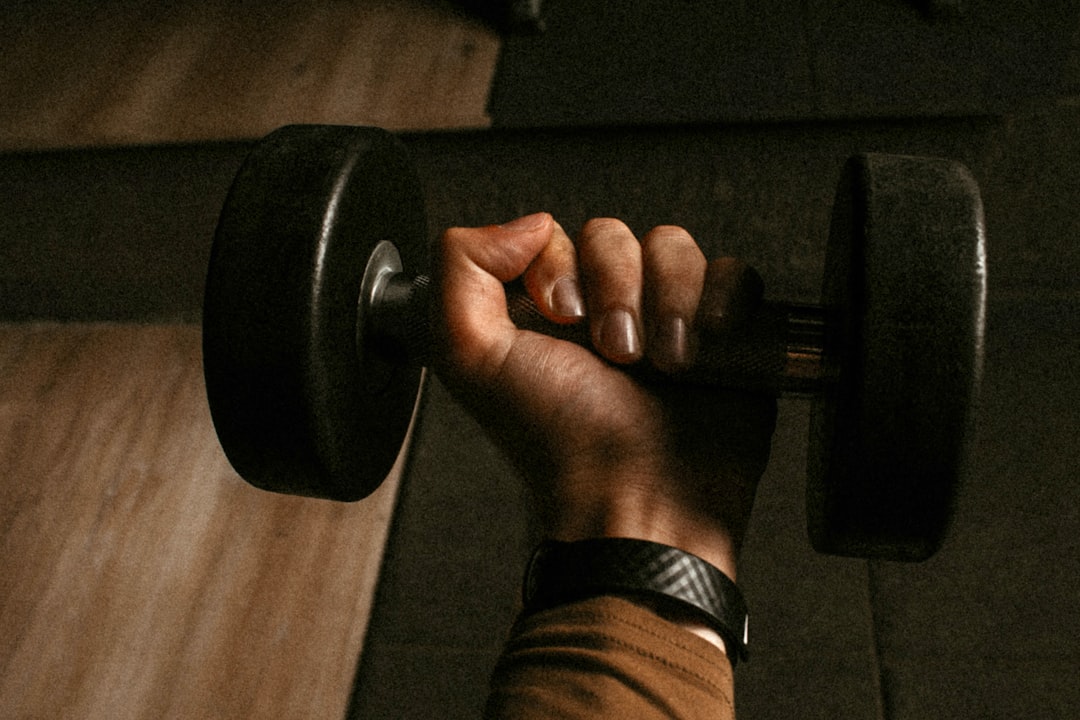
You’ve reached a point in life where the subtleties of physical change become more apparent. Perhaps you find yourself struggling with tasks that once felt effortless, like opening a jar of pickles, carrying groceries, or even turning a doorknob. These seemingly minor difficulties often point to a decline in grip strength, a crucial component of overall physical function and independence, especially as you age. Far from being a niche concern, grip strength acts as a proxy for general health and plays a vital role in quality of life. Think of your grip as the foundation upon which many daily activities rest; when it weakens, the entire structure can be compromised. This article will guide you through the importance of maintaining and improving your grip strength, offering practical exercises and insights to help you build a stronger, more resilient you.
Before delving into specific exercises, it’s imperative to understand what grip strength truly entails and why it holds such significance for you. It’s not just about how tightly you can squeeze something; it encompasses multiple facets of hand and forearm function. To learn effective strategies for fall prevention, watch this informative video.
The Multifaceted Nature of Grip
Your grip is not a monolithic entity. It comprises several distinct components, each serving a specific purpose in your daily life.
Crushing Grip
This refers to the power generated when you squeeze an object tightly, such as crushing a soda can or shaking someone’s hand firmly. It’s the raw power behind your grasp. A strong crushing grip allows you to hold heavy items securely and exert significant force when needed.
Pinch Grip
Pinch grip involves holding an object between your thumb and fingers, without engaging the palm. Think of picking up a coin, holding a key, or lifting a plate by its edge. This type of grip is crucial for fine motor skills and manipulating small objects. Its decline can significantly impact your ability to perform everyday tasks with precision.
Supporting Grip
This is your ability to hold onto an object for an extended period, such as carrying a bag of groceries or holding a suitcase. It’s about endurance and sustained strength. A weak supporting grip can lead to fatigue and the need to put objects down more frequently, or even drop them.
Open-Hand Grip (or Intrinsic Hand Strength)
While less commonly discussed in generalized grip strength contexts, the open-hand grip, or intrinsic hand strength, refers to the strength of the small muscles within the hand itself. These muscles control individual finger movements and stability. While not directly a “grip” in the traditional sense, their strength underpins all other grip types, providing the fine motor control and stability necessary for effective gripping. Weakness here can manifest as difficulty with activities requiring dexterity, such as buttoning shirts or writing.
Grip Strength as a Biomarker for Health
Beyond its practical applications, grip strength has emerged as a reliable indicator of overall health status and even longevity. It’s a simple, non-invasive measurement that offers a window into your physiological reserves.
Indicator of Muscle Mass
As you age, sarcopenia – the age-related loss of muscle mass and strength – becomes a significant concern. Grip strength testing is a practical and widely accepted method for assessing overall muscle mass and strength, particularly in the upper body. A decline in grip strength often correlates with a generalized decline in muscle mass throughout the body.
Predictor of Mobility and Functional Independence
Your ability to perform daily activities, known as activities of daily living (ADLs), is directly linked to your physical strength. A robust grip can significantly impact your ability to remain mobile and independent. Tasks like getting out of a chair, opening doors, or using walking aids all rely on adequate grip strength. Conversely, reduced grip strength is associated with an increased risk of functional limitations and difficulty performing ADLs.
Association with Chronic Diseases
Research has established a connection between weaker grip strength and a higher prevalence of chronic conditions, including cardiovascular disease, diabetes, and even some forms of cancer. While grip strength doesn’t cause these diseases, it may act as a marker of underlying physiological stress and overall health trajectory. It serves as a red flag, signaling that other aspects of your health may also warrant attention.
Longevity and Quality of Life
Studies have consistently shown an inverse relationship between grip strength and mortality. Individuals with stronger grips generally tend to live longer and experience a higher quality of life in their later years. This isn’t a direct causal link, but rather an indication that maintaining physical strength, including grip, is a component of a healthy aging process, enabling you to remain active and engaged with the world around you.
Grip strength exercises are essential for seniors to maintain their overall health and independence. A related article that provides valuable insights on this topic can be found at Explore Senior Health. This resource offers a variety of exercises specifically designed to enhance grip strength, which can improve daily functioning and reduce the risk of falls. By incorporating these exercises into their routine, seniors can significantly benefit their physical well-being.
Preparing for Grip Training
Embarking on any new exercise regimen requires thoughtful preparation. For grip training, this means understanding the importance of warmup, safety, and consistency. You’re not just building muscle; you’re cultivating a sustainable habit.
The Importance of Warm-up and Stretching
Just as you wouldn’t sprint without stretching, you shouldn’t jump into intense grip exercises without preparing your hands and forearms. Think of it as priming the pump; a proper warm-up increases blood flow and prepares your muscles and connective tissues for activity, significantly reducing the risk of injury.
Dynamic Warm-up Exercises
Prioritize movements that gently increase blood flow and range of motion. Start with simple actions like making light fists and then fully extending your fingers, repeating this several times. Rotate your wrists in both clockwise and counter-clockwise directions. Gently extend your arms and make circles with your hands. These dynamic movements help lubricate your joints and ready your muscles.
Static Stretching (Post-Workout)
While dynamic stretches are best before, static stretches are ideal after your workout. After exerting your grip muscles, gently stretching them can help improve flexibility and aid in recovery.
- Wrist Flexor Stretch: Extend one arm in front of you, palm up. With your other hand, gently pull your fingers towards your body, feeling a stretch in your forearm. Hold for 20-30 seconds.
- Wrist Extensor Stretch: Extend one arm in front of you, palm down. With your other hand, gently pull your fingers towards your body, feeling a stretch on the top of your forearm. Hold for 20-30 seconds.
Safety Considerations
Your hands, wrists, and forearms are intricate structures. Protecting them during training is paramount, especially as you age.
Listen to Your Body
This is perhaps the most crucial piece of advice. Pain is your body’s alarm system. If you feel sharp pain, stop the exercise immediately. Differentiate between muscle fatigue (a burning sensation that subsides) and joint pain or sharp discomfort, which signal a potential issue. You are not invincible; respect your body’s limits.
Progressive Overload (Gradual Increase)
Avoid the temptation to do too much, too soon. The principle of progressive overload dictates that you gradually increase the intensity, duration, or resistance of your exercises over time. If you lift groceries, start with fewer bags, then slowly add more. If you use a gripper, start with a lighter resistance and slowly work your way up. This method allows your muscles and connective tissues to adapt safely.
Proper Form
Executing exercises with correct form is more important than lifting heavy or squeezing hard. Incorrect form can nullify the exercise’s benefits and significantly increase your risk of injury, particularly to tendons and ligaments in the wrists and hands. If unsure, consult with a physical therapist or an experienced trainer.
Essential Grip Strength Exercises
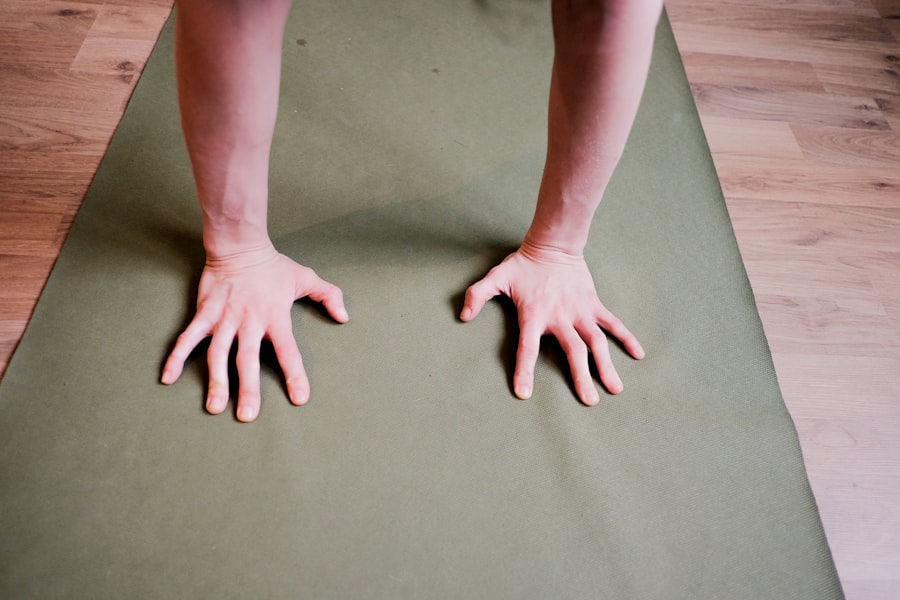
Now, let’s explore practical exercises you can integrate into your routine. These exercises are selected for their effectiveness in targeting various aspects of grip strength and their adaptability for different fitness levels. Remember to start conservatively and focus on proper technique.
Crushing Grip Exercises
These exercises focus on your ability to squeeze powerfully. They are fundamental for many daily tasks and can be easily modified for intensity.
Hand Grippers
Hand grippers are classic tools for developing crushing strength. They come in various resistance levels, making them suitable for beginners to advanced users.
Technique for Hand Grippers
Select a gripper with a resistance level that allows you to complete 8-12 repetitions with good form before fatigue. Position the gripper in your palm, ensuring the handle rests across your fingers and your thumb is free to stabilize. Squeeze the handles together until they touch, or as close as you can get, then slowly release. Control the eccentric (releasing) phase of the movement. Perform 2-3 sets, 2-3 times per week, allowing for rest days between sessions.
Progression with Hand Grippers
Once you can consistently complete 12 repetitions with a comfortable gripper, it’s time to move to the next resistance level. Alternatively, you can increase the hold time at the bottom of the squeeze, or increase the number of sets.
Towel Squeezes
A simple, accessible exercise that requires no specialized equipment, perfect for home use.
Technique for Towel Squeezes
Take a small towel, preferably a hand towel, and fold it several times. Hold it in one hand and squeeze it as hard as you can for 5-10 seconds. Release and repeat 10-15 times per hand. You can perform this daily, or 3-4 times a week.
Variation for Towel Squeezes
You can increase the difficulty by making the towel thicker (more folds) or by slightly dampening it, which provides more tactile friction and resistance.
Pinch Grip Exercises
These target the strength between your thumb and fingers, crucial for dexterity and manipulating smaller objects.
Plate Pinches (or Book Pinches)
If you have access to weight plates at a gym, this is an excellent exercise. If not, a thick book or two will suffice.
Technique for Plate Pinches
For weight plates: Stand a weight plate on its edge. Grasp the top edge of the plate with your thumb on one side and your fingers on the other, maintaining a flat hand. Lift the plate off the ground and hold it for a designated time (e.g., 20-30 seconds). Repeat with the other hand.
For books: Stack two or three thick books. Grasp them from the top edge, thumb on one side, fingers on the other. Lift and hold. Start with a shorter hold time and fewer books, gradually increasing as your strength improves. Perform 2-3 sets per hand, 2-3 times a week.
Progression with Plate Pinches
Increase the weight of the plates, the number of books, or the hold time. You can also experiment with holding more than one plate together by their smooth sides, requiring even greater pinch strength.
Finger Tip Push-ups (Modified)
While traditional fingertip push-ups can be very challenging, a modified version can safely build pinch strength.
Technique for Finger Tip Push-ups (Modified)
Start on your hands and knees. Place your fingertips on the floor, rather than your flattened palms, with fingers spread wide. Gently shift your weight forward, using your fingertips to stabilize yourself. The goal isn’t to do a full push-up but to apply controlled pressure through your fingertips, strengthening the small muscles. Hold for a few seconds, then release. As you get stronger, you can gradually increase the weight you put on your fingertips. Be extremely cautious and start with very little weight, ensuring you don’t overload your finger joints.
Supporting Grip Exercises
These exercises focus on your ability to hold onto weight for extended periods, building endurance in your forearms.
Farmer’s Walk
This is a comprehensive exercise that not only builds supporting grip but also targets core strength, shoulder stability, and overall conditioning.
Technique for Farmer’s Walk
Hold a heavy dumbbell, kettlebell, or even a sturdy bag filled with books in each hand. Stand tall with good posture, shoulders back and down, and core engaged. Walk for a designated distance or time (e.g., 20-30 feet, or 30-60 seconds). Ensure your grip is firm throughout the walk. The key is to challenge your grip to fatigue, but not to the point of dropping the weights unsafely. Perform 2-3 sets, 1-2 times per week.
Progression for Farmer’s Walk
Increase the weight you are holding, the distance you walk, or the duration of the walk. You can also experiment with carrying unequal weights in each hand to challenge your core stability further, though this might be an advanced progression.
Dead Hangs (Modified)
Full dead hangs can be strenuous on the shoulders, but a modified version can still effectively target grip endurance.
Technique for Dead Hangs (Modified)
Find a sturdy pull-up bar, a sturdy overhead beam, or even a robust door frame. Use a step stool if needed to reach the bar. Grip the bar with an overhand grip, hands shoulder-width apart. Rather than fully hanging your body weight, apply just enough weight to feel a stretch and engagement in your forearms. Your feet can remain on the floor, providing support. Aim to hold for 20-30 seconds, maintaining a strong, active grip. It’s like carrying groceries but with your hands overhead. Perform 2-3 sets, 2-3 times per week.
Progression for Dead Hangs (Modified)
Gradually reduce the amount of support your feet provide, slowly shifting more of your body weight onto your grip. Increase the hold time. If your shoulder health allows, you can eventually progress to a full dead hang where your feet are off the ground, but always prioritize safety and listen to your body.
Integrating Grip Training into Your Routine
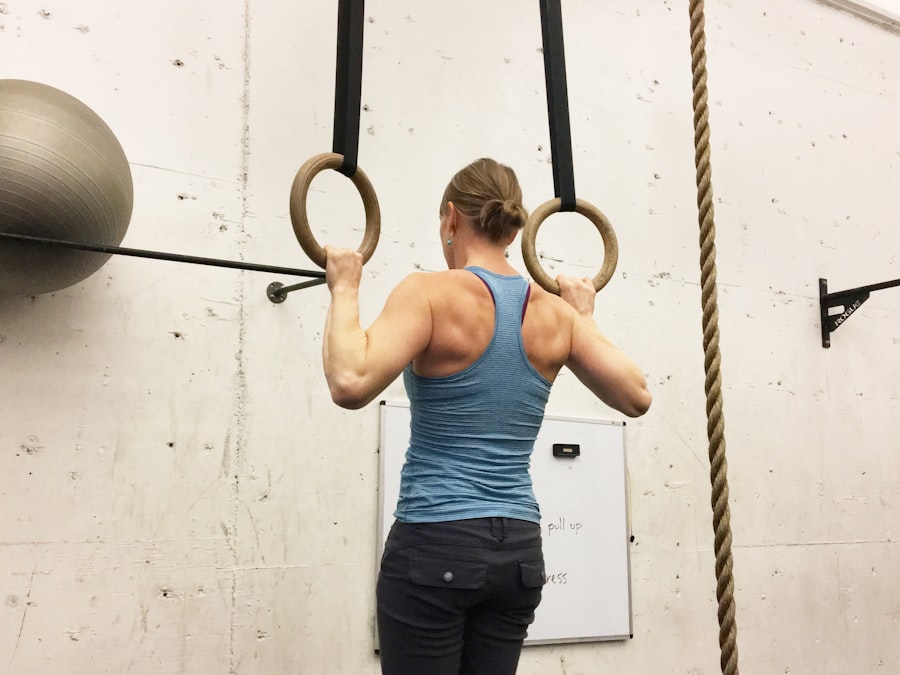
Consistency is the golden thread that weaves through any successful fitness endeavor. Integrating grip training doesn’t require a complete overhaul of your existing routine; rather, it’s about strategic placement and mindful practice.
Frequency and Duration
You’re building resilience, not just strength. Think marathon, not sprint. For most seniors, training your grip 2-3 times a week, with rest days in between, is an optimal frequency. Each session can be relatively short, around 10-15 minutes, if focused solely on grip, or incorporated into a broader strength training session. The goal is to stimulate muscle adaptation without overtraining and causing injury. You are planting seeds of strength; they need time to grow.
Combining with Other Exercises
Grip training needn’t be an isolated event. Many existing exercises already engage your grip, and you can leverage these to enhance your training.
Compound Lifts
Exercises like deadlifts, rows, and pull-ups inherently involve significant grip strength. During these movements, consciously focus on maintaining a strong, active grip. Instead of using lifting straps for light to moderate weights, try to rely on your natural grip for as long as possible to build endurance and strength. Think of your hands as vital links in a chain; strengthen them, and the entire chain becomes more robust.
Everyday Activities
The world around you offers a gymnasium of opportunities. Don’t underestimate the power of incorporating grip-strengthening into your daily life.
- Carrying Groceries: Instead of using a cart for every item, try carrying bags by hand for short distances, increasing the weight or duration gradually.
- Opening Jars: Practice opening stubborn jars. The twisting motion engages a different aspect of hand strength.
- Gardening: Digging, raking, and pruning all require and build grip strength. Embrace these activities.
- Using Tools: Minor carpentry, fixing things around the house, or even just using a screwdriver can contribute to your grip development.
Rest and Recovery
Muscle growth doesn’t happen during the workout itself; it occurs during the recovery period. This is when your muscles repair and adapt, becoming stronger.
Adequate Sleep
Sleep is your body’s most potent recovery tool. Aim for 7-9 hours of quality sleep per night. During deep sleep stages, growth hormone is released, aiding in muscle repair and regeneration. Skimping on sleep hinders your progress and impairs your ability to perform at your best.
Nutrition for Muscle Repair
Your diet fuels your efforts. Ensure you are consuming adequate protein, which is the building block for muscle tissue. Incorporate lean meats, fish, eggs, dairy, legumes, and nuts into your diet. Sufficient caloric intake is also important to support energy levels and recovery. Think of food as the fuel your engine needs to rebuild itself stronger after each journey.
Avoiding Overtraining
More isn’t always better. Overtraining can lead to plateaus, increased injury risk, and general fatigue. Watch for signs like persistent muscle soreness, decreased performance, irritability, and disturbed sleep. If these occur, scale back your training intensity or frequency, and prioritize rest. Your body needs periods of rest to adapt and become stronger; pushing it relentlessly will yield diminishing returns.
For seniors looking to improve their overall health and well-being, incorporating grip strength exercises can be incredibly beneficial. These exercises not only enhance hand strength but also contribute to better functional ability in daily activities. If you’re interested in learning more about the importance of grip strength and how it can impact your life, you can read a related article on this topic at Explore Senior Health.
Conclusion
| Exercise | Description | Recommended Frequency | Benefits | Average Improvement in Grip Strength |
|---|---|---|---|---|
| Hand Squeeze Ball | Squeezing a soft rubber ball repeatedly to strengthen hand muscles. | 3 sets of 10 squeezes, 3 times per week | Improves hand muscle endurance and grip strength. | 10-15% increase over 6 weeks |
| Finger Pinch Exercise | Pinching clothespins or pinch grips to enhance finger strength. | 2 sets of 15 pinches, 3 times per week | Enhances finger dexterity and pinch strength. | 8-12% increase over 6 weeks |
| Wrist Curls with Light Weights | Using light dumbbells to perform wrist flexion and extension. | 3 sets of 12 reps, 2-3 times per week | Strengthens wrist and forearm muscles supporting grip. | 12-18% increase over 8 weeks |
| Theraputty Exercises | Manipulating therapy putty by squeezing, pinching, and rolling. | 5-10 minutes daily | Improves hand strength, coordination, and flexibility. | 10-20% increase over 6 weeks |
| Rice Bucket Exercises | Digging fingers into a bucket of rice and performing various movements. | 5 minutes daily | Enhances finger and hand strength and mobility. | 15% increase over 6 weeks |
Building and maintaining grip strength is not merely an aesthetic pursuit; it is a fundamental aspect of preserving your independence, safeguarding your health, and enhancing your overall quality of life as you age. Your grip is a powerful indicator of your physical vitality, a silent guardian that allows you to interact meaningfully with your environment. By understanding its multifaceted nature, embracing a consistent and safe training regimen, and integrating these practices into your daily life, you are investing in a stronger, more resilient future. Remember, the journey towards improved grip strength is a gradual process – a marathon, not a sprint. Be patient with yourself, celebrate small victories, and listen to your body. With dedication and commitment, you can significantly enhance your hand and arm strength, ensuring that you remain capable and self-sufficient for years to come.
WATCH THIS 🛑 WARNING: One Fall Could Cost You $18,000 This Month
FAQs
What are grip strength exercises for seniors?
Grip strength exercises for seniors are physical activities designed to improve the strength and endurance of the muscles in the hands, fingers, and forearms. These exercises help seniors maintain hand function, improve dexterity, and support daily activities such as opening jars, carrying objects, and writing.
Why is grip strength important for seniors?
Grip strength is important for seniors because it directly affects their ability to perform everyday tasks independently. Strong grip strength can reduce the risk of falls, improve hand coordination, and contribute to overall upper body strength and mobility.
What are some common grip strength exercises for seniors?
Common grip strength exercises for seniors include squeezing a stress ball or therapy putty, using hand grippers, performing finger stretches, wrist curls with light weights, and practicing pinching motions with clothespins or small objects.
How often should seniors do grip strength exercises?
Seniors should aim to perform grip strength exercises 2 to 3 times per week, allowing rest days in between to prevent overuse injuries. Each session can last about 10 to 15 minutes, depending on individual ability and comfort.
Are grip strength exercises safe for seniors with arthritis?
Yes, grip strength exercises can be safe for seniors with arthritis if done gently and with proper technique. It is important to start slowly, use soft resistance tools, and avoid any movements that cause pain. Consulting a healthcare professional or physical therapist before starting is recommended.
Can improving grip strength help with other health conditions?
Improving grip strength can benefit overall health by enhancing hand function, reducing the risk of falls, and supporting rehabilitation from injuries. It may also help manage symptoms of conditions like arthritis and carpal tunnel syndrome by maintaining joint flexibility and muscle strength.
What equipment is needed for grip strength exercises?
Minimal equipment is needed for grip strength exercises. Common tools include stress balls, therapy putty, hand grippers, small weights, rubber bands, and household items like towels or clothespins.
How long does it take to see improvements in grip strength?
With consistent practice, seniors may notice improvements in grip strength within 4 to 6 weeks. Progress depends on the frequency of exercises, initial strength level, and overall health status.
Can grip strength exercises help prevent falls in seniors?
Yes, stronger grip strength contributes to better hand and arm function, which can improve balance and coordination. This, in turn, helps reduce the risk of falls by enabling seniors to better support themselves during slips or trips.
Should seniors consult a doctor before starting grip strength exercises?
It is advisable for seniors, especially those with existing health conditions or joint problems, to consult a healthcare provider before beginning any new exercise program, including grip strength exercises. This ensures the exercises are safe and appropriate for their individual needs.