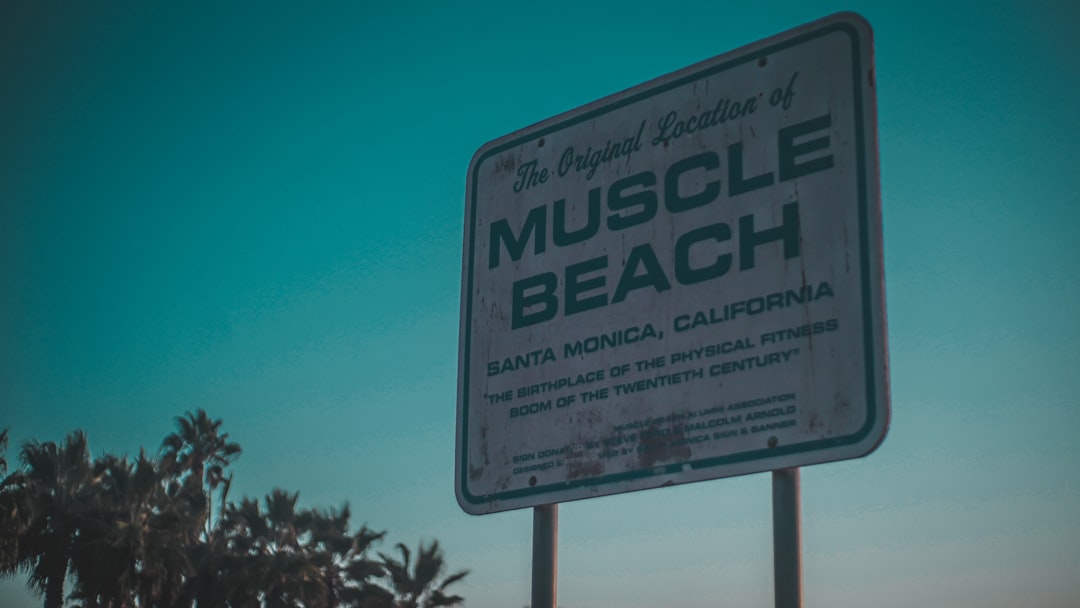
Muscle mass becomes increasingly important with age, extending far beyond appearance. It directly impacts overall health and functional capacity. Maintaining adequate muscle strength enables older adults to perform essential daily tasks efficiently, such as carrying groceries and navigating stairs.
Additionally, greater muscle mass increases metabolic rate, which supports weight management and helps reduce the incidence of chronic conditions including type 2 diabetes and cardiovascular disease. Building muscle represents a long-term investment in sustained health and quality of life. Muscle mass also plays a critical role in balance and fall prevention, which are significant health concerns for aging populations.
Strengthening muscles improves stability and proprioception, substantially lowering fall risk. Consequently, muscle-building exercise serves as both a fitness objective and a preventive health strategy for aging adults.
You can find a delicious recipe for fish broth that is both flavorful and easy to prepare.
Key Takeaways
- Building muscle mass after 65 is crucial for maintaining strength, mobility, and overall health.
- Proper nutrition and resistance training are key components for effective muscle growth in aging adults.
- Cardiovascular exercise complements muscle building by improving endurance and heart health.
- Rest, recovery, and hormonal balance play significant roles in supporting muscle development as you age.
- Consistency, realistic goal-setting, and professional guidance enhance success in muscle building after 65.
Understanding the Changes in Muscle Mass and Strength with Age
As you age, your body undergoes various physiological changes that affect muscle mass and strength. One of the most significant changes is sarcopenia, the gradual loss of muscle mass that typically begins around the age of 30 and accelerates after 60. This decline in muscle fibers can lead to decreased strength and endurance, making everyday tasks more challenging.
Understanding this process is crucial for developing effective strategies to combat muscle loss. Moreover, hormonal changes also play a role in muscle deterioration as you age. Testosterone and growth hormone levels decline, which can further contribute to the loss of muscle mass.
This hormonal shift can make it more challenging to build and maintain muscle, but it is not insurmountable. By recognizing these changes, you can take proactive steps to counteract their effects through targeted exercise and nutrition.
The Role of Nutrition in Building Muscle Mass After 65

Nutrition is a cornerstone of muscle building, especially as you age. Consuming adequate protein is essential for muscle repair and growth. As you reach the age of 65 and beyond, your body may require more protein to stimulate muscle protein synthesis effectively.
Aim for a balanced diet that includes high-quality protein sources such as lean meats, fish, dairy products, legumes, and nuts. Incorporating these foods into your meals can help ensure that your body has the necessary building blocks to support muscle growth. In addition to protein, other nutrients play a vital role in muscle health.
For instance, vitamins D and B12 are crucial for maintaining muscle function and overall health.
Meanwhile, B12 is important for energy production and red blood cell formation.
By focusing on a well-rounded diet rich in these nutrients, you can create an optimal environment for building and maintaining muscle mass.
Safe and Effective Resistance Training for Aging Adults
Engaging in resistance training is one of the most effective ways to build muscle mass as you age. However, safety should always be a priority when starting a new exercise regimen. Begin with lighter weights or resistance bands to assess your strength and gradually increase the intensity as you become more comfortable.
It’s essential to focus on proper form to prevent injuries and maximize the benefits of your workouts. Incorporating a variety of exercises that target different muscle groups is also crucial for balanced development. Compound movements such as squats, deadlifts, and bench presses engage multiple muscles at once, making them particularly effective for building strength.
Additionally, consider working with a fitness professional who specializes in training older adults to ensure that your program is tailored to your specific needs and abilities.
The Benefits of Cardiovascular Exercise for Muscle Building
| Metric | Value/Range | Notes |
|---|---|---|
| Average Muscle Mass Loss per Year After 65 | 1-2% per year | Without resistance training, sarcopenia accelerates muscle loss |
| Recommended Protein Intake | 1.2-1.5 grams per kg body weight per day | Higher than younger adults to support muscle synthesis |
| Optimal Resistance Training Frequency | 2-3 times per week | Focus on major muscle groups with progressive overload |
| Typical Muscle Mass Gain Rate | 0.25-0.5 kg per month | Varies based on training intensity and nutrition |
| Recommended Daily Caloric Surplus | 200-300 calories above maintenance | Supports muscle growth without excessive fat gain |
| Vitamin D Level for Muscle Function | 30-50 ng/mL | Important for muscle strength and balance |
| Rest Between Resistance Training Sessions | 48-72 hours | Allows muscle recovery and growth |
| Average Strength Increase in First 3 Months | 20-30% | Neurological adaptations contribute early gains |
While resistance training is vital for building muscle mass, cardiovascular exercise should not be overlooked. Engaging in regular aerobic activities such as walking, swimming, or cycling can enhance your overall fitness level and support muscle growth indirectly. Cardiovascular exercise improves blood circulation, which helps deliver essential nutrients to your muscles during recovery.
Moreover, cardiovascular workouts can aid in weight management by burning calories and reducing body fat. A lower body fat percentage can make your muscles appear more defined and promote better overall health. Striking a balance between resistance training and cardiovascular exercise will provide a comprehensive approach to fitness that supports both muscle building and overall well-being.
The Importance of Rest and Recovery for Aging Muscles

Rest and recovery are often underestimated components of any fitness program, especially for aging adults. As you engage in resistance training or other forms of exercise, your muscles undergo stress that requires time to repair and grow stronger. Adequate rest allows your body to recover from workouts, reducing the risk of injury and overtraining.
Incorporating rest days into your routine is essential for optimal muscle growth. Listen to your body; if you feel fatigued or sore, it may be time to take a break or engage in lighter activities such as stretching or yoga. Prioritizing sleep is also crucial; quality sleep supports recovery by allowing your body to repair tissues and regulate hormones that are vital for muscle growth.
The Role of Hormones in Muscle Building After 65
Hormones play a significant role in muscle building and maintenance as you age. As mentioned earlier, levels of testosterone and growth hormone decline with age, which can hinder your ability to build muscle effectively. However, understanding this hormonal landscape can empower you to take action.
For instance, engaging in regular resistance training can stimulate the release of these hormones naturally. Additionally, maintaining a healthy lifestyle that includes proper nutrition, adequate sleep, and stress management can help optimize hormone levels. While you may not be able to reverse hormonal changes entirely, you can certainly influence their impact on your body through lifestyle choices.
Common Challenges and How to Overcome Them
As you embark on your journey to build muscle after 65, you may encounter various challenges along the way. One common hurdle is motivation; it can be difficult to stay committed when results seem slow or when faced with physical limitations. To overcome this challenge, set small, achievable goals that celebrate progress rather than perfection.
Tracking your workouts and celebrating milestones can help keep you motivated. Another challenge may be dealing with existing health conditions or injuries that limit your ability to exercise. It’s essential to consult with healthcare professionals before starting any new fitness program.
They can provide guidance on safe exercises tailored to your specific needs while ensuring that you remain within safe limits.
The Importance of Consistency in Building Muscle Mass
Consistency is key when it comes to building muscle mass at any age, but it becomes even more critical as you grow older. Establishing a regular workout routine will help reinforce the habit of exercising while allowing your body to adapt over time. Aim for at least two to three days of resistance training each week combined with cardiovascular activities.
Creating a schedule that fits seamlessly into your lifestyle will make it easier to stick with your fitness goals. Whether it’s joining a class at a local gym or setting aside time each day for home workouts, finding what works best for you will enhance your chances of success.
How to Set Realistic Goals for Muscle Building After 65
Setting realistic goals is essential for maintaining motivation and achieving success in building muscle mass after 65. Start by assessing your current fitness level and identifying specific areas where you would like to improve. Instead of aiming for drastic changes overnight, focus on incremental progress that aligns with your capabilities.
For example, rather than setting a goal to lift a certain weight within a month, aim to increase the weight gradually over several months or focus on completing a specific number of repetitions with proper form. This approach not only makes your goals more attainable but also fosters a sense of accomplishment as you reach each milestone along the way.
Seeking Professional Guidance and Support for Muscle Building
Finally, seeking professional guidance can significantly enhance your journey toward building muscle mass after 65. Consider working with a certified personal trainer who specializes in training older adults; they can provide personalized workout plans tailored to your needs while ensuring safety during exercises. Additionally, joining group classes or support groups can foster a sense of community and accountability as you pursue your fitness goals alongside others who share similar aspirations.
Surrounding yourself with supportive individuals can make the process more enjoyable while providing encouragement during challenging times. In conclusion, building muscle mass after 65 is not only possible but also essential for maintaining health and independence as you age. By understanding the changes in your body, prioritizing nutrition and exercise, allowing for recovery time, managing hormonal influences, overcoming challenges, staying consistent, setting realistic goals, and seeking professional support, you can embark on a fulfilling journey toward improved strength and vitality in your later years.
Building muscle mass after age 65 is crucial for maintaining overall health and mobility. As we age, our bodies naturally lose muscle mass, but with the right approach to strength training and nutrition, it’s possible to counteract this decline. For more insights on health and wellness for seniors, you can check out this informative article on senior health at Explore Senior Health. This resource provides valuable tips and strategies tailored specifically for older adults looking to enhance their physical fitness and well-being.
WATCH THIS! 💪 Say Goodbye to Weakness: Fish Skin Broth Fights Sarcopenia Better Than Bone Broth!
FAQs
Is it possible to build muscle mass after age 65?
Yes, it is possible to build muscle mass after age 65. With proper strength training, nutrition, and recovery, older adults can increase muscle size and strength.
What types of exercises are best for building muscle after 65?
Resistance training exercises such as weight lifting, bodyweight exercises, and resistance band workouts are effective for building muscle mass in older adults.
How often should someone over 65 exercise to build muscle?
It is generally recommended to perform strength training exercises 2 to 3 times per week, allowing at least one day of rest between sessions for muscle recovery.
Are there any risks associated with building muscle after 65?
While there are some risks such as injury or strain, these can be minimized by starting with light weights, using proper form, and consulting a healthcare professional before beginning a new exercise program.
What role does nutrition play in building muscle after 65?
Nutrition is crucial; adequate protein intake, along with sufficient calories and nutrients, supports muscle repair and growth in older adults.
How much protein should someone over 65 consume to build muscle?
Older adults aiming to build muscle are often advised to consume between 1.0 to 1.2 grams of protein per kilogram of body weight per day, but individual needs may vary.
Can building muscle after 65 improve overall health?
Yes, increasing muscle mass can improve balance, mobility, bone density, metabolism, and reduce the risk of falls and chronic diseases.
Is it necessary to consult a doctor before starting muscle-building exercises after 65?
Yes, it is recommended to consult a healthcare provider before starting any new exercise regimen, especially for individuals with pre-existing health conditions.
How long does it take to see muscle gains after starting strength training at age 65?
Visible muscle gains can typically be seen within 8 to 12 weeks of consistent training, though strength improvements may occur sooner.
Can older adults use supplements to aid muscle building?
Some older adults may benefit from supplements like protein powders or vitamin D, but it is best to discuss supplementation with a healthcare professional.