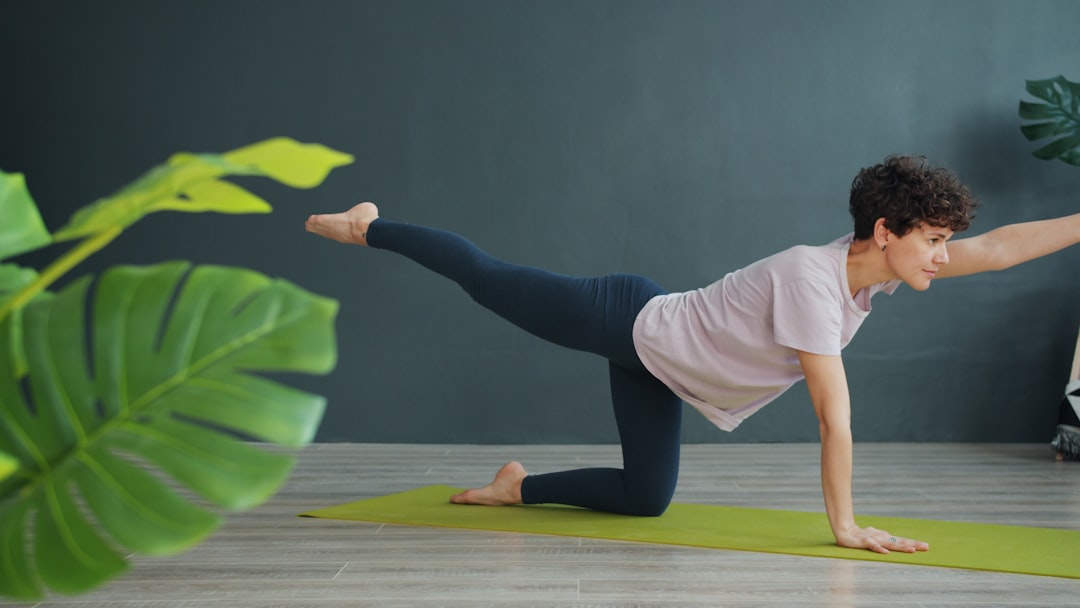
You are in your sixties, and the foundation upon which you stand – your legs – might be experiencing a shift. This is not a decline, but a transition. As the years accumulate, bone density can decrease, muscle mass may diminish, and your joints might begin to remind you of their service. Fortunately, building and maintaining strong, mobile legs after 60 is not only achievable but vital for a fulfilling, independent life. Think of your legs as the sturdy pillars supporting your home; neglecting their structural integrity compromises the entire dwelling. This article will equip you with the knowledge and actionable strategies to fortify these crucial limbs.
The human leg is a complex biomechanical marvel, composed of numerous muscles, bones, and joints working in concert. The major muscle groups include the quadriceps (front of the thigh), hamstrings (back of the thigh), gluteals (buttocks), and the muscles of the calf. Together, these muscles are responsible for locomotion, maintaining balance, and absorbing shock. As you age, sarcopenia, the age-related loss of muscle mass and strength, becomes a concern. However, this process is not irreversible, and with the right approach, you can actively combat its effects. Mobility, meaning your ability to move freely and easily, is intrinsically linked to strength. Strong muscles and healthy joints allow for a greater range of motion, which in turn facilitates daily activities and reduces the risk of falls.
Understanding the Changes in Your Legs After 60
You might have noticed subtle (or not so subtle) differences in your legs as you’ve navigated your sixth decade and beyond. These changes are often multifaceted, involving both the muscular and skeletal systems, as well as the nervous system’s control over movement.
Decreased Muscle Mass and Strength
The most significant contributor to reduced leg function is sarcopenia. By age 60, individuals can experience a gradual but steady loss of muscle fibers. This translates to a tangible decrease in how much weight you can lift, how quickly you can move, and how easily you can perform everyday tasks like climbing stairs or getting out of a chair. The metaphor of a rope frayed at the ends comes to mind; each strand weakened, reducing the overall tensile strength.
Factors Contributing to Sarcopenia
- Reduced Physical Activity: A sedentary lifestyle is a primary driver of muscle loss. If your legs are not regularly challenged, they will adapt by becoming weaker.
- Hormonal Changes: Declining levels of hormones like testosterone and growth hormone can influence muscle protein synthesis.
- Nutritional Deficiencies: Inadequate protein intake is a critical factor. Protein is the building block of muscle, and without sufficient amounts, your body cannot effectively repair and build muscle tissue.
- Inflammation: Chronic low-grade inflammation, often associated with aging and certain health conditions, can accelerate muscle breakdown.
Reduced Bone Density
Osteoporosis, characterized by weakened and brittle bones, is a common concern for older adults, particularly women. Decreased bone density in the legs, especially the hips and femurs, significantly increases the risk of fractures, which can be debilitating and have a profound impact on mobility. Imagine a piece of chalk; with osteoporosis, the chalk becomes more susceptible to crumbling.
Impact of Osteoporosis on Leg Strength and Mobility
- Increased Fracture Risk: Even minor falls can lead to serious fractures, requiring surgery, lengthy rehabilitation, and potentially long-term disability.
- Pain and Discomfort: Osteoporotic bones can become painful, limiting your willingness and ability to bear weight and move.
- Fear of Falling: The constant worry of breaking a bone can lead to a reluctance to engage in activities, further exacerbating muscle weakness.
Joint Stiffness and Reduced Mobility
Arthritis, in its various forms (osteoarthritis being the most prevalent), is a significant factor in reduced joint mobility. The cartilage that cushions your joints can wear down over time, leading to pain, swelling, and decreased range of motion in your knees, hips, and ankles. This can feel like hinges that have rusted shut, resisting movement.
Common Joint Issues Affecting the Legs
- Osteoarthritis: The “wear and tear” arthritis that affects the cartilage, causing bones to rub against each other.
- Rheumatoid Arthritis: An autoimmune disease that attacks the joints, causing inflammation and damage.
- Gout: A form of inflammatory arthritis that can affect the joints of the foot and ankle.
The Cornerstone of Leg Strength: Resistance Training
Resistance training is, without question, the most effective strategy for rebuilding and strengthening your leg muscles after 60. This type of exercise challenges your muscles against a force, prompting them to adapt and grow stronger. It’s akin to a blacksmith repeatedly hammering metal, each strike shaping and hardening the material.
Progressive Overload: The Key to Continued Gains
The principle of progressive overload states that to continue making gains in strength and muscle size, you must gradually increase the demand placed on your muscles over time. This means consistently pushing your limits, albeit safely.
Strategies for Progressive Overload
- Increase Weight: Gradually lift heavier weights as exercises become easier.
- Increase Repetitions: Perform more repetitions of an exercise with the same weight.
- Increase Sets: Complete more sets of an exercise.
- Decrease Rest Time: Shorten the rest periods between sets.
- Increase Frequency: Train your legs more often per week, allowing for adequate recovery.
- Improve Form: As your strength increases, strive for more controlled and deeper range of motion.
Essential Resistance Exercises for Legs
A well-rounded resistance training program for your legs should encompass exercises that target the major muscle groups. Always consult with a healthcare professional or a certified personal trainer before starting any new exercise program, especially if you have underlying health conditions.
Compound Movements for Maximum Impact
Compound exercises work multiple muscle groups simultaneously, providing a more efficient and functional workout.
- Squats: This foundational exercise works your quadriceps, hamstrings, and glutes. You can perform bodyweight squats, goblet squats (holding a dumbbell or kettlebell), or barbell squats. Modifications for beginners include chair squats, where you lower yourself until your glutes touch a sturdy chair.
- Lunges: Similar to squats, lunges target your quads, hamstrings, and glutes, while also challenging your balance. Forward lunges, reverse lunges, and walking lunges are all effective variations.
- Deadlifts (Modified): While traditional deadlifts can be demanding, modified versions like Romanian deadlifts (focusing on hamstring and glute engagement with a slight knee bend) can be beneficial. Ensure proper form to protect your lower back.
Isolation Exercises for Targeted Strength
Isolation exercises focus on a single muscle group, allowing for targeted strengthening.
- Leg Press: Performed on a machine, this exercise isolates the quadriceps and hamstrings. It can be a good alternative for individuals who find squats or lunges too challenging on their knees.
- Hamstring Curls: These can be done on a machine or with resistance bands to specifically target the hamstrings.
- Calf Raises: Standing or seated calf raises are excellent for strengthening the calf muscles, which are crucial for walking, running, and jumping.
- Glute Bridges/Hip Thrusts: These exercises are paramount for activating and strengthening the gluteal muscles, which are essential for hip extension and overall leg power.
Frequency and Intensity for Optimal Results
For muscle growth and strength development, aim to train your legs with resistance exercises 2-3 times per week, allowing at least one day of rest between sessions for muscle repair. The intensity should be challenging enough that you feel fatigued by the last few repetitions of each set, but not so fatigued that your form deteriorates significantly.
Sample Weekly Leg Routine (Illustrative)
- Day 1 (Strength Focus):
- Bodyweight Squats or Goblet Squats: 3 sets of 8-12 repetitions
- Reverse Lunges: 3 sets of 8-12 repetitions per leg
- Leg Press: 3 sets of 10-15 repetitions
- Glute Bridges: 3 sets of 15-20 repetitions
- Calf Raises: 3 sets of 15-20 repetitions
- Day 2 (Mobility/Endurance Focus – could be in addition to strength or as a separate day):
- Longer duration walking program, light cycling, or swimming.
Enhancing Mobility and Flexibility
Strength alone is not enough; your legs need to move with ease. Flexibility and mobility exercises act as the lubricant for your joints and the spring in your step, allowing for a greater range of motion and reducing the risk of injury. Think of it as ensuring all the gears in your leg’s machinery can turn smoothly.
The Importance of a Full Range of Motion
A full range of motion in your hips, knees, and ankles is crucial for efficient movement and preventing compensatory patterns that can lead to pain and further issues. When a joint is restricted, other parts of your body are forced to overcompensate, like a poorly packed suitcase where everything is crammed and awkward.
Benefits of Improved Mobility
- Reduced Risk of Injury: Flexible muscles and mobile joints are less prone to strains and sprains.
- Improved Posture and Balance: Greater mobility contributes to better alignment and stability.
- Easier Daily Activities: Tasks like bending, reaching, and walking become less strenuous.
- Enhanced Athletic Performance: Even if your athletic pursuits are recreational, better mobility can improve your efficiency and enjoyment.
Effective Flexibility and Mobility Exercises
Integrating these exercises into your routine, either after your strength training or on separate days, is highly recommended.
Dynamic Stretching for Warm-ups
Dynamic stretches involve moving your limbs through their range of motion, preparing your muscles for activity.
- Leg Swings: Forward-backward and side-to-side leg swings to mobilize the hips.
- Knee Circles: Gently rotating your knees in a circular motion.
- Ankle Circles: Rotating your ankles to improve flexibility in that joint.
- Hip Circles: Larger rotational movements of the hip joint.
Static Stretching for Post-Workout Recovery
Static stretches involve holding a stretch for a sustained period, allowing muscles to lengthen and relax.
- Hamstring Stretch: Sitting or standing, gently reach towards your toes, keeping your back straight.
- Quadriceps Stretch: Standing, grasp one ankle and gently pull your heel towards your glutes.
- Calf Stretch: Lean against a wall with one leg back, heel pressed to the floor, stretching the calf.
- Hip Flexor Stretch: Kneel on one knee with the other foot forward, gently pushing your hips forward.
Yoga and Pilates for Holistic Leg Health
These disciplines offer a comprehensive approach to strength, flexibility, and body awareness, all of which are beneficial for leg health. Poses in yoga and movements in Pilates often require and improve the strength and mobility of your leg muscles and joints.
Yoga Poses to Consider
- Warrior II: Strengthens quadriceps, hamstrings, and glutes, while opening the hips.
- Mountain Pose with Deep Squat: Builds leg strength and ankle flexibility.
- Downward-Facing Dog: Stretches hamstrings and calves.
- Chair Pose: A powerful strengthening pose for the quadriceps.
Pilates Principles for Leg Enhancement
- Focus on Core Strength: A strong core provides a stable base for leg movements.
- Controlled Movements: Pilates emphasizes precision and control, leading to more effective muscle engagement.
- Body Awareness: Developing an understanding of how your body moves improves efficiency and prevents injury.
The Crucial Role of Nutrition
What you eat directly fuels your muscles and supports bone health. Nutrition is the invisible scaffolding that holds your strength-building efforts together. Without adequate building materials, even the best construction plans will fail.
Protein: The Muscle Builder
Protein is indispensable for muscle repair and growth. As you age, you may need slightly more protein to combat sarcopenia.
Recommended Protein Intake
- Aim for 1.0 to 1.2 grams of protein per kilogram of body weight per day. For example, a person weighing 70 kg would aim for 70-84 grams of protein.
- Distribute protein intake throughout the day to maximize muscle protein synthesis.
Good Protein Sources
- Lean meats (chicken, turkey, lean beef)
- Fish (salmon, tuna)
- Eggs
- Dairy products (yogurt, milk, cheese)
- Legumes (beans, lentils, chickpeas)
- Tofu and tempeh
- Nuts and seeds
Calcium and Vitamin D: The Bone Guardians
These two nutrients work synergistically to maintain strong bones. Calcium is the building block of bone, and Vitamin D is essential for its absorption.
Calcium Sources
- Dairy products
- Leafy green vegetables (kale, spinach, broccoli)
- Fortified foods (cereals, plant-based milks)
- Tofu
Vitamin D Sources
- Sunlight exposure (responsible sun exposure is key)
- Fatty fish (salmon, mackerel)
- Fortified foods (milk, orange juice, cereals)
- Supplements are often recommended, especially in winter months or for those with limited sun exposure.
Hydration: The Lubricant of Movement
Water is vital for all bodily functions, including muscle performance and joint lubrication. Dehydration can lead to fatigue, decreased performance, and even muscle cramps.
How Much Water Do You Need?
- A general guideline is to drink eight 8-ounce glasses of water per day, but individual needs vary based on activity level, climate, and overall health.
- Listen to your body; thirst is an indicator that you need to hydrate.
Maintaining Balance and Preventing Falls
Strong legs are fundamental to good balance, and good balance is your best defense against falls, which can have serious consequences after 60. The ability to maintain your center of gravity is like keeping your ship steady in choppy waters.
The Link Between Leg Strength and Balance
As your leg muscles become stronger, they provide a more stable base and a quicker reaction time to adjust to unexpected shifts in balance. Improved proprioception (your body’s awareness of its position in space), which is often enhanced through balance training, further strengthens this connection.
Exercises for Improving Balance
- Single-Leg Stands: Start by holding onto a stable surface and gradually progress to unassisted stands.
- Heel-to-Toe Walk: Imagine walking on a tightrope, placing the heel of one foot directly in front of the toes of the other.
- Tai Chi: This ancient Chinese practice is renowned for its focus on slow, deliberate movements that significantly improve balance and coordination.
- Gait Training: Simply practicing walking with an increased awareness of your stride and weight distribution can be beneficial.
Addressing Environmental Hazards
Beyond your own strength and balance, modifying your environment can significantly reduce fall risk.
Home Safety Modifications
- Remove Trip Hazards: Secure rugs, clear pathways of clutter, and ensure adequate lighting.
- Install Handrails: In bathrooms, stairways, and along hallways.
- Use Non-Slip Mats: In bathtubs, showers, and on slippery floors.
- Ensure Proper Footwear: Wear well-fitting shoes with non-slip soles.
Consistency and Patience: The Virtues of the Long Game
Building and maintaining stronger legs after 60 is not about quick fixes; it’s a marathon, not a sprint. Consistency in your exercise, nutrition, and healthy habits is paramount. Patience will be your reward as you witness gradual but significant improvements in your strength, mobility, and overall well-being. The steady drip of water can, over time, carve out a mighty canyon; similarly, consistent effort carves out lasting strength.
Setting Realistic Goals
Understand that progress may be slower than in younger years, but it is no less significant. Celebrate small victories along the way.
- Short-Term Goals: For example, aiming to complete a certain number of repetitions with good form, or to walk for a specified duration.
- Long-Term Goals: Such as improving your ability to climb stairs without fatigue, or reducing your risk of falls.
Listening to Your Body
Pay attention to signals of fatigue, pain, or overexertion. Rest and recovery are just as important as the workouts themselves. If you experience pain, seek professional medical advice.
Embracing the Journey
View this process not as a chore, but as an investment in your future health and independence. The ability to move freely and confidently empowers you to live a fuller, more engaged life at any age. Your legs are your vehicle for exploring the world; keep them finely tuned.
FAQs
1. Is it safe to start leg strengthening exercises after 60?
Yes, it is generally safe to begin leg strengthening exercises after 60, but it is important to consult with a healthcare provider before starting any new exercise program, especially if you have existing health conditions.
2. What types of exercises are effective for building stronger legs after 60?
Effective exercises include bodyweight squats, lunges, leg presses, calf raises, and resistance band workouts. Low-impact activities like swimming and cycling can also help improve leg strength.
3. How often should someone over 60 exercise their legs to see improvement?
It is recommended to perform leg strengthening exercises 2 to 3 times per week, allowing rest days in between to promote muscle recovery and prevent injury.
4. Can improving leg strength help with balance and mobility in older adults?
Yes, stronger leg muscles contribute to better balance, stability, and mobility, which can reduce the risk of falls and improve overall quality of life for older adults.
5. Are there any precautions to take when exercising legs after 60?
Precautions include starting with low resistance or bodyweight exercises, warming up properly, avoiding sudden or jerky movements, and stopping if you experience pain or discomfort. It is also beneficial to work with a fitness professional if possible.