
When caring for another individual, whether due to age, illness, or disability, assisting with personal hygiene tasks like bathing and dressing can often feel like navigating a complex labyrinth. Your role as a caregiver is vital, providing not just physical aid, but also maintaining the dignity and comfort of the person you support. This guide aims to equip you with strategies and insights to transform these sometimes challenging activities into smoother, more compassionate experiences. You are not merely a helper; you are an enabler, a protector of privacy, and a facilitator of well-being.
Before diving into practical techniques, it’s crucial to acknowledge the multifaceted nature of obstacles you might encounter. These aren’t just physical barriers; they often intertwine with emotional and psychological elements, creating a unique set of demands on your patience and resourcefulness. To learn effective strategies for fall prevention, watch this informative video.
Physical Limitations and Mobility Issues
Many individuals requiring assistance experience limited range of motion, muscle weakness, or balance problems. For you, this translates into a need for careful maneuvering, ergonomic considerations, and an understanding of safe transfer techniques. Imagine trying to dress a person whose limbs are stiff as ancient oak branches – gentle, calculated movements become paramount.
Cognitive Impairment and Memory Loss
Cognitive decline can manifest as confusion, agitation, or a lack of understanding regarding the bathing and dressing process. You might encounter resistance, wandering, or an inability to follow simple instructions. For you, this means employing clear, concise language, establishing routines, and sometimes, becoming a detective to understand the root cause of their distress. Think of yourself as a calm lighthouse, guiding a vessel through a fog-laden sea.
Emotional and Psychological Factors
The very act of needing assistance with personal care can evoke feelings of shame, embarrassment, or loss of independence. You may observe sadness, anger, or withdrawal. Your role transcends physical help here; you become a therapist, a confidant, and a guardian of self-esteem. Your approach can either reinforce these negative emotions or empower the individual to navigate their vulnerability with grace.
Environmental Constraints
The physical environment of a home often presents its own set of challenges. Small bathrooms, slippery floors, inadequate lighting, and lack of grab bars can turn a routine task into a hazardous endeavor. You must become an architect of safety, identifying and mitigating these risks to create a secure and accessible space.
For those seeking guidance on caregiver assistance with bathing and dressing, a helpful resource can be found in the article available at Explore Senior Health. This article provides valuable insights and tips for caregivers, ensuring that they can support their loved ones with dignity and respect during these essential daily activities.
Strategies for Easier Bathing
Bathing is more than just cleanliness; it’s a sensory experience that can be either refreshing or frightening, depending on your approach. Your goal is to make it a comforting, dignified ritual.
Prioritizing Safety and Comfort
Safety is paramount. A slip or fall can have devastating consequences, not just physically but also psychologically, eroding trust and increasing anxiety. You are the architect of a safe bathing environment.
Assessing the Bathroom Environment
Before initiating a bath, meticulously inspect the bathroom. Are there any loose rugs? Is the floor dry? Are grab bars securely installed and within reach? Consider adding non-slip mats inside and outside the shower or tub. Ensure adequate lighting to prevent shadows that can misinterpret depth or cause trips. Think of yourself as a safety inspector, meticulously checking every corner.
Water Temperature Management
The skin of older adults or those with certain medical conditions can be more sensitive to temperature fluctuations. Always test the water yourself before directing it towards the individual. Aim for a comfortably warm, not hot, temperature, typically between 98°F (37°C) and 105°F (40.5°C). Avoid sudden temperature changes, which can be startling and uncomfortable. A stable water temperature is like a soothing balm, not a jarring shock.
Choosing the Right Bathing Method
Not every individual requires or can tolerate a full shower or tub bath. Adapt your approach based on their mobility, cognitive state, and preferences.
Sponge Baths and Bed Baths
For individuals with severe mobility limitations, pain, or advanced cognitive impairment, a sponge bath or bed bath can be a more gentle and less intrusive option. Gather all necessary supplies beforehand: warm water, soft washcloths, mild soap, towels, and fresh clothing. Work systematically, cleaning one body part at a time, keeping the rest of the body covered to maintain warmth and privacy. This meticulous, sectioned approach is like painting a detailed portrait, focusing on one area before moving to the next.
Showering with Assistance
If showering is feasible, ensure the presence of a shower chair or bench to reduce the risk of falls. Use a handheld showerhead for easier rinsing and targeted cleaning. Stand in a position that offers support without obstructing their movement or privacy. Encourage them to participate as much as possible, for instance, holding the soap or washcloth. Your presence is one of support, not control.
Tub Baths with Modifications
For those who enjoy tub baths and can safely transfer, consider using a bath transfer bench or a sliding bath board. These devices allow a smoother transition into and out of the tub. Never leave an individual unsupervised in a tub, even for a moment. This is akin to being a lifeguard, vigilant and ready to intervene.
Maintaining Dignity and Privacy
The act of being bathed by another can be deeply personal and sometimes humiliating. Your approach profoundly influences their experience.
Effective Communication and Consent
Always explain each step of the bathing process clearly and concisely, even if you believe they might not fully comprehend. Ask for their preferences: “Would you like me to wash your arms first?” or “Is this water temperature okay for you?” Obtain consent, verbally or non-verbally, before proceeding. Their autonomy, however diminished, remains vital. You are not performing a task on them, but with them.
Respecting Personal Boundaries
Keep as much of their body covered as possible throughout the bath, exposing only the area you are currently washing. Use bath blankets or extra towels. Avoid unnecessary exposure. If the individual expresses discomfort or resistance, pause, and try to understand the underlying reason. Their body is their temple, and you are its respectful caretaker.
Addressing Emotional Responses
Be prepared for a range of emotions. Some individuals may become agitated, anxious, or embarrassed. Respond with patience, empathy, and reassurance. If they resist, it’s often not a personal affront, but a manifestation of fear, confusion, or a desire for control. Sometimes, a calm pause, a gentle touch, or a reassuring word can diffuse the tension. Your equanimity is a soothing balm.
Effective Dressing Techniques
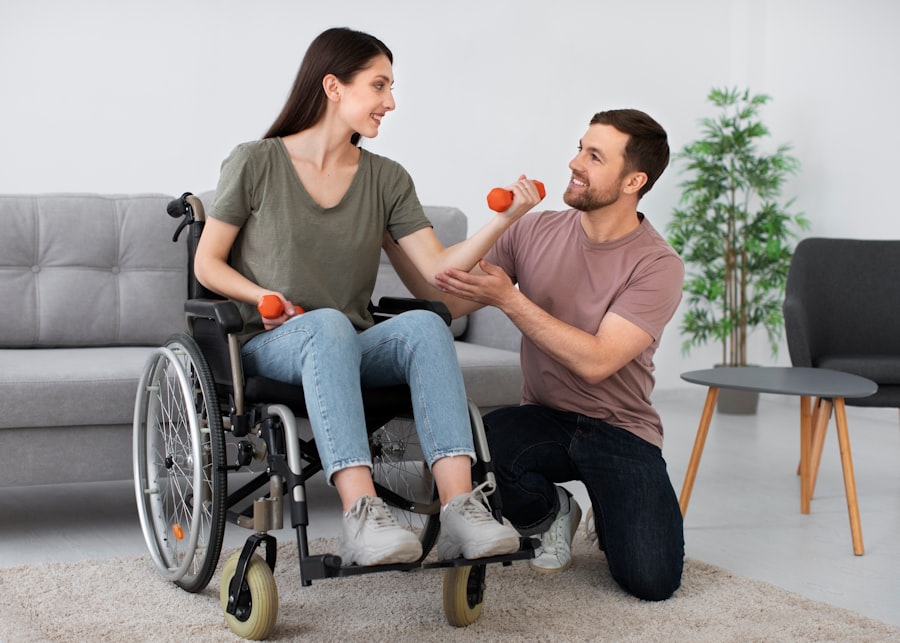
Dressing can be a battlefield of stiff limbs, confusing clothing, and frustrating buttons. Your role is to simplify the struggle and empower the individual.
Selecting Appropriate Clothing
The right clothing can make a world of difference in ease of dressing and overall comfort. Think of clothing as armor, sometimes a protective layer, sometimes a hindrance.
Comfort and Functionality
Prioritize comfortable, loose-fitting clothing made from breathable fabrics. Avoid tight waistbands, restrictive necklines, or complicated fastenings that can cause pressure points or irritation. Elastic waistbands, Velcro closures, and larger armholes are often beneficial. Your motto should be “comfort over couture” in this context.
Adapting to Specific Needs
Individuals with joint pain, limited dexterity, or paralysis may benefit from adaptive clothing. This includes garments with magnetic closures, open-back designs, or larger neck openings. For individuals prone to incontinence, easily removable clothing can simplify changes and maintain hygiene. Consider their specific medical devices – catheters, ostomy bags – and choose clothing that accommodates them without causing discomfort or visibility.
Streamlining the Dressing Process
Efficiency and a logical sequence can transform a lengthy, frustrating ordeal into a manageable routine. You are the choreographer of a smooth, efficient movement.
Preparation and Organization
Before you begin, lay out all clothing items in the order they will be put on. Ensure they are correctly oriented (right-side out, front-facing). This eliminates unnecessary fumbling and reduces frustration. Consider this a pre-flight checklist, ensuring all systems are go.
Step-by-Step Approach
Break down the dressing process into small, manageable steps. Provide clear, simple instructions for each step. “Let’s put on your undershirt first. Right arm through this hole.” Encourage them to participate as much as they can, even if it’s just reaching for a sleeve or pulling up a sock.
Dressing the Affected Side First
When assisting an individual with weakness or paralysis on one side (e.g., due to a stroke), always dress the affected side first. When undressing, remove clothing from the unaffected side first. This technique minimizes movement and strain on the weaker limb, making the process smoother and less painful. It’s like navigating a river, always charting the path of least resistance.
Using Assistive Devices
Various assistive devices can aid in dressing, such as long-handled shoehorns, sock aids, or dressing sticks. These tools can empower individuals to dress independently or reduce the physical strain on you. Explore these options diligently.
Maintaining Modesty and Autonomy
Just as with bathing, respecting privacy and encouraging self-reliance during dressing is paramount to preserving dignity.
Choosing Private Settings
Always aim to dress the individual in a private, warm, and comfortable space. Close doors and curtains. If necessary, use screens or room dividers. Their vulnerability warrants your utmost discretion.
Encouraging Independence
Despite limitations, encourage the individual to participate as much as possible. If they can button one button, let them. If they can pull up their trousers halfway, provide support for the rest. Small acts of independence can significantly impact their self-esteem and sense of control. Your goal is not to do everything for them, but to enable them to do as much as they can themselves. You are a supportive trellis, allowing the vine to grow upwards.
Respecting Choices and Preferences
Even if their choices seem impractical or mismatched, whenever safety allows, respect their preferences for clothing. Allowing them to choose their outfit, even from a limited selection, provides a sense of autonomy and personal expression. This small act can be a powerful affirmation of their individuality.
Adaptive Equipment and Environmental Modifications
The right tools and a thoughtfully designed environment can significantly ease the caregiver’s burden and enhance the comfort of the care recipient. These are your allies in the caregiving journey.
Bathroom Enhancements
Transforming a standard bathroom into an accessible sanctuary can be a game-changer.
Grab Bars and Handrails
Strategically placed grab bars in the shower/tub area and near the toilet provide crucial support for balance and transfer. Ensure they are professionally installed and can bear significant weight. These are not merely accessories; they are anchors of stability.
Raised Toilet Seats
For individuals with difficulty sitting or standing, a raised toilet seat can reduce the height difference, making transfers easier and safer. Some models also include armrests for additional support.
Shower Chairs and Benches
These provide a secure seating option during showering, reducing the risk of falls and minimizing fatigue for both the care recipient and you. Look for models with non-slip feet and comfortable seating.
Non-Slip Flooring
Install non-slip mats or apply non-slip strips to the shower or tub floor. Consider non-slip flooring throughout the bathroom to prevent accidents on wet surfaces.
Dressing Aids
A variety of simple devices can simplify the dressing process.
Dressing Sticks
A dressing stick has a hook at one end and can be used to pull up trousers, retrieve clothing from the floor, or put on garments over the head. It extends the reach and reduces the need for bending.
Button Hooks and Zipper Pulls
These small but ingenious tools can empower individuals with limited dexterity to manage buttons and zippers independently, restoring a sense of accomplishment.
Long-Handled Shoehorns and Sock Aids
These devices reduce the need for bending and reaching, making it easier to put on shoes and socks, especially for individuals with back pain or hip limitations.
Caregiver assistance with bathing and dressing is a crucial aspect of providing support to individuals with mobility challenges. For those looking to enhance their understanding of this topic, an insightful article can be found at Explore Senior Health, which offers valuable tips and techniques for caregivers. This resource not only addresses the practicalities of assisting with personal care but also emphasizes the importance of maintaining dignity and comfort for the individual receiving care.
Managing Resistance and Behavioral Challenges
| Caregiver Assistance Task | Average Time Spent (minutes) | Frequency per Day | Common Challenges | Recommended Techniques |
|---|---|---|---|---|
| Bathing Assistance | 20-30 | 1 | Patient discomfort, risk of slipping, skin sensitivity | Use non-slip mats, warm water, gentle cleansing, maintain privacy |
| Dressing Assistance | 10-15 | 2 | Limited mobility, clothing resistance, coordination difficulties | Choose loose-fitting clothes, use adaptive clothing, encourage patient participation |
| Safety Measures | N/A | Continuous | Falls, skin tears, infections | Ensure proper support, monitor skin condition, maintain hygiene |
Some of the most challenging aspects of caregiving arise when the individual resists or displays uncooperative behaviors. Your patience and strategic thinking are paramount here.
Identifying Triggers
Resistance often stems from underlying issues rather than a deliberate desire to be difficult. You must become a careful observer, a detective of distress.
Pain or Discomfort
The individual might be experiencing pain from an injury, arthritis, or pressure sores, especially when being moved or handled. They might not be able to articulate this pain. Be vigilant for non-verbal cues like grimacing, guarding a body part, or vocalizations.
Fear and Anxiety
The unfamiliarity of the process, the invasion of privacy, or a fear of falling can all trigger anxiety and resistance. The bathing environment, with its slippery surfaces and echoing sounds, can be particularly frightening for some.
Cognitive Impairment or Communication Barriers
Individuals with dementia might not understand why they need to bathe or dress. They might perceive your actions as threatening or confusing. Language barriers or difficulty processing instructions can also lead to frustration and resistance.
De-escalation Techniques
When faced with resistance, your calmly assertive, empathetic approach is your most powerful tool.
Remain Calm and Patient
Your emotional state is contagious. If you become frustrated or agitated, the individual will likely mirror those feelings. Take a deep breath, maintain a calm demeanor, and speak in a soft, reassuring tone.
Distraction and Redirection
Sometimes, diverting attention from the immediate task can be effective. Engage them in a conversation about their favorite topic, play calming music, or offer a preferred object to hold. This is like moving a river around a large boulder, finding an alternative, gentler path.
Offer Choices and Control
Provide limited choices to give them a sense of autonomy: “Do you want to wear the blue shirt or the green shirt?” or “Would you like to wash your arms first or your legs?” Whenever possible, allow them to make decisions, even small ones.
Break Down Tasks
If the individual is overwhelmed, simplify the task into even smaller steps. Instead of “Let’s get dressed,” try “Let’s put on your undershirt.” Celebrate each completed mini-task.
Re-evaluating the Timing
Perhaps the individual is tired, hungry, or not feeling well. Sometimes, postponing the task for a short while, or returning at a later time, can be more effective than pushing through resistance. Your timing can be the subtle difference between success and struggle.
Caregiver Self-Care
Your ability to provide compassionate and effective care is inextricably linked to your own well-being. This is not a luxury; it is a necessity.
Preventing Burnout
Caregiving is a marathon, not a sprint. The emotional and physical demands can be immense.
Seeking Support
Connect with other caregivers, join support groups, or seek professional counseling. Sharing your experiences and learning from others can provide invaluable emotional relief and practical advice. You are not an isolated island; there is a sea of shared experiences.
Respite Care
Arrange for respite care periodically. This allows you to take necessary breaks, recharge, and attend to your own needs without guilt. A rested caregiver is a better caregiver.
Setting Boundaries
It is essential to establish clear boundaries regarding your availability and responsibilities. Understand your limits and communicate them effectively to family members or other support systems. Your capacity is finite, like a well that needs replenishing.
Maintaining Physical and Mental Health
Your health is your most valuable asset in your caregiving role.
Prioritizing Sleep and Nutrition
Ensure you are getting adequate sleep and maintaining a healthy diet. These fundamental pillars of health directly impact your energy levels and cognitive function.
Engaging in Stress-Reducing Activities
Allocate time for activities you enjoy – reading, hobbies, spending time in nature. Regular physical activity can also be a powerful stress reliever. These are your emotional shock absorbers, cushioning the blows of daily challenges.
Professional Assistance
Do not hesitate to seek medical or psychological help for yourself if you are experiencing signs of depression, anxiety, or chronic stress. Your well-being is not secondary; it is foundational.
By embracing these strategies and maintaining a focus on dignity, safety, and comfort, you can transform the often challenging tasks of bathing and dressing into opportunities for connection, empowerment, and genuine care. You are not alone in this journey, and your dedication makes an immeasurable difference in the lives of those you support. Embrace your role with knowledge, patience, and compassion, and you will navigate this labyrinth successfully.
WATCH THIS 🛑 WARNING: One Fall Could Cost You $18,000 This Month
FAQs
What is caregiver assistance with bathing and dressing?
Caregiver assistance with bathing and dressing involves helping individuals who have difficulty performing these personal care tasks independently. This support ensures hygiene, comfort, and dignity for those who may be elderly, disabled, or recovering from illness or surgery.
Who typically requires caregiver assistance with bathing and dressing?
People who may need help include seniors with mobility issues, individuals with chronic illnesses, those recovering from surgery or injury, and persons with cognitive impairments such as dementia.
What are the benefits of caregiver assistance during bathing and dressing?
Assistance helps maintain personal hygiene, prevents skin infections, reduces the risk of falls, promotes comfort, and supports emotional well-being by preserving dignity and independence as much as possible.
How do caregivers ensure safety during bathing and dressing?
Caregivers use safety measures such as non-slip mats, grab bars, proper water temperature checks, and assistive devices. They also provide steady support to prevent falls and respect the individual’s privacy and preferences.
Can caregiver assistance with bathing and dressing be provided at home?
Yes, many caregivers provide these services in the individual’s home, allowing for personalized care in a familiar environment. Home care agencies and family members often offer this support.
What skills do caregivers need for assisting with bathing and dressing?
Caregivers should have knowledge of proper hygiene techniques, patient handling, communication skills, respect for privacy, and the ability to recognize signs of skin issues or discomfort.
Is caregiver assistance with bathing and dressing covered by insurance?
Coverage varies depending on the insurance plan, type of care, and location. Some long-term care insurance policies, Medicaid, or Medicare may cover certain aspects of personal care assistance.
How can caregivers maintain the dignity of the person they are assisting?
Caregivers maintain dignity by respecting privacy, explaining each step before proceeding, allowing the person to do as much as possible independently, and being patient and compassionate throughout the process.
What are common challenges faced by caregivers during bathing and dressing assistance?
Challenges include managing resistance or anxiety from the person receiving care, physical strain on the caregiver, maintaining hygiene standards, and adapting to the individual’s changing needs.
Are there specialized products to aid in bathing and dressing assistance?
Yes, products such as shower chairs, long-handled sponges, adaptive clothing, and dressing aids can facilitate safer and easier bathing and dressing for both caregivers and care recipients.