You’re navigating the world of senior health, a landscape where every choice, from your daily walk to the ingredients on your plate, can contribute to a more vibrant and fulfilling life. Among the myriad of factors influencing well-being, nutrition stands paramount. Specifically, how you choose to cook and dress your food—meaning the types of oils you incorporate into your diet—can have a significant impact. You might be wondering, as many are, about the nuances of different cooking oils and which ones are the best allies for your senior years. Today, we’ll delve into two common contenders: avocado oil and canola oil, examining their properties, benefits, and considerations for your health. Think of your dietary choices as building blocks; you want to select strong, reliable ones to construct a robust foundation for your well-being.
Before we pit avocado oil against canola oil, it’s crucial to broadly understand the role of fats in the human body, especially as you age. Fats are not the enemy; rather, they are essential macronutrients that provide energy, help absorb fat-soluble vitamins (A, D, E, and K), protect your organs, and are vital for hormone production and cell function. The key is to differentiate between the types of fats and to prioritize those that benefit your health.
The Spectrum of Dietary Fats
You encounter fats in various forms. Broadly, they are categorized as:
Saturated Fats
These are typically solid at room temperature and are found in animal products like butter, cheese, and red meat, as well as in some plant-based oils like coconut and palm oil. While not entirely to be demonized, excessive intake of saturated fats has historically been linked to increased LDL (low-density lipoprotein) cholesterol, often referred to as “bad” cholesterol, which can contribute to cardiovascular disease. Your body needs some saturated fat, but moderation is key.
Unsaturated Fats
These are typically liquid at room temperature and are considered the healthier fats. They are further divided into monounsaturated and polyunsaturated fats.
Monounsaturated Fats (MUFAs)
These fats have one double bond in their chemical structure. They are found in olive oil, avocado oil, nuts, and seeds. MUFAs can help reduce LDL cholesterol levels and may increase HDL (high-density lipoprotein) cholesterol, the “good” cholesterol that helps remove LDL from arteries.
Polyunsaturated Fats (PUFAs)
These fats have more than one double bond in their chemical structure. They include omega-3 and omega-6 fatty acids, which are essential because your body cannot produce them.
Omega-3 Fatty Acids
Crucial for brain health, reducing inflammation, and supporting cardiovascular function. You find them in fatty fish, flaxseeds, chia seeds, and walnuts.
Omega-6 Fatty Acids
Also important for cell function and growth, but often consumed in excess compared to omega-3s. Good sources include vegetable oils like soybean, corn, and sunflower oil, as well as nuts and seeds. A balanced ratio of omega-3 to omega-6 is considered optimal.
Trans Fats
These are the fats you want to avoid as much as possible. They are primarily created through an industrial process called hydrogenation and are found in some margarines, fried foods, and baked goods. Trans fats raise LDL cholesterol and lower HDL cholesterol, significantly increasing the risk of heart disease. Fortunately, many countries have banned or severely restricted their use.
When considering the best cooking oils for senior health, the debate between avocado oil and canola oil is particularly relevant. Both oils have unique benefits, but avocado oil is often praised for its higher monounsaturated fat content and potential anti-inflammatory properties, making it a great choice for heart health. For a deeper understanding of how these oils can impact senior health, you can read more in this informative article on senior nutrition and wellness at Explore Senior Health.
Avocado Oil: A Tropical Powerhouse
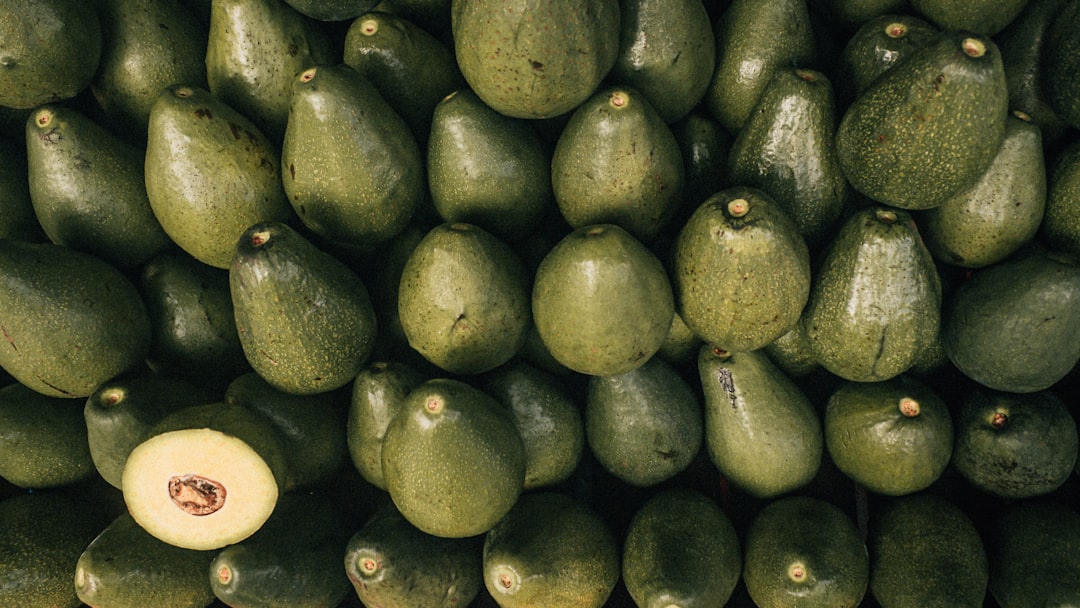
Avocado oil is derived from the pulp of the avocado fruit (Persea americana). It has gained significant popularity in recent years due to its mild flavor, high smoke point, and perceived health benefits. It’s like finding a hidden treasure in your pantry, offering both culinary versatility and potential health advantages.
Nutritional Profile of Avocado Oil
Avocado oil is rich in monounsaturated fatty acids, primarily oleic acid, the same fatty acid found in heart-healthy olive oil. It also contains some polyunsaturated fats and a small amount of saturated fat.
Fatty Acid Composition
You’ll find that avocado oil is typically composed of:
- Monounsaturated Fats: Approximately 70-80%
- Polyunsaturated Fats: Approximately 10-15%
- Saturated Fats: Approximately 10-15%
This composition makes it a strong contender in the realm of healthy fats.
Health Benefits Associated with Avocado Oil Consumption
The high oleic acid content contributes to several potential health benefits for seniors.
Cardiovascular Health Support
The abundance of monounsaturated fats in avocado oil can play a role in managing cholesterol levels. By helping to lower LDL cholesterol and potentially raise HDL cholesterol, it contributes to a healthier cardiovascular system. This is like a gentle current helping to keep the river of your blood flowing smoothly, reducing the risk of blockages.
Antioxidant Properties
Avocado oil contains antioxidants, including vitamin E and lutein. These compounds help combat oxidative stress in the body, which is a process that can damage cells and contribute to aging and chronic diseases. Think of antioxidants as tiny protectors, on guard to shield your cells from harm.
Nutrient Absorption
The healthy fats in avocado oil can aid in the absorption of fat-soluble vitamins from other foods you consume. This means that when you include avocado oil in a salad with leafy greens rich in vitamins A and K, your body is better equipped to utilize those vital nutrients.
Culinary Applications of Avocado Oil
Avocado oil’s neutral flavor profile and high smoke point make it incredibly versatile in the kitchen.
High Smoke Point for Cooking
With a smoke point often exceeding 500°F (260°C), avocado oil is an excellent choice for high-heat cooking methods.
Frying and Searing
You can confidently use avocado oil for pan-frying, stir-frying, and searing meats and vegetables without worrying about the oil breaking down and producing harmful compounds. This high heat tolerance is a significant advantage for many cooking techniques.
Salad Dressings and Marinades
Its mild, slightly buttery flavor also makes it a delightful base for salad dressings and marinades, allowing the other ingredients to shine. You can use it liberally without overpowering delicate flavors.
Canola Oil: A Widespread Vegetable Oil

Canola oil, derived from the seeds of the rapeseed plant, is one of the most commonly used cooking oils worldwide. It’s a staple in many households and food products due to its neutral taste, affordability, and availability. It’s the reliable workhorse of the pantry, readily available for everyday use.
Nutritional Profile of Canola Oil
Canola oil is primarily composed of monounsaturated fats, with a significant presence of polyunsaturated fats, including omega-3 and omega-6 fatty acids. It contains a lower proportion of saturated fat compared to some other vegetable oils.
Fatty Acid Composition
You will typically find canola oil to be comprised of:
- Monounsaturated Fats: Approximately 55-65%
- Polyunsaturated Fats: Approximately 25-35% (including omega-3 and omega-6)
- Saturated Fats: Approximately 5-10%
This profile positions it as a source of healthy fats, but with a different balance than avocado oil.
Health Aspects of Canola Oil
The health implications of canola oil have been a subject of discussion and research, with varying perspectives.
Cardiovascular Benefits
The monounsaturated and polyunsaturated fat content of canola oil, particularly its omega-3 fatty acid content, is often cited as beneficial for heart health. It can contribute to reducing LDL cholesterol levels.
Omega-3 and Omega-6 Balance
Canola oil provides a source of alpha-linolenic acid (ALA), a plant-based omega-3 fatty acid. While beneficial, it’s important to note that the body’s conversion of ALA into the more readily usable forms of omega-3 (EPA and DHA) is limited. The ratio of omega-6 to omega-3 fatty acids in canola oil is generally considered favorable compared to some other vegetable oils high in omega-6.
Considerations Regarding Canola Oil Processing
A significant point of discussion surrounding canola oil relates to its processing.
Refinement and Extraction
Most commercially available canola oil undergoes a refining process that typically involves heat, solvents (often hexane), and deodorizing agents. This process aims to create a neutral-tasting, clear, and stable oil.
Concerns about Hexane
Hexane is a petroleum-based solvent used in the extraction process. Residual amounts of hexane are generally considered to be at very low and safe levels after the refining process. However, some individuals choose to limit their intake of foods processed with hexane due to concerns about its potential health effects and environmental impact.
Genetic Modification
A significant portion of the canola crop grown in many countries is genetically modified (GM). This is often done to create crops that are resistant to certain herbicides, simplifying weed control for farmers. While GM foods are subject to rigorous safety assessments by regulatory bodies, some consumers have reservations about consuming genetically modified products. You can often find non-GMO and expeller-pressed canola oil options if this is a concern for you.
Culinary Versatility of Canola Oil
Canola oil’s mild flavor and moderate smoke point make it a popular choice for everyday cooking.
All-Purpose Cooking Oil
It’s suitable for a wide range of applications, from sautéing and baking to salad dressings. Its neutral taste means it won’t impart a strong flavor to your dishes.
Moderate Smoke Point
With a smoke point around 400°F (204°C), it’s a good option for most everyday cooking needs but may not be ideal for very high-heat searing or deep-frying where a higher smoke point is preferred.
Comparing Avocado Oil and Canola Oil for Senior Health

When you place avocado oil and canola oil side-by-side, their differences become clearer. Both offer valuable nutrients, but the nuances in their composition, processing, and applications might influence which one you choose to prioritize for your senior health.
Fatty Acid Profiles: A Closer Look
The primary differentiator lies in their fatty acid breakdown.
Monounsaturated Fats Dominance
Avocado oil notably contains a higher percentage of monounsaturated fats, particularly oleic acid, which is heavily linked to cardiovascular benefits. While canola oil also contains MUFAs, avocado oil leans more into this beneficial category.
Polyunsaturated Fats and Omega-3 Content
Canola oil provides a more balanced blend of omega-3 and omega-6 fatty acids, which is important for overall health. However, as mentioned, the bioavailability of the plant-based omega-3s in canola oil is a factor to consider. Avocado oil has a lower, though still present, amount of polyunsaturated fats.
Smoke Points and Culinary Suitability
Your cooking methods will heavily influence your choice.
High-Heat Cooking Champion: Avocado Oil
If you enjoy stir-frying, pan-searing, or other high-temperature cooking, avocado oil’s superior smoke point makes it the safer and healthier choice. It maintains its integrity under heat, preventing the formation of potentially harmful compounds.
Everyday Versatility: Canola Oil
For general cooking, baking, and salad dressings where extreme heat isn’t a factor, canola oil is perfectly adequate and more budget-friendly for many.
Processing and Consumer Preference
The way an oil is produced can be a significant factor for some, especially those attuned to natural and less processed foods.
Less Processed Option: Avocado Oil
Avocado oil, especially virgin or unrefined varieties, is generally considered less processed than standard refined canola oil. The extraction is often done through mechanical pressing or centrifugation, preserving more of the natural nutrients and antioxidants.
Refined Nature of Standard Canola Oil
The typical refining process for canola oil, while making it stable and neutral, does raise questions for some consumers. The use of hexane and the potential for genetic modification are points to consider if you prioritize minimally processed or non-GMO ingredients.
When considering the best cooking oils for senior health, the debate between avocado oil and canola oil often arises due to their differing nutritional profiles and health benefits. Avocado oil is rich in monounsaturated fats and antioxidants, which can support heart health and reduce inflammation, making it a favorable choice for older adults. On the other hand, canola oil is lower in saturated fat and contains omega-3 fatty acids, which are also beneficial for cardiovascular health. For a deeper understanding of how these oils can impact senior wellness, you can read more in this informative article on senior health.
Making the Choice: Which Oil for Your Plate?
| Metrics | Avocado Oil | Canola Oil |
|---|---|---|
| Monounsaturated Fat Content | High | High |
| Polyunsaturated Fat Content | Low | High |
| Saturated Fat Content | Low | Low |
| Omega-3 Fatty Acids | High | Low |
| Omega-6 Fatty Acids | Low | High |
| Smoke Point | High | High |
| Health Benefits | Heart-healthy, anti-inflammatory | Heart-healthy, low in saturated fat |
Ultimately, the “best” oil for your senior health is not a one-size-fits-all answer. It depends on your individual dietary needs, cooking habits, and personal preferences. Think of it as curating your personal health toolkit; you want a few reliable tools for different jobs.
Prioritizing Cardiovascular Well-being
If your primary focus is supporting your heart health, both oils can contribute.
The Oleic Acid Advantage
Avocado oil, with its higher oleic acid content, offers a consistent and potent source of monounsaturated fats that can aid in cholesterol management. It’s a strong player when you’re aiming to optimize your cardiovascular health.
Balanced Omega Profile
Canola oil’s balanced omega-3 and omega-6 profile also provides benefits for heart health, and its affordability makes it a practical choice for daily use for many.
Dietary Variety and Balance
A balanced diet often involves using a variety of healthy fats.
Incorporating Different Fat Sources
You don’t have to pick just one. Rotating between avocado oil for high-heat cooking and dressings, and perhaps using canola oil for baking where its neutral flavor is beneficial, can be a smart strategy. This ensures you are getting a diverse range of nutrients from different sources.
Consider Your Entire Diet
Remember that oils are just one component of your diet. The overall composition of your meals—rich in fruits, vegetables, whole grains, and lean proteins—is paramount. An oil is a supporting actor, not the star of the show.
Budget and Accessibility
Practical considerations are always important.
Cost-Effectiveness of Canola Oil
Canola oil is generally more affordable and widely available than avocado oil, making it a practical choice for frequent use, especially if you are on a fixed income.
Premium Choice: Avocado Oil
Avocado oil is typically more expensive, which might make it a more occasional purchase or something you reserve for specific culinary applications where its benefits are most pronounced.
Conclusion: A Prudent Approach to Fat Choices
As you continue to nurture your health in your senior years, making informed choices about the fats you consume is a vital step. Both avocado oil and canola oil can be part of a healthy diet, offering distinct advantages. Avocado oil shines with its high monounsaturated fat content and impressive smoke point, making it a culinary champion for healthy cooking. Canola oil, while a more processed option for some, provides a balanced fatty acid profile and remains an accessible and versatile choice for everyday use.
Ultimately, the most beneficial approach is one of awareness and balance. Read labels, understand the processing of your food, and consider how each oil fits into your cooking habits and overall dietary goals. By making conscious decisions about the oils you use, you are actively investing in your well-being, building a foundation for a healthier and more vibrant future. You are the architect of your health, and choosing the right materials—even the oils in your pantry—is fundamental to constructing a robust and enduring structure.
FAQs
1. What are the health benefits of avocado oil for seniors?
Avocado oil is rich in monounsaturated fats, which can help lower the risk of heart disease and improve cholesterol levels. It also contains antioxidants and anti-inflammatory properties that can benefit senior health by reducing the risk of chronic diseases.
2. What are the health benefits of canola oil for seniors?
Canola oil is low in saturated fat and high in monounsaturated fat, which can also help improve cholesterol levels and reduce the risk of heart disease. It also contains omega-3 fatty acids, which have been linked to improved cognitive function and reduced inflammation.
3. Which oil is better for seniors, avocado oil or canola oil?
Both avocado oil and canola oil have their own health benefits for seniors. Avocado oil is higher in monounsaturated fats and antioxidants, while canola oil is lower in saturated fat and contains omega-3 fatty acids. The choice between the two may depend on individual health needs and preferences.
4. Are there any potential drawbacks to using avocado oil or canola oil for seniors?
While both oils have health benefits, it’s important to note that they are high in calories and should be used in moderation, especially for seniors who may have specific dietary restrictions or health conditions. Additionally, some individuals may have allergies to either avocado or canola, so it’s important to be mindful of any potential allergic reactions.
5. How can seniors incorporate avocado oil or canola oil into their diet?
Seniors can incorporate avocado oil or canola oil into their diet by using them for cooking, salad dressings, or as a drizzle over vegetables or grains. It’s important to use these oils in moderation as part of a balanced and varied diet to reap their health benefits.