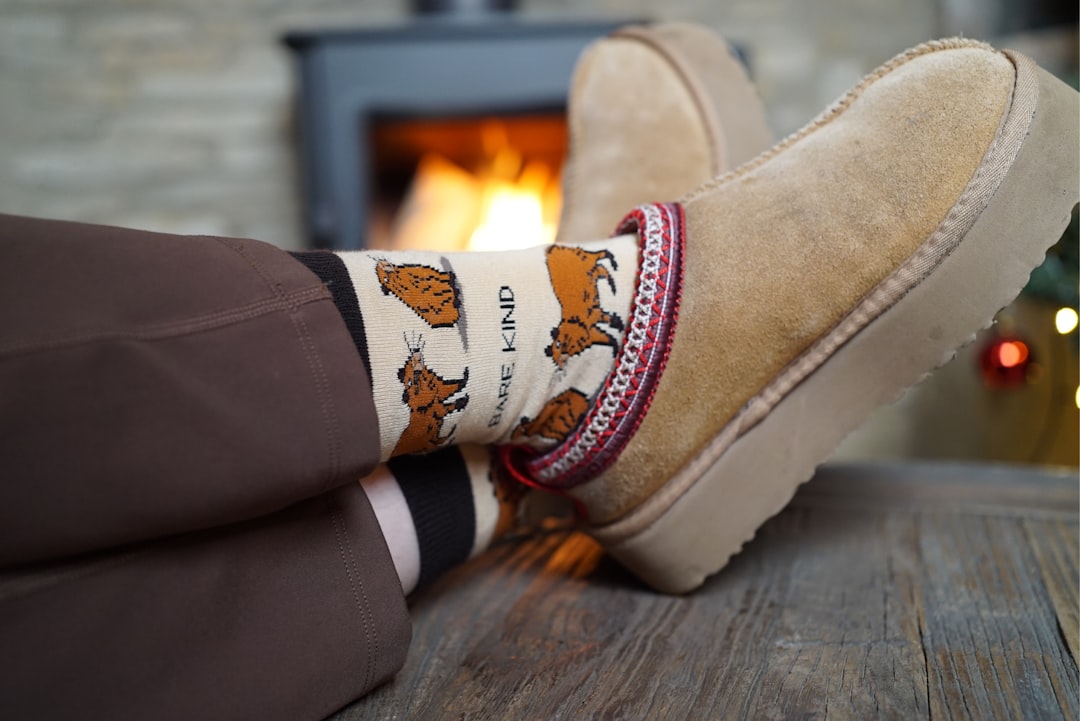
Navigating the later stages of life often brings with it a renewed focus on practicalities that enhance daily living. Among these, footwear plays a pivotal role, particularly within the confines of one’s home. Structured house shoes, often overlooked in favor of more casual slippers, represent a significant advancement in promoting comfort, stability, and overall well-being for seniors. This article delves into the features, benefits, and considerations surrounding these specialized indoor footwear options.
Unlike their unstructured counterparts, which prioritize softness and ease of wear, structured house shoes are designed with a deliberate internal architecture. Think of them as miniature houses for your feet, complete with supportive walls, a stable foundation, and a protective roof. This design philosophy aims to mitigate common foot-related issues prevalent in older adults while simultaneously offering a superior level of comfort. To learn effective strategies for fall prevention, watch this informative video.
Defining Structure in Footwear
The term “structured” in this context refers to the incorporation of specific components that provide anatomical support and maintain the shoe’s form. This goes beyond a simple padded interior. Consider the external chassis of a car versus its soft internal seating; both contribute to the experience, but the chassis provides the fundamental support and integrity.
- Rigid or Semi-Rigid Sole: A crucial element, providing a stable platform for the foot. This contrasts with flimsy soles that allow excessive foot movement.
- Defined Heel Cup: Encases the heel, preventing slippage and providing lateral stability. Imagine a stable base for a building; the heel cup serves a similar function for your foot.
- Arch Support: Integrated or removable, this feature helps maintain the natural arch of the foot, distributing pressure evenly. Without proper arch support, your foot can feel like a bridge without its central pier, susceptible to collapse under stress.
- Enclosed Toe Box: Protects the toes from bumps and scrapes, a common hazard in indoor environments.
Distinguishing Structured from Unstructured Slippers
The primary differentiator lies in the level of support and protection offered. Unstructured slippers are akin to a hammock – comfortable for a short rest, but lacking the firmness for sustained activity. Structured house shoes, conversely, are more like a well-designed chair, offering support for longer periods and during movement.
- Material Rigidity: Structured shoes often utilize firmer materials in key areas, such as the sole and heel counter.
- Foot Movement Mitigation: They actively limit excessive foot pronation (inward rolling) or supination (outward rolling).
- Durability and Longevity: The robust construction typically translates to a longer lifespan compared to flimsy slippers.
Structured house shoes for seniors are an essential consideration for enhancing comfort and safety at home. These specially designed footwear options provide the necessary support and stability that can help prevent falls and promote mobility. For more insights on how to choose the right footwear for seniors, you can read a related article on senior health at Explore Senior Health. This resource offers valuable information on various aspects of senior care, including tips for selecting appropriate shoes that cater to the unique needs of older adults.
The Multifaceted Benefits for Seniors
The advantages of structured house shoes extend beyond mere comfort, touching upon crucial aspects of health, safety, and independence. They are not simply a luxury but a proactive measure in maintaining well-being.
Enhancing Balance and Reducing Fall Risk
Falls are a significant concern for seniors, often leading to serious injuries and a decline in quality of life. Footwear directly impacts balance. Imagine trying to walk on ice with roller skates versus well-gripped boots; the latter offers a starkly superior level of stability.
- Stable Base of Support: The rigid sole provides a wider and more consistent contact patch with the floor, reducing sway.
- Improved Proprioception: The enhanced support allows for better sensory feedback from the feet to the brain, improving awareness of foot position.
- Non-Slip Outsoles: Often a key feature, these outsoles are engineered with materials and tread patterns designed to maximize grip on various indoor surfaces, such as polished wood, tile, and carpet. Consider the intricate patterns on a car tire designed for optimal road contact; non-slip outsoles employ similar principles.
Alleviating Foot Pain and Discomfort
Many seniors experience chronic foot pain due to conditions like arthritis, plantar fasciitis, bunions, or simply the natural wear and tear of aging. Structured house shoes can act as a supportive brace, helping to mitigate these issues.
- Pressure Distribution: Arch support and cushioned insoles help to evenly distribute pressure across the sole of the foot, reducing pressure points that can lead to pain.
- Reduced Strain on Joints: By providing proper alignment and support, these shoes can lessen the strain on ankle, knee, and hip joints.
- Accommodation for Orthotics: Many structured house shoes feature removable insoles, allowing users to insert custom orthotics if prescribed by a podiatrist. Think of it as a customizable internal environment perfectly tailored to your foot’s needs.
Promoting Overall Foot Health
Beyond immediate pain relief, structured house shoes contribute to the long-term health of your feet. They are an investment in the longevity and functionality of these critical appendages.
- Injury Prevention: By protecting the foot from bumps and scrapes and reducing the risk of twists or sprains, they act as a preventative shield.
- Circulation Support: While not a primary function, well-fitting, supportive footwear can indirectly contribute to better circulation by preventing constriction and promoting natural foot movement.
- Hygiene and Protection: Enclosed designs can protect feet from dust, debris, and temperature fluctuations, contributing to better foot hygiene and comfort.
Key Features to Consider When Selecting Structured House Shoes

Choosing the right pair requires careful consideration of various features. It’s not a one-size-fits-all scenario, and personal needs and preferences play a significant role. Imagine buying a custom-tailored suit; you wouldn’t pick the first one you see.
Material Selection
The materials used in structured house shoes impact comfort, breathability, durability, and even aesthetics.
- Upper Materials:
- Leather: Durable, breathable, and molds to the foot over time. However, it can be more expensive and require more care.
- Suede: Offers a softer feel and good breathability, but can be less water-resistant.
- Textile (e.g., felt, wool, synthetic blends): Often lightweight, breathable, and can offer warmth. Synthetics can be easier to clean.
- Mesh: Excellent for breathability, preventing overheating.
- Sole Materials:
- Rubber: Offers excellent grip and durability.
- EVA (Ethylene-vinyl acetate): Lightweight and provides good cushioning and shock absorption.
- Cork: Natural material that molds to the foot, offering good support and cushioning over time.
- Lining Materials:
- Fleece or Sherpa: For warmth and softness, ideal for colder climates.
- Moisture-wicking fabrics: To keep feet dry and prevent odor, especially for those prone to sweating.
Support and Cushioning Features
These are paramount for the core function of structured house shoes – providing comfort and stability.
- Arch Support Type:
- Built-in: Integrated into the sole or insole.
- Removable Insole: Allows for customization with personal orthotics.
- Mild, Moderate, or Firm: Tailored to different arch types and pronation levels.
- Cushioning Technology:
- Memory Foam: Molds to the foot for personalized comfort.
- Gel Inserts: Provides targeted cushioning and shock absorption.
- Air Pockets: Lightweight cushioning that can enhance springiness.
- Heel Counter Firmness: A firm heel counter is essential for stability, preventing the heel from rolling inwards or outwards.
Closure Mechanisms
Ease of putting on and taking off the shoes is a significant factor for many seniors, especially those with limited dexterity or mobility.
- Hook-and-Loop Fasteners (Velcro): Highly adjustable and easy to manipulate, ideal for those with arthritis or difficulty bending.
- Elastic Goring: Allows for stretch and easy entry, providing a snug fit without requiring manual adjustment.
- Slip-On Styles with Back Support: While slip-on, these styles differ from pure slippers by having a reinforced heel cup that holds the foot securely.
- Adjustable Straps: Similar to hook-and-loop, but may offer different aesthetic or securing options.
Sizing and Fit: The Unsung Heroes of Comfort

Even the most technologically advanced structured house shoe will fail in its purpose if it doesn’t fit correctly. A shoe that is too loose can cause instability, while one that is too tight can lead to pressure points and discomfort.
Measuring Your Feet Accurately
Do not assume your shoe size remains constant; foot size can change with age due to various factors. Measure your feet regularly.
- Length: Have both feet measured while standing, as feet can swell throughout the day.
- Width: Many brands offer different width options (e.g., standard, wide, extra-wide).
- Consider Foot Swelling: If your feet tend to swell, especially later in the day, consider purchasing shoes when your feet are at their largest.
The Importance of Trying Them On
Just as you wouldn’t buy a car without a test drive, you shouldn’t buy shoes without trying them on.
- Walk Around: Test them on various surfaces representative of your home (e.g., hardwood, carpet).
- Check for Pressure Points: Ensure there are no areas of rubbing or pinching.
- Toe Room: There should be about a thumb’s width of space between your longest toe and the end of the shoe.
- Heel Slippage: The heel should feel snug but not tight, with minimal slippage when walking.
When considering the best footwear options for seniors, structured house shoes can provide the necessary support and comfort for daily activities. These shoes are designed to reduce the risk of slips and falls, which is a common concern for older adults. For more insights on this topic, you can check out a related article that discusses various aspects of senior health and safety. It offers valuable information on choosing the right footwear and maintaining overall well-being. To read more, visit this article.
Maintenance and Longevity
| Feature | Description | Benefit for Seniors | Typical Metric |
|---|---|---|---|
| Arch Support | Built-in support to maintain foot arch alignment | Reduces foot pain and improves stability | Medium to high arch support rating (7-9/10) |
| Non-Slip Sole | Rubber or textured sole to prevent slipping | Enhances safety by reducing fall risk | Coefficient of friction ≥ 0.6 |
| Adjustable Fit | Velcro straps or elastic panels for easy adjustment | Accommodates swelling and varying foot sizes | Adjustability range up to 1 inch |
| Cushioning | Soft insoles with memory foam or gel padding | Provides comfort and reduces pressure points | Insole thickness: 10-15 mm |
| Lightweight Design | Materials that reduce shoe weight | Minimizes fatigue during wear | Weight per shoe: 200-300 grams |
| Easy On/Off | Wide opening and flexible materials | Facilitates independent use | Entry width: 4-5 inches |
| Breathability | Materials that allow air circulation | Prevents moisture buildup and skin irritation | Breathability rating: 7/10 |
To ensure your structured house shoes continue to provide optimal support and comfort, proper care is essential.
Cleaning and Care Instructions
Different materials require different cleaning methods. Always refer to the manufacturer’s specific instructions.
- Regular Wiping: For leather or synthetic uppers, a damp cloth can remove dust and surface grime.
- Spot Cleaning: For stains on fabric, use a mild soap and water solution, gentle brushing, and air drying.
- Avoid Submerging: Many structured house shoes are not designed to be fully submerged in water.
When to Consider Replacement
Like any product with a lifespan, structured house shoes will eventually need to be replaced. Look for tell-tale signs.
- Worn Outsoles: If the tread is significantly worn, the non-slip properties will be compromised.
- Loss of Arch Support: If the arch support feels diminished or compressed, it’s no longer performing its function.
- Collapsed Heel Counter: A soft or collapsed heel counter indicates a loss of stability.
- Persistent Odor: If odors become unmanageable even with cleaning, it may be time for a fresh pair.
In conclusion, structured house shoes represent a thoughtful and practical investment in your long-term health and safety at home. By understanding their design principles, recognizing their benefits, and carefully considering the features and fit, you can select footwear that provides a stable foundation for every step you take within your living space. They are not merely shoes; they are silent partners in maintaining your independence and comfort.
WATCH THIS 🛑 WARNING: One Fall Could Cost You $18,000 This Month
FAQs
What are structured house shoes for seniors?
Structured house shoes for seniors are footwear designed with specific features to provide support, stability, and comfort for older adults when worn indoors. They often include elements like firm soles, arch support, and easy-to-use fastenings.
Why are structured house shoes important for seniors?
Structured house shoes help reduce the risk of slips, trips, and falls by offering better grip and stability. They also provide comfort and support to aging feet, which can help alleviate pain and prevent foot problems.
What features should I look for in structured house shoes for seniors?
Key features include non-slip soles, good arch support, cushioned insoles, lightweight materials, adjustable closures (such as Velcro straps), and a roomy toe box to accommodate foot swelling or deformities.
Are structured house shoes suitable for seniors with foot conditions?
Yes, many structured house shoes are designed to accommodate common foot conditions in seniors, such as bunions, arthritis, or diabetic neuropathy. It is advisable to choose shoes with extra depth and soft, breathable materials.
Can structured house shoes help prevent falls in seniors?
Yes, by providing better traction, support, and stability, structured house shoes can significantly reduce the likelihood of falls inside the home.
How do I choose the right size for structured house shoes?
Measure the foot length and width accurately, and consider any swelling or deformities. It is often recommended to try shoes on later in the day when feet are slightly swollen to ensure a comfortable fit.
Are structured house shoes washable?
Many structured house shoes are made from materials that can be cleaned easily, either by hand washing or wiping with a damp cloth. Always check the manufacturer’s care instructions.
Where can I buy structured house shoes for seniors?
They are available at specialty footwear stores, medical supply shops, and online retailers that focus on senior or orthopedic footwear.
Can structured house shoes be worn outside?
While primarily designed for indoor use, some structured house shoes have durable soles that allow for brief outdoor use, such as stepping outside to get the mail. However, they are not intended for extensive outdoor wear.
How often should structured house shoes be replaced?
It is recommended to replace house shoes when they show signs of wear, such as worn-out soles or loss of support, typically every 6 to 12 months depending on usage.