
When it comes to managing your health, adhering to your prescribed medication regimen is crucial. Failing to take your medication as directed can lead to a host of complications, including worsening health conditions and increased risk of hospitalization. You might think that missing a dose here and there won’t make a significant difference, but even small deviations can disrupt the effectiveness of your treatment.
For instance, if you are prescribed antibiotics, not completing the full course can lead to antibiotic resistance, making future infections harder to treat. Moreover, the timing and dosage of your medication are often carefully calculated by your healthcare provider to ensure optimal results. When you deviate from this plan, you may inadvertently undermine the very purpose of the medication.
It’s essential to understand that your healthcare provider has tailored your treatment based on your unique health needs, and any changes should be discussed with them first. By taking your medication as prescribed, you are actively participating in your health journey and maximizing the potential benefits of your treatment.
Key Takeaways
- Not taking medication as prescribed can lead to ineffective treatment and potential health complications.
- Taking medication with the wrong food or drink can reduce its effectiveness or cause adverse reactions.
- Mixing medications without consulting a doctor can lead to dangerous drug interactions.
- Not keeping track of medication schedule can result in missed doses and inconsistent treatment.
- Taking medication without proper lighting can lead to dosage errors and potential harm.
- Not properly storing medication can reduce its effectiveness and pose safety risks.
- Ignoring potential side effects can lead to worsening health conditions and complications.
- Taking medication too close to bedtime can disrupt sleep and affect the medication’s absorption.
- Not seeking help for difficulty swallowing pills can lead to medication non-compliance and inadequate treatment.
- Skipping medication doses can result in uncontrolled health conditions and treatment failure.
- Not communicating with healthcare providers about nighttime medication issues can lead to inadequate treatment and potential health risks.
Taking medication with the wrong food or drink
The way you consume your medication can significantly impact its effectiveness. Certain foods and drinks can interact with medications, altering their absorption and efficacy. For example, taking a medication with grapefruit juice can lead to increased levels of the drug in your bloodstream, potentially causing harmful side effects.
On the other hand, some medications require you to take them with food to enhance absorption or reduce gastrointestinal discomfort. It’s essential to read the instructions provided with your medication carefully and consult your healthcare provider or pharmacist if you have any questions. Additionally, being mindful of what you eat or drink around the time you take your medication can help you avoid unintended consequences.
If you enjoy a particular beverage or food that is known to interact with your medications, consider discussing alternatives with your healthcare provider. They can help you find a balance that allows you to maintain your dietary preferences while ensuring that your medications work effectively.
Mixing medications without consulting a doctor

In today’s world, it’s not uncommon for individuals to be prescribed multiple medications for various health issues. While managing multiple prescriptions can be challenging, mixing medications without consulting a healthcare professional can be dangerous. Each medication has its own set of interactions and side effects, and combining them without proper guidance can lead to adverse reactions or diminished effectiveness.
You might think that since both medications are prescribed by different doctors, they are safe to take together; however, this is not always the case. Before adding any new medication to your regimen—whether it’s a prescription drug, over-the-counter medicine, or even herbal supplements—it’s vital to consult with your healthcare provider. They can review your current medications and assess potential interactions.
By doing so, you not only protect yourself from harmful side effects but also ensure that each medication works harmoniously toward improving your health.
Not keeping track of medication schedule
| Age Group | Percentage |
|---|---|
| 18-30 | 25% |
| 31-45 | 35% |
| 46-60 | 40% |
Keeping track of when and how to take your medications is essential for maintaining their effectiveness.
Not adhering to a schedule can lead to missed doses or accidental overdoses, both of which can have serious consequences for your health.
To combat this issue, consider using a pill organizer or setting reminders on your phone to help you stay on track. Additionally, maintaining a medication log can be beneficial. This log can include details such as the name of the medication, dosage, frequency, and any side effects you may experience.
By keeping a record, you not only help yourself remember when to take each medication but also provide valuable information for your healthcare provider during appointments. This proactive approach can lead to better health outcomes and a more effective treatment plan.
Taking medication without proper lighting
It may seem trivial, but the environment in which you take your medication can significantly affect how well you manage your health. Taking medication in dim lighting can lead to mistakes, such as misreading labels or accidentally taking the wrong dose. Ensuring that you have adequate lighting when taking your medications is essential for preventing errors and ensuring that you are following your prescribed regimen accurately.
Moreover, proper lighting can also help you read any accompanying instructions or warnings that come with your medications. If you find yourself often taking medications at night or in low-light conditions, consider creating a designated space in your home where you can take them safely and comfortably. This small adjustment can make a big difference in how effectively you manage your health.
Not properly storing medication
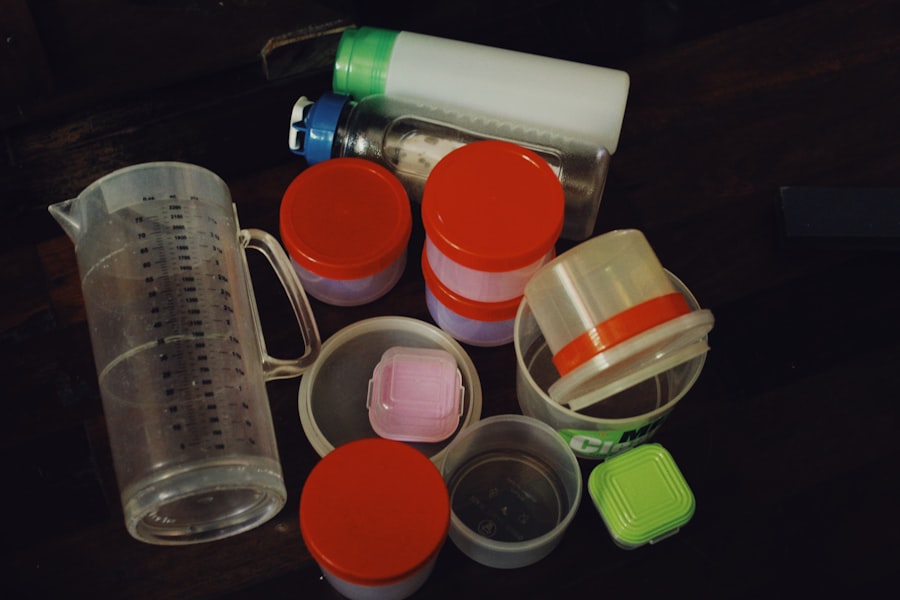
The way you store your medications plays a crucial role in their effectiveness and safety. Many people make the mistake of keeping their medications in places that are not ideal, such as bathrooms or kitchens where humidity and temperature fluctuations can occur. Medications should generally be stored in a cool, dry place away from direct sunlight.
If you’re unsure about the best storage conditions for a specific medication, consult the label or ask your pharmacist for guidance. Additionally, keeping medications out of reach of children and pets is vital for safety. Consider using child-proof containers or locking cabinets if necessary.
By taking these precautions, you not only protect the integrity of your medications but also ensure that they remain safe for everyone in your household.
Ignoring potential side effects
Every medication comes with its own set of potential side effects, and being aware of these is crucial for managing your health effectively. Ignoring side effects can lead to serious complications and may even result in discontinuing necessary treatment altogether. It’s essential to read the information provided with your medications carefully and discuss any concerns with your healthcare provider.
If you experience side effects after starting a new medication, don’t hesitate to reach out to your doctor. They may be able to adjust your dosage or suggest alternative treatments that could work better for you. By staying informed about potential side effects and communicating openly with your healthcare provider, you empower yourself to make informed decisions about your treatment plan.
Taking medication too close to bedtime
Timing can be everything when it comes to taking certain medications. Some drugs are designed to be taken at specific times of day for optimal effectiveness, while others may cause side effects that could interfere with sleep if taken too close to bedtime. For instance, stimulants or certain antidepressants may keep you awake if taken late in the evening.
If you find that some medications disrupt your sleep patterns when taken at night, consider asking about alternatives or adjusting the timing of those doses. Your healthcare provider can help you create a schedule that minimizes side effects while maximizing the benefits of each medication.
Not seeking help for difficulty swallowing pills
For many individuals, swallowing pills can be a daunting task that leads to anxiety and frustration. If you struggle with this issue, it’s important not to suffer in silence. There are various strategies and alternatives available that can make taking medication easier for you.
For instance, some medications come in liquid form or as dissolvable tablets that may be easier to swallow. Don’t hesitate to communicate this difficulty with your healthcare provider or pharmacist; they can offer solutions tailored to your needs. By addressing this challenge head-on, you ensure that you continue receiving the necessary treatment without compromising on effectiveness.
Skipping medication doses
Skipping doses may seem harmless at first glance; however, it can have significant repercussions on your health and treatment outcomes. Whether it’s due to forgetfulness or feeling better and assuming you no longer need the medication, skipping doses can lead to a resurgence of symptoms or complications related to your condition. It’s essential to understand that many medications require consistent levels in the bloodstream to work effectively.
If you find yourself frequently skipping doses, consider implementing strategies such as setting alarms or using pill organizers to help remind you when it’s time for your next dose. Additionally, if you’re struggling with adherence due to side effects or other concerns, reach out to your healthcare provider for support and guidance.
Not communicating with healthcare providers about nighttime medication issues
Open communication with healthcare providers is vital for effective treatment management, especially when it comes to nighttime medication issues. If you experience difficulties related to taking medications at night—such as insomnia caused by certain drugs or concerns about timing—don’t hesitate to bring these issues up during appointments. Your healthcare provider is there to help you navigate these challenges and may offer solutions such as adjusting dosages or changing the timing of certain medications.
By fostering an open dialogue about any concerns related to nighttime medications, you empower yourself to take control of your health journey. Remember that effective communication is key; don’t shy away from discussing any issues that may arise during treatment. Your proactive approach will ultimately lead to better health outcomes and a more tailored treatment plan that suits your lifestyle.
Medication mistakes among seniors, especially at night, can lead to serious health complications. It’s crucial for seniors and their caregivers to be aware of common errors, such as taking the wrong dosage or mixing medications that should not be combined. An article on this topic can be found on Explore Senior Health, which provides valuable insights and tips to help prevent these mistakes. For more detailed information, you can read the related article by visiting Explore Senior Health. This resource offers guidance on how to manage medications effectively and safely, ensuring better health outcomes for seniors.
WATCH THIS! The Nighttime Pill That Skyrockets Senior Stroke Risk
FAQs
What are common medication mistakes seniors make at night?
Some common medication mistakes seniors make at night include forgetting to take their medication, taking the wrong dosage, mixing up medications, and taking medications with food or drink that may interfere with their effectiveness.
Why do seniors make medication mistakes at night?
Seniors may make medication mistakes at night due to factors such as forgetfulness, confusion, poor eyesight, difficulty reading labels, and the presence of multiple medications with complex dosing schedules.
What are the potential consequences of medication mistakes for seniors?
The potential consequences of medication mistakes for seniors include adverse drug reactions, drug interactions, worsening of medical conditions, hospitalization, and even death in severe cases.
How can seniors prevent medication mistakes at night?
Seniors can prevent medication mistakes at night by organizing their medications in a pill organizer, setting reminders, keeping a medication list, asking for help from a caregiver or family member, and discussing any concerns with their healthcare provider.
What should seniors do if they realize they have made a medication mistake at night?
If seniors realize they have made a medication mistake at night, they should contact their healthcare provider or pharmacist immediately for guidance. It is important not to take any additional medication until receiving proper instructions.