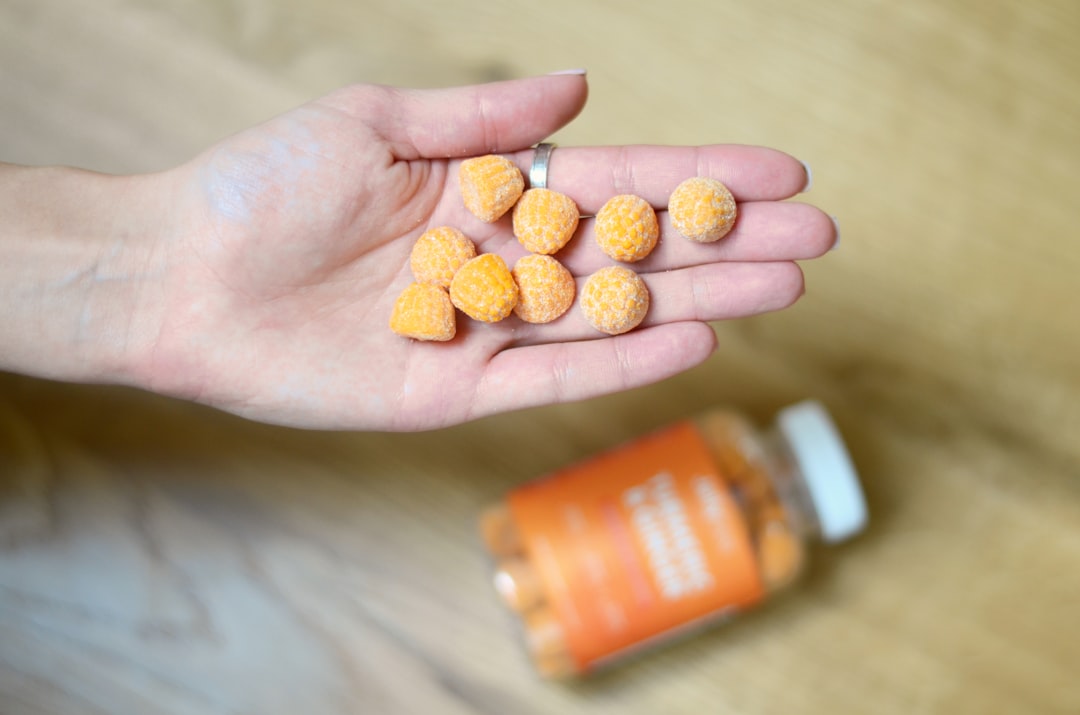
In today’s health-conscious society, the pursuit of wellness often leads you to explore various dietary supplements. While many of these products promise enhanced vitality, weight loss, or improved athletic performance, it is crucial to recognize that not all supplements are created equal. Some can pose significant risks to your liver, an organ essential for detoxification, metabolism, and overall health.
Understanding the potential dangers associated with certain supplements is vital for making informed choices about your health. The liver plays a pivotal role in processing nutrients and filtering toxins from your bloodstream. When you consume supplements that are harmful, you may inadvertently place undue stress on this vital organ.
This article aims to shed light on the types of supplements that can damage your liver, the symptoms of liver damage, and the long-term consequences of such harm. By arming yourself with knowledge, you can take proactive steps to protect your liver and overall well-being.
Key Takeaways
- Some dietary supplements can cause serious liver damage, highlighting the need for awareness and caution.
- Common liver-damaging supplements include certain weight loss, bodybuilding, and herbal products.
- Symptoms of liver damage may be subtle initially but can progress to severe health issues if untreated.
- Regulatory oversight of supplements is limited, making it important for consumers to research and choose safer alternatives.
- Seeking prompt medical attention and considering safer supplement options can help protect liver health and prevent long-term complications.
Common Liver-Damaging Supplements
Several supplements have been linked to liver damage, and it is essential for you to be aware of them. One of the most notorious culprits is acetaminophen, often found in over-the-counter pain relievers. While it is generally safe when taken as directed, excessive consumption can lead to acute liver failure.
Many people underestimate the risks associated with this common medication, especially when combined with alcohol or other substances that stress the liver. Another group of supplements that can be harmful includes those containing high doses of vitamin A or niacin. While these vitamins are essential for your health, excessive intake can lead to toxicity and liver damage.
Herbal supplements like kava and comfrey have also been implicated in liver injury. Kava, often used for its calming effects, has been linked to severe liver toxicity, while comfrey contains alkaloids that can be detrimental to liver function. Being aware of these potential dangers can help you make safer choices regarding your supplement regimen.
Symptoms of Liver Damage

Recognizing the symptoms of liver damage is crucial for early intervention and treatment. You may experience a range of signs that indicate your liver is under stress or has sustained injury. Common symptoms include fatigue, jaundice (yellowing of the skin and eyes), abdominal pain, and dark urine.
In addition to these more obvious signs, you might also experience less specific symptoms such as nausea, loss of appetite, or unexplained weight loss. These can often be mistaken for other health issues, making it even more critical for you to stay vigilant about your health.
If you have been taking supplements that could potentially harm your liver, being aware of these symptoms can help you seek medical attention before the damage becomes irreversible.
Long-Term Effects of Liver Damage
| Long-Term Effect | Description | Common Symptoms | Potential Complications | Monitoring Metrics |
|---|---|---|---|---|
| Cirrhosis | Scarring of liver tissue leading to impaired liver function | Fatigue, jaundice, abdominal swelling | Portal hypertension, liver failure, liver cancer | ALT/AST levels, liver biopsy, imaging (ultrasound, MRI) |
| Portal Hypertension | Increased blood pressure in the portal vein due to liver scarring | Ascites, variceal bleeding, splenomegaly | Esophageal varices rupture, hepatic encephalopathy | Portal vein pressure, endoscopy for varices |
| Hepatic Encephalopathy | Decline in brain function due to liver’s inability to remove toxins | Confusion, memory loss, altered consciousness | Coma, permanent brain damage | Ammonia levels, neurological assessment |
| Hepatocellular Carcinoma (Liver Cancer) | Malignant tumor arising from liver cells | Weight loss, abdominal pain, jaundice | Metastasis, liver failure | Alpha-fetoprotein (AFP) levels, imaging studies |
| Chronic Liver Failure | Progressive loss of liver function over time | Bleeding, easy bruising, edema | Multi-organ failure, death | INR/PT, bilirubin, albumin levels |
The long-term effects of liver damage can be severe and life-altering. Chronic liver injury can lead to conditions such as cirrhosis, where healthy liver tissue is replaced by scar tissue, impairing its ability to function properly. This condition can progress to liver failure, requiring a transplant or leading to life-threatening complications.
Understanding these potential outcomes emphasizes the importance of monitoring your liver health. Moreover, long-term liver damage can increase your risk of developing liver cancer. The relationship between chronic liver disease and cancer is well-established; as your liver struggles to regenerate and heal itself, the likelihood of malignant changes increases.
This underscores the need for you to be proactive about your health and consider the long-term implications of any supplements you choose to take.
Regulations and Oversight of Supplements
The regulation of dietary supplements in many countries is often less stringent than that of pharmaceuticals. In the United States, for example, the Food and Drug Administration (FDA) does not require supplements to undergo rigorous testing for safety or efficacy before they hit the market. This lack of oversight means that some products may contain harmful ingredients or misleading labels, putting your health at risk.
As a consumer, it is essential for you to be aware of this regulatory landscape. While many reputable companies produce high-quality supplements, others may prioritize profit over safety. Researching brands and reading labels carefully can help you avoid potentially harmful products.
Additionally, staying informed about recent recalls or warnings issued by health authorities can further protect you from making unsafe choices.
Ways to Protect Your Liver
Taking proactive steps to protect your liver is essential for maintaining overall health. One of the most effective ways to safeguard this vital organ is by adopting a balanced diet rich in fruits, vegetables, whole grains, and lean proteins. Foods high in antioxidants can help combat oxidative stress and support liver function.
Incorporating foods like leafy greens, berries, and nuts into your diet can provide essential nutrients that promote liver health. In addition to dietary changes, moderating alcohol consumption is crucial for protecting your liver. Excessive alcohol intake is one of the leading causes of liver disease worldwide.
If you choose to drink, doing so in moderation can significantly reduce your risk of developing alcohol-related liver issues. Regular exercise also plays a vital role in maintaining a healthy weight and reducing the risk of fatty liver disease, which can further compromise liver function.
Alternatives to Liver-Damaging Supplements
If you’re seeking alternatives to supplements that may harm your liver, consider natural options that support overall health without the associated risks. Herbal remedies like milk thistle have been studied for their potential protective effects on the liver. This herb contains silymarin, a compound believed to have antioxidant properties that may help regenerate damaged liver cells.
Additionally, focusing on whole foods rather than relying on supplements can provide you with the necessary nutrients without the risk of toxicity. For instance, incorporating foods rich in omega-3 fatty acids—such as fatty fish, flaxseeds, and walnuts—can support liver health while offering other cardiovascular benefits. By prioritizing whole foods and natural remedies over potentially harmful supplements, you can take charge of your health more effectively.
Seeking Medical Help for Liver Damage
If you suspect that you may be experiencing symptoms of liver damage or have concerns about your supplement use, seeking medical help is crucial. A healthcare professional can conduct tests to assess your liver function and determine if any damage has occurred. Early detection is key; the sooner you address potential issues, the better your chances are for recovery.
Your doctor may recommend lifestyle changes or treatments tailored to your specific situation. In some cases, discontinuing harmful supplements may be all that’s needed to allow your liver to heal. However, if significant damage has occurred, more intensive interventions may be necessary.
Being proactive about your health and seeking medical advice when needed can make a significant difference in your long-term well-being.
Case Studies of Liver Damage from Supplements
Numerous case studies highlight the dangers associated with certain dietary supplements and their potential to cause liver damage. For instance, a case involving a young athlete who took a weight-loss supplement containing high doses of green tea extract illustrates how even seemingly harmless products can have severe consequences. After several weeks of use, he developed acute liver failure requiring hospitalization and a transplant.
Another notable case involved a woman who took an herbal supplement marketed for its detoxifying properties. Unbeknownst to her, the product contained comfrey—a substance known for its hepatotoxic effects. She experienced severe abdominal pain and jaundice before being diagnosed with significant liver damage.
These cases serve as stark reminders that even popular or natural supplements can pose serious risks if not used cautiously.
Legal Ramifications of Liver-Damaging Supplements
The legal landscape surrounding dietary supplements is complex and often fraught with challenges for consumers seeking justice after experiencing harm. In many jurisdictions, proving liability against supplement manufacturers can be difficult due to the lack of stringent regulations governing their production and marketing. However, there have been instances where individuals have successfully pursued legal action against companies whose products caused significant harm.
Lawsuits related to liver damage from supplements often focus on issues such as false advertising or failure to warn consumers about potential risks associated with their products. As awareness grows regarding the dangers posed by certain supplements, there may be increased scrutiny from regulatory bodies and a push for stricter regulations in the industry. For you as a consumer, staying informed about these developments can empower you to make safer choices and advocate for better protections.
Conclusion and Final Thoughts
In conclusion, while dietary supplements can offer benefits when used responsibly, it is essential for you to remain vigilant about their potential risks—especially concerning liver health. By understanding which supplements are commonly associated with liver damage and recognizing the symptoms of harm, you can take proactive steps to protect yourself. Prioritizing a balanced diet, moderating alcohol consumption, and seeking medical advice when necessary are all critical components of maintaining optimal liver function.
As you navigate the world of dietary supplements, remember that knowledge is power; being informed will enable you to make choices that support your health rather than jeopardize it. Ultimately, safeguarding your liver is an investment in your overall well-being—one that pays dividends for years to come.
Recent studies have highlighted the potential risks associated with certain dietary supplements, particularly their impact on liver health. For more information on this topic, you can read the article on liver damage caused by supplements at Explore Senior Health. It’s essential to stay informed about the supplements you take, as some may pose significant health risks.
FAQs
What are supplements that can cause liver damage?
Supplements that can cause liver damage are dietary or herbal products containing ingredients that may be toxic to the liver. These can include certain weight loss supplements, bodybuilding products, and herbal remedies that contain compounds harmful to liver cells.
How do supplements cause liver damage?
Supplements can cause liver damage through toxic effects on liver cells, allergic reactions, or by causing inflammation. Some ingredients may lead to liver enzyme elevation, liver inflammation, or even acute liver failure in severe cases.
Which ingredients in supplements are commonly linked to liver damage?
Ingredients such as green tea extract (in high doses), kava, comfrey, chaparral, and certain anabolic steroids found in bodybuilding supplements have been associated with liver toxicity.
What are the symptoms of liver damage caused by supplements?
Symptoms may include jaundice (yellowing of the skin and eyes), fatigue, nausea, abdominal pain, dark urine, and elevated liver enzymes detected through blood tests.
How can I reduce the risk of liver damage from supplements?
To reduce risk, use supplements from reputable sources, avoid high doses, do not combine multiple supplements without medical advice, and consult a healthcare professional before starting any new supplement, especially if you have pre-existing liver conditions.
Can liver damage from supplements be reversed?
In many cases, liver damage caused by supplements is reversible if the offending supplement is discontinued early. However, severe damage may lead to chronic liver disease or failure, requiring medical intervention.
Are all herbal supplements safe for the liver?
No, not all herbal supplements are safe. Some herbs can be hepatotoxic, especially when taken in large amounts or combined with other medications. Always research and consult healthcare providers before using herbal supplements.
Should I inform my doctor about supplement use?
Yes, it is important to inform your healthcare provider about all supplements you are taking to monitor for potential liver toxicity and avoid harmful interactions with medications.
Is liver damage from supplements common?
While not extremely common, liver damage from supplements is a recognized and growing concern due to increased supplement use. Cases of supplement-induced liver injury have been reported worldwide.
What should I do if I suspect liver damage from a supplement?
If you experience symptoms of liver damage or suspect a supplement is causing harm, stop taking the supplement immediately and seek medical evaluation for proper diagnosis and treatment.