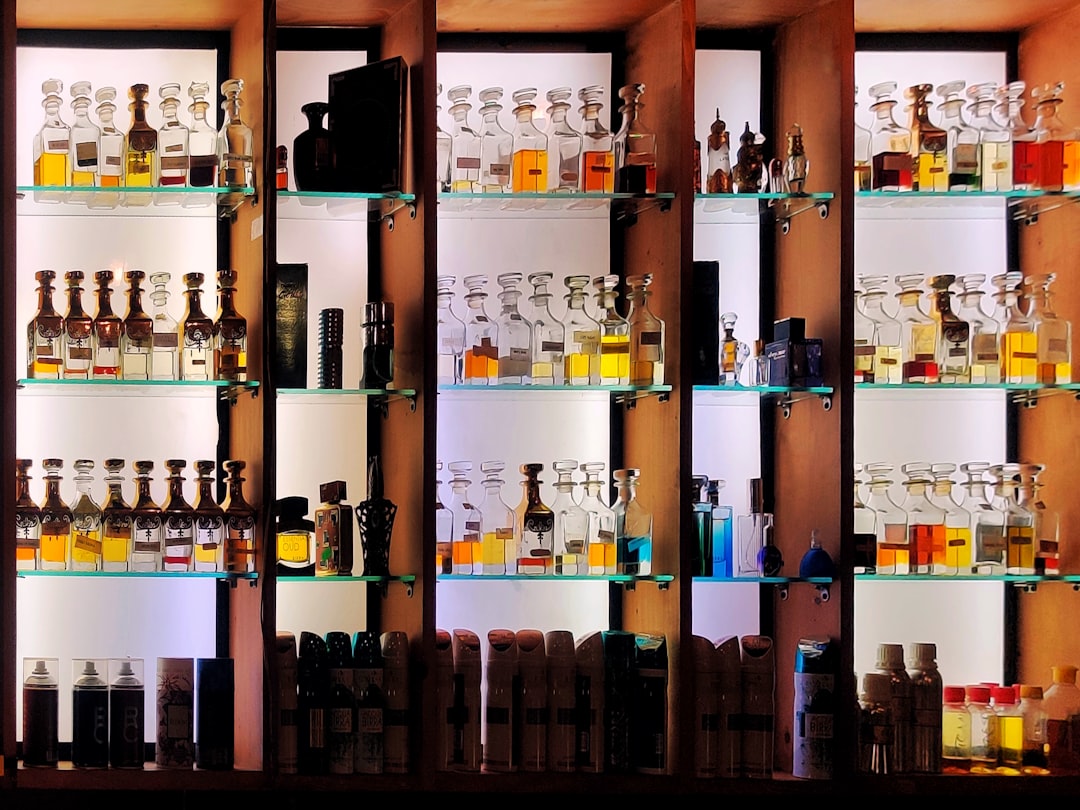
When you encounter an unpleasant smell, your immediate reaction is often to eliminate it. However, the science behind masking odors is a fascinating interplay of chemistry and human perception. Odors are detected by olfactory receptors in your nose, which send signals to your brain, allowing you to identify and react to various scents.
Masking odors involves introducing a new fragrance that can either overpower or blend with the unwanted smell, effectively altering your perception of it. This process relies on the principle of olfactory fatigue, where your nose becomes desensitized to certain smells over time, allowing the masking fragrance to take precedence. The effectiveness of masking odors can vary based on several factors, including the strength of the original odor and the potency of the masking fragrance.
For instance, a strong, pungent smell like that of rotten food may require a more robust fragrance to effectively mask it. Additionally, the chemical composition of both the odor and the fragrance plays a crucial role in how well they interact. Some fragrances may neutralize certain compounds in unpleasant odors, while others simply provide a more pleasant scent that distracts you from the original smell.
Understanding these dynamics can help you make informed choices when selecting a masking fragrance.
Key Takeaways
- Masking fragrances work by covering unpleasant odors with more pleasant scents rather than eliminating the source.
- Different types of masking fragrances include floral, citrus, herbal, and synthetic options tailored to various odor challenges.
- Choosing the right masking fragrance depends on the setting, personal preference, and the type of odor to be masked.
- Combining masking fragrances with other odor-eliminating methods enhances overall effectiveness.
- While masking fragrances can be helpful, they may have environmental impacts and potential drawbacks like allergic reactions.
Understanding the Role of Masking Fragrances
Masking fragrances serve as a bridge between unpleasant odors and a more pleasant olfactory experience. They are designed to cover up or neutralize unwanted smells, creating an environment that feels fresher and more inviting. You might find these fragrances in various products, from air fresheners and candles to cleaning supplies and personal care items.
The primary goal is to create a sensory experience that is more enjoyable, allowing you to focus on the positive aspects of your surroundings rather than being distracted by unpleasant scents. In many cases, masking fragrances can also evoke specific emotions or memories. For example, the scent of lavender may remind you of a peaceful garden, while citrus fragrances can energize and uplift your mood.
This emotional connection can enhance your overall experience in a space, making it feel more comfortable and welcoming. By understanding the role of masking fragrances, you can harness their power to create an atmosphere that aligns with your preferences and needs.
Different Types of Masking Fragrances
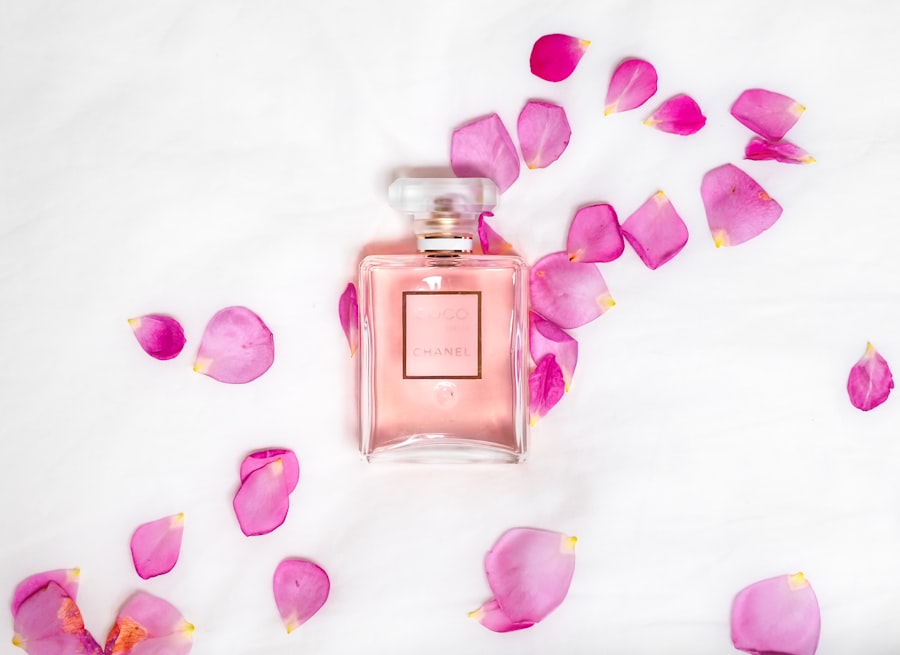
There is a wide array of masking fragrances available, each with its unique characteristics and applications. You may encounter floral scents like rose or jasmine, which are often used in personal care products and home fragrances for their soothing qualities.
Earthy fragrances like sandalwood or cedarwood can create a warm and cozy atmosphere, perfect for living spaces. In addition to these traditional categories, there are also synthetic fragrances designed specifically for masking odors. These can include complex blends that combine multiple scent profiles to create a more robust masking effect.
For instance, some air fresheners may contain a combination of floral and fruity notes to effectively cover up pet odors or cooking smells. Understanding the different types of masking fragrances available allows you to choose one that not only masks unwanted odors but also complements your personal taste and the ambiance you wish to create.
How to Choose the Right Masking Fragrance
Selecting the right masking fragrance can significantly impact your experience in any given space. To make an informed choice, consider the specific odors you want to mask and the environment in which you’ll be using the fragrance. For example, if you’re dealing with strong cooking smells in your kitchen, you might opt for a citrus-based fragrance that can cut through grease and food odors effectively.
On the other hand, if you’re looking to create a calming atmosphere in your bedroom, a lavender or chamomile scent may be more appropriate. Another important factor to consider is the intensity of the fragrance. Some spaces may benefit from a subtle scent that lingers in the background, while others may require a more potent fragrance to combat strong odors.
You should also take into account any sensitivities or allergies you or your guests may have. Opting for natural or hypoallergenic fragrances can help ensure that everyone feels comfortable in your space. By carefully considering these factors, you can choose a masking fragrance that not only effectively covers unwanted odors but also enhances your overall environment.
Using Masking Fragrances in Different Settings
| Metric | Description | Typical Value/Range | Unit |
|---|---|---|---|
| Fragrance Concentration | Percentage of masking fragrance in the odor neutralizer formulation | 0.5 – 5 | % w/w |
| Effectiveness Duration | Time the masking fragrance effectively covers odors | 2 – 8 | hours |
| Volatility | Rate at which the fragrance evaporates | Medium to High | Qualitative |
| Odor Reduction Efficiency | Percentage reduction in perceived odor intensity | 60 – 90 | % |
| pH Range | Optimal pH range for fragrance stability | 5.0 – 7.5 | pH units |
| Application Method | Common methods used to apply the masking fragrance | Spray, Gel, Candle | Qualitative |
| Allergen Content | Presence of common fragrance allergens | Varies by formulation | Qualitative |
| Compatibility | Compatibility with other cleaning agents or neutralizers | Good to Moderate | Qualitative |
The application of masking fragrances can vary significantly depending on the setting in which they are used. In residential spaces, you might use air fresheners or scented candles to create a pleasant atmosphere in living rooms or bedrooms. In kitchens, essential oil diffusers with citrus or herbal scents can help neutralize cooking odors while adding a touch of freshness to the air.
Bathrooms often benefit from floral or clean scents that promote a sense of cleanliness and relaxation. In commercial settings, such as offices or retail spaces, masking fragrances can play a crucial role in shaping customer experiences. A well-chosen scent can enhance brand identity and create a welcoming environment for clients and employees alike.
For instance, using fresh linen or ocean breeze fragrances in an office can promote productivity and focus, while warm vanilla or sandalwood scents in retail spaces can encourage customers to linger longer. Understanding how to effectively use masking fragrances in different settings allows you to tailor your approach based on specific needs and desired outcomes.
Tips for Effectively Eliminating Odors with Masking Fragrance

To maximize the effectiveness of masking fragrances in eliminating odors, there are several strategies you can employ. First and foremost, ensure that you identify the source of the odor and address it directly whenever possible. While masking fragrances can provide temporary relief, they are not a substitute for proper cleaning and maintenance.
For example, if you’re dealing with pet odors, regular grooming and cleaning of pet areas will help reduce the need for heavy masking. Additionally, consider layering your approach by combining different types of masking fragrances. For instance, using an air freshener alongside scented candles or essential oil diffusers can create a more complex scent profile that effectively masks unwanted odors.
You might also experiment with different application methods—spraying an air freshener directly into the air versus using it on surfaces can yield different results. By being strategic about how you use masking fragrances, you can enhance their effectiveness in creating a pleasant environment.
Potential Drawbacks of Masking Odors
While masking fragrances can be incredibly useful in creating pleasant environments, there are potential drawbacks to consider as well.
If you consistently mask odors without addressing their sources, you may find that they persist or even worsen over time.
This can create an unhealthy living environment and lead to dissatisfaction with your space. Another drawback is that some individuals may have sensitivities or allergies to certain fragrances. Strong scents can trigger headaches or respiratory issues for some people, making it essential to choose products carefully and consider alternatives when necessary.
Additionally, synthetic fragrances may contain chemicals that could be harmful to both human health and the environment. Being aware of these potential drawbacks allows you to make informed decisions about how and when to use masking fragrances effectively.
Combining Masking Fragrances with Other Odor-Eliminating Techniques
To achieve optimal results in odor elimination, consider combining masking fragrances with other odor-eliminating techniques. One effective method is using activated charcoal or baking soda alongside your chosen fragrance. These natural substances are known for their ability to absorb odors rather than just mask them, providing a more comprehensive solution to unpleasant smells.
Another approach is incorporating ventilation into your strategy. Opening windows or using exhaust fans can help circulate fresh air while allowing unwanted odors to dissipate more quickly. When combined with masking fragrances, this technique creates an environment where pleasant scents can thrive without being overwhelmed by lingering odors.
By integrating multiple strategies into your odor management plan, you can create a fresher and more inviting space.
DIY Masking Fragrance Recipes
Creating your own DIY masking fragrances can be both fun and rewarding. Not only do you have control over the ingredients used, but you can also customize scents to suit your preferences perfectly. One simple recipe involves combining essential oils with water in a spray bottle—try mixing lavender oil with distilled water for a calming room spray or lemon oil with water for an invigorating citrus scent.
Another option is making scented sachets filled with dried herbs and flowers. You could use lavender buds mixed with dried rose petals for a soothing aroma or dried citrus peels combined with rosemary for a refreshing blend. Placing these sachets in drawers or closets not only masks odors but also leaves behind a delightful scent that lingers over time.
By experimenting with different combinations of natural ingredients, you can create unique masking fragrances tailored specifically to your taste.
The Environmental Impact of Masking Fragrances
As you explore the world of masking fragrances, it’s essential to consider their environmental impact as well. Many commercial products contain synthetic chemicals that may not only affect indoor air quality but also contribute to pollution when they enter waterways through improper disposal methods. Opting for natural or eco-friendly alternatives can help mitigate these concerns while still providing effective odor-masking solutions.
Additionally, being mindful of packaging waste associated with fragrance products is crucial for reducing your environmental footprint. Choosing bulk options or reusable containers can minimize waste while allowing you to enjoy your favorite scents without contributing excessively to landfills. By prioritizing sustainability in your choices regarding masking fragrances, you can enjoy pleasant aromas while also caring for the planet.
The Power of Masking Fragrances in Eliminating Odors
In conclusion, masking fragrances hold significant power when it comes to creating pleasant environments by effectively eliminating unwanted odors. By understanding the science behind how these fragrances work and exploring various types available on the market today, you can make informed choices tailored specifically to your needs and preferences. Whether you’re looking for ways to enhance your home atmosphere or improve customer experiences in commercial settings, harnessing the potential of masking fragrances allows you to transform any space into one that feels fresh and inviting.
However, it’s essential not only to rely solely on these products but also incorporate proper cleaning techniques alongside them for optimal results—addressing sources directly ensures long-term success in maintaining an odor-free environment! With careful consideration regarding environmental impacts as well as potential sensitivities among individuals using these products; embracing both creativity through DIY recipes while prioritizing sustainability will lead towards achieving delightful olfactory experiences without compromising health or nature’s well-being!
For those interested in understanding how odor neutralizers work and the effectiveness of masking fragrances, a related article can be found on Explore Senior Health. This resource provides valuable insights into various odor control methods and their applications in everyday life. You can read more about it by visiting Explore Senior Health.
WATCH THIS! 🫁 The Household “Fresh Scent” That Is Quietly Destroying Your Lungs and Memory
FAQs
What is an odor neutralizer?
An odor neutralizer is a product designed to eliminate or reduce unpleasant smells by chemically neutralizing odor-causing molecules rather than simply covering them up.
How does an odor neutralizer differ from a masking fragrance?
An odor neutralizer works by breaking down or neutralizing odor molecules, effectively removing the source of the smell. A masking fragrance, on the other hand, covers up odors by adding a stronger scent on top, which may not eliminate the original odor.
Are odor neutralizers safe to use around pets and children?
Many odor neutralizers are formulated to be safe for use around pets and children, but it is important to check the product label and follow the manufacturer’s safety instructions to ensure proper use.
Can odor neutralizers be used on all surfaces?
Not all odor neutralizers are suitable for every surface. Some may be designed for fabrics, carpets, or air, while others may be safe for hard surfaces. Always read the product instructions to determine appropriate usage.
Do masking fragrances eliminate odors completely?
No, masking fragrances do not eliminate odors; they only cover or mask unpleasant smells with a stronger scent. This means the original odor may still be present and noticeable once the masking fragrance fades.
What are common ingredients in odor neutralizers?
Common ingredients in odor neutralizers include activated charcoal, enzymes, baking soda, and chemical compounds like cyclodextrins or zinc ricinoleate, which work to neutralize or absorb odor molecules.
Can odor neutralizers be used in the air as well as on surfaces?
Yes, many odor neutralizers are designed for use both in the air and on surfaces. Some come in spray form for direct application, while others are available as air fresheners or gels that continuously neutralize odors.
How long do the effects of an odor neutralizer last?
The duration of effectiveness varies depending on the product, the environment, and the source of the odor. Some odor neutralizers provide temporary relief, while others offer longer-lasting odor control.
Is it better to use an odor neutralizer or a masking fragrance for strong odors?
For strong or persistent odors, using an odor neutralizer is generally more effective because it targets and eliminates the odor source. Masking fragrances may only temporarily cover the smell without addressing the cause.
Can odor neutralizers be combined with masking fragrances?
Yes, some products combine odor neutralizing agents with pleasant fragrances to both eliminate odors and leave a fresh scent behind. This dual approach can enhance overall odor control.