Navigating Your Health and Wellness: A Comprehensive Guide for Seniors
As you move through life, your priorities shift, and maintaining your health and well-being takes on a new significance. You’ve accumulated a wealth of life experience, and now is the time to harness that wisdom to actively manage and enhance your health. This article serves as your guide, offering practical information and actionable strategies to empower you in your pursuit of a vibrant and fulfilling later life. We’ll delve into various aspects of health and wellness, providing you with the knowledge to make informed decisions and proactive choices.
Your body undergoes natural changes as you age, and understanding these changes is the first step toward effective health management. It’s not about succumbing to aging, but rather about adapting, learning, and thriving within these new realities.
Age-Related Physiological Changes
As you age, a number of physiological shifts occur. These include a decline in muscle mass and bone density, which can increase the risk of falls and fractures. Your metabolism may slow down, impacting weight management. Sensory perceptions, such as vision and hearing, can diminish, requiring adjustments in daily life. Cardiovascular health can also be affected, with a higher likelihood of conditions like hypertension and heart disease. Understanding these common changes allows you to anticipate potential challenges and implement preventative measures. Recognizing that these are natural processes, not necessarily indicators of disease, can alleviate anxiety and encourage proactive management.
Nutritional Needs for a Healthy Lifestyle
Your dietary requirements evolve as you age. Focusing on nutrient-dense foods becomes even more crucial to support your body’s functions and combat age-related deficiencies.
Macronutrient balance: Proteins, Carbohyrates, and Fats
Protein remains vital for muscle maintenance and repair, which is especially important given the natural decline in muscle mass. Aim for lean protein sources like fish, poultry, beans, and tofu. Carbohydrates should primarily come from whole grains, fruits, and vegetables, providing energy and essential fiber. Healthy fats, found in avocados, nuts, and olive oil, are important for brain function and hormone production. Limiting saturated and trans fats is advisable.
Micronutrients: Vitamins and Minerals
As nutrient absorption can change with age, ensuring adequate intake of key vitamins and minerals is essential. Vitamin D, crucial for bone health and immune function, is often deficient. Calcium is also vital for maintaining bone density. B vitamins, particularly B12, play a significant role in nerve function and red blood cell formation. Iron is important for energy levels and preventing anemia. It’s beneficial to discuss your dietary intake with a healthcare professional to identify any potential deficiencies and whether supplements are warranted. Food sources are always preferable, so focus on a varied and balanced diet rich in fruits, vegetables, and whole grains.
Hydration: The Unsung Hero
Dehydration can be a common problem for seniors, often overlooked. Thirst signals can become less acute with age. Maintaining adequate fluid intake is critical for optimal kidney function, digestion, and preventing constipation. Water is the best choice, but other fluids like herbal teas and low-sugar juices can contribute to your daily intake. Be mindful of your fluid consumption, especially during warmer weather or increased physical activity.
For those interested in enhancing their understanding of senior health and wellness education, a valuable resource can be found in the article titled “Promoting Healthy Aging: Strategies for Seniors.” This article provides insights into effective practices and programs that can help seniors maintain their health and well-being as they age. To read more about this topic, visit the article at Explore Senior Health.
Proactive Health Management: Prevention and Early Detection
The best approach to managing your health is through proactive measures. This involves regular check-ups, screenings, and adopting healthy habits to prevent or detect potential issues early.
The Importance of Regular Medical Check-ups
Scheduled visits to your primary care physician are non-negotiable. These appointments are opportunities to discuss any new symptoms, review existing health conditions, and update vaccinations. Your doctor can monitor your vital signs, conduct physical examinations, and identify potential health concerns before they become serious. Don’t hesitate to ask questions; your doctor is there to provide information and guidance. Building a strong, trusting relationship with your healthcare provider is a cornerstone of your health management strategy.
Understanding and Participating in Screenings
Various health screenings are recommended for seniors to detect conditions early, when they are often most treatable. This includes screenings for:
Cardiovascular Health Screenings
These may include blood pressure checks, cholesterol tests, and electrocardiograms (ECGs) to assess the health of your heart and blood vessels. Early detection of conditions like hypertension or high cholesterol can significantly reduce the risk of heart attack and stroke.
Cancer Screenings
Depending on your age, gender, and family history, screenings for various cancers, such as colon, breast, prostate, and lung cancer, are crucial. Mammograms, colonoscopies, and PSA tests are examples of such screenings. Early detection of cancer dramatically improves treatment outcomes and survival rates.
Bone Density Scans
Osteoporosis affects many seniors, particularly women. Bone density scans (DEXA scans) can identify low bone mass and help prevent debilitating fractures.
Vision and Hearing Screenings
Regular checks of your vision and hearing are vital for your safety and quality of life. Impaired vision can increase the risk of falls, while hearing loss can lead to social isolation and cognitive decline.
Advocating for Your Health Information
Empowering yourself means actively participating in your healthcare decisions. Don’t be afraid to ask for clarification, express your concerns, and understand the reasons behind any recommended treatments. Keep a record of your health history, medications, and allergies. This information is invaluable for your healthcare providers and will help ensure you receive the best possible care.
The Role of Physical Activity in Senior Wellness
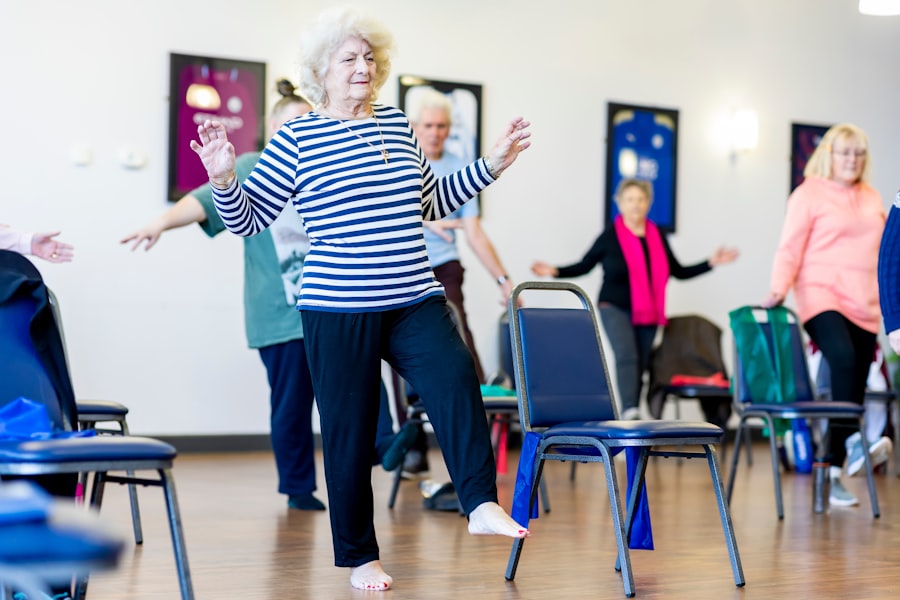
Engaging in regular physical activity is one of the most impactful ways to maintain your physical and mental health as you age. It’s not about achieving athletic prowess, but about consistent movement that supports your body’s functions.
Benefits of Regular Exercise
Beyond weight management, regular exercise offers a multitude of benefits tailored for seniors:
Improved Cardiovascular Health
Physical activity strengthens your heart and lungs, improving blood circulation and reducing the risk of heart disease and stroke.
Enhanced Musculoskeletal Strength and Balance
Weight-bearing exercises and resistance training help maintain muscle mass and bone density, reducing the risk of falls and improving mobility. Activities that challenge your balance, like Tai Chi or yoga, are particularly beneficial.
Boosted Cognitive Function
Exercise can improve blood flow to the brain, supporting cognitive function, memory, and reducing the risk of age-related cognitive decline.
Better Mood and Mental Well-being
Physical activity releases endorphins, which have mood-boosting effects, helping to alleviate symptoms of depression and anxiety.
Types of Suitable Exercises
You don’t need to engage in strenuous workouts to reap the benefits of exercise. A balanced routine can include:
Aerobic Exercises
Walking, swimming, cycling, and dancing are excellent choices for improving cardiovascular health. Aim for at least 150 minutes of moderate-intensity aerobic activity per week.
Strength Training
Using light weights, resistance bands, or even your own body weight for exercises like squats, lunges, and bicep curls can build and maintain muscle mass. Start slowly and gradually increase intensity.
Flexibility and Balance Exercises
Yoga, Tai Chi, and simple stretching routines can improve your range of motion and reduce the risk of falls.
Getting Started Safely
Before embarking on any new exercise program, it is crucial to consult with your doctor. They can assess your current fitness level and advise on appropriate activities and any precautions you may need to take. Start gradually, listen to your body, and don’t push yourself too hard, especially in the beginning. Proper form is more important than the amount of weight or intensity.
Mental and Emotional Well-being: A Critical Component
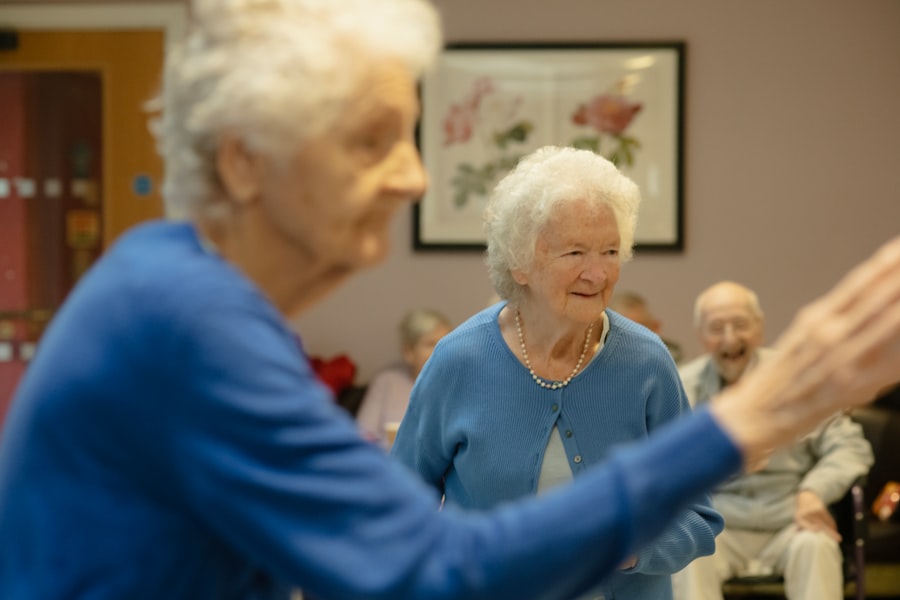
Your mental and emotional health are just as important as your physical health. Focusing on these aspects contributes to a more fulfilling and resilient life.
Strategies for Maintaining Cognitive Health
Keeping your brain active is essential. Engaging in mentally stimulating activities can help maintain cognitive function and potentially delay or prevent cognitive decline.
Lifelong Learning
Pursuing new hobbies, learning a new language, playing brain games, or reading regularly can all contribute to cognitive health. The key is to challenge your brain with novel experiences.
Social Engagement
Maintaining strong social connections is a powerful antidote to isolation and can stimulate cognitive function. Spending time with friends and family, joining clubs, or volunteering are excellent ways to stay connected.
Stress Management Techniques
Chronic stress can negatively impact both physical and mental health. Learning and practicing stress management techniques such as deep breathing exercises, meditation, or mindfulness can be highly beneficial.
Addressing Loneliness and Isolation
Loneliness can be a significant issue for seniors, impacting their mental and physical health. Actively seeking out social opportunities and remaining connected is vital.
Building and Nurturing Social Networks
Make an effort to stay in touch with friends and family. Consider joining community groups, senior centers, or participating in volunteer activities to meet new people and foster connections.
The Role of Technology
Technology can be a valuable tool for staying connected. Video calls, social media, and online communities can help bridge geographical distances and facilitate communication.
The Importance of Emotional Self-Care
Prioritizing your emotional well-being involves recognizing and addressing your feelings, practicing self-compassion, and seeking support when needed.
Recognizing and Expressing Emotions
Allow yourself to feel and express your emotions in healthy ways. Journaling, talking to a trusted friend, or seeking professional support can be helpful.
Practicing Gratitude and Mindfulness
Focusing on the positive aspects of your life and practicing mindfulness can enhance your sense of well-being and peace.
Seeking Professional Support
If you are experiencing persistent feelings of sadness, anxiety, or overwhelm, do not hesitate to seek professional help from a therapist or counselor. Mental health is health, and support is available.
In the realm of senior health and wellness education, understanding the importance of nutrition is crucial for maintaining a healthy lifestyle. A related article that delves into this topic can be found at Explore Senior Health, where various strategies and tips are provided to help seniors make informed dietary choices. This resource emphasizes how proper nutrition can significantly enhance overall well-being and quality of life for older adults.
Navigating Healthcare and Support Systems
| Topic | Metrics |
|---|---|
| Attendance | Number of seniors attending educational sessions |
| Engagement | Level of participation and interaction during sessions |
| Knowledge retention | Percentage of seniors retaining information from education programs |
| Health outcomes | Improvement in health indicators after participating in education programs |
Understanding how to access and utilize healthcare services and support systems is crucial for effective health management.
Understanding Your Healthcare Options
Familiarizing yourself with the healthcare system, including your insurance coverage and available medical services, will empower you to make informed decisions.
Medicare and Other Insurance
Understand your Medicare benefits or any other health insurance you may have. Knowing what is covered, what requires out-of-pocket payment, and how to navigate claims is essential.
Finding a Primary Care Physician
Choosing a primary care physician you trust and feel comfortable with is a fundamental step in your healthcare journey. They can serve as your first point of contact for most health concerns.
Specialists and Referrals
Learn when and how to seek referrals to specialists. Your primary care physician can guide you on which specialists to consult for specific conditions.
Accessing Community Resources and Support Services
Beyond medical professionals, a wealth of community resources and support services are available to assist seniors.
Senior Centers and Community Programs
Many communities offer senior centers that provide social activities, educational programs, and health and wellness resources. These can be excellent places to connect with others.
Home Health Services and In-Home Support
If you require assistance with daily living activities, home health services or in-home support can provide valuable aid, allowing you to maintain your independence.
Transportation Services
For those who have difficulty driving, understanding available transportation services can ensure you can still attend appointments and engage in community activities.
The Role of Family and Friends as Support
The support of loved ones is invaluable in your health and wellness journey. Open communication and a strong support network can make a significant difference.
Open Communication with Loved Ones
Share your health concerns and needs with your family and friends. Their understanding and support can be crucial.
Collaborative Decision-Making
When appropriate, involve your trusted loved ones in healthcare decisions. Their perspectives can be beneficial, and they can offer practical assistance.
By taking an active and informed approach to your health and wellness, you can continue to lead a vibrant, engaged, and fulfilling life. This guide provides a framework for understanding your needs and accessing the resources available to empower you on your journey. Remember, it’s never too late to prioritize your well-being.
FAQs
What is senior health and wellness education?
Senior health and wellness education refers to programs and resources designed to promote the physical, mental, and emotional well-being of older adults. These programs often focus on topics such as nutrition, exercise, disease prevention, and mental health.
Why is senior health and wellness education important?
Senior health and wellness education is important because it helps older adults maintain their independence, improve their quality of life, and reduce their risk of chronic diseases. It also provides them with the knowledge and skills to make informed decisions about their health.
What are some common topics covered in senior health and wellness education programs?
Common topics covered in senior health and wellness education programs include healthy eating, physical activity, fall prevention, medication management, stress management, and social engagement. These programs may also address specific health concerns such as diabetes, heart disease, and arthritis.
Where can seniors access health and wellness education programs?
Seniors can access health and wellness education programs through community centers, senior centers, hospitals, clinics, and online resources. Many organizations offer free or low-cost programs specifically tailored to the needs of older adults.
How can seniors benefit from participating in health and wellness education programs?
Seniors can benefit from participating in health and wellness education programs by improving their physical fitness, reducing their risk of chronic diseases, enhancing their mental well-being, and connecting with others in their community. These programs can also provide valuable resources and support for managing age-related health challenges.