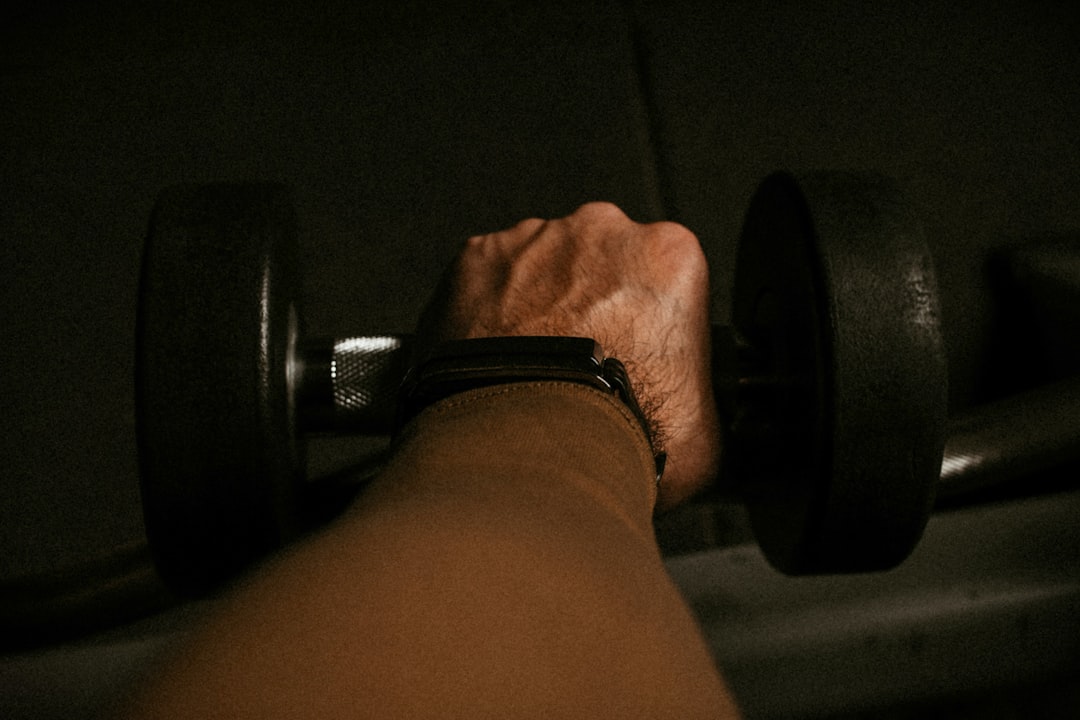
Imagine the simple acts you perform daily: turning a doorknob, carrying groceries, opening a jar, or even holding a loved one’s hand. These seemingly mundane tasks are underpinned by a crucial, often overlooked, physical attribute: grip strength. Your grip is the handshake between you and the world, a fundamental element that grants you agency and autonomy. As you navigate life, maintaining and enhancing this vital strength is not about Herculean feats; it is about safeguarding your independence, ensuring you can continue to engage with your environment and perform the activities that define your daily existence. Weakening grip strength can be a subtle thief, gradually encroaching upon your ability to perform everyday actions, diminishing your confidence, and potentially leading to a cascade of reliance on others. This article will serve as your guide, illuminating the significance of grip strength for independent living and providing a practical roadmap for its enhancement.
The Foundation of Autonomy: Why Grip Strength Matters
Your grip is more than just the ability to clench your fist. It is a complex interplay of muscles in your forearm and hand, tendons transmitting force, and nerves coordinating the action. The strength and dexterity derived from this system are fundamental to a wide array of activities that form the bedrock of independent living. Consider your morning routine: unwrapping a towel, brushing your teeth, pouring a cup of coffee, holding a spoon. Each of these actions requires a certain level of grip. As grip strength declines, these simple tasks can become arduous, frustrating, and eventually, impossible without assistance.
The Everyday Challenges of Weakened Grip
The ramifications of diminished grip strength extend far beyond the obvious. You might find yourself struggling to unscrew a bottle cap, a seemingly minor inconvenience that can, over time, chip away at your sense of self-sufficiency. Opening doors, especially those with stiff handles, can become a source of anxiety. The simple act of carrying a grocery bag might morph into a painful ordeal, leading to reduced shopping trips and a more restricted diet. Even manipulating common household objects, like scissors or a pen, can present unexpected difficulties.
Improving grip strength is essential for maintaining independence in daily activities, especially as we age. A related article that explores various exercises and techniques to enhance grip strength can be found at this link: Explore Senior Health. This resource provides valuable insights into how strengthening your grip can lead to better overall functionality and quality of life.
Age-Related Decline and Grip Strength
As the years accumulate, it is natural for various physiological systems in your body to undergo changes. Grip strength is not exempt from this process. Muscle mass naturally decreases with age, a phenomenon known as sarcopenia, and this directly impacts your ability to generate force. Furthermore, changes in neural pathways and a potential reduction in physical activity can exacerbate this decline. However, it is crucial to understand that this age-related weakening is not an immutable destiny. With targeted effort, you can not only mitigate but also reverse this trend, reclaiming lost function and preserving your independence.
Sarcopenia: The Silent Weaver of Muscle Loss
Sarcopenia, the age-related loss of skeletal muscle mass, strength, and function, is a significant contributor to declining grip strength. As muscle fibers shrink and their numbers diminish, the capacity of your hands and forearms to generate force is reduced. This process is insidious, often occurring gradually, so you might not notice its full impact until a significant functional deficit has already emerged.
The Sedentary Spiral: Inactivity’s Grip
A sedentary lifestyle acts as a potent accelerant for muscle weakening, including grip strength. When you do not regularly engage your muscles, they atrophy. This creates a vicious cycle: reduced grip strength makes activities more difficult, which can lead to further inactivity, further weakening. Breaking this cycle is paramount for maintaining functional independence.
Benefits of Enhanced Grip Strength for Independent Living
The advantages of a robust grip extend far beyond the ability to open jars. A strong grip is a powerful enabler of a fulfilling and independent life. It bolsters your confidence, reduces the risk of injuries, and allows you to continue participating actively in your hobbies and social life.
Sharpening Your Everyday Abilities
The most immediate and tangible benefit of enhanced grip strength is the ease with which you can perform daily tasks. Imagine the satisfaction of effortlessly turning a key, confidently holding a mug of hot beverage, or securely grasping a tool for a home repair. This regained ease translates directly into greater autonomy and less reliance on others for assistance.
Reducing the Risk of Falls and Injuries
Your grip serves as a crucial stabilizing factor in preventing falls. When you stumble or lose your balance, a strong grip can allow you to catch yourself or grasp a stable object, potentially averting a serious injury. Furthermore, improved grip strength can reduce the likelihood of dropping objects, thereby minimizing the risk of damage to property and personal injury from falling items.
Fostering Social Engagement and Hobbies
Many hobbies and social activities require a degree of manual dexterity and strength. Whether it is knitting, gardening, playing a musical instrument, or even a simple game of cards, a strong grip allows you to continue engaging in these pursuits that bring joy and connection to your life. Being able to participate fully enriches your social life and contributes to your overall well-being.
Practical Strategies for Enhancing Grip Strength
Fortunately, enhancing grip strength is an achievable goal for most individuals. A multi-faceted approach that combines targeted exercises, lifestyle adjustments, and an understanding of your body’s needs will yield the best results. Consistency is your most valuable ally on this journey.
Targeted Hand and Forearm Exercises
The most direct way to build grip strength is through specific exercises designed to engage the muscles responsible for grasping. These exercises can be performed at home with minimal equipment, making them accessible and convenient. Remember to listen to your body and progress gradually, avoiding overexertion.
Squeezing Exercises
- Stress Balls or Hand Grippers: These are fundamental tools for grip enhancement. Squeeze the ball or gripper as hard as you can for a few seconds, then release. Aim for sets of 10-15 repetitions, performing multiple sets for each hand. You can vary the resistance of stress balls or hand grippers to continually challenge your muscles.
- Therapy Putty: Similar to stress balls, therapy putty offers a versatile way to build grip strength. You can roll it, pinch it, spread it, and squeeze it. Experiment with different movements to target various muscle groups.
Finger and Thumb Exercises
- Finger Extension Exercises: After squeezing, it is important to work the opposing muscles. You can achieve this by spreading your fingers apart against the resistance of a rubber band looped around your fingertips.
- Thumb Opposition: The ability to bring your thumb to meet your fingertips is crucial for many fine motor tasks. Practice touching each fingertip with your thumb, holding for a moment at each contact.
- Pinch Strengthening: You can use small objects like coins or clothes pins to strengthen your pinch grip, the ability to hold objects between your thumb and fingers.
Wrist and Forearm Strengthening
- Wrist Curls (Flexion and Extension): Using a light dumbbell or even a can of soup, rest your forearm on your thigh with your palm facing up. Curl the weight up towards your shoulder, then lower it back down. Repeat with your palm facing down for wrist extensions.
- Reverse Wrist Curls: This exercise targets the extensors of the forearm. With your palm facing down, perform the same curling motion as with wrist curls.
Compound Grip Exercises
- Towel Wringing: A simple yet effective exercise. Grasp a thick towel and twist it forcefully, as if trying to wring out water. Hold the twist for a few seconds before releasing. This engages multiple grip muscles simultaneously.
- Farmer’s Walk: If you have access to weights, carrying dumbbells or kettlebells in each hand for a set distance or duration is an excellent full-body exercise that heavily engages grip strength to maintain a secure hold.
Incorporating Grip-Enhancing Activities into Daily Life
Beyond structured exercises, you can weave activities that naturally strengthen your grip into your daily routine. These “functional fitness” approaches make improvements feel less like a chore and more like an integrated part of your lifestyle.
Household Chores with a Grasp
- Gardening: Digging, weeding, and handling tools all require significant grip strength.
- Cooking: Stirring thick batters, kneading dough, and opening packages use your hands and forearms.
- Cleaning: Scrubbing surfaces, wringing out cloths, and carrying cleaning supplies all provide beneficial resistance.
Leisure Activities that Build Strength
- Playing certain musical instruments: Instruments like guitars or pianos require sustained finger strength and dexterity.
- Art and Crafts: Working with clay, knitting, or even using certain types of tools for woodworking can be grip-strengthening.
The Importance of Nutrition and Hydration
Your muscles are the engines of your grip, and like any engine, they require the right fuel and maintenance to operate at peak performance. Adequate nutrition and hydration play a vital role in muscle health and recovery.
Protein for Muscle Repair
Protein is the building block of muscle tissue. Ensuring you consume sufficient protein throughout the day supports muscle repair and growth, which is essential for increasing grip strength. Good sources include lean meats, fish, eggs, dairy products, legumes, and nuts.
Hydration for Muscle Function
Water is crucial for all bodily functions, including muscle activity. Dehydration can lead to fatigue and reduced muscle performance, hindering your grip strength efforts. Aim to drink adequate water throughout the day, especially before, during, and after exercise.
Rest and Recovery: The Unseen Pillars
Just as crucial as the exercises themselves is allowing your muscles adequate time to recover and rebuild. Pushing too hard without allowing for rest can lead to injury and stagnation in your progress.
Listen to Your Body’s Signals
Pain is your body’s way of telling you something is wrong. If you experience sharp or persistent pain during or after an exercise, stop and rest. Do not try to “power through” pain, as this can lead to more serious injuries.
The Role of Sleep
Sleep is when your body undertakes its most significant repair and regeneration processes. Aim for 7-9 hours of quality sleep per night to allow your muscles to recover and strengthen.
Improving grip strength is essential for maintaining independence in daily activities, and a helpful resource on this topic can be found in a related article. Engaging in specific exercises can significantly enhance your grip, making tasks like opening jars or holding utensils easier. For more insights and tips on how to strengthen your grip for better independent living, you can read the article at Explore Senior Health.
When to Seek Professional Guidance
While many can safely embark on a grip-strengthening program independently, there are instances where professional advice is not only beneficial but also essential. Recognizing these situations will ensure you are progressing safely and effectively.
Consulting with Healthcare Professionals
- Physicians: If you have underlying health conditions, such as arthritis, carpal tunnel syndrome, or a history of hand or wrist injuries, it is imperative to consult with your doctor before starting any new exercise program. They can assess your suitability and provide personalized recommendations.
- Physical Therapists: A physical therapist is an expert in rehabilitation and can design a tailored grip-strengthening program based on your specific needs and limitations. They can also identify any imbalances or improper movement patterns that could hinder your progress or lead to injury.
The Educator’s Role in Physical Therapy
A physical therapist acts as your personal guide, meticulously assessing your current grip strength and functional capabilities. They then construct a curriculum of exercises, much like a teacher building a lesson plan, to systematically enhance your strength. They monitor your progress, making adjustments as needed, ensuring you are not only building power but also ensuring the exercises are safe and effective for your unique anatomy and any pre-existing conditions. Their expertise is invaluable in preventing setbacks and optimizing your journey toward greater independence.
Conclusion: Your Strong Grip, Your Independent Future
Your grip strength is a fundamental pillar of your independence. It is the quiet power that allows you to navigate the world on your own terms, to engage with your surroundings, and to maintain your autonomy. By understanding its significance and actively implementing targeted strategies for enhancement, you are investing in a future where everyday tasks remain effortless, where your confidence remains high, and where your ability to live life fully remains uncompromised. Embrace the power within your hands; it is a potent tool for a truly independent life.
FAQs
What is grip strength and why is it important for independent living?
Grip strength refers to the force applied by the hand to grasp or hold objects. It is crucial for independent living because it affects the ability to perform daily tasks such as opening jars, carrying groceries, and using tools safely and effectively.
What are some common exercises to improve grip strength?
Common exercises to improve grip strength include squeezing a stress ball, using hand grippers, performing wrist curls with weights, doing farmer’s walks while holding heavy objects, and practicing finger stretches and pinches.
How often should grip strength exercises be performed for noticeable improvement?
Grip strength exercises should generally be performed 2 to 3 times per week, allowing rest days in between for muscle recovery. Consistency over several weeks or months is key to seeing noticeable improvements.
Can improving grip strength help prevent injuries?
Yes, improving grip strength can help prevent injuries by enhancing hand and forearm muscle endurance and stability. Stronger grip muscles reduce the risk of strains, sprains, and falls, especially in older adults.
Are there any tools or devices recommended for enhancing grip strength at home?
Yes, several tools can aid in grip strength training at home, including hand grippers, therapy putty, rubber bands for finger extensions, grip strengtheners, and weighted objects like dumbbells or water bottles. These tools are convenient and effective for regular practice.