
When you think about sleep, you might not immediately consider the role that scent plays in the quality of your rest. However, research has shown that our olfactory system—the part of our brain responsible for processing smells—can significantly influence our sleep patterns. The science behind this phenomenon lies in the way certain scents interact with our brain chemistry.
For instance, pleasant aromas can trigger the release of neurotransmitters like serotonin and dopamine, which are known to promote relaxation and a sense of well-being. This biochemical response can help you drift off to sleep more easily and enjoy a deeper, more restorative slumber. Moreover, the connection between scent and memory is profound.
Certain smells can evoke memories or feelings that may either calm or stimulate you. For example, the scent of lavender is often associated with tranquility and relaxation, making it a popular choice for those seeking to enhance their sleep quality. By understanding how different scents affect your mood and mental state, you can make informed choices about which scented products to incorporate into your nighttime routine.
This knowledge empowers you to create an environment conducive to restful sleep, allowing you to wake up feeling refreshed and rejuvenated.
Key Takeaways
- Scented products can influence sleep quality by affecting brain activity related to relaxation and micro arousals.
- Micro arousals disrupt sleep continuity and scented products may help reduce their frequency and impact.
- Choosing calming scents like lavender or chamomile enhances the effectiveness of scented products in promoting restful sleep.
- Incorporating scented products into a consistent bedtime routine helps create a relaxing environment conducive to better sleep.
- Aromatherapy with natural scented products offers a stress-reducing, non-pharmaceutical alternative to improve sleep quality.
Understanding Micro Arousals and Their Impact on Sleep
Micro arousals are brief awakenings that occur during the sleep cycle, often lasting only a few seconds. While you may not always be aware of these interruptions, they can significantly impact the overall quality of your sleep. These disturbances can prevent you from reaching deeper stages of sleep, which are essential for physical restoration and cognitive function.
Understanding micro arousals is crucial because they can be triggered by various factors, including stress, noise, and even uncomfortable sleeping environments. The impact of micro arousals on your sleep can be profound. You might find yourself waking up feeling groggy or unrested, even after a full night’s sleep.
This phenomenon can lead to a cycle of fatigue and irritability that affects your daily life. By recognizing the signs of micro arousals and their potential causes, you can take proactive steps to minimize their occurrence. This awareness is the first step toward improving your sleep quality and overall well-being.
The Role of Scented Products in Managing Micro Arousals
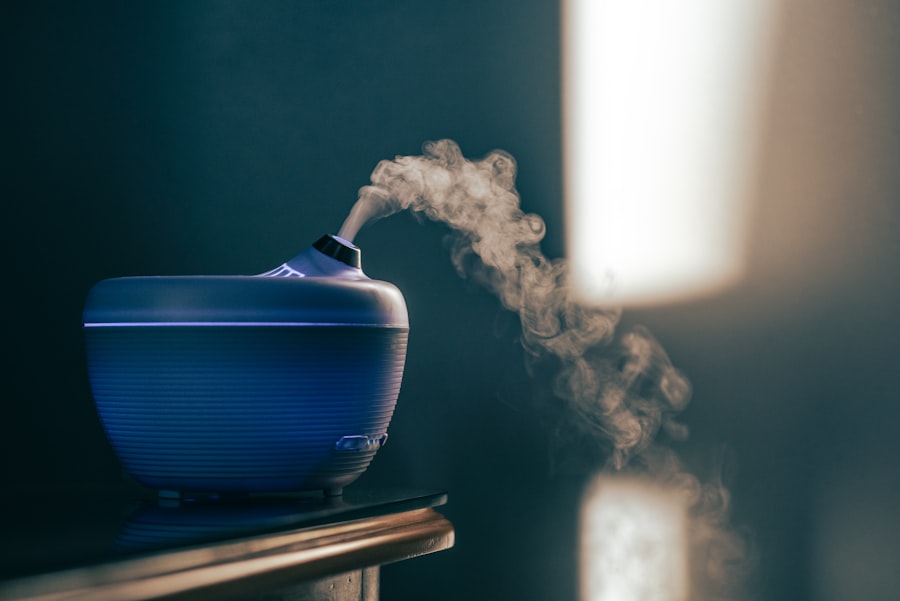
Scented products can play a pivotal role in managing micro arousals and enhancing your overall sleep experience. By incorporating calming scents into your bedtime routine, you can create an environment that promotes relaxation and minimizes disturbances during the night. For instance, using essential oils like chamomile or sandalwood in a diffuser can help create a soothing atmosphere that encourages deeper sleep.
These scents have been shown to reduce anxiety levels and promote a sense of calm, making it easier for you to stay asleep throughout the night. Additionally, scented products can serve as a form of sensory conditioning. Over time, your brain can learn to associate specific scents with relaxation and sleep.
This means that by consistently using certain fragrances before bedtime, you may find it easier to fall asleep and stay asleep. The power of scent is not to be underestimated; it can act as a gentle cue for your body to unwind and prepare for rest, ultimately reducing the frequency of micro arousals.
Choosing the Right Scented Products for Better Sleep
Selecting the right scented products is essential for maximizing their benefits on your sleep quality. Not all scents are created equal; some may invigorate you rather than promote relaxation. When choosing scented products, consider opting for those that have been scientifically linked to improved sleep quality.
Lavender is a classic choice known for its calming properties, while bergamot and ylang-ylang are also excellent options for creating a serene atmosphere. You might also want to explore various forms of scented products, such as essential oils, candles, or pillow sprays. Each type has its unique advantages; for example, essential oils can be easily blended to create custom scents tailored to your preferences.
On the other hand, candles provide a warm glow that can enhance the ambiance of your bedroom while releasing soothing fragrances into the air. By experimenting with different products and scents, you can discover what works best for you in promoting restful sleep.
Incorporating Scented Products into Your Bedtime Routine
| Product Name | Scent Type | Effect on Micro Arousals | Study Duration | Sample Size | Reported Improvement (%) |
|---|---|---|---|---|---|
| Lavender Sleep Mist | Lavender | Reduced frequency of micro arousals | 4 weeks | 50 | 30% |
| Chamomile Pillow Spray | Chamomile | Decreased micro arousal duration | 3 weeks | 40 | 25% |
| Jasmine Essential Oil Diffuser | Jasmine | Lowered micro arousal count per night | 2 weeks | 35 | 20% |
| Sandalwood Aromatherapy Candle | Sandalwood | Improved sleep continuity, fewer micro arousals | 5 weeks | 45 | 28% |
| Rosemary Sleep Balm | Rosemary | Minimal effect on micro arousals | 3 weeks | 30 | 5% |
Integrating scented products into your bedtime routine can be a transformative experience that enhances your overall sleep quality. Start by establishing a consistent pre-sleep ritual that includes the use of your chosen scents. For instance, you might begin by dimming the lights in your bedroom and lighting a calming candle or using an essential oil diffuser filled with your favorite relaxing fragrance.
This sensory experience signals to your body that it’s time to wind down. Additionally, consider incorporating scented products into other aspects of your bedtime routine. You could use a lavender-infused body lotion after your evening shower or spritz your pillow with a calming spray before settling in for the night.
These small yet meaningful actions can create a multi-sensory experience that prepares both your mind and body for restful sleep. By making scented products an integral part of your nightly ritual, you’ll likely find it easier to transition into a state of relaxation.
Creating a Relaxing Sleep Environment with Scented Products

Your sleep environment plays a crucial role in determining how well you rest each night. By creating a relaxing atmosphere infused with soothing scents, you can significantly enhance your sleep quality. Start by decluttering your bedroom and ensuring it’s conducive to relaxation; a clean space can help clear your mind as well.
Once you’ve established a calming environment, introduce scented products that resonate with tranquility. Consider using an essential oil diffuser or placing scented sachets around your room to create an inviting aroma that lingers in the air. You might also want to invest in bedding infused with calming scents or use pillowcases treated with lavender oil for added relaxation benefits.
The goal is to create an immersive experience where every element—from the lighting to the scent—works harmoniously to promote restful sleep.
Scented Products and Their Effect on Stress and Anxiety
Stress and anxiety are common culprits that disrupt sleep quality, making it essential to find effective ways to manage these feelings before bedtime. Scented products have been shown to have a positive impact on reducing stress levels and promoting relaxation. For instance, studies have indicated that inhaling certain aromas can lower cortisol levels—the hormone associated with stress—thereby creating a more peaceful state of mind.
Incorporating calming scents into your evening routine can help signal to your body that it’s time to unwind from the day’s stresses. Whether it’s through aromatherapy or simply enjoying the fragrance of a soothing candle, these sensory experiences can provide comfort during times of anxiety. By consciously choosing scents that promote relaxation, you empower yourself to create a more tranquil environment conducive to restful sleep.
Exploring Different Types of Scented Products for Sleep Enhancement
There is an array of scented products available that can enhance your sleep experience in various ways. Essential oils are among the most popular choices due to their versatility; they can be used in diffusers, added to bathwater, or applied topically when diluted with carrier oils. Lavender oil is often hailed as one of the best options for promoting relaxation and improving sleep quality.
Candles are another excellent choice for creating a calming atmosphere in your bedroom. Opt for natural wax candles infused with essential oils rather than synthetic fragrances, as they tend to produce cleaner burns and more authentic scents.
Using Aromatherapy to Improve Sleep Quality
Aromatherapy is an effective method for enhancing sleep quality through the use of essential oils and other fragrant substances. By harnessing the power of scent, you can create an environment that promotes relaxation and encourages deeper sleep cycles. To get started with aromatherapy, consider investing in an essential oil diffuser that allows you to disperse calming fragrances throughout your bedroom.
You might also want to explore specific essential oils known for their sleep-enhancing properties. Oils like chamomile, cedarwood, and frankincense are often recommended for their ability to soothe the mind and body. Experimenting with different combinations can help you discover what works best for you; creating personalized blends tailored to your preferences can make the aromatherapy experience even more enjoyable.
Scented Products as a Natural Alternative for Sleep Aid
In today’s fast-paced world, many people are turning toward natural alternatives for managing sleep issues rather than relying solely on over-the-counter medications or prescription drugs. Scented products offer a holistic approach to improving sleep quality without the potential side effects associated with pharmaceutical options. By incorporating calming scents into your nightly routine, you may find yourself experiencing fewer disturbances during the night.
Natural alternatives like scented products not only promote better sleep but also contribute positively to overall well-being. They allow you to take control of your sleep environment while fostering relaxation through sensory experiences. As you explore these options, remember that consistency is key; making scented products a regular part of your bedtime ritual will yield the best results over time.
Tips for Maximizing the Benefits of Scented Products for Better Sleep
To truly maximize the benefits of scented products for better sleep, consider implementing several practical tips into your routine.
This conditioning will help signal to your body when it’s time to wind down.
Additionally, pay attention to how different scents affect your mood and sleep quality; keep track of which fragrances work best for you through journaling or simply reflecting on your experiences each morning. Finally, don’t hesitate to experiment with various forms of scented products—whether it’s essential oils, candles, or pillow sprays—to find what resonates most with you personally. By taking these steps, you’ll be well on your way to creating an optimal sleeping environment enhanced by the power of scent.
Micro arousals, which are brief awakenings during sleep, can significantly impact overall sleep quality and health. Recent studies have suggested that scented products, such as essential oils and aromatherapy, may help mitigate these disturbances by promoting relaxation and improving sleep hygiene. For more insights on how various factors affect sleep, you can read a related article on senior health at Explore Senior Health.
WATCH THIS! 🫁 The Household “Fresh Scent” That Is Quietly Destroying Your Lungs and Memory
FAQs
What are micro arousals?
Micro arousals are brief awakenings or shifts to lighter stages of sleep that typically last only a few seconds. They often go unnoticed but can disrupt the overall quality of sleep.
How do scented products influence micro arousals?
Certain scented products, such as essential oils or aromatherapy sprays, can impact sleep by either promoting relaxation or causing mild stimulation. Some scents may reduce the frequency of micro arousals by creating a calming environment, while others might increase alertness and disrupt sleep.
Which scents are commonly used to reduce micro arousals?
Lavender, chamomile, and sandalwood are popular scents known for their calming properties. These fragrances are often used in scented products to help improve sleep quality and reduce micro arousals.
Are scented products safe to use during sleep?
Most scented products designed for sleep, such as essential oil diffusers or pillow sprays, are generally safe when used as directed. However, individuals with allergies, asthma, or sensitivities should exercise caution and consult a healthcare professional if unsure.
Can scented products replace other sleep aids?
Scented products can complement good sleep hygiene but are not a substitute for medical treatment or other sleep aids prescribed by a healthcare provider. They are best used as part of a holistic approach to improving sleep quality.
How should scented products be used to minimize micro arousals?
Using a diffuser with a few drops of calming essential oils or lightly spraying a pillow with a sleep-promoting scent before bedtime can help. It is important to use these products in a well-ventilated room and avoid overuse to prevent irritation.
Is there scientific evidence supporting the use of scented products for reducing micro arousals?
Some studies suggest that certain scents like lavender can improve sleep quality and reduce awakenings, including micro arousals. However, more research is needed to fully understand the mechanisms and effectiveness of scented products in sleep improvement.