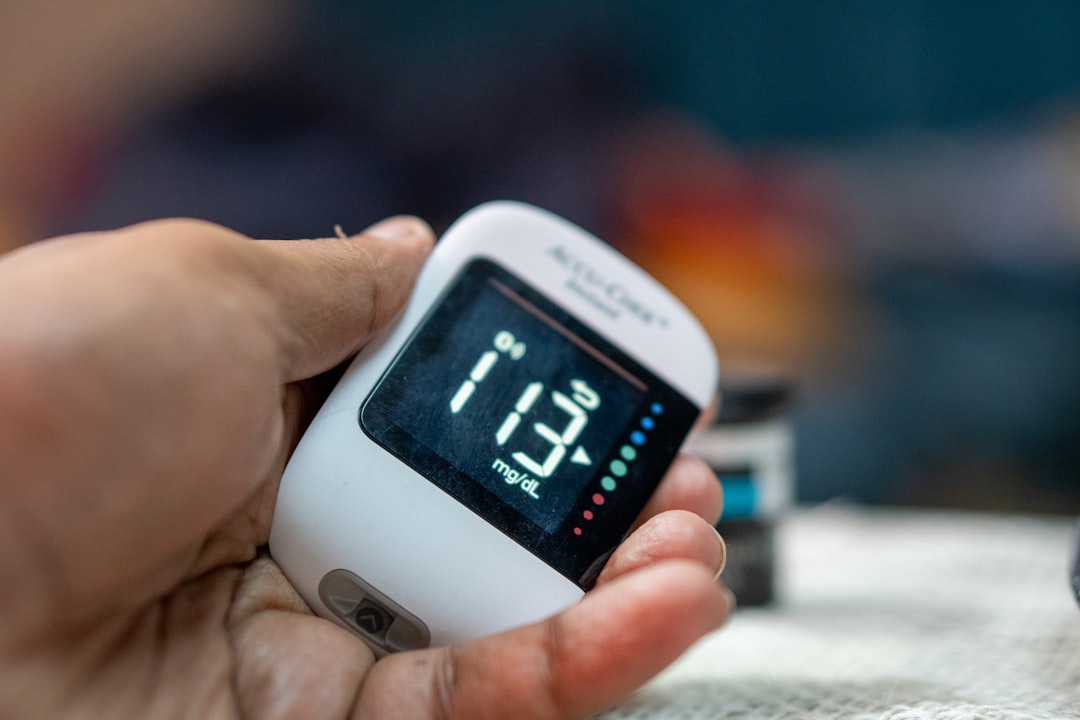
Blood pressure measurement serves as a fundamental diagnostic tool in cardiovascular health assessment. Blood pressure represents the force exerted by circulating blood against arterial walls during cardiac cycles. Regular monitoring provides healthcare professionals and patients with essential data regarding cardiovascular function and enables early detection of hypertensive conditions.
Hypertension affects approximately 45% of adults and constitutes a primary risk factor for cardiovascular disease, cerebrovascular accidents, and chronic kidney disease. Untreated elevated blood pressure can result in arterial damage, left ventricular hypertrophy, and end-organ complications. Systematic blood pressure monitoring facilitates timely intervention and reduces the risk of these adverse outcomes.
Precise blood pressure measurements inform clinical decision-making regarding pharmacological interventions and lifestyle modifications. Consistently elevated readings may indicate the need for antihypertensive therapy, while unexpectedly low values may warrant medication adjustment or investigation of underlying causes. Standardized measurement protocols ensure reliable data collection, supporting evidence-based treatment strategies and optimal patient outcomes through coordinated care between patients and healthcare providers.
Key Takeaways
- Accurate blood pressure readings are crucial for effective health management.
- Selecting the correct monitor and placing the cuff properly ensures reliable measurements.
- Resting before measurement and avoiding caffeine or nicotine improves reading accuracy.
- Taking multiple readings and keeping a record helps track blood pressure trends.
- Regular calibration and professional guidance prevent errors and support better health outcomes.
Choosing the Right Blood Pressure Monitor
Selecting the right blood pressure monitor is essential for obtaining reliable readings. With various types available on the market, it’s important to choose one that suits your needs and preferences. Automatic digital monitors are popular due to their ease of use and ability to store multiple readings.
If you prefer a more traditional approach, manual monitors may be suitable, but they require a certain level of skill to operate accurately. When choosing a monitor, consider factors such as size, display readability, and whether it has features like irregular heartbeat detection. Additionally, ensure that the monitor you select is validated for accuracy.
Look for devices that have been tested and approved by reputable organizations or medical associations. Reading reviews and seeking recommendations from healthcare professionals can also guide you in making an informed choice. Remember that investing in a quality blood pressure monitor is an investment in your health, as it will provide you with the reliable data necessary for effective monitoring.
Proper Placement of the Blood Pressure Cuff
The placement of the blood pressure cuff plays a significant role in obtaining accurate readings. To ensure precision, position the cuff on your upper arm, approximately one inch above the elbow crease. The cuff should fit snugly but not too tight; you should be able to slide a finger underneath it comfortably.
If the cuff is too loose or too tight, it can lead to erroneous readings that may misrepresent your actual blood pressure. Furthermore, it’s essential to keep your arm at heart level during the measurement. This means resting your arm on a flat surface or using a cushion to elevate it if necessary.
Maintaining this position helps eliminate any discrepancies caused by gravity, which can affect the accuracy of the reading. By paying attention to cuff placement and arm positioning, you can significantly enhance the reliability of your blood pressure measurements.
Ensuring a Rested and Relaxed State
Before taking your blood pressure, it’s vital to ensure that you are in a rested and relaxed state. Stress and anxiety can cause temporary spikes in blood pressure, leading to misleading readings. To achieve a calm state, take a few moments to sit quietly and breathe deeply before measuring.
Engaging in relaxation techniques such as meditation or gentle stretching can also help lower stress levels. Additionally, consider the time of day when you take your readings. Blood pressure can fluctuate throughout the day due to various factors such as activity levels and meals.
By creating a peaceful environment and establishing a routine, you can improve the accuracy of your readings and gain a clearer picture of your cardiovascular health.
Avoiding Caffeine and Nicotine Before Measurement
| Metric | Value/Range | Notes |
|---|---|---|
| Accuracy Range | ±3 mmHg | Recommended by AAMI and BHS standards for home use |
| Validation Protocols | ISO 81060-2, AAMI/ANSI SP10 | Standards used to test cuff accuracy |
| Measurement Method | Oscillometric | Most common for home blood pressure monitors |
| Cuff Size Range | Small: 17-22 cm, Medium: 22-32 cm, Large: 32-42 cm | Proper cuff size critical for accuracy |
| Device Calibration Frequency | Every 1-2 years | Recommended to maintain accuracy |
| Typical Measurement Error | 1-5 mmHg | Depends on device quality and user technique |
| Impact of User Error | Up to ±10 mmHg | Incorrect cuff placement or movement can affect readings |
| Recommended Measurement Conditions | Seated, arm at heart level, rested for 5 minutes | Ensures consistent and accurate readings |
Caffeine and nicotine are stimulants that can temporarily elevate your blood pressure. To ensure accurate readings, it’s advisable to avoid these substances for at least 30 minutes before taking your measurement. Caffeine can be found in coffee, tea, energy drinks, and certain medications, while nicotine is present in tobacco products.
Both can lead to short-term increases in heart rate and blood pressure, potentially skewing your results. If you’re a regular consumer of caffeine or nicotine, consider how these habits may impact your blood pressure monitoring routine. By being mindful of when you consume these substances, you can create a more accurate baseline for your readings.
This practice not only enhances the reliability of your measurements but also encourages healthier lifestyle choices that contribute to better overall health.
Taking Multiple Readings for Accuracy
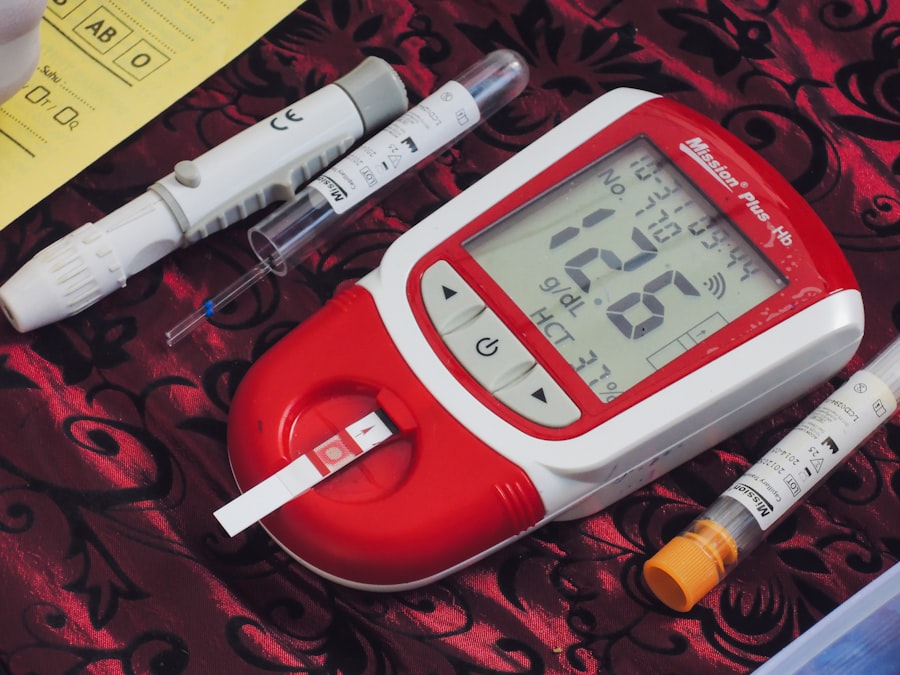
To obtain the most accurate assessment of your blood pressure, it’s beneficial to take multiple readings during each session. Blood pressure can vary from moment to moment due to various factors such as stress or physical activity. By measuring your blood pressure two or three times in succession and averaging the results, you can achieve a more reliable representation of your true blood pressure levels.
When taking multiple readings, allow yourself a minute or two between each measurement to relax and reset. This pause helps minimize any residual effects from the previous reading and provides a clearer picture of your cardiovascular status. By adopting this practice, you not only enhance accuracy but also develop a deeper understanding of how your body responds to different situations throughout the day.
Keeping a Record of Readings
Maintaining a record of your blood pressure readings is an essential aspect of effective monitoring. By documenting each measurement along with relevant details such as date, time, and any factors that may have influenced the reading (like stress levels or recent activities), you create a comprehensive overview of your blood pressure trends over time. This information can be invaluable for both you and your healthcare provider when assessing your cardiovascular health.
Consider using a dedicated notebook or digital app designed for tracking health metrics. Many modern blood pressure monitors come with built-in memory features that allow you to store readings directly on the device or sync them with an app on your smartphone. Regularly reviewing these records can help you identify patterns or triggers that affect your blood pressure, empowering you to make informed decisions about lifestyle changes or treatment options.
Regular Calibration of the Blood Pressure Monitor
To ensure ongoing accuracy in your blood pressure measurements, regular calibration of your monitor is essential. Over time, devices can drift out of alignment due to wear and tear or environmental factors. Most manufacturers recommend calibrating your monitor at least once a year or more frequently if you notice discrepancies in readings compared to those taken at a healthcare facility.
Calibration typically involves comparing your device’s readings against those from a standard reference device used by healthcare professionals. If discrepancies are found, adjustments may be necessary to restore accuracy. Some monitors come with built-in calibration features or instructions for manual calibration; however, if you’re unsure how to proceed, consult the user manual or reach out to customer support for guidance.
Seeking Professional Guidance and Verification
While home monitoring is an excellent tool for managing blood pressure, seeking professional guidance is equally important. Regular check-ups with your healthcare provider allow for verification of your home readings and provide an opportunity for further assessment if necessary. Your doctor can help interpret trends in your data and recommend appropriate interventions based on their findings.
Additionally, discussing any concerns or questions about your blood pressure management with a healthcare professional can lead to valuable insights and personalized advice tailored to your unique situation. They may suggest lifestyle modifications or adjustments to medication based on comprehensive evaluations that consider both home monitoring data and clinical assessments.
Understanding the Risks of Inaccurate Readings
Inaccurate blood pressure readings pose significant risks that can impact your health management strategies. Misleading data may lead to unnecessary anxiety or complacency regarding hypertension management. For instance, consistently high readings could prompt unwarranted medication adjustments or lifestyle changes that may not be necessary if accurate measurements were taken.
Understanding these risks underscores the importance of adhering to best practices for accurate monitoring and emphasizes the need for regular consultations with healthcare professionals who can provide guidance based on reliable data.
Maintaining a Healthy Lifestyle for Better Blood Pressure Control
Ultimately, maintaining a healthy lifestyle is key to achieving better blood pressure control and overall well-being. Incorporating regular physical activity into your routine can help strengthen your heart and improve circulation while managing weight effectively. Aim for at least 150 minutes of moderate aerobic exercise each week combined with strength training exercises on two or more days.
In addition to physical activity, focus on adopting a balanced diet rich in fruits, vegetables, whole grains, lean proteins, and healthy fats while minimizing sodium intake. Limiting processed foods and sugary beverages can also contribute positively to blood pressure management. By prioritizing these lifestyle changes alongside diligent monitoring practices, you empower yourself to take charge of your health and reduce the risk of hypertension-related complications over time.
When considering the accuracy of blood pressure cuffs for home use, it’s essential to refer to reliable sources that provide comprehensive information on the topic. One such resource is the article available at Explore Senior Health, which discusses various factors that can influence the reliability of home blood pressure monitoring devices. This article offers valuable insights for individuals looking to manage their blood pressure effectively at home.
FAQs
What is a blood pressure cuff used for at home?
A blood pressure cuff is a device used to measure blood pressure levels. It helps individuals monitor their blood pressure regularly in a home setting, providing important information about cardiovascular health.
How accurate are home blood pressure cuffs?
Home blood pressure cuffs can be accurate if they are clinically validated and used correctly. Accuracy depends on the quality of the device, proper cuff size, correct placement, and following the manufacturer’s instructions.
What factors affect the accuracy of a home blood pressure cuff?
Factors include cuff size and fit, user technique, device calibration, body position during measurement, and environmental conditions such as temperature and noise.
How can I ensure my home blood pressure cuff is accurate?
To ensure accuracy, use a clinically validated device, select the correct cuff size, follow the instructions carefully, measure blood pressure at the same time each day, and compare readings with those taken by a healthcare professional.
Are wrist blood pressure monitors as accurate as upper arm monitors?
Upper arm monitors are generally more accurate than wrist monitors. Wrist monitors can be more sensitive to body position and movement, which may affect readings.
How often should I calibrate or check my home blood pressure cuff?
It is recommended to have your device checked or calibrated every 1 to 2 years, or as advised by the manufacturer, to maintain accuracy.
Can I rely solely on home blood pressure cuff readings for medical decisions?
While home readings are useful for monitoring, medical decisions should be based on multiple readings and consultation with a healthcare professional.
What is the correct way to measure blood pressure at home?
Sit quietly for 5 minutes before measuring, keep your arm at heart level, use the correct cuff size, avoid talking or moving during measurement, and take multiple readings for accuracy.
Do all home blood pressure cuffs require batteries?
Most digital home blood pressure cuffs require batteries, but some manual models do not. Always check the device specifications.
Can inaccurate blood pressure readings affect my health management?
Yes, inaccurate readings can lead to misdiagnosis or inappropriate treatment. Ensuring accurate measurements is important for effective health management.