
You are navigating the realities of aging, and maintaining your independence is a priority. One significant aspect of this independence is ensuring you can comfortably and safely access your food supplies. Your pantry, a cornerstone of your home, needs to be a space that supports your needs, not hinders them. This article provides a practical checklist to help you assess and enhance your pantry’s safety, focusing on accessibility, organization, and preventative measures to avoid common hazards.
The ability to reach and retrieve items from your pantry is fundamental to its safe and functional use. You want to ensure that accessing what you need doesn’t put you at risk of falls or strain. Consider the height of shelves, the weight of frequently used items, and the overall layout.
Shelf Height and Reach
How high are your shelves? Are you able to comfortably reach the items you use most often without significant stretching or teetering?
The “Prime Zone”
Identify your “prime zone” – the area between your waist and shoulder height. This is where your most frequently used items should reside. You should be able to pick up and put down these items without bending too low or reaching too high.
Reaching Upper Shelves
If you have items stored on high shelves, consider if they are truly necessary there. Items used infrequently, like seasonal decorations or bulk items you buy on sale and only use occasionally, might be acceptable on higher shelves. However, anything you need on a regular basis should be within easy reach. If you must store items higher up, ensure you have a stable, dedicated step stool with a wide base and a handrail. Avoid using chairs or wobbly stools.
Reaching Lower Shelves
Similarly, how easily can you access items on the lowest shelves? Do you find yourself bending deeply, which can cause back strain or affect your balance?
Squatting vs. Bending
If you frequently need to access items from very low shelves, consider the technique you use. A controlled squat, engaging your leg muscles, is generally safer and puts less strain on your back than a deep forward bend.
Storage on Lower Shelves
Heavy items, while tempting to store low for stability, can still be difficult to retrieve if the shelf is too low. Consider a middle shelf if possible, or limit the weight of items stored at floor level.
Item Weight and Handling
The weight of food items can be a significant factor in safe retrieval. Heavy cans, large bags of flour or sugar, and bulky jars can be challenging to manage alone.
Identifying Heavy Items
Make a mental note or even jot down a list of the heaviest items you regularly store and use. Think about things like large cans of canned goods, bags of pet food, gallons of water or juice, and jars of preserves.
Strategic Placement of Heavy Items
Heavy items should ideally be stored on shelves within your prime zone, or slightly lower, to minimize the risk of dropping them. If they must be on higher shelves, ensure they are well-balanced and you have a reliable method for retrieval as mentioned earlier.
Repackaging for Easier Handling
Consider repackaging bulk items into smaller, lighter containers. For example, instead of storing a 5-pound bag of flour, you could divide it into 1-pound resealable containers. This also helps keep ingredients fresh.
Pantry Layout and Navigation
The arrangement of your pantry impacts your ability to move around safely within it, especially if you have limited mobility.
Clear Pathways
Are there clear, unobstructed pathways within your pantry? You should be able to walk into the pantry and turn around without bumping into shelves or stored items.
Avoiding Clutter
Clutter is a major safety hazard. Loose items on the floor, overflowing shelves, or items stacked precariously can lead to trips and falls. Regularly declutter and organize.
Doorway Clearance
Ensure the pantry door opens fully without obstruction. If it’s a sliding door, make sure it moves smoothly on its track. If it’s a hinged door, ensure it doesn’t swing into a high-traffic area or create a tripping hazard when open.
For seniors looking to ensure their pantry items are safe and suitable for consumption, a comprehensive pantry food safety checklist can be invaluable. To further enhance your understanding of food safety practices tailored for older adults, you can explore this related article on senior health: Explore Senior Health. This resource provides essential tips and guidelines to help seniors maintain a safe and healthy pantry.
Effective Pantry Organization for Safety
Beyond accessibility, how your pantry is organized plays a crucial role in preventing accidents and ensuring smooth operation. Organized pantries are more intuitive, reducing the need for frantic searching and the potential for mishaps.
Categorization and Grouping
Grouping similar items together makes it easier to find what you need and also helps with inventory management.
Grouping by Meal Type
You might consider grouping items by how they are used in meals. For instance, have a section for baking ingredients (flour, sugar, baking soda, extracts), another for pasta and grains, a corner for canned vegetables, and another for breakfast items (cereals, oatmeal, pancake mix).
Grouping by Food Type
Alternatively, you could group by specific food types: all canned goods together, all dry goods together, all spices together. The key is consistency and what makes the most sense for your cooking habits.
Utilizing Vertical Space Effectively
Don’t forget the vertical space within your pantry. Use stackable containers, shelving units, and tiered organizers to maximize storage capacity and keep items visible.
Visibility and Labeling
Being able to see what you have and knowing what it is, even without picking it up, is a key safety component for your pantry.
Bright Lighting
Is your pantry well-lit? Consider installing additional lighting, such as battery-operated LED strip lights or a motion-activated light, if the existing lighting is dim or inadequate. Good lighting makes it easier to see labels, identify items, and spot potential hazards.
Clear Containers
Whenever possible, use clear containers for dry goods like pasta, rice, flour, and sugar. This allows you to quickly see the contents and assess the quantity remaining.
Labeling Shelves and Containers
Clearly label shelves with the categories of items stored there. Label individual containers with the contents and, importantly, the expiration or “best by” date when you transfer items. Large-print, easy-to-read labels are essential.
Rotation of Stock (First-In, First-Out)
Implement a system for rotating your stock, also known as “first-in, first-out” (FIFO). When you buy new items, move the older ones to the front so they are used first. This prevents items from expiring unnoticed and reduces the risk of consuming spoiled food.
Secure Storage of Perishables and Hazardous Items
Some items require specific storage considerations to ensure safety and prevent spoilage or accidents.
Refrigerated and Frozen Items
If your pantry area includes a refrigerator or freezer, ensure the doors seal properly and that the temperature is maintained at safe levels (below 40°F for refrigeration and 0°F for freezing). Check for any frost buildup that might impede door closure.
Canned Goods Storage
Canned goods should be stored in a cool, dry place. Avoid storing them in areas prone to extreme temperature fluctuations, as this can affect the integrity of the cans. Regularly inspect cans for any dents, bulges, or rust, which can indicate spoilage or damage.
Hazardous Cleaning Supplies
If you store cleaning supplies in or near your pantry, ensure they are stored securely and out of reach of children or pets, and ideally in a separate, well-ventilated area. Cleaning supplies can be toxic and should never be stored near food items. Keep them in their original containers with clear labels.
Preventing Trips and Falls within the Pantry
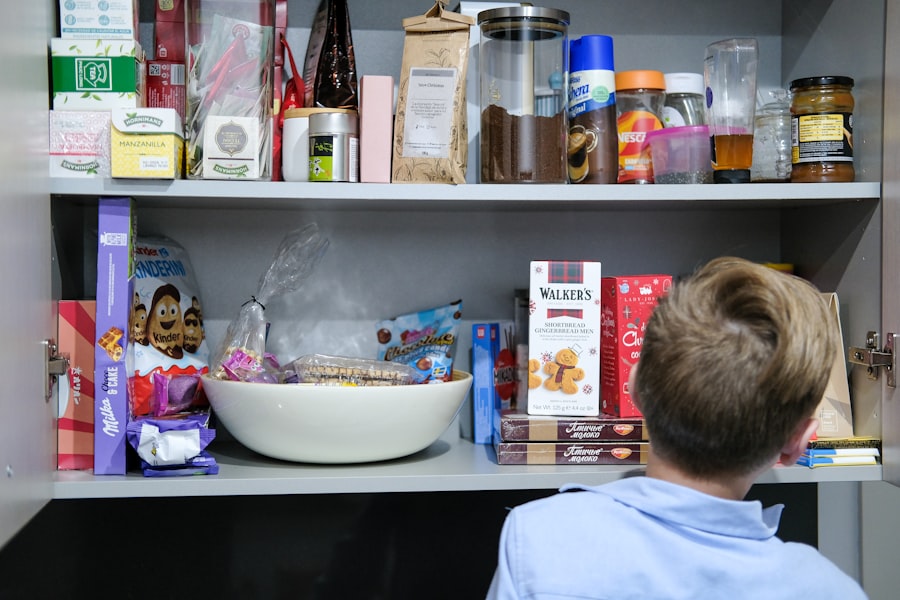
The pantry, while often small, can become a breeding ground for trip hazards if not maintained carefully. Your physical well-being is paramount, and preventing falls is a top priority.
Floor Surfaces and Obstructions
The floor of your pantry and the items that might end up on it are direct contributors to fall risks.
Non-Slip Flooring
Is the floor of your pantry slippery? If you have linoleum or tile, consider adding a non-slip rug or mat, especially if it tends to get wet. Ensure any rugs are securely fastened to prevent them from bunching up or becoming a tripping hazard themselves.
Maintaining a Clutter-Free Floor
This cannot be stressed enough: the pantry floor must be kept clear. No boxes, bags, or loose items. Make it a habit to put things away immediately or to have a designated spot for temporary storage that is still out of the main pathway.
Secure Storage for Bags and Boxes
When you bring groceries home, unpack them promptly. Don’t leave reusable grocery bags or cardboard boxes sitting on the pantry floor, as they can easily be tripped over.
Stability of Shelving and Organizers
Any instability in your storage solutions can lead to items falling unexpectedly, creating hazards or even causing direct injury.
Securely Fastened Shelves
Are your shelves securely attached to the walls? Wobbly shelves can shift, causing items to fall. If your shelves are not permanently fixed, consider reinforcing them or using brackets to secure them. This is especially important for heavy items stored on higher shelves.
Sturdy Organizers
Ensure that any freestanding shelving units, stackable bins, or turntables (lazy Susans) are stable and not prone to tipping. Avoid overloading these organizers, which can compromise their stability.
Avoiding Overcrowding
When shelves are overcrowded, it’s easier for items to be knocked off or to fall when you try to retrieve something from the back. Leave some breathing room on your shelves.
Handling Dropped Items Safely
Accidents happen. When an item falls, your reaction and how you clean it up are important for preventing further incidents.
Immediate Cleanup
If something spills or breaks, clean it up immediately. Don’t leave broken glass or spilled liquids to linger, as they pose an immediate slipping hazard.
Safe Material Handling
When picking up broken glass, use a broom and dustpan or a damp cloth to ensure all shards are collected. For spills, use absorbent materials and clean the area thoroughly to remove any residue that could cause slipping.
Tool Assistance
If an item falls to a hard-to-reach spot, don’t overextend yourself trying to retrieve it. Use a grabber tool or ask for assistance from a family member or neighbor.
Food Safety Within the Pantry
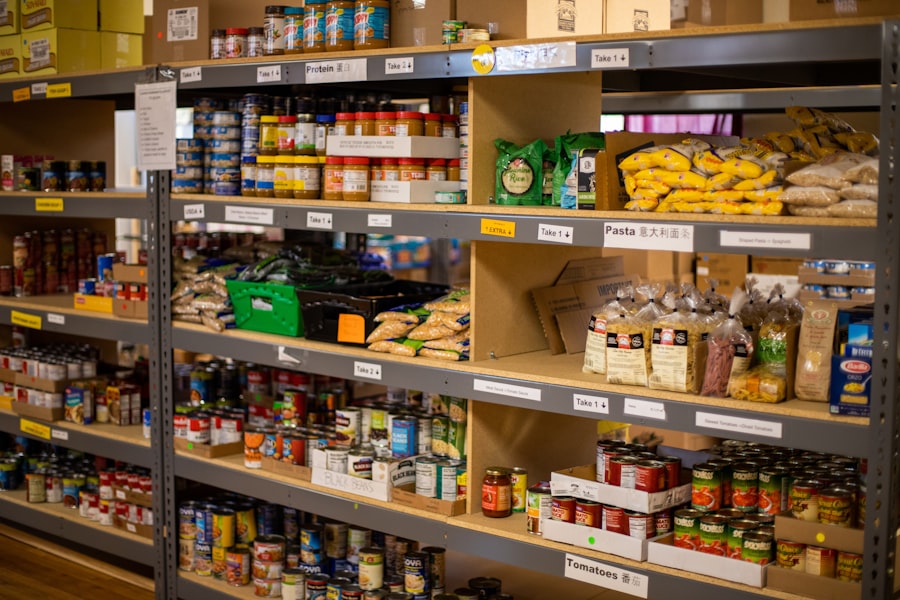
Beyond physical safety, maintaining the safety of your food is crucial for your health. This involves proper storage, attention to expiration dates, and awareness of potential contaminations.
Expiration Dates and Shelf Life
Understanding and managing expiration dates is a cornerstone of food safety and waste reduction.
Reading Labels Diligently
Make a habit of reading the “best by,” “use by,” or “expiration” dates on all your food items. Pay attention to the format of the date (e.g., MM/DD/YY or DD/MM/YY) to avoid confusion, especially with international products.
Prioritizing Older Items
As mentioned earlier, implement the FIFO system. By moving older items to the front, you naturally prioritize their use and reduce the likelihood of them expiring before you get to them.
What to Do with Expired Food
Dispose of expired food promptly and safely. Do not taste food that is past its expiration date, especially if it shows any signs of spoilage. If you are unsure about the safety of an item, it’s always best to err on the side of caution and discard it.
Signs of Spoilage and Contamination
Your senses are your first line of defense against consuming unsafe food.
Visual Inspection
Before using any food item, give it a visual inspection. Look for mold, discoloration, changes in texture, or any other abnormalities. Canned goods should not be bulging or leaking.
Olfactory Assessment (Smell Test)
Trust your nose. If a food item smells off, sour, or rancid, do not consume it, even if it is within its expiration date. Some bacteria can produce foul odors.
Texture and Consistency Checks
Changes in texture – such as a slimy consistency in vegetables or a mushy texture in fruits – can also be indicators of spoilage.
Pest Control
Keep your pantry free from pests like rodents and insects. These can contaminate food with bacteria and other pathogens. Regularly clean your pantry and ensure all food items are stored in sealed containers. If you notice any signs of pests, take immediate action to address the infestation.
Safe Handling of All Food Types
The way you handle food before it even reaches the pantry, and when you take it out, is important.
Washing Produce
Always wash fresh fruits and vegetables thoroughly under running water before storing and consuming them, even if you plan to peel them.
Cross-Contamination Prevention
Be mindful of cross-contamination. Store raw meats, poultry, and seafood separately from ready-to-eat foods, both in your refrigerator and in your pantry if that’s where you temporarily store dry components. Use separate cutting boards and utensils for raw and cooked foods.
Proper Food Storage Temperatures
Understand the safe temperature ranges for storing different types of food. Refrigerated items should always be kept at or below 40°F (4°C), and frozen items at or below 0°F (-18°C).
Ensuring food safety in the pantry is crucial for seniors, and a helpful resource can be found in a related article that offers a comprehensive checklist to keep their food supplies safe and healthy. This guide provides essential tips on how to properly store food items, check expiration dates, and maintain a clean pantry environment. For more information on this important topic, you can read the article on senior health and safety by visiting Explore Senior Health.
Emergency Preparedness and Pantry Stocking
| Checklist Item | Yes/No |
|---|---|
| Check expiration dates on canned goods | |
| Inspect for signs of pest infestation | |
| Ensure proper storage of dry goods | |
| Check for any signs of spoilage in perishable items | |
| Verify proper labeling of food items |
Your pantry can serve as a vital resource during emergencies. Thoughtful stocking and organization can ensure you have what you need without creating safety hazards.
Building a Balanced and Accessible Stock
A well-stocked pantry is a safety net, but it needs to be managed with your safety in mind.
Non-Perishable Essentials
Focus on non-perishable food items that have a long shelf life and require little to no preparation. Think canned goods (soups, vegetables, fruits, proteins), dried pasta, rice, oatmeal, peanut butter, crackers, and energy bars.
Water Storage
Ensure you have an adequate supply of water. Store bottled water on lower shelves or in a designated, easily accessible area. Aim for at least one gallon of water per person per day for several days.
Comfort and Morale Items
Don’t forget items that can boost morale, such as books, games, or favorite snacks. These can be particularly important during extended periods of being homebound.
Safe Storage of Emergency Supplies
Beyond food and water, other emergency supplies need careful placement.
First-Aid Kit Accessibility
Your first-aid kit and any essential medications should be readily accessible, not buried deep within the pantry. Consider storing them in a clearly marked, easy-to-open bin or bag.
Flashlights and Batteries
Ensure you have functional flashlights with fresh batteries stored in an easy-to-find location. Check the batteries periodically to ensure they are still good.
Important Documents
Keep copies of important documents, such as identification, insurance policies, and medical records, in a waterproof and fireproof container. This container should be stored in a secure but easily retrievable location, possibly near your pantry.
Maintaining and Rotating Emergency Stock
Just like your regular pantry items, your emergency supplies need attention.
Regular Inventory Checks
Periodically review your emergency stock. Check expiration dates on food and medications, and replace items as needed. This is also a good time to ensure all items are still in good condition.
Rotation of Stock for Emergency Items
Ideally, you should try to rotate your emergency food and water stock periodically by using some items in your regular diet and replacing them with fresh ones. This ensures you are familiar with the taste and preparation of your emergency food items and reduces waste.
By systematically addressing these points, you can transform your pantry into a safe, accessible, and functional space that supports your continued independence and well-being. Take your time with this checklist, make small changes gradually, and prioritize what will have the greatest impact on your daily safety and comfort.
FAQs
What is a pantry food safety checklist for seniors?
A pantry food safety checklist for seniors is a set of guidelines and best practices to ensure that the food stored in a senior’s pantry is safe to consume. It includes tips for proper storage, handling, and disposal of food items to prevent foodborne illnesses.
Why is a pantry food safety checklist important for seniors?
Seniors are more susceptible to foodborne illnesses due to weakened immune systems and other health conditions. A pantry food safety checklist helps to minimize the risk of food poisoning and other food-related health issues by promoting safe food handling and storage practices.
What are some key items on a pantry food safety checklist for seniors?
Key items on a pantry food safety checklist for seniors include checking expiration dates, storing food at proper temperatures, keeping the pantry clean and organized, avoiding cross-contamination, and being mindful of food recalls.
How often should seniors review and update their pantry food safety checklist?
Seniors should review and update their pantry food safety checklist regularly, at least every few months. It’s important to check for expired items, inspect for signs of pests or spoilage, and make any necessary adjustments to storage and organization.
Where can seniors find more information about pantry food safety for seniors?
Seniors can find more information about pantry food safety for seniors from reputable sources such as the Centers for Disease Control and Prevention (CDC), the Food and Drug Administration (FDA), and the United States Department of Agriculture (USDA). Additionally, local health departments and senior centers may offer resources and guidance on food safety for seniors.