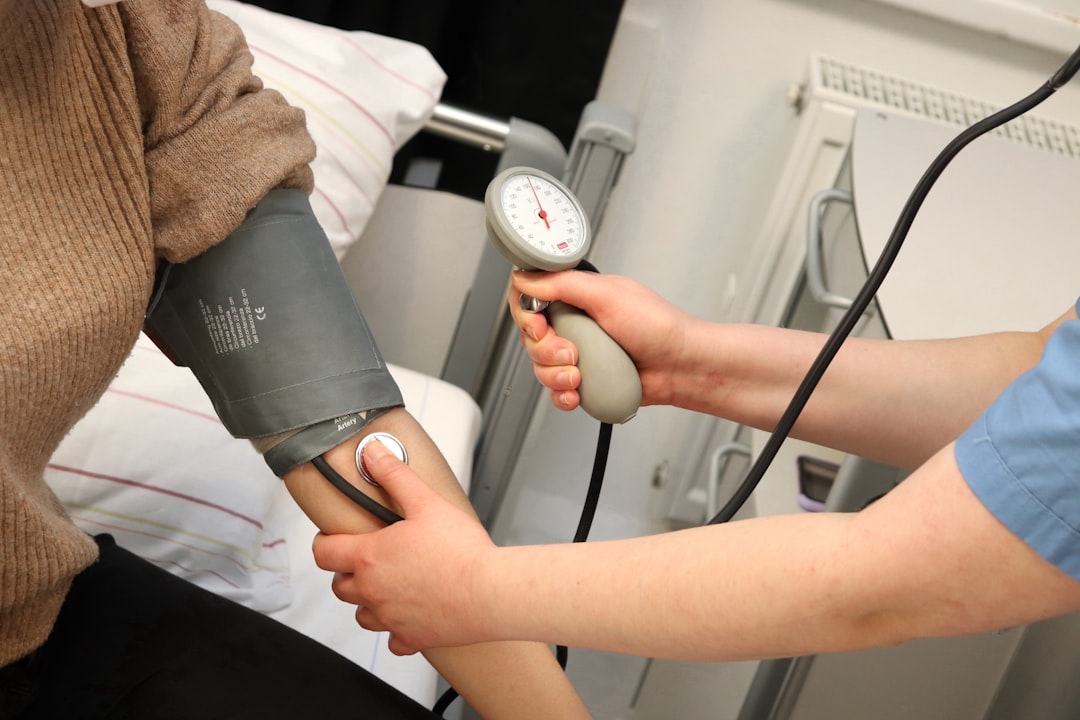
Blood pressure measures the force that circulating blood exerts against arterial walls and serves as an important indicator of cardiovascular health. Medical professionals express blood pressure readings in millimeters of mercury (mmHg) using two numbers: systolic pressure over diastolic pressure. The systolic pressure (the higher, first number) represents arterial pressure during heart contractions, while the diastolic pressure (the lower, second number) indicates arterial pressure when the heart relaxes between beats.
Medical guidelines generally define normal blood pressure as approximately 120/80 mmHg, though individual variations exist based on personal health factors. Blood pressure monitoring plays a crucial role in health management due to its significant impact on overall well-being. Hypertension (high blood pressure) frequently develops without noticeable symptoms, making it difficult to detect without regular measurement.
Untreated hypertension increases the risk of serious medical conditions including cardiovascular disease, cerebrovascular accidents, and renal dysfunction. Conversely, hypotension (low blood pressure) can cause symptoms such as dizziness and syncope, potentially leading to injury from falls. Regular blood pressure monitoring enables early detection of abnormal readings and helps prevent the development of associated health complications.
Key Takeaways
- Sleep apnea and high blood pressure are closely interconnected, each potentially worsening the other.
- Untreated sleep apnea can lead to elevated blood pressure and increase cardiovascular risks.
- Managing lifestyle factors like weight, diet, and sleep hygiene can help control both conditions.
- Regular monitoring and medical treatment are essential for effectively managing blood pressure and sleep apnea.
- Ongoing research highlights the importance of early diagnosis and integrated treatment approaches for these linked health issues.
Understanding Sleep Apnea
Sleep apnea is a common yet often undiagnosed sleep disorder characterized by repeated interruptions in breathing during sleep. These interruptions can last from a few seconds to minutes and may occur multiple times throughout the night.
Central sleep apnea, though less common, occurs when the brain fails to send proper signals to the muscles that control breathing. Recognizing the signs of sleep apnea is crucial for early intervention. Common symptoms include loud snoring, gasping for air during sleep, excessive daytime sleepiness, and difficulty concentrating.
If you find yourself feeling fatigued despite a full night’s sleep or if you experience frequent headaches upon waking, it may be time to consult a healthcare professional. Sleep apnea not only disrupts your sleep but can also lead to various health issues if left untreated.
The Relationship Between Blood Pressure and Sleep Apnea

The relationship between blood pressure and sleep apnea is complex and multifaceted. Research has shown that individuals with sleep apnea are at a higher risk of developing hypertension. The repeated episodes of interrupted breathing during sleep can lead to fluctuations in blood oxygen levels, which in turn can cause stress on the cardiovascular system.
This stress can result in increased blood pressure as your body works harder to maintain adequate oxygen levels. Moreover, the relationship is bidirectional; not only can sleep apnea contribute to high blood pressure, but hypertension can also exacerbate sleep apnea symptoms. Elevated blood pressure can lead to changes in the structure and function of blood vessels, potentially worsening airway obstruction during sleep.
Understanding this intricate connection is essential for managing both conditions effectively and improving overall health outcomes.
The Impact of Sleep Apnea on Blood Pressure
Sleep apnea can have a profound impact on your blood pressure levels. The repeated episodes of oxygen deprivation during sleep trigger a series of physiological responses in your body. These responses include increased sympathetic nervous system activity, which raises heart rate and constricts blood vessels, ultimately leading to elevated blood pressure.
Over time, this chronic elevation can result in sustained hypertension, increasing your risk for cardiovascular diseases. Additionally, individuals with untreated sleep apnea often experience poor sleep quality, which can further contribute to high blood pressure. Lack of restorative sleep can lead to increased stress levels and hormonal imbalances that affect blood pressure regulation.
Therefore, addressing sleep apnea is crucial not only for improving sleep quality but also for managing blood pressure effectively.
The Impact of High Blood Pressure on Sleep Apnea
| Metric | Value/Range | Relevance to Blood Pressure and Sleep Apnea |
|---|---|---|
| Prevalence of Hypertension in Sleep Apnea Patients | 30% – 50% | High prevalence indicating strong association between sleep apnea and elevated blood pressure |
| Average Nighttime Blood Pressure Increase | 10 – 20 mmHg | Blood pressure spikes during apnea episodes contribute to hypertension risk |
| Apnea-Hypopnea Index (AHI) | 5 – 30+ events/hour | Severity of sleep apnea; higher AHI correlates with higher blood pressure |
| Effect of CPAP Therapy on Blood Pressure | Reduction of 2 – 5 mmHg (systolic) | Continuous Positive Airway Pressure (CPAP) treatment lowers blood pressure in sleep apnea patients |
| Percentage of Resistant Hypertension Patients with Sleep Apnea | 70% – 85% | Sleep apnea is a common underlying cause of difficult-to-treat hypertension |
| Oxygen Desaturation During Apnea | Drop of 4% – 10% or more | Intermittent hypoxia triggers sympathetic nervous system activation, raising blood pressure |
High blood pressure can also influence the severity of sleep apnea symptoms. When your blood pressure is elevated, it can lead to changes in the structure of your airways and increase inflammation in the body. This inflammation may contribute to airway obstruction during sleep, making it more difficult for you to breathe properly at night.
As a result, individuals with hypertension may experience more frequent or severe episodes of sleep apnea. Moreover, high blood pressure can lead to other health complications that may exacerbate sleep apnea symptoms. For instance, conditions such as heart failure or obesity are often associated with hypertension and can further complicate breathing patterns during sleep.
This cyclical relationship highlights the importance of addressing both conditions simultaneously for optimal health outcomes.
Risk Factors for Developing High Blood Pressure and Sleep Apnea
Several risk factors contribute to the development of both high blood pressure and sleep apnea. Obesity is one of the most significant risk factors for both conditions; excess weight can lead to increased fat deposits around the neck, which may obstruct the airway during sleep. Additionally, lifestyle factors such as physical inactivity, poor diet, and excessive alcohol consumption can elevate your risk for hypertension and sleep apnea.
Age and genetics also play a role in your susceptibility to these conditions. As you age, your risk for developing high blood pressure increases due to natural changes in blood vessel elasticity and function. Furthermore, a family history of hypertension or sleep disorders may predispose you to these issues.
Understanding these risk factors can empower you to make informed lifestyle choices that may help mitigate your risk.
Treatment Options for High Blood Pressure and Sleep Apnea
When it comes to treating high blood pressure and sleep apnea, a multifaceted approach is often necessary. For high blood pressure management, lifestyle modifications such as dietary changes, regular exercise, and stress reduction techniques are essential first steps. In some cases, medication may be prescribed to help regulate blood pressure levels effectively.
For sleep apnea treatment, continuous positive airway pressure (CPAP) therapy is commonly recommended. This device delivers a steady stream of air through a mask worn during sleep, helping keep the airway open and preventing interruptions in breathing. Other treatment options may include lifestyle changes such as weight loss or positional therapy, which encourages sleeping on one’s side rather than on the back.
Lifestyle Changes to Manage Blood Pressure and Sleep Apnea
Making lifestyle changes can significantly impact both blood pressure and sleep apnea management.
Reducing sodium intake is particularly important for managing hypertension.
Incorporating regular physical activity into your routine is another effective strategy for managing both conditions. Aim for at least 150 minutes of moderate-intensity exercise each week; this can help lower blood pressure and improve sleep quality by reducing symptoms of sleep apnea. Additionally, prioritizing good sleep hygiene—such as maintaining a consistent sleep schedule and creating a comfortable sleeping environment—can enhance your overall well-being.
The Importance of Monitoring Blood Pressure and Sleep Apnea
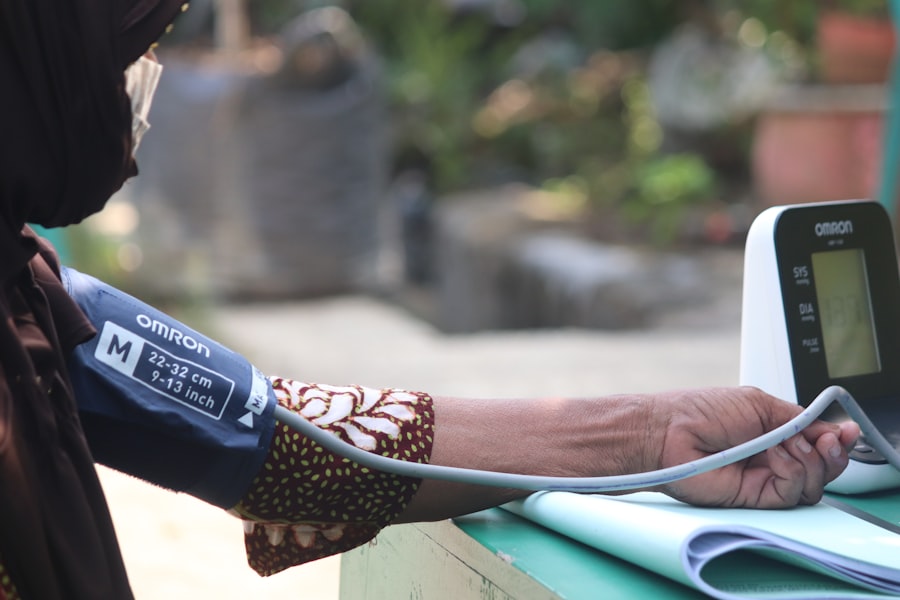
Regular monitoring of both blood pressure and sleep apnea symptoms is crucial for effective management of these conditions. Keeping track of your blood pressure readings at home can help you identify trends and make necessary adjustments to your treatment plan in collaboration with your healthcare provider. Many people find that using a digital blood pressure monitor makes this process easier and more accurate.
For those with suspected or diagnosed sleep apnea, undergoing a sleep study can provide valuable insights into your condition’s severity and help guide treatment decisions. Monitoring your symptoms—such as daytime fatigue or snoring patterns—can also inform discussions with your healthcare provider about potential adjustments to your treatment plan.
Research and Studies on the Link Between Blood Pressure and Sleep Apnea
Numerous studies have explored the intricate relationship between blood pressure and sleep apnea over the years. Research consistently shows that individuals with untreated obstructive sleep apnea are at a significantly higher risk for developing hypertension compared to those without the disorder. Some studies suggest that effective treatment of sleep apnea can lead to improvements in blood pressure control.
Emerging research continues to investigate the underlying mechanisms connecting these two conditions. For instance, studies are examining how inflammation and oxidative stress associated with sleep apnea may contribute to vascular dysfunction and elevated blood pressure levels. As our understanding deepens, it becomes increasingly clear that addressing both conditions holistically is essential for optimal health outcomes.
Seeking Help for Blood Pressure and Sleep Apnea
If you suspect that you may be experiencing symptoms of high blood pressure or sleep apnea, seeking help from a healthcare professional is crucial. Early diagnosis and intervention can significantly improve your quality of life and reduce the risk of serious health complications down the line. Your healthcare provider can conduct necessary evaluations, recommend appropriate tests, and develop a personalized treatment plan tailored to your needs.
Don’t hesitate to discuss any concerns you have regarding your health with your doctor; open communication is key to effective management of both high blood pressure and sleep apnea. By taking proactive steps toward understanding these conditions and seeking appropriate care, you empower yourself to take control of your health journey.
Research has shown a significant connection between blood pressure and sleep apnea, highlighting the importance of addressing sleep disorders to manage hypertension effectively. For more insights on this topic, you can read the article available at Explore Senior Health, which discusses various health issues affecting seniors, including the implications of sleep apnea on cardiovascular health.
FAQs
What is the connection between blood pressure and sleep apnea?
Sleep apnea, particularly obstructive sleep apnea (OSA), can cause repeated interruptions in breathing during sleep. These interruptions lead to drops in oxygen levels and trigger the body’s stress response, which can increase blood pressure. Over time, this can contribute to the development or worsening of hypertension (high blood pressure).
How does sleep apnea affect blood pressure?
During episodes of apnea, oxygen levels in the blood decrease, causing the body to release stress hormones like adrenaline. This response narrows blood vessels and increases heart rate, leading to elevated blood pressure. Frequent episodes throughout the night can result in sustained high blood pressure even during the day.
Can treating sleep apnea help lower blood pressure?
Yes, treating sleep apnea with therapies such as continuous positive airway pressure (CPAP) can improve oxygen levels during sleep and reduce stress on the cardiovascular system. Many patients experience a significant reduction in blood pressure after consistent treatment of sleep apnea.
Is high blood pressure a risk factor for sleep apnea?
While high blood pressure itself does not cause sleep apnea, it is commonly found in people with sleep apnea. Both conditions share risk factors such as obesity and age, and they can exacerbate each other.
Who is at risk for both high blood pressure and sleep apnea?
Individuals who are overweight or obese, middle-aged or older, have a family history of sleep apnea or hypertension, smoke, or have certain anatomical features (like a narrow airway) are at higher risk for both conditions.
What symptoms of sleep apnea should people with high blood pressure watch for?
Common symptoms include loud snoring, choking or gasping during sleep, excessive daytime sleepiness, morning headaches, and difficulty concentrating. If these symptoms are present alongside high blood pressure, a sleep evaluation may be recommended.
Can lifestyle changes help manage both sleep apnea and high blood pressure?
Yes, lifestyle modifications such as weight loss, regular exercise, avoiding alcohol and smoking, and maintaining a healthy diet can improve both sleep apnea symptoms and blood pressure control.
When should someone see a doctor about sleep apnea and blood pressure?
If you have high blood pressure that is difficult to control or experience symptoms of sleep apnea, it is important to consult a healthcare provider. Early diagnosis and treatment can reduce the risk of cardiovascular complications.