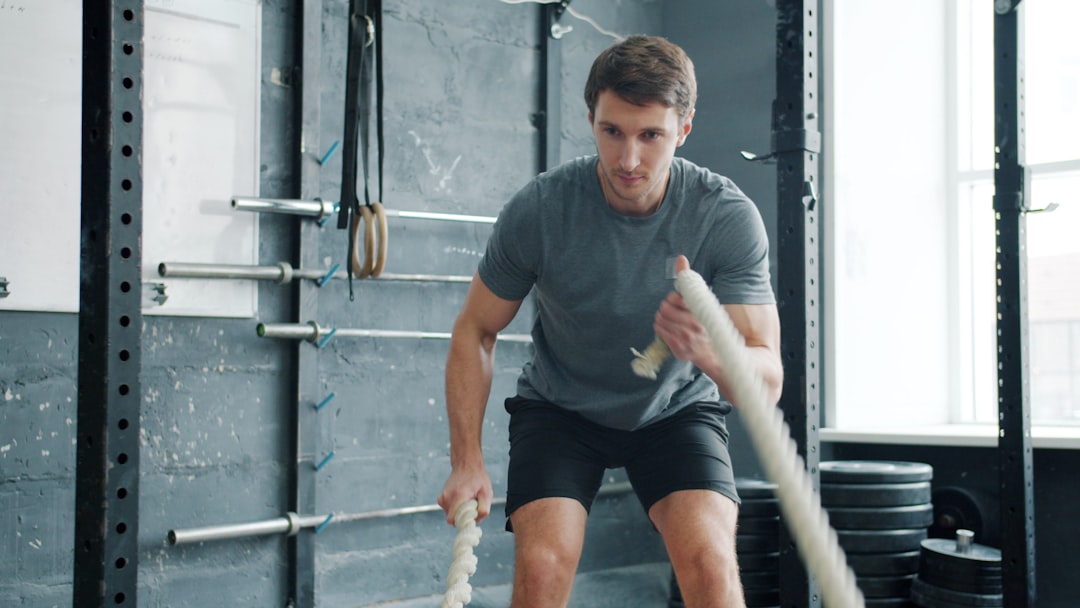
Functional fitness is a training approach that emphasizes exercises designed to improve your ability to perform everyday activities. Unlike traditional workouts that may focus solely on aesthetics or isolated muscle groups, functional fitness aims to enhance your overall physical capabilities. This type of training incorporates movements that mimic real-life tasks, such as lifting, bending, squatting, and reaching.
By engaging multiple muscle groups and promoting coordination, balance, and flexibility, functional fitness prepares you for the demands of daily life. When you engage in functional fitness, you are not just working out; you are training your body to move efficiently and effectively. This holistic approach to fitness recognizes that the body operates as a unit, and it encourages you to develop strength and endurance in a way that translates directly to your daily activities.
Whether you are carrying groceries, playing with your children, or simply getting up from a chair, functional fitness equips you with the strength and agility needed to navigate these tasks with ease.
Key Takeaways
- Functional fitness focuses on exercises that mimic everyday movements to improve strength, flexibility, and balance.
- The benefits of functional fitness include improved overall health, increased mobility, and reduced risk of injury.
- Functional fitness empowers independence by helping individuals perform daily tasks with ease and confidence.
- Older adults can benefit from functional fitness by improving their ability to perform activities of daily living and maintain their independence.
- People with disabilities can improve their functional abilities through tailored functional fitness exercises and equipment.
The Benefits of Functional Fitness
The benefits of functional fitness extend far beyond physical strength. One of the most significant advantages is improved overall health and well-being. By engaging in functional exercises, you can enhance your cardiovascular fitness, increase muscle tone, and boost your metabolism.
This comprehensive approach not only helps you achieve a healthier body composition but also contributes to better energy levels throughout the day. You may find that you have more stamina for activities you enjoy, whether it’s hiking, dancing, or simply playing with your kids. Moreover, functional fitness promotes injury prevention by strengthening the muscles and joints that are most commonly used in daily activities.
When you train your body to move in ways that mimic real-life situations, you develop greater stability and coordination. This can significantly reduce the risk of injuries caused by falls or strains. Additionally, functional fitness can improve your posture and alignment, which are crucial for maintaining a healthy musculoskeletal system.
As you become more aware of your body mechanics, you may notice a decrease in discomfort or pain associated with poor posture or repetitive movements.
How Functional Fitness Empowers Independence
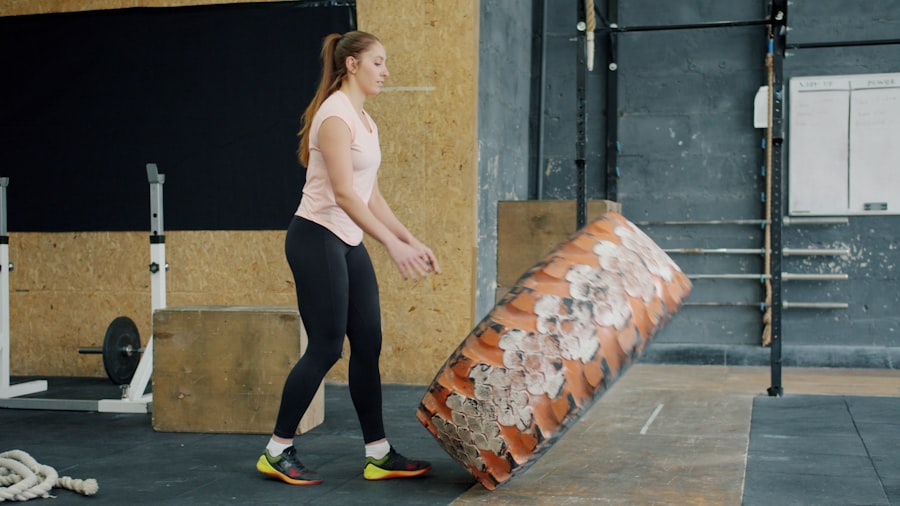
One of the most empowering aspects of functional fitness is its ability to foster independence. As you build strength and improve your physical capabilities, you may find yourself more confident in tackling everyday tasks without assistance. This newfound independence can be particularly transformative for individuals who may have previously relied on others for help with basic activities.
Whether it’s climbing stairs, carrying heavy items, or simply getting up from a seated position, functional fitness equips you with the skills needed to navigate these challenges on your own. Furthermore, the sense of accomplishment that comes from mastering functional movements can significantly boost your self-esteem. As you progress in your training and witness improvements in your abilities, you may feel a greater sense of control over your life.
This empowerment extends beyond physical tasks; it can positively impact your mental outlook as well. When you feel capable and strong, you are more likely to engage in social activities and pursue new opportunities, leading to a richer and more fulfilling life.
Functional Fitness for Older Adults
| Metrics | Results |
|---|---|
| Average Age | 65 years |
| Participants | 100 |
| Improvement in Balance | 25% |
| Strength Gain | 30% |
| Flexibility Improvement | 20% |
Functional fitness is particularly beneficial for older adults who may face age-related challenges such as decreased strength, balance issues, and reduced mobility. Engaging in functional exercises can help seniors maintain their independence and improve their quality of life. By focusing on movements that mimic daily activities—like standing up from a chair or walking—older adults can enhance their strength and stability, making it easier to perform these tasks safely.
Additionally, functional fitness can play a crucial role in preventing falls, which are a significant concern for older individuals. By improving balance and coordination through targeted exercises, seniors can reduce their risk of falling and sustain their confidence in moving around their environment. This not only enhances their physical safety but also contributes to their mental well-being by alleviating fears associated with mobility challenges.
Functional Fitness for People with Disabilities
Functional fitness is an inclusive approach that can be adapted for individuals with disabilities, allowing them to engage in physical activity tailored to their unique needs.
Whether through modified exercises or specialized equipment, this approach ensures that everyone has the opportunity to participate in fitness activities that promote independence.
Moreover, functional fitness can foster a sense of community among individuals with disabilities. Group classes or training sessions provide a supportive environment where participants can share experiences and motivate one another. This social aspect is vital for mental health and can help combat feelings of isolation that some individuals may experience.
By participating in functional fitness programs, people with disabilities can not only improve their physical capabilities but also build meaningful connections with others.
Functional Fitness for Everyday Life
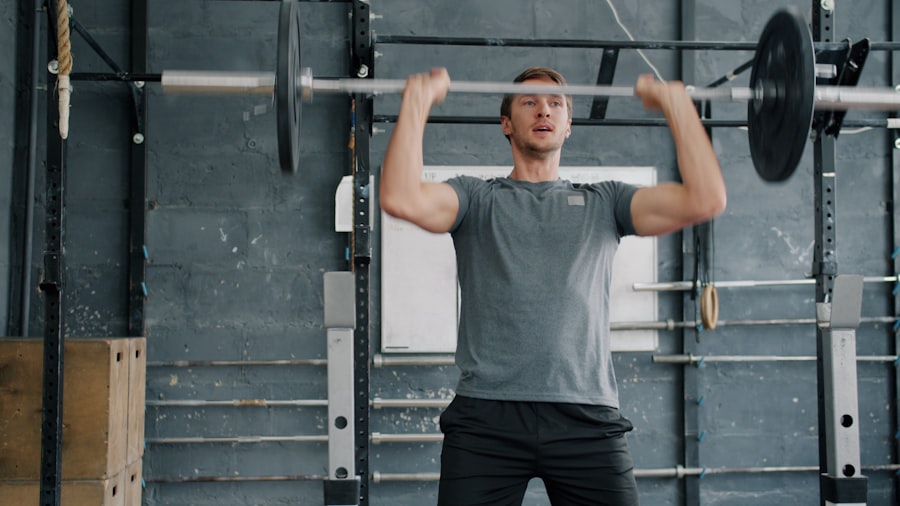
Incorporating functional fitness into your daily routine can have a profound impact on how you approach everyday tasks. By training your body to perform movements that mimic real-life activities, you will find that chores become easier and less taxing. For instance, lifting heavy objects becomes more manageable when you’ve practiced squats and deadlifts in your workouts.
Similarly, reaching for items on high shelves or bending down to tie your shoes becomes second nature when you’ve developed the necessary strength and flexibility. Additionally, functional fitness encourages mindfulness about how you move throughout the day. As you become more aware of your body mechanics during workouts, you’ll start to apply this knowledge to everyday situations.
You may find yourself standing taller while walking or using proper lifting techniques when carrying groceries. This heightened awareness not only enhances your physical performance but also contributes to better overall health by reducing the risk of injury and promoting good posture.
Functional Fitness Equipment and Exercises
Functional fitness can be performed using minimal equipment or even just your body weight. However, certain tools can enhance your training experience and provide additional resistance or support. Common equipment used in functional fitness includes resistance bands, kettlebells, medicine balls, and stability balls.
These tools allow for a variety of exercises that target multiple muscle groups while promoting balance and coordination. Some effective functional exercises include squats, lunges, push-ups, planks, and kettlebell swings. Each of these movements mimics actions you perform in daily life while engaging various muscle groups simultaneously.
For example, squats strengthen your legs and core while also improving your ability to sit down and stand up from chairs effortlessly. Incorporating a mix of these exercises into your routine will ensure that you develop a well-rounded foundation of strength and stability.
Incorporating Functional Fitness into Your Routine
Integrating functional fitness into your routine doesn’t have to be overwhelming; it can be as simple as dedicating a few minutes each day to specific exercises.
You might begin with short sessions focused on bodyweight exercises before gradually adding resistance or complexity as you become more comfortable.
Consider setting specific goals related to functional fitness to keep yourself motivated. Whether it’s aiming to perform a certain number of squats or improving your balance on one leg, having clear objectives will help guide your training efforts. Additionally, try to incorporate functional movements into other forms of exercise you enjoy—like yoga or Pilates—so that you can reap the benefits without feeling like you’re doing an entirely separate workout.
Functional Fitness and Mental Health
The connection between physical activity and mental health is well-documented, and functional fitness is no exception. Engaging in regular exercise has been shown to reduce symptoms of anxiety and depression while boosting overall mood. When you participate in functional fitness activities, you’re not only improving your physical health but also enhancing your mental well-being through the release of endorphins—the body’s natural mood lifters.
Moreover, the sense of accomplishment that comes from mastering new movements or achieving personal goals can significantly boost your self-esteem and confidence. As you witness improvements in your physical abilities through functional training, you’ll likely experience a positive shift in how you perceive yourself. This newfound confidence can extend beyond the gym or workout space; it may encourage you to take on new challenges in other areas of your life.
Functional Fitness for Injury Prevention
Injury prevention is one of the most compelling reasons to embrace functional fitness as part of your exercise routine. By focusing on movements that strengthen the muscles used in everyday activities, you can reduce the risk of injuries caused by strains or falls. Functional exercises promote better balance, coordination, and flexibility—all essential components for maintaining physical safety as you navigate various environments.
Additionally, functional fitness encourages proper body mechanics during movement patterns. As you learn how to lift objects correctly or maintain good posture while sitting or standing, you’ll develop habits that protect against injury over time. This proactive approach not only enhances your physical resilience but also fosters a greater awareness of how your body moves throughout daily life.
Finding a Functional Fitness Community
Finding a community that shares your interest in functional fitness can greatly enhance your experience and motivation. Whether through local gyms offering specialized classes or online platforms connecting like-minded individuals, being part of a supportive group can provide encouragement and accountability as you pursue your fitness goals. Engaging with others who share similar interests fosters camaraderie and creates an environment where everyone can thrive together.
Participating in group classes or community events focused on functional fitness allows you to learn from experienced trainers while also connecting with peers who understand the challenges and triumphs associated with this type of training. Sharing successes and setbacks within a community can be incredibly motivating; it reminds you that you’re not alone on this journey toward improved health and independence. In conclusion, embracing functional fitness offers numerous benefits that extend beyond physical strength alone.
From empowering independence to enhancing mental well-being and preventing injuries, this holistic approach equips you with the tools needed for a healthier lifestyle. By incorporating functional movements into your routine—whether through targeted exercises or community engagement—you’ll find yourself better prepared for the demands of everyday life while enjoying the journey toward improved health and vitality.
Functional fitness is a crucial aspect of maintaining independence, especially as we age. It focuses on exercises that enhance the ability to perform everyday activities, thereby improving quality of life and reducing the risk of injury. For those interested in learning more about how functional fitness can support independence, a related article can be found on Explore Senior Health. This resource provides valuable insights into the benefits of incorporating functional fitness into daily routines. To read more, visit the article by clicking on this link.
WATCH THIS! 🛑 The 5 “Healthy” Habits Quietly Destroying Your Independence After 60
FAQs
What is functional fitness for independence?
Functional fitness for independence refers to a type of exercise program that focuses on improving strength, balance, flexibility, and endurance to help individuals maintain their independence in daily activities and reduce the risk of falls and injuries as they age.
What are the benefits of functional fitness for independence?
The benefits of functional fitness for independence include improved ability to perform daily tasks, reduced risk of falls and injuries, increased strength and flexibility, enhanced balance and coordination, and overall improved quality of life.
What types of exercises are included in functional fitness for independence?
Exercises included in functional fitness for independence may include bodyweight exercises, resistance training, balance and stability exercises, flexibility and mobility exercises, and functional movements that mimic activities of daily living.
Who can benefit from functional fitness for independence?
Functional fitness for independence can benefit individuals of all ages, but it is particularly beneficial for older adults who want to maintain their independence and reduce the risk of age-related decline in physical function.
Is functional fitness for independence suitable for people with physical limitations or disabilities?
Yes, functional fitness for independence can be adapted to accommodate individuals with physical limitations or disabilities. It can be tailored to meet the specific needs and abilities of each individual, allowing them to improve their functional abilities and maintain independence.