
You stand on the precipice of an unavoidable truth: death, a certainty for all, brings with it a complex tapestry of emotional and, inevitably, financial considerations. As you navigate the intricate landscape of loss, you will invariably encounter the practicalities of funeral arrangements. This article serves as your guide to understanding the projected national averages for funeral costs in 2025, offering you a factual and comprehensive overview to aid in your planning, whether proactive or responsive. Consider this a navigational chart for waters you may one day have to traverse, providing insight into the currents of expenditure you might encounter.
The expense of a funeral is not a monolithic figure; rather, it’s a mosaic composed of various services, goods, and fees. When you consider the national average, you are looking at a composite picture, reflecting diverse regional pricing, personal preferences, and the ever-shifting economic climate. Think of it as a statistical snapshot of a dynamic ecosystem, varying in flora and fauna depending on location and season. You can learn more about managing your funeral insurance premiums effectively by watching this informative video.
The Foundation: Basic Service Fee
At the core of every funeral arrangement is the basic service fee, a non-declinable charge that covers the funeral director’s time and expertise in coordinating all aspects of the funeral. This fee is akin to the foundation of a house; without it, the entire structure cannot stand.
- Professional Expertise: This encompasses the funeral director’s consultation with you, the family, and others involved in the funeral planning. It includes their availability for discussion, interpretation of cultural and religious rites, and guidance through the labyrinth of decisions.
- Administrative Overhead: A portion of this fee covers the general administrative costs of the funeral home, such as facility maintenance, utilities, and staff salaries not directly tied to a specific service.
- Legal Compliance and Documentation: Navigating the legal requirements surrounding death, including obtaining necessary permits, death certificates, and filing paperwork, is a significant component. You are essentially paying for their expertise in handling the bureaucratic heavy lifting.
The Vessel: Casket or Urn
The choice of either a casket for burial or an urn for cremation constitutes a significant portion of the total cost. This decision is often deeply personal, reflecting cultural traditions, religious beliefs, and individual preferences. It’s the central physical element, the final container for the departed.
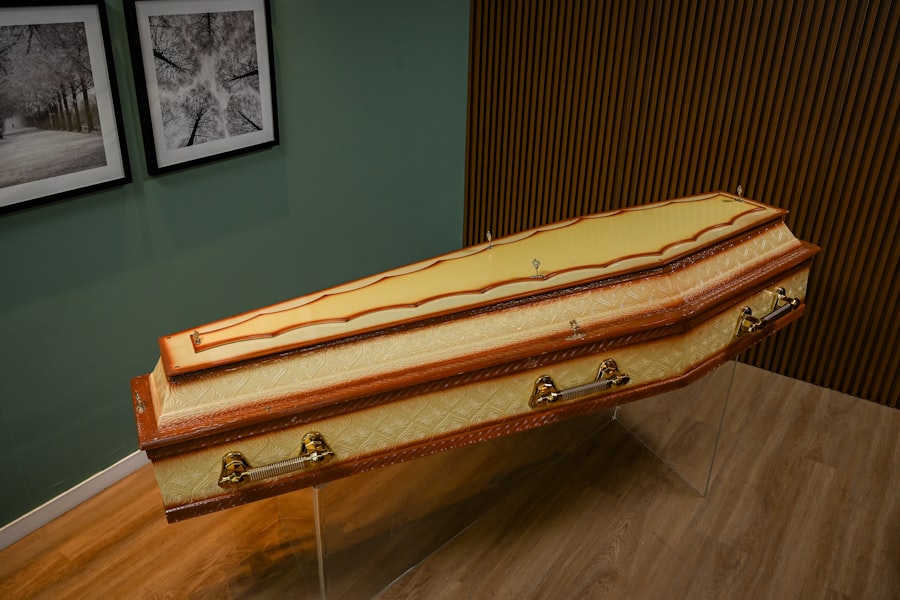
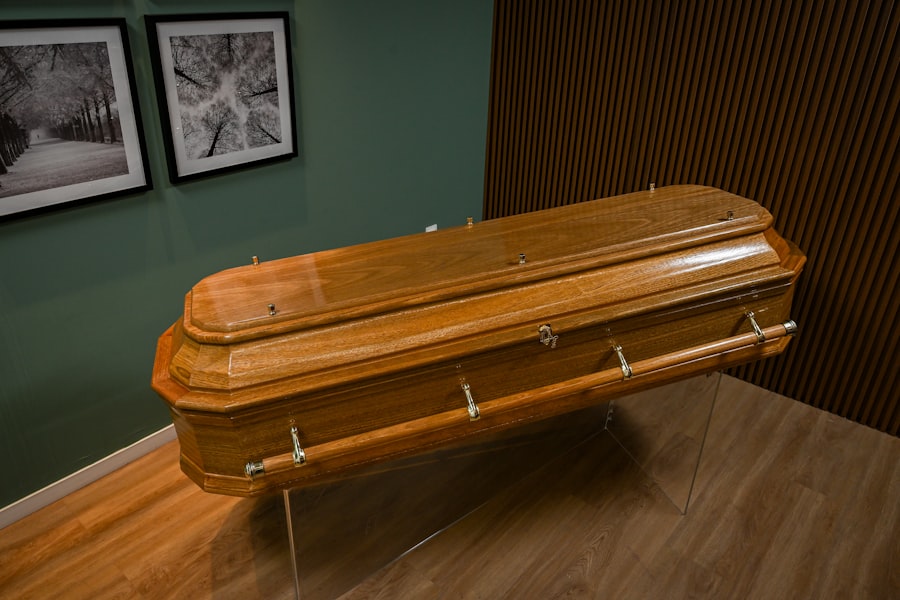
- Casket Options: Caskets vary widely in material, design, and interior finishing. You will encounter options ranging from simple particleboard or cremation-friendly wood to elaborate hardwood, metal (steel, copper, bronze), and even eco-friendly biodegradable materials. Each material carries its own price tag, like different grades of timber for a carpenter.
- Wood Caskets: Generally more affordable than metal, with varieties like pine, oak, cherry, and mahogany.
- Metal Caskets: Steel caskets come in various gauges (thicker steel is more expensive), while copper and bronze are at the higher end of the spectrum due to their intrinsic value and durability.
- Green Caskets: Sustainable options, often made from wicker, bamboo, or unvarnished wood, are gaining traction for environmentally conscious individuals.
- Urn Selections: If cremation is chosen, an urn serves as the final resting place for the cremated remains. The variety here is equally expansive, from simple containers to elaborate artistic pieces.
- Material Diversity: Urns can be crafted from metal, wood, ceramic, glass, stone, biodegradable materials, or even composite resins.
- Design and Personalization: Many urns offer opportunities for personalization, including engravings, symbolic imagery, and unique artistic expressions, adding to their cost.
As families prepare for end-of-life arrangements, understanding funeral costs is crucial. A related article discussing the projected national averages for funeral expenses in 2025 can provide valuable insights for those planning ahead. For more information on this topic, you can read the article here: Funeral Costs 2025 National Averages. This resource offers a comprehensive overview of what to expect in terms of pricing and options available, helping families make informed decisions during a difficult time.
Direct Burial vs. Cremation: A Cost Comparison
The fundamental decision between direct burial and cremation acts as a fork in the road, leading to vastly different cost trajectories. Understanding these distinctions is crucial for informed financial planning. It’s like choosing between two main modes of transportation, each with its own route and associated tolls.
Direct Burial Expenses
Direct burial, often chosen for its traditional and ceremonial aspects, involves a range of costs beyond the casket itself. You are essentially investing in the sanctity of a physical resting place.
- Embalming and Preparation: If a viewing or funeral service with the body present is desired, embalming is typically required. This is a specialized process to preserve the body temporarily. Other preparation includes dressing, cosmetizing, and positioning.
- Facility Usage: The use of the funeral home’s facilities for viewing, visitation, and the funeral service itself incurs charges. This includes chapels, viewing rooms, and administrative spaces.
- Transportation: Transferring the deceased from the place of death to the funeral home, and then to the cemetery, involves specific transportation costs. This may include a hearse and other service vehicles.
- Graveside Service: If a separate service is held at the graveside, there may be an additional charge for the funeral director’s presence and coordination.
- Cemetery Costs: These are distinct from funeral home charges and can represent a significant portion of the overall expense.
- Plot Purchase: The cost of a burial plot varies dramatically based on location, size, and whether it’s in a public or private cemetery. Think of it as real estate for the departed.
- Opening and Closing of Grave: This fee covers the physical act of digging the grave and then refilling it after the interment.
- Grave Liner or Vault: Many cemeteries require a grave liner or vault to prevent the ground from sinking. This is a sturdy outer container that encases the casket.
- Perpetual Care Fund: Many cemeteries have a perpetual care fund, a one-time fee to ensure the long-term maintenance of the cemetery grounds.
- Cremation Plot/Niche (if applicable): For those who choose cremation but desire a physical memorial in a cemetery, options include cremation plots for urn burial or niches in columbariums.
Cremation Expenses
Cremation, increasingly popular due to its flexibility and often lower cost, also presents its own set of expenditures. You’re trading a dedicated plot of land for a focus on memorialization and often, dispersion.
- Cremation Fee: This is the charge for the cremation process itself, carried out at a crematory.
- Urn: As discussed previously, the cost of an urn can range widely.
- Optional Services Prior to Cremation:
- Viewing/Visitation: If you opt for a viewing or visitation prior to cremation, embalming and facility usage fees will apply, similar to a traditional burial.
- Identification Viewing: A brief, private viewing for immediate family without embalming is often available at a lower cost.
- Memorial Service: Many individuals choose to hold a memorial service after cremation, which can incur facility rental, clergy fees, and other arrangement costs. This service can be held anywhere, not necessarily at a funeral home.
- Disposition of Ashes: The final placement of the cremated remains can also incur costs.
- Cemetery Plot/Niche: As mentioned in the burial section, a dedicated space in a cemetery.
- Scattering at Sea/Land: While often free, some services may charge for professional assistance or permits.
- Keepsakes/Jewelry: Transforming a portion of the ashes into memorial jewelry or other keepsakes can be an additional expense.
Ancillary Services and Goods
Beyond the core components of burial or cremation, a host of ancillary services and goods contribute to the overall funeral cost. These are the additional flourishes and necessities that personalize the experience.
Memorialization and Personalization
These elements allow you to tailor the funeral to honor the unique life of the deceased. They are the brushstrokes that define the individual portrait of remembrance.
- Death Certificates: You will need multiple copies of the official death certificate for various administrative purposes (e.g., insurance claims, estate settlement). Each copy incurs a small fee.
- Obituaries: Placing an obituary in local or national newspapers, or online, carries a cost based on length and publication.
- Grave Markers/Headstones: For burial, a grave marker or headstone is typically purchased separately from the funeral home. Costs vary based on material (granite, marble), size, design, and engraving.
- Printing Materials: This includes prayer cards, memorial folders, guest books, and thank-you notes. These small touches provide tangible memories for attendees.
- Floral Arrangements: While often arranged by families directly with florists, funeral homes may offer to coordinate these, sometimes with an added service fee.
- Eulogies and Readings: While often delivered by family or friends, professional celebrants or speakers may be hired for a fee.
- Photo and Video Tributes: Creating multimedia presentations to be displayed at the service can involve professional editing and equipment rental.
Religious and Cultural Accommodations
Many funeral services incorporate specific religious or cultural rites and traditions, which may incur additional costs. These are threads woven into the fabric of the farewell, reflecting deeply held beliefs.
- Clergy or Officiant Fees: A donation to the church or a fee for the services of a non-denominational officiant.
- Specialty Items for Rituals: This could include specific religious vestments, candles, or implements required for particular ceremonies.
- Repatriation Services: For individuals who die abroad and wish to be returned to their home country for burial, repatriation services are complex and costly, involving international transportation and paperwork.
Average Funeral Costs in 2025: Projections and Factors
Forecasting precise national averages for 2025 involves projecting current trends, accounting for inflation, and considering shifts in consumer preferences. You are looking at a trajectory, not a fixed point, influenced by various economic winds.
The Role of Inflation
Inflation is an undeniable force in the economy, steadily eroding purchasing power. Funeral costs are not immune to this upward pressure. The cost of labor, materials (casket metals, wood), transportation, and facility maintenance all rise over time. You can think of it as a low, constant hum that gradually pushes prices upward.
Regional Variations
The phrase “national average” can sometimes mask significant regional disparities. Just as housing prices vary wildly across the country, so do funeral costs. What might be considered a standard cost in a rural area could be dramatically higher in a major metropolitan center. Consider the cost differences between urban and rural areas as variations in the density and velocity of economic activity.
- Urban vs. Rural: Funeral homes in densely populated urban areas typically face higher operating costs, including property taxes, rent, and wages, which are then passed on to consumers.
- Cost of Living: States with a higher overall cost of living generally have higher funeral expenses.
- Competition: The number of funeral homes in a given area can also influence pricing. Areas with more competition may see more competitive pricing.
Shifting Consumer Preferences
Over the past few decades, there has been a marked shift in consumer preferences, particularly towards cremation. This trend impacts the overall average by increasing the number of lower-cost options chosen. You are seeing a societal current, slowly but steadily altering the landscape of end-of-life choices.
- Increased Cremation Rates: Cremation rates continue to climb, driven by factors such as lower cost, environmental concerns, and increased mobility of families. This trend is likely to continue through 2025.
- Simplification of Services: Many families are opting for simpler services, with less emphasis on lavish viewing periods and more focus on personalized memorial gatherings.
- Pre-Need Planning: A growing number of individuals are planning and pre-paying for their funerals, allowing them to lock in prices and make informed decisions without the emotional burden on their loved ones.
Projected 2025 Averages (Estimates based on current trends and inflation)
While precise figures are subject to economic shifts, you can anticipate the following ranges for 2025, providing a reasonable framework for your planning. These are approximations, like weather forecasts, offering a reliable outlook but subject to change.
- **Traditional Funeral with Burial (including embalming, viewing, basic service fee, casket, and vault, but excluding cemetery costs): You could expect this to range from $8,500 to $12,000. Adding cemetery plot, opening/closing, and grave marker could easily push this to $15,000 to $20,000 or more**.
- Cremation with a Memorial Service (including basic service fee, cremation, urn, and memorial service with facility rental): This option could range from $4,000 to $7,000.
- Direct Cremation (with basic service fee, cremation, and minimal urn, no embalming or formal service): This tends to be the most economical option, likely ranging from $2,000 to $4,000.
Remember, these figures are national averages and can fluctuate based on the specific choices you make and your geographic location.
As families plan for the future, understanding the financial implications of end-of-life arrangements becomes increasingly important. A recent article discusses the projected national averages for funeral costs in 2025, providing valuable insights for those looking to budget accordingly. For more detailed information on this topic, you can read the article on funeral costs here. This resource can help individuals make informed decisions and alleviate some of the financial burdens associated with funeral planning.
Navigating the Costs: Strategies for Informed Decisions
| Service | National Average Cost | Description |
|---|---|---|
| Basic Funeral Service Fee | 2500 | Professional services of funeral director and staff |
| Transportation | 350 | Hearse and other vehicles |
| Embalming | 700 | Preservation and preparation of the body |
| Casket | 2800 | Average cost of a standard casket |
| Facilities for Viewing | 500 | Use of funeral home for visitation or viewing |
| Facilities for Funeral Ceremony | 600 | Use of funeral home for funeral ceremony |
| Graveside Service | 300 | Service at the burial site |
| Burial Plot | 1500 | Cost of purchasing a burial plot |
| Grave Opening and Closing | 1200 | Digging and closing the grave |
| Headstone or Marker | 1000 | Average cost of a headstone or grave marker |
| Total Average Funeral Cost | 10350 | Sum of typical funeral expenses |
Facing these financial considerations can feel overwhelming, especially during a time of grief. However, equipping yourself with strategies for informed decision-making can alleviate some of this burden. Consider these as tools in your kit, empowering you to make choices that align with your values and budget.
The General Price List (GPL)
The Federal Trade Commission’s (FTC) Funeral Rule mandates that all funeral homes provide you with a General Price List (GPL) upon request. This document is your most powerful tool in understanding and comparing costs. You have a right to this information, and it should be presented clearly and without pressure.
- Itemized Services: The GPL itemizes all goods and services offered by the funeral home, allowing you to select only what you need and want. This unbundling of services is critical for cost control.
- Transparency: It provides transparency, allowing you to see the individual cost of each component, rather than just a lumped sum.
- Comparison Shopping: You can take the GPLs from different funeral homes and compare their offerings and prices. This is akin to getting quotes from different contractors before undertaking a major home renovation.
Pre-Need Planning and Funding
Pre-need planning involves making funeral arrangements in advance, prior to death. This proactive approach offers numerous benefits, both emotional and financial. It’s like planting seeds for a future garden, ensuring beauty and order when the time comes.
- Emotional Relief: It removes the burden of decision-making from grieving family members, allowing them to focus on their loss rather than logistics.
- Financial Control: You can lock in prices, potentially saving money by shielding against future inflation. You also have the opportunity to research and compare thoroughly without urgency.
- Personalization: It allows you to express your own final wishes, ensuring the service truly reflects your life and values.
- Funding Options: Pre-need plans can be funded through various mechanisms, such as funeral trusts, life insurance policies specifically designated for funeral expenses, or annuities.
Exploring Alternatives and Simpler Options
Not every farewell needs to be elaborate or expensive. There are numerous ways to honor a life that do not involve traditional high-cost services. Your choices should reflect the essence of the individual being remembered, not necessarily the highest price tag.
- Home Funerals: In many states, you are legally permitted to conduct a home funeral, overseeing much of the care of the deceased and the arrangements yourself. This can significantly reduce costs.
- Direct Cremation/Burial: As previously discussed, these options bypass many of the costly elements of a traditional funeral.
- Green Burials: These environmentally friendly options often involve simpler caskets or shrouds and natural burial grounds, which can be less expensive than traditional cemetery plots and vaults.
- DIY Memorials: Instead of a formal funeral home service, you can organize a personalized memorial gathering at a community center, park, or private home. This allows for greater creativity and cost control.
- Body Donation: Donating the body to medical science is typically free, as the medical institution covers transportation and cremation costs after study. The cremated remains are then returned to the family if desired.
By understanding the components of funeral costs, anticipating future trends, and proactively exploring your options, you can navigate the financial aspects of end-of-life arrangements with greater clarity and confidence. This knowledge empowers you to make thoughtful decisions that honor the departed while remaining financially responsible.
WATCH THIS 🔥WARNING: The Funeral Insurance Trap Agents Hide (76% Never Pay Out)
FAQs
What are the average funeral costs in 2025?
The national average funeral cost in 2025 is estimated to range between $7,000 and $12,000, depending on the services selected and location.
What factors influence the cost of a funeral in 2025?
Key factors include the type of service (burial or cremation), casket or urn choice, funeral home fees, transportation, cemetery charges, and additional services like memorial programs or flowers.
How much does cremation typically cost compared to a traditional burial?
Cremation generally costs less, with average prices around $4,000 to $6,000, while traditional burials tend to be higher, often between $8,000 and $12,000 due to casket and burial plot expenses.
Are there ways to reduce funeral costs in 2025?
Yes, options include choosing direct cremation, purchasing caskets or urns independently, comparing funeral home prices, and opting for simpler services or memorials.
Do funeral costs vary by region in the United States?
Yes, funeral costs can vary significantly by region, with urban areas and certain states typically having higher prices than rural locations due to differences in living costs and service availability.