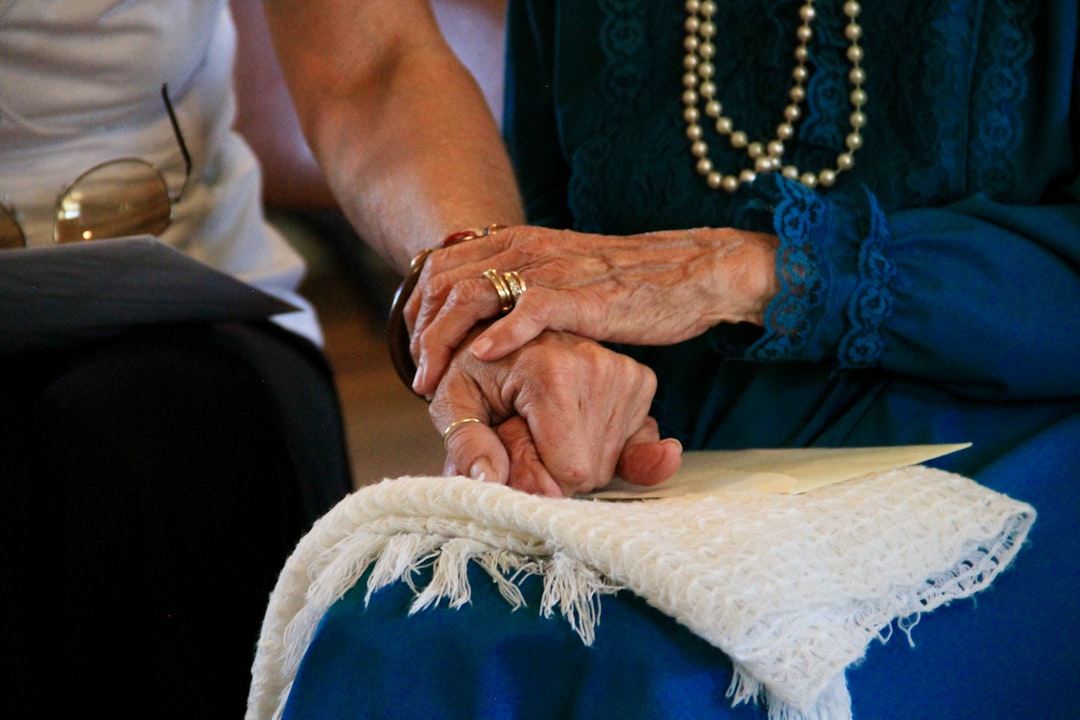
Home First Care Planning is a holistic approach that prioritizes the comfort and well-being of seniors in their own homes. This method recognizes that many older adults prefer to age in place, surrounded by familiar environments and cherished memories. By focusing on home-based care, you can create a supportive atmosphere that fosters independence while ensuring that essential services are readily available.
This approach not only enhances the quality of life for seniors but also alleviates the stress often associated with transitioning to assisted living facilities or nursing homes. As you embark on this journey, it’s crucial to understand the core principles of Home First Care Planning. This involves a comprehensive assessment of the individual’s needs, preferences, and lifestyle.
You will need to consider various factors, including physical health, cognitive abilities, emotional well-being, and social connections. By taking a person-centered approach, you can tailor the care plan to meet the unique requirements of the senior in your life, ensuring that they receive the support they need while maintaining their dignity and autonomy.
Key Takeaways
- Home first care planning focuses on enabling seniors to live safely and comfortably in their own homes.
- Assessing individual needs and preferences is crucial for creating a personalized and effective care plan.
- Incorporating supportive services and daily living assistance helps maintain health and independence.
- Emotional, social, financial, and legal aspects are essential components of comprehensive senior care.
- Regular evaluation and adjustment of the care plan ensure it continues to meet the senior’s evolving needs.
Assessing the Senior’s Needs and Preferences
The first step in Home First Care Planning is conducting a thorough assessment of the senior’s needs and preferences. This process involves engaging in open conversations with the individual to understand their desires, fears, and expectations regarding their care. You may find it helpful to ask questions about their daily routines, hobbies, and any specific challenges they face.
This dialogue not only provides valuable insights but also empowers the senior to take an active role in their care planning. In addition to personal preferences, it’s essential to evaluate the senior’s physical and cognitive health. Consider factors such as mobility limitations, chronic health conditions, and any cognitive impairments that may affect their ability to manage daily tasks.
You might also want to involve healthcare professionals in this assessment process, as they can provide expert opinions on medical needs and potential interventions. By gathering this information, you can create a comprehensive picture of the senior’s situation, which will serve as the foundation for developing an effective care plan.
Creating a Safe and Comfortable Home Environment

Once you have assessed the senior’s needs and preferences, the next step is to create a safe and comfortable home environment. This involves making necessary modifications to the living space to enhance accessibility and reduce the risk of accidents. You may need to consider installing grab bars in bathrooms, removing tripping hazards like loose rugs, or rearranging furniture to create clear pathways.
These adjustments can significantly improve the senior’s ability to navigate their home safely and independently. In addition to physical modifications, it’s important to create an emotionally comforting environment. Personal touches such as family photos, favorite decorations, or cherished mementos can help make the space feel more inviting and familiar.
You might also want to consider incorporating elements that promote relaxation and well-being, such as soft lighting, comfortable seating, or even plants that bring a touch of nature indoors. By focusing on both safety and comfort, you can create a nurturing environment that supports the senior’s overall quality of life.
Identifying and Engaging Supportive Services
Identifying and engaging supportive services is a critical component of Home First Care Planning. Depending on the senior’s needs, you may need to enlist various services such as home health aides, meal delivery programs, or transportation assistance. Researching local resources can help you find reputable providers who can offer the necessary support.
You might also want to explore community programs that cater specifically to seniors, as these can provide valuable social interaction and engagement opportunities. Engaging supportive services requires effective communication and collaboration with both the senior and service providers. It’s essential to discuss options with the senior to ensure they feel comfortable with the chosen services.
You may also want to establish a schedule that accommodates their preferences while ensuring that all necessary tasks are covered. By fostering open lines of communication and building strong relationships with service providers, you can create a network of support that enhances the senior’s quality of life.
Developing a Comprehensive Care Plan
| Metric | Description | Value | Unit |
|---|---|---|---|
| Percentage of Seniors Receiving Home First Care | Proportion of seniors who receive initial care services at home before hospital admission | 65 | % |
| Average Duration of Home First Care | Average length of time seniors receive home first care services | 14 | Days |
| Readmission Rate within 30 Days | Percentage of seniors readmitted to hospital within 30 days after home first care | 12 | % |
| Patient Satisfaction Score | Average satisfaction rating from seniors receiving home first care | 4.3 | Out of 5 |
| Caregiver Support Hours | Average number of support hours provided by caregivers per week | 10 | Hours |
| Cost Savings Compared to Hospital Stay | Estimated percentage cost reduction by using home first care instead of hospital admission | 30 | % |
With a clear understanding of the senior’s needs and available resources, you can now develop a comprehensive care plan. This plan should outline specific goals, services required, and responsibilities for everyone involved in the care process. It’s important to ensure that the plan is flexible enough to adapt to changing circumstances while remaining focused on the senior’s well-being.
When creating this care plan, consider incorporating both short-term and long-term goals. Short-term goals might include immediate needs such as meal preparation or assistance with personal hygiene, while long-term goals could focus on maintaining independence or improving overall health. Regularly reviewing and updating the care plan will help ensure that it remains relevant and effective in meeting the senior’s evolving needs.
Implementing Daily Living Assistance

Implementing daily living assistance is a vital aspect of Home First Care Planning. This may involve coordinating help with activities such as bathing, dressing, grooming, meal preparation, and housekeeping. Depending on the level of assistance required, you might choose to hire professional caregivers or enlist family members and friends to provide support.
As you implement daily living assistance, it’s essential to maintain open communication with the senior about their preferences and comfort levels. Some individuals may feel hesitant about receiving help with personal tasks; therefore, it’s crucial to approach these conversations with sensitivity and respect. By fostering an environment where the senior feels empowered to express their needs, you can create a more positive experience for everyone involved.
Managing Medication and Health Care Needs
Managing medication and health care needs is another critical component of Home First Care Planning. Many seniors take multiple medications for various health conditions, making it essential to establish a system for tracking dosages and schedules. You might consider using pill organizers or medication management apps to help ensure that medications are taken correctly and on time.
In addition to medication management, regular health check-ups are vital for monitoring the senior’s overall health status. Collaborating with healthcare providers can help you stay informed about any changes in medical conditions or treatment plans. It’s also important to encourage open communication between the senior and their healthcare team so that any concerns or questions can be addressed promptly.
Addressing Emotional and Social Well-being
Addressing emotional and social well-being is an often-overlooked aspect of Home First Care Planning but is crucial for maintaining a high quality of life for seniors. Loneliness and isolation can significantly impact mental health; therefore, it’s essential to encourage social interactions and activities that promote emotional well-being. You might explore local community centers or clubs that offer programs tailored for seniors or consider arranging regular visits from family members and friends.
Additionally, engaging in hobbies or interests can provide seniors with a sense of purpose and fulfillment. Whether it’s gardening, painting, or participating in book clubs, encouraging these activities can help combat feelings of loneliness while fostering connections with others who share similar interests. By prioritizing emotional and social well-being alongside physical health needs, you can create a more balanced approach to care.
Ensuring Financial and Legal Security
Ensuring financial and legal security is an essential consideration in Home First Care Planning. As you navigate care options, it’s important to assess the financial implications of various services and support systems. You may want to explore insurance coverage options or government assistance programs that can help offset costs associated with home care.
Engaging with legal professionals who specialize in elder law can provide valuable guidance in establishing these important documents. By proactively addressing financial and legal security, you can help ensure that the senior’s rights are protected while minimizing potential stressors related to care planning.
Evaluating and Adjusting the Care Plan
Evaluating and adjusting the care plan is an ongoing process that requires regular attention and communication among all parties involved in the senior’s care. As circumstances change—whether due to shifts in health status or evolving personal preferences—it’s essential to revisit the care plan periodically to ensure it remains effective and relevant. You might consider scheduling regular check-ins with caregivers, healthcare providers, and family members to discuss any concerns or changes in needs.
This collaborative approach allows for timely adjustments to be made while ensuring that everyone is on the same page regarding the senior’s care journey. By fostering an adaptable mindset toward care planning, you can better respond to challenges as they arise while continuing to prioritize the senior’s well-being.
Resources and Support for Home First Care Planning
Finally, accessing resources and support for Home First Care Planning can significantly enhance your ability to provide effective care for seniors. Numerous organizations offer valuable information on home care options, caregiver support groups, and community resources tailored specifically for older adults. You might consider reaching out to local aging agencies or non-profit organizations dedicated to supporting seniors in your area.
Additionally, online platforms provide a wealth of information on best practices for home care planning, including articles, webinars, and forums where caregivers can share experiences and advice. By leveraging these resources, you can empower yourself with knowledge while building a supportive network that enhances your ability to navigate the complexities of Home First Care Planning effectively. In conclusion, Home First Care Planning is a multifaceted approach that prioritizes seniors’ comfort and independence while ensuring they receive necessary support services.
By understanding their needs, creating a safe environment, engaging supportive services, developing comprehensive care plans, managing health care needs, addressing emotional well-being, ensuring financial security, evaluating plans regularly, and utilizing available resources, you can create a nurturing environment that allows seniors to thrive in their own homes.
Home first care planning for seniors is an essential aspect of ensuring that older adults receive the support they need in a familiar environment. For more insights on this topic, you can refer to a related article on senior health that discusses various aspects of care planning and resources available for seniors. Check it out here: Explore Senior Health.
WATCH THIS 🚨 The 10-Year LTCI Lie That Steals $150,000 From Your Retirement
FAQs
What is home first care planning for seniors?
Home first care planning for seniors is a strategy that prioritizes providing care and support to elderly individuals in their own homes rather than moving them immediately to assisted living or nursing facilities. It focuses on assessing needs, coordinating services, and creating a safe environment to help seniors maintain independence.
Why is home first care planning important for seniors?
Home first care planning is important because it allows seniors to stay in familiar surroundings, which can improve their emotional well-being and quality of life. It also often reduces healthcare costs and delays or prevents the need for institutional care.
What types of services are included in home first care planning?
Services may include personal care assistance, medication management, physical therapy, meal preparation, housekeeping, transportation, and home safety modifications. The plan is tailored to the individual’s specific health and lifestyle needs.
Who is involved in creating a home first care plan?
A multidisciplinary team typically creates the plan, including healthcare providers, social workers, care coordinators, family members, and sometimes the seniors themselves. This collaborative approach ensures comprehensive care.
How do you assess if a senior is a good candidate for home first care?
Assessment involves evaluating the senior’s physical and cognitive health, home environment safety, availability of caregivers, and the senior’s preferences. Healthcare professionals often conduct these assessments to determine the feasibility of home care.
What are the benefits of home first care planning compared to institutional care?
Benefits include greater comfort and familiarity, personalized care, increased autonomy, potential cost savings, and often better health outcomes. It also supports aging in place, which many seniors prefer.
Are there any challenges associated with home first care planning?
Challenges can include coordinating multiple services, ensuring caregiver availability, managing complex medical needs at home, and making necessary home modifications. Financial constraints and emergency preparedness are also considerations.
How can families support home first care planning for their senior loved ones?
Families can participate in care planning meetings, help coordinate services, provide emotional support, monitor the senior’s health, and advocate for necessary resources. Open communication with care providers is essential.
Is home first care planning covered by insurance or government programs?
Coverage varies by location and insurance plan. Some government programs, like Medicaid or Veterans Affairs benefits, may cover certain home care services. It is important to check eligibility and coverage details with providers.
How often should a home first care plan be reviewed or updated?
The care plan should be reviewed regularly, typically every 3 to 6 months, or whenever there is a significant change in the senior’s health or living situation. Ongoing evaluation ensures the plan remains effective and responsive to needs.