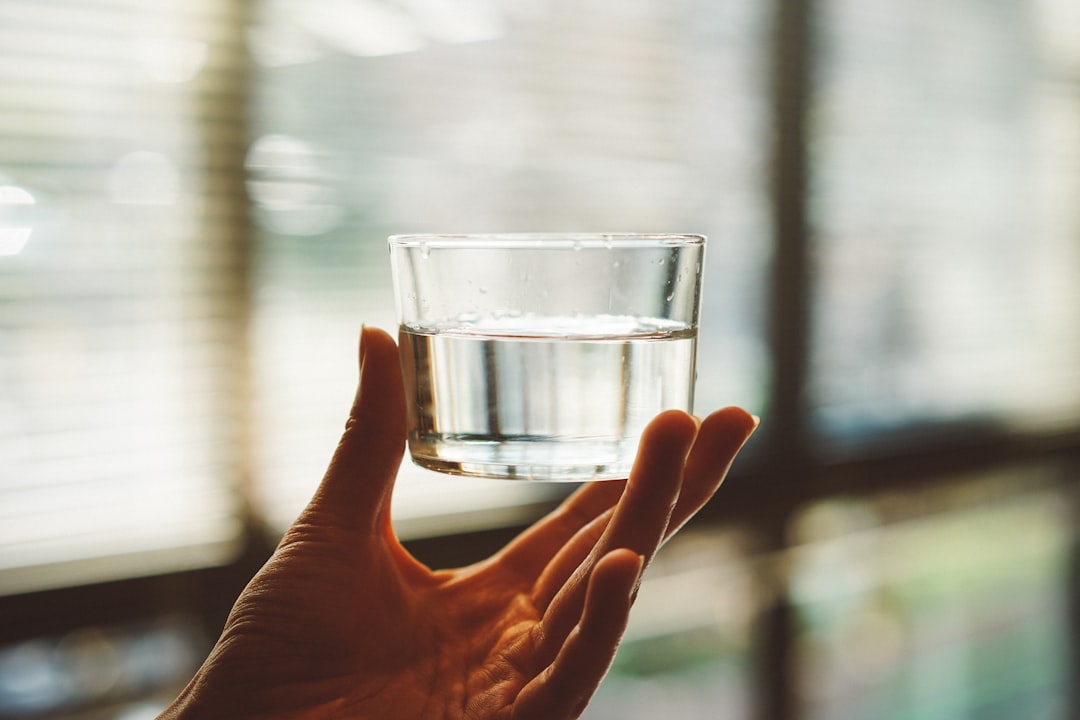
As individuals age, proper hydration becomes increasingly critical for overall health, particularly for kidney function. The kidneys serve essential roles in filtering blood waste, regulating electrolytes, and maintaining fluid balance throughout the body. Optimal hydration enables kidneys to perform these functions effectively, preventing numerous health complications.
For older adults, maintaining adequate fluid intake is fundamental to preserving kidney function and general health. Dehydration poses significant risks, especially for seniors. The aging process reduces the body’s water conservation capabilities, while simultaneously diminishing thirst sensation.
These physiological changes increase dehydration vulnerability, which can negatively impact kidney health. Consistent hydration supports essential kidney functions and helps prevent chronic conditions associated with insufficient fluid intake.
Key Takeaways
- Proper hydration is crucial for maintaining kidney health and preventing complications in seniors.
- Dehydration is common among seniors due to factors like reduced thirst sensation and medication side effects.
- Insufficient hydration can impair kidney function and increase the risk of chronic kidney disease and kidney stones.
- Recognizing dehydration symptoms early helps seniors manage their fluid intake effectively.
- Staying well-hydrated supports medication effectiveness, reduces urinary tract infections, and promotes overall well-being.
Understanding the Role of the Kidneys in the Body
Your kidneys are remarkable organs that perform several essential functions to maintain your body’s homeostasis. They filter approximately 50 gallons of blood daily, removing waste products and excess substances while retaining vital nutrients. This filtration process is crucial for regulating blood pressure, balancing electrolytes, and maintaining acid-base balance in your body.
When you understand the role of your kidneys, it becomes clear why hydration is so important. In addition to filtering blood, your kidneys produce hormones that help regulate various bodily functions. For instance, they produce erythropoietin, which stimulates red blood cell production in the bone marrow.
They also help activate vitamin D, which is essential for calcium absorption and bone health. Given these critical roles, ensuring that your kidneys are functioning well through proper hydration is essential for maintaining your overall health as you age.
Common Causes of Dehydration in Seniors

Several factors contribute to dehydration in seniors, making it essential for you to be aware of them. One significant factor is the natural decline in kidney function that occurs with age. As your kidneys become less efficient at conserving water, you may find it more challenging to maintain adequate hydration levels.
Another common cause of dehydration is a decreased sense of thirst. As you age, your body may not signal thirst as effectively as it once did, leading you to drink less water than necessary.
Furthermore, health conditions such as diabetes or cognitive impairments like dementia can also contribute to inadequate fluid intake. Recognizing these factors can help you take proactive steps to ensure you remain hydrated.
How Dehydration Can Affect Kidney Function
When you become dehydrated, your kidneys are among the first organs to feel the impact. Dehydration can lead to a decrease in blood flow to the kidneys, impairing their ability to filter waste effectively. This can result in a buildup of toxins in your bloodstream and may lead to acute kidney injury if not addressed promptly.
Over time, chronic dehydration can contribute to long-term kidney damage and increase the risk of developing chronic kidney disease. Moreover, dehydration can disrupt the delicate balance of electrolytes in your body. Electrolytes such as sodium and potassium are essential for various bodily functions, including muscle contractions and nerve signaling.
When you are dehydrated, these electrolyte levels can become imbalanced, leading to further complications that may affect not only your kidneys but also your overall health.
Signs and Symptoms of Dehydration in Seniors
| Metric | Recommended Value/Range | Relevance to Kidney Health in Seniors | Notes |
|---|---|---|---|
| Daily Water Intake | 1.7 to 2.0 liters (7-8 cups) | Maintains hydration, supports kidney filtration and waste removal | May vary based on health status and medications |
| Urine Output | 1.0 to 2.0 liters per day | Indicator of kidney function and hydration status | Low output may indicate dehydration or kidney impairment |
| Serum Creatinine | 0.6 to 1.2 mg/dL | Measures kidney function; elevated levels suggest reduced kidney clearance | Levels may increase with age; interpret with caution |
| Blood Urea Nitrogen (BUN) | 7 to 20 mg/dL | Assesses kidney function and hydration status | High BUN can indicate dehydration or kidney dysfunction |
| Estimated Glomerular Filtration Rate (eGFR) | >60 mL/min/1.73 m² | Evaluates kidney filtration efficiency | Lower values indicate impaired kidney function, common in seniors |
| Electrolyte Balance (Sodium) | 135-145 mEq/L | Maintains fluid balance and kidney function | Imbalance may result from dehydration or kidney issues |
| Hydration Status (Clinical Assessment) | Normal skin turgor, moist mucous membranes | Physical signs to assess hydration in seniors | Important as seniors have reduced thirst sensation |
Recognizing the signs and symptoms of dehydration is crucial for seniors like yourself. Common indicators include dry mouth, fatigue, dizziness, and confusion. You may also notice changes in urine color; dark yellow or amber urine often signifies dehydration.
If you experience any of these symptoms, it is essential to take action immediately by increasing your fluid intake. In some cases, dehydration can lead to more severe symptoms such as rapid heartbeat or low blood pressure. If you find yourself experiencing these more serious signs, it is vital to seek medical attention promptly.
Being aware of these symptoms can empower you to take control of your hydration status and protect your kidney health.
Tips for Staying Hydrated as a Senior

Staying hydrated as a senior requires intentionality and awareness of your fluid intake. One effective strategy is to set reminders throughout the day to drink water or other hydrating fluids. You might consider carrying a reusable water bottle with you to make it easier to track how much you are drinking.
Additionally, incorporating hydrating foods into your diet—such as fruits and vegetables—can contribute significantly to your overall fluid intake. Another helpful tip is to establish a routine around drinking fluids. For instance, you could make it a habit to drink a glass of water with each meal or snack.
Herbal teas or broths can also be excellent options for hydration without added sugars or caffeine. By making hydration a priority in your daily routine, you can help ensure that you meet your fluid needs consistently.
The Link Between Hydration and Chronic Kidney Disease
Chronic kidney disease (CKD) is a significant concern for seniors, and hydration plays a crucial role in its prevention and management. Studies have shown that adequate hydration can help slow the progression of CKD by reducing the workload on the kidneys and preventing further damage. When you maintain proper hydration levels, you support your kidneys’ ability to filter waste effectively and reduce the risk of complications associated with CKD.
Moreover, staying hydrated can help manage other health conditions that often accompany CKD, such as hypertension and diabetes. By prioritizing hydration, you not only protect your kidney health but also support your overall well-being and quality of life as you age.
Hydration and its Impact on Medication Management for Seniors
As a senior, you may be taking multiple medications for various health conditions. Hydration plays a critical role in how these medications are absorbed and metabolized in your body. Dehydration can lead to altered drug concentrations in your bloodstream, potentially resulting in reduced effectiveness or increased side effects.
Therefore, maintaining proper hydration is essential for ensuring that your medications work as intended. Additionally, some medications may have diuretic effects that increase fluid loss from your body. If you’re aware of this potential side effect, you can take proactive measures to counteract it by increasing your fluid intake accordingly.
By staying hydrated, you can enhance the efficacy of your medications while minimizing the risk of adverse effects.
The Role of Hydration in Preventing Kidney Stones in Seniors
Kidney stones are another concern for seniors that can be influenced by hydration levels. When you’re adequately hydrated, urine becomes more diluted, reducing the concentration of substances that can form stones—such as calcium and oxalate. Conversely, dehydration leads to concentrated urine, increasing the likelihood of stone formation.
To prevent kidney stones effectively, aim to drink enough fluids throughout the day to produce clear or light yellow urine. This simple practice can significantly reduce your risk of developing painful kidney stones and promote better kidney health overall.
Hydration and the Risk of Urinary Tract Infections in Seniors
Urinary tract infections (UTIs) are common among seniors and can be exacerbated by dehydration. When you’re not drinking enough fluids, urine becomes concentrated and stagnant in the bladder, creating an environment conducive to bacterial growth. Staying well-hydrated helps flush out bacteria from the urinary tract and reduces the risk of infections.
If you’ve experienced recurrent UTIs in the past, increasing your fluid intake may be an effective preventive measure. Drinking plenty of water throughout the day can help keep your urinary system healthy and reduce the likelihood of developing infections.
Hydration and its Influence on Overall Health and Well-being in Seniors
Ultimately, hydration is not just about kidney health; it significantly impacts your overall well-being as a senior. Proper hydration supports cognitive function, energy levels, and mood stability—all essential components for maintaining a high quality of life as you age. When you’re well-hydrated, you’re more likely to feel alert and engaged in daily activities.
Moreover, staying hydrated can enhance physical performance and mobility by preventing fatigue and muscle cramps. By prioritizing hydration as part of your daily routine, you empower yourself to enjoy life fully while safeguarding your health against various age-related challenges. Remember that every sip counts toward a healthier future!
Maintaining proper hydration is crucial for kidney health, especially in seniors, as it helps to prevent kidney stones and urinary tract infections. For more insights on how hydration impacts kidney function in older adults, you can read the article on senior health at com/’>Explore Senior Health.
This resource provides valuable information on the importance of staying hydrated and offers tips tailored for seniors to ensure their kidney health remains optimal.
WATCH THIS WARNING: 💊 NSAID Kidney Damage: The Hidden Danger Seniors Don’t Know About
FAQs
Why is hydration important for kidney health in seniors?
Proper hydration helps the kidneys efficiently filter waste and toxins from the blood, reducing the risk of kidney stones and urinary tract infections, which are common concerns for seniors.
How much water should seniors drink daily to support kidney health?
While individual needs vary, seniors are generally advised to drink about 6 to 8 cups (1.5 to 2 liters) of water daily, unless otherwise directed by a healthcare provider due to specific medical conditions.
Can dehydration affect kidney function in older adults?
Yes, dehydration can lead to reduced kidney function, increase the risk of acute kidney injury, and exacerbate existing kidney problems in seniors.
Are there signs that indicate a senior is not properly hydrated?
Common signs include dark-colored urine, dry mouth, fatigue, dizziness, and confusion. Seniors may also experience decreased urine output.
Do seniors have different hydration needs compared to younger adults?
Yes, seniors may have altered thirst perception and kidney function, making it important to consciously maintain adequate fluid intake even if they do not feel thirsty.
Can certain medications affect hydration and kidney health in seniors?
Yes, some medications like diuretics and certain blood pressure drugs can increase fluid loss or affect kidney function, so hydration needs may vary accordingly.
Is it better for seniors to drink water or other fluids for kidney health?
Water is the best choice for hydration, but other fluids like herbal teas and diluted fruit juices can also contribute. It’s advisable to limit sugary drinks and caffeine.
When should a senior consult a healthcare provider about hydration and kidney health?
If a senior experiences persistent symptoms like swelling, changes in urination, confusion, or signs of dehydration, they should seek medical advice promptly.