Digestion is a fundamental process that plays a crucial role in your overall health and well-being. It is the mechanism through which your body breaks down food into nutrients, allowing you to absorb essential vitamins, minerals, and energy. When digestion functions optimally, you feel energized, your immune system is fortified, and your body can effectively eliminate waste.
However, when digestion falters, it can lead to a host of issues, including bloating, discomfort, and nutrient deficiencies. Understanding the importance of digestion is the first step toward maintaining a healthy lifestyle. Moreover, the state of your digestive health can significantly influence your mood and mental clarity.
The gut-brain connection is a well-documented phenomenon, where the health of your digestive system can impact your mental well-being. A balanced diet rich in fiber, probiotics, and digestive-friendly foods can enhance your gut health, leading to improved mood and cognitive function. Therefore, prioritizing digestion is not just about physical health; it also encompasses emotional and mental wellness.
Key Takeaways
- Understanding the Importance of Digestion: Digestion is crucial for nutrient absorption and overall health.
- The Health Benefits of Peppers for Digestion: Peppers are rich in fiber and antioxidants, which support digestive health.
- The Impact of Cooking on Pepper’s Digestive Benefits: Cooking peppers can enhance their digestibility and nutrient availability.
- Different Cooking Methods for Peppers: Grilling, roasting, and sautéing are effective ways to cook peppers for improved digestion.
- Grilling Peppers for Improved Digestion: Grilling peppers can enhance their flavor and make them easier to digest.
The Health Benefits of Peppers for Digestion
Peppers are not only vibrant and flavorful additions to your meals but also offer numerous health benefits, particularly for digestion. Rich in vitamins A and C, peppers are packed with antioxidants that help combat inflammation in the digestive tract. This anti-inflammatory property can be particularly beneficial for individuals suffering from conditions like irritable bowel syndrome (IBS) or other gastrointestinal disorders.
By incorporating peppers into your diet, you can support a healthier gut environment. Additionally, peppers are an excellent source of dietary fiber, which is essential for maintaining regular bowel movements and preventing constipation. Fiber adds bulk to your stool, making it easier to pass through the intestines.
This can help alleviate discomfort and promote a more efficient digestive process. Furthermore, the capsaicin found in hot peppers has been shown to stimulate the production of digestive enzymes, enhancing your body’s ability to break down food effectively.
The Impact of Cooking on Pepper’s Digestive Benefits
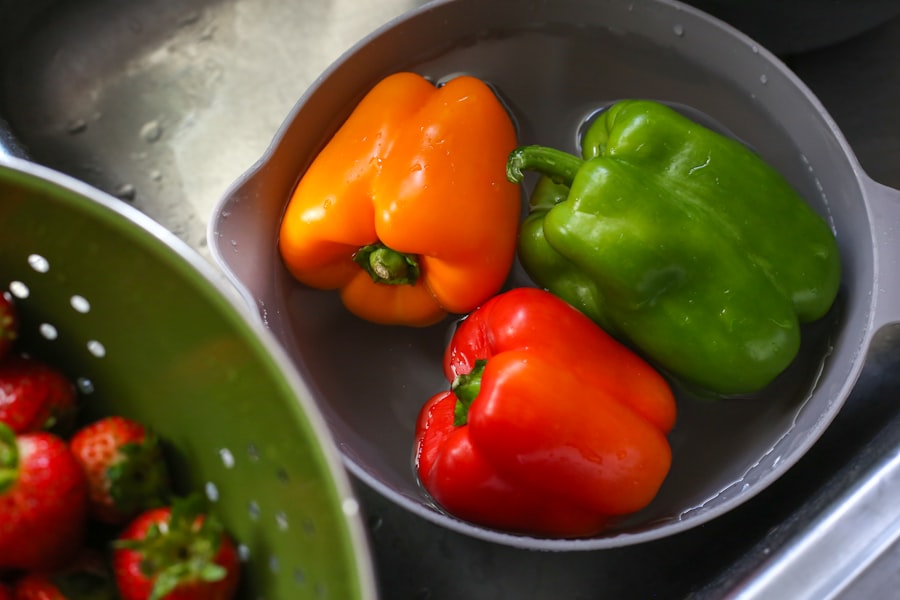
While raw peppers are nutritious, cooking them can enhance their digestibility and overall health benefits. Cooking breaks down the cell walls of the peppers, making it easier for your body to absorb their nutrients. This process can also reduce certain compounds that may cause digestive discomfort in some individuals.
For example, cooking can diminish the levels of solanine, a natural toxin found in raw peppers that may lead to gastrointestinal upset in sensitive individuals. Moreover, cooking peppers can enhance their flavor profile and make them more palatable. When you cook peppers, their natural sweetness is released, which can make them an appealing addition to various dishes.
This increased enjoyment can encourage you to incorporate more peppers into your meals, ultimately benefiting your digestive health.
Different Cooking Methods for Peppers
| Cooking Method | Description | Advantages | Disadvantages |
|---|---|---|---|
| Grilling | Peppers are cooked over an open flame or hot grill. | Enhances smoky flavor, adds charred texture. | May require constant attention to prevent burning. |
| Roasting | Peppers are cooked in the oven or over an open flame until skin is charred. | Easy to peel off skin, intensifies flavor. | Can take longer time to cook. |
| Sautéing | Peppers are cooked in a pan with a small amount of oil over medium-high heat. | Quick cooking time, retains crunchiness. | May become soggy if overcooked. |
| Stir-frying | Peppers are cooked in a wok or pan with high heat and constant stirring. | Retains color and crunchiness, cooks quickly. | Requires constant attention and high heat. |
There are several cooking methods you can use to prepare peppers, each offering unique flavors and textures that can enhance your meals. Grilling is one popular method that imparts a smoky flavor while retaining the peppers’ vibrant colors and nutrients. Roasting is another excellent option that caramelizes the natural sugars in the peppers, creating a sweet and savory dish that pairs well with various ingredients.
Sautéing is a quick and easy way to cook peppers while preserving their crunchiness and bright colors. This method allows you to infuse the peppers with additional flavors by using oils or spices of your choice. Each cooking method has its advantages, so experimenting with different techniques can help you discover which ones you enjoy most while maximizing the digestive benefits of peppers.
Grilling Peppers for Improved Digestion
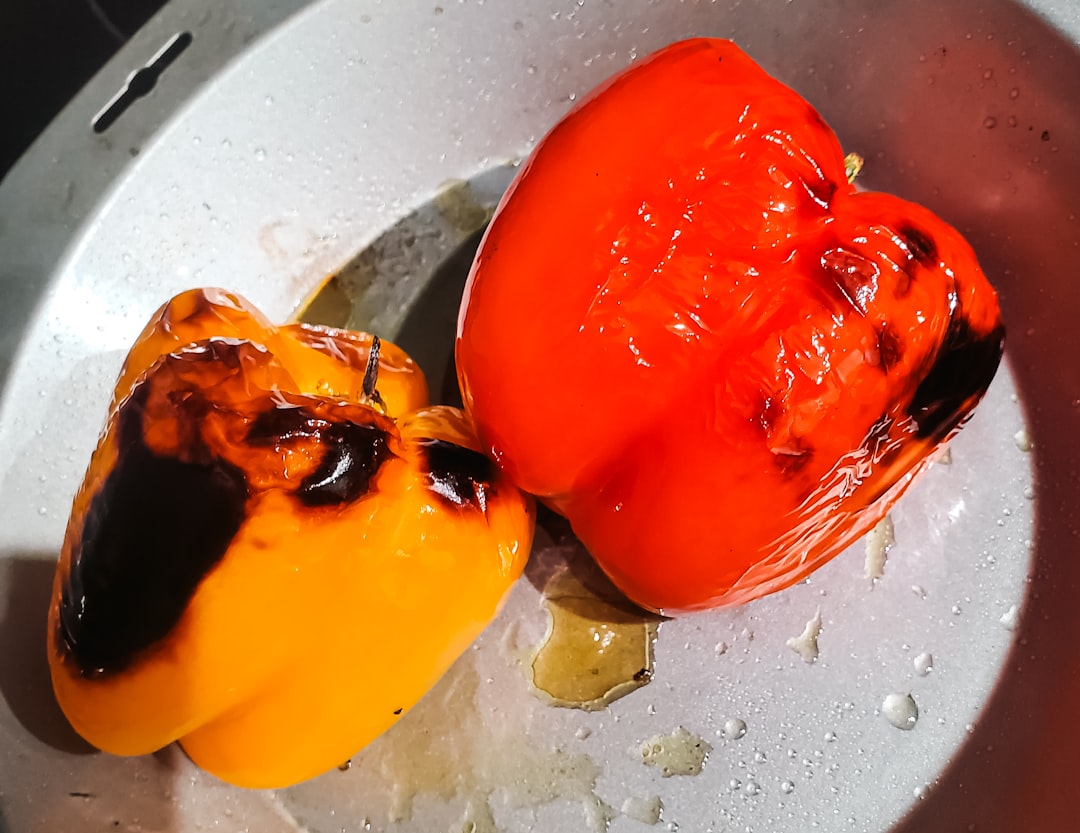
Grilling peppers is not only a delicious way to prepare them but also an effective method for enhancing their digestive benefits. The high heat of the grill caramelizes the natural sugars in the peppers, resulting in a sweet flavor that complements many dishes.
When you grill peppers, consider marinating them beforehand with herbs and spices known for their digestive properties. For instance, adding garlic or ginger to your marinade can further boost the digestive benefits of grilled peppers. The combination of flavors will not only tantalize your taste buds but also support your gut health.
Roasting Peppers for Better Gut Health
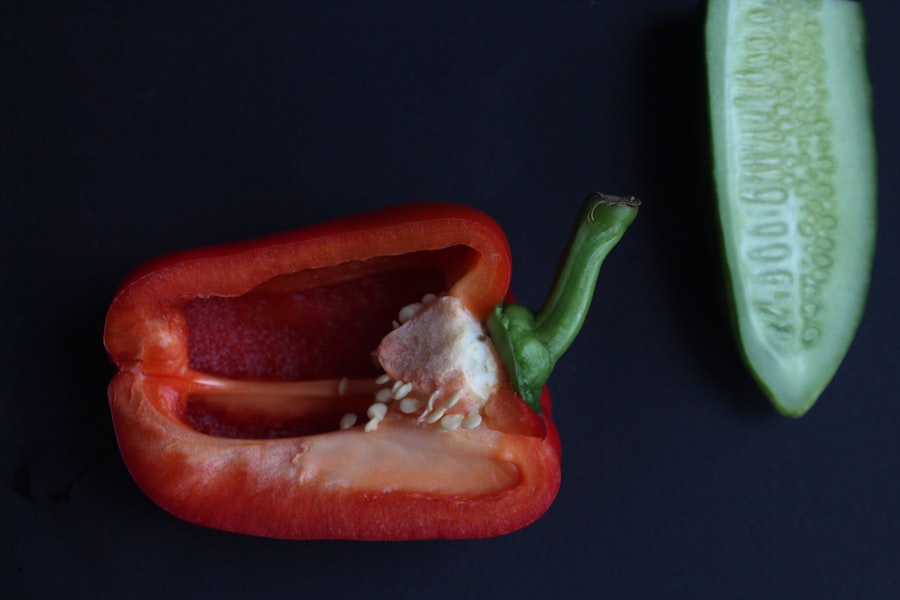
Roasting peppers is another fantastic cooking method that enhances their flavor while promoting better gut health. The roasting process softens the peppers and brings out their natural sweetness, making them an excellent addition to salads, sandwiches, or as a standalone side dish. Roasting also helps break down the fibers in the peppers, making them easier to digest.
To maximize the gut health benefits of roasted peppers, consider pairing them with other digestion-friendly ingredients such as quinoa or brown rice. These whole grains provide additional fiber and nutrients that work synergistically with the roasted peppers to promote optimal digestion. The combination creates a satisfying meal that supports your digestive system while delighting your palate.
Sautéing Peppers for Improved Digestive Function
Sautéing is a quick and versatile cooking method that allows you to prepare peppers while preserving their vibrant colors and crunchiness. When you sauté peppers in a small amount of healthy oil, such as olive oil or avocado oil, you not only enhance their flavor but also increase the absorption of fat-soluble vitamins like A and E found in the peppers. Incorporating sautéed peppers into your meals can be as simple as adding them to stir-fries or omelets.
You can also toss them into pasta dishes or grain bowls for added texture and flavor.
Incorporating Cooked Peppers into Your Diet
Incorporating cooked peppers into your diet is easier than you might think. Start by adding them to your favorite recipes or experimenting with new dishes that highlight their flavors and health benefits. For instance, consider making stuffed peppers filled with quinoa, beans, and spices for a nutritious meal that supports digestion.
You can also blend cooked peppers into sauces or soups for added depth of flavor and nutrition. Roasted red pepper soup or a spicy pepper sauce can elevate any dish while providing essential nutrients that promote gut health. The key is to be creative and find ways to include cooked peppers in various meals throughout the week.
Pairing Cooked Peppers with Digestion-Boosting Foods
To maximize the digestive benefits of cooked peppers, consider pairing them with other foods known for their gut-friendly properties. For example, combining cooked peppers with legumes like lentils or chickpeas creates a fiber-rich meal that supports healthy digestion. Additionally, incorporating fermented foods such as yogurt or sauerkraut alongside cooked peppers can introduce beneficial probiotics that further enhance gut health.
Herbs and spices also play a vital role in digestion. Pairing cooked peppers with ginger or turmeric can provide anti-inflammatory benefits while adding unique flavors to your dishes. By thoughtfully combining cooked peppers with other digestion-boosting foods, you create meals that not only taste great but also support optimal digestive function.
Recipes for Cooking Peppers for Better Digestion
Here are a few simple recipes that highlight cooked peppers while promoting better digestion: 1. **Stuffed Bell Peppers**: Hollow out bell peppers and fill them with a mixture of quinoa, black beans, corn, diced tomatoes, and spices. Bake until the peppers are tender for a nutritious meal packed with fiber.
2. **Roasted Pepper Hummus**: Blend roasted red peppers with chickpeas, tahini, garlic, lemon juice, and olive oil for a creamy dip that’s perfect for snacking or spreading on sandwiches. 3.
**Sautéed Pepper Stir-Fry**: Quickly sauté sliced bell peppers with broccoli, carrots, and tofu in sesame oil and soy sauce for a colorful stir-fry rich in vitamins and minerals. These recipes are not only delicious but also easy to prepare, making it simple to incorporate more cooked peppers into your diet.
Tips for Maximizing the Digestive Benefits of Cooked Peppers
To fully harness the digestive benefits of cooked peppers, consider these tips: 1. **Choose Fresh Peppers**: Opt for fresh, organic peppers whenever possible to ensure maximum nutrient content and flavor. 2. **Experiment with Varieties**: Different types of peppers offer varying flavors and health benefits. Try incorporating bell peppers, jalapeños, or poblano peppers into your meals for diversity. 3. **Mind Your Portions**: While cooked peppers are healthy, moderation is key. Pay attention to portion sizes to avoid overwhelming your digestive system. 4. **Stay Hydrated**: Drinking plenty of water throughout the day aids digestion and helps prevent any potential discomfort from consuming fiber-rich foods like cooked peppers. By following these tips and incorporating cooked peppers into your meals regularly, you can enjoy their delicious flavors while reaping the numerous digestive benefits they offer. Embrace this colorful vegetable as part of your journey toward better gut health!
Cooking peppers in a way that enhances their digestibility can be a game-changer for those with sensitive stomachs. One effective method is to roast or grill the peppers, which helps break down the tough skin and makes them easier to digest. Additionally, removing the seeds and inner membranes can reduce the likelihood of digestive discomfort. For more tips on preparing foods that are gentle on the digestive system, you might find this related article on senior health and nutrition helpful: Explore Senior Health. This resource offers valuable insights into dietary adjustments that can promote better digestion and overall well-being.
Over 60? Ditch THIS Sneaky Veggie Wrecking Digestion, Bloating, and Microbiome Balance.
FAQs
What are the benefits of cooking peppers for better digestion?
Cooking peppers can help break down the tough cell walls of the peppers, making them easier to digest. It can also help reduce the risk of digestive discomfort for some individuals.
How should peppers be cooked for better digestion?
Peppers can be cooked by methods such as sautéing, roasting, grilling, or steaming. These methods help soften the peppers and make them easier to digest.
Are there any specific types of peppers that are better for digestion when cooked?
All types of peppers, including bell peppers, chili peppers, and sweet peppers, can benefit from cooking to aid in digestion. Cooking helps break down the tough fibers in the peppers, making them easier to digest.
Can cooking peppers affect their nutritional value?
Cooking peppers can cause some loss of nutrients, particularly water-soluble vitamins like vitamin C. However, the benefits of easier digestion may outweigh the slight loss of nutrients for some individuals.
Are there any other tips for cooking peppers for better digestion?
It’s important to not overcook the peppers, as this can lead to a greater loss of nutrients. Aim to cook the peppers until they are just tender, but still retain some of their crispness. Additionally, pairing cooked peppers with other easily digestible foods can further aid in digestion.