Sleep quality becomes increasingly important with advancing age, as it directly affects physical health, cognitive function, and overall well-being. During sleep, the body undergoes essential processes including tissue repair, memory consolidation, and hormone regulation. Research indicates that many older adults experience alterations in sleep architecture, including difficulty initiating sleep, frequent nighttime awakenings, and reduced deep sleep phases.
Sleep disturbances in older adults are associated with several adverse health outcomes. Studies have documented connections between poor sleep quality and cognitive impairment, mood disorders, and compromised immune function. Additionally, inadequate sleep can worsen existing medical conditions including cardiovascular disease, type 2 diabetes, and depression.
Sleep deficiency also increases the risk of falls and accidents due to impaired alertness and reaction time. Chronic sleep deprivation affects multiple physiological systems. It can lead to elevated blood pressure, increased inflammation markers, and disrupted glucose metabolism.
The immune system’s ability to fight infections and respond to vaccines may also be compromised. Given these wide-ranging effects, identifying modifiable factors that promote better sleep is crucial for healthy aging. Nutritional interventions represent one evidence-based approach to improving sleep quality.
Certain foods contain compounds that may support sleep regulation through various mechanisms, including the production of sleep-promoting neurotransmitters and the regulation of circadian rhythms. Understanding how dietary choices, including the consumption of specific foods like legumes, can influence sleep patterns provides a practical strategy for optimizing rest and maintaining health in later years.
Key Takeaways
- Beans contain nutrients that support better sleep quality in seniors, such as magnesium and fiber.
- Incorporating beans into a senior’s diet can be done through simple recipes and meal ideas tailored to their preferences.
- Lifestyle changes alongside bean consumption, like regular exercise and sleep hygiene, enhance overall sleep improvement.
- Research indicates a positive link between bean intake and improved sleep patterns in older adults.
- Seniors should consult healthcare professionals to address potential risks and personalize bean-based sleep strategies.
The Role of Beans in Promoting Better Sleep for Seniors
Beans are often overlooked in discussions about sleep-promoting foods, yet they play a significant role in enhancing sleep quality for seniors. Rich in complex carbohydrates, beans help to increase the availability of tryptophan in the brain, an amino acid that is a precursor to serotonin and melatonin—two hormones that regulate sleep. When you consume beans, you not only benefit from their nutritional content but also support your body’s natural sleep cycle.
This makes them an excellent addition to your diet if you’re looking to improve your sleep. In addition to their carbohydrate content, beans are also packed with essential vitamins and minerals that contribute to overall health. They contain magnesium, which has been shown to help relax muscles and calm the nervous system, making it easier for you to drift off to sleep.
Furthermore, beans are a great source of fiber, which aids digestion and can prevent discomfort that might otherwise disrupt your sleep. By incorporating beans into your meals, you can create a more conducive environment for restful slumber.
Nutritional Benefits of Beans for Senior Sleep
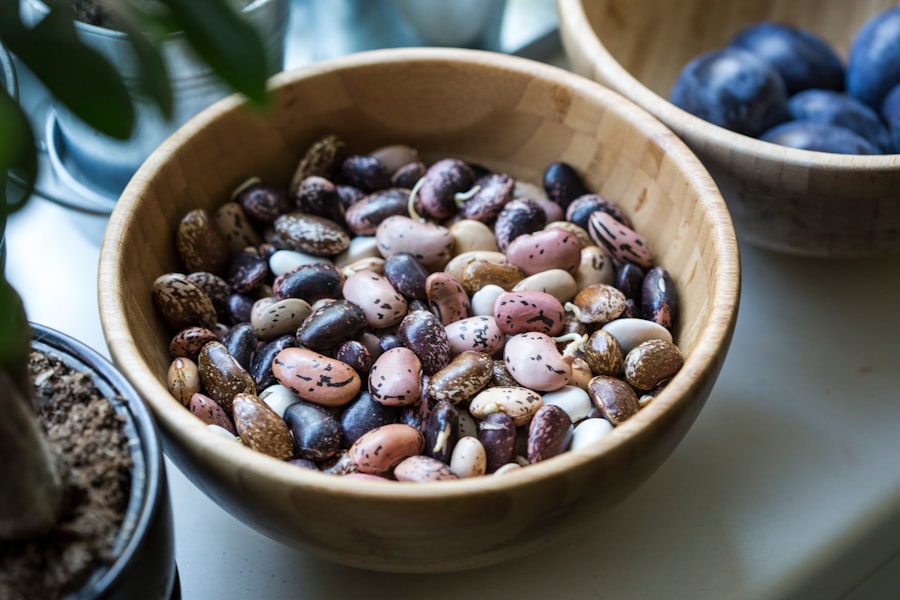
The nutritional profile of beans is impressive and offers numerous benefits that can enhance your sleep quality. Beans are an excellent source of protein, which is essential for maintaining muscle mass as you age. They also provide a wealth of vitamins and minerals, including iron, potassium, and folate.
These nutrients play vital roles in various bodily functions, including energy production and immune support. When you consume beans regularly, you not only support your sleep but also bolster your overall health. Moreover, the high fiber content in beans helps regulate blood sugar levels, preventing spikes that can lead to wakefulness during the night.
Additionally, beans are low in fat and calories, making them a heart-healthy choice that can help manage weight—a factor that often affects sleep quality in seniors. By choosing beans as a staple in your diet, you can enjoy these nutritional benefits while working towards better sleep.
How to Incorporate Beans into a Senior’s Diet for Improved Sleep
Incorporating beans into your diet doesn’t have to be complicated or time-consuming. There are countless ways to enjoy this versatile food while reaping its sleep-enhancing benefits. One simple method is to add beans to salads or soups.
You can toss black beans or chickpeas into a fresh salad for added texture and nutrition or blend lentils into a hearty soup for a comforting meal that promotes relaxation. Another effective way to include beans in your diet is by using them as a meat substitute in various dishes. For instance, you can create bean-based burgers or tacos that are both satisfying and nutritious.
If you’re looking for a quick snack before bedtime, consider hummus made from chickpeas paired with whole-grain crackers or vegetable sticks. This not only satisfies your hunger but also provides the nutrients necessary for promoting better sleep.
Recipes and Meal Ideas for Seniors to Include More Beans in Their Diet
| Bean Type | Key Nutrients | Benefit for Sleep | Recommended Serving Size | Additional Notes |
|---|---|---|---|---|
| Black Beans | Magnesium, Fiber, Protein | Magnesium helps relax muscles and improve sleep quality | ½ cup cooked (approx. 86g) | Rich in antioxidants, supports overall health |
| Lentils | Folate, Magnesium, Tryptophan | Tryptophan is a precursor to melatonin, aiding sleep regulation | ½ cup cooked (approx. 100g) | Good source of plant-based protein |
| Chickpeas | Vitamin B6, Magnesium, Protein | Vitamin B6 supports melatonin production | ½ cup cooked (approx. 82g) | May help reduce anxiety, promoting better sleep |
| Kidney Beans | Magnesium, Iron, Fiber | Magnesium contributes to improved sleep quality | ½ cup cooked (approx. 90g) | High fiber content supports digestion |
| White Beans | Calcium, Magnesium, Protein | Calcium and magnesium help regulate sleep cycles | ½ cup cooked (approx. 90g) | Good for bone health in seniors |
When it comes to meal ideas featuring beans, the possibilities are endless. One delicious option is a three-bean salad made with kidney beans, black beans, and garbanzo beans tossed with olive oil, vinegar, diced onions, and bell peppers. This refreshing dish is not only easy to prepare but also packed with nutrients that support better sleep.
For a warm and comforting meal, consider making a bean chili loaded with various vegetables and spices. You can use canned beans for convenience or cook dried beans from scratch for an even healthier option.
Another great idea is to prepare bean-based dips like black bean dip or white bean spread that can be enjoyed with whole-grain pita chips or fresh veggies as an evening snack.
Other Lifestyle Changes to Improve Senior Sleep Alongside Beans
While incorporating beans into your diet is an excellent step towards better sleep, there are other lifestyle changes you can make to enhance your overall sleep quality. Establishing a consistent bedtime routine is crucial; going to bed and waking up at the same time each day helps regulate your body’s internal clock. Creating a calming environment in your bedroom by minimizing noise and light can also promote relaxation and make it easier for you to fall asleep.
Additionally, engaging in regular physical activity during the day can significantly improve your sleep quality at night. Aim for at least 30 minutes of moderate exercise most days of the week; this could include walking, swimming, or even gentle yoga. However, be mindful not to exercise too close to bedtime as it may have the opposite effect on your ability to fall asleep.
By combining these lifestyle changes with a diet rich in beans, you can create a holistic approach to improving your sleep.
Research and Studies Supporting the Link Between Beans and Better Senior Sleep
Numerous studies have explored the relationship between diet and sleep quality, highlighting the potential benefits of incorporating beans into your meals. Research has shown that diets rich in fiber—such as those containing beans—are associated with improved sleep duration and quality among older adults. The complex carbohydrates found in beans help regulate blood sugar levels and promote the production of serotonin and melatonin, both of which are essential for healthy sleep patterns.
Furthermore, studies have indicated that magnesium-rich foods like beans may help reduce insomnia symptoms among seniors. Magnesium plays a critical role in regulating neurotransmitters that send signals throughout the nervous system and brain. By consuming more magnesium through foods like beans, you may find it easier to relax and fall asleep at night.
Understanding the Impact of Beans on Senior Sleep Quality
The impact of beans on senior sleep quality is multifaceted. Not only do they provide essential nutrients that support overall health, but they also contain compounds that promote relaxation and improve mood. The presence of tryptophan in beans aids in serotonin production, which can help alleviate anxiety and stress—common culprits behind sleepless nights.
Moreover, the fiber content in beans contributes to digestive health by promoting regularity and preventing discomfort that could disrupt your sleep. When you feel physically comfortable and mentally at ease, you’re more likely to enjoy uninterrupted rest throughout the night. By understanding how beans influence various aspects of health related to sleep quality, you can make informed dietary choices that support better rest.
Tips for Seniors to Maximize the Sleep-Inducing Properties of Beans
To maximize the sleep-inducing properties of beans in your diet, consider pairing them with other foods known for their calming effects. For example, combining beans with leafy greens like spinach or kale can enhance their nutritional profile while providing additional magnesium—an important mineral for relaxation. You might also consider adding nuts or seeds as toppings on bean dishes; these foods contain healthy fats that further promote satiety without causing discomfort.
Timing is also crucial when it comes to consuming beans for better sleep. Aim to include them in your evening meals rather than at breakfast or lunch; this allows your body ample time to digest before bedtime. Additionally, be mindful of portion sizes; while beans are nutritious, consuming them in moderation will help prevent any digestive issues that could interfere with your ability to fall asleep.
Potential Risks and Precautions for Seniors Incorporating Beans into Their Diet for Sleep Improvement
While beans offer numerous health benefits, it’s essential to approach their incorporation into your diet with caution—especially if you’re new to them or have specific dietary restrictions. Some seniors may experience digestive discomfort when consuming beans due to their high fiber content; this could lead to bloating or gas if introduced too quickly into your meals. To mitigate these risks, start by incorporating small amounts of beans into your diet gradually over time.
Soaking dried beans before cooking them can also help reduce their gas-producing properties. If you have any underlying health conditions or concerns about how beans may affect you personally, it’s wise to consult with a healthcare professional before making significant dietary changes.
Consulting with a Healthcare Professional for Personalized Advice on Using Beans to Improve Senior Sleep
Before making any substantial changes to your diet—especially if you’re considering using beans as a means to improve your sleep—it’s always best practice to consult with a healthcare professional or registered dietitian. They can provide personalized advice tailored specifically to your health needs and dietary preferences. A healthcare professional can help assess any potential interactions between beans and medications you may be taking or identify any underlying conditions that could affect how well you tolerate them.
By seeking expert guidance, you can ensure that you’re making informed choices that will positively impact both your nutrition and sleep quality as you age. In conclusion, prioritizing good sleep is essential for seniors looking to maintain their health and well-being as they age. Incorporating nutrient-rich foods like beans into your diet can significantly enhance your sleep quality while providing numerous other health benefits.
By understanding how these foods work within the body and making mindful dietary choices alongside other lifestyle changes, you can create an environment conducive to restful slumber—ultimately leading to improved overall health and vitality.
For seniors looking to improve their sleep quality, incorporating beans into their diet can be beneficial due to their high fiber content and ability to stabilize blood sugar levels. A related article that explores various dietary tips for better sleep in seniors can be found at Explore Senior Health. This resource provides valuable insights into how nutrition can impact sleep patterns and overall well-being.
FAQs
What types of beans are beneficial for better sleep in seniors?
Beans such as black beans, kidney beans, and chickpeas are rich in nutrients like magnesium and tryptophan, which can promote better sleep.
How do beans help improve sleep quality in seniors?
Beans contain magnesium and tryptophan, both of which support the production of melatonin and serotonin, hormones that regulate sleep cycles and improve sleep quality.
Are there any specific nutrients in beans that aid sleep?
Yes, beans are high in magnesium, fiber, and tryptophan, all of which contribute to relaxation and better sleep patterns.
Can eating beans before bedtime cause any digestive issues for seniors?
Some seniors may experience gas or bloating from beans if consumed in large amounts or too close to bedtime. It is advisable to introduce beans gradually and monitor tolerance.
How much beans should seniors consume to potentially improve sleep?
Moderate portions, such as half a cup to one cup of cooked beans per day, can be beneficial. It is important to balance bean intake with other dietary needs.
Are beans a good source of protein for seniors?
Yes, beans are an excellent plant-based protein source, which can help maintain muscle mass and overall health in seniors.
Can beans interact with medications commonly taken by seniors?
Beans are generally safe, but seniors on blood thinners or certain medications should consult their healthcare provider, as beans contain vitamin K and other compounds that might affect medication efficacy.
Is it better to eat beans cooked or raw for sleep benefits?
Beans should always be cooked before consumption to improve digestibility and nutrient availability, and to avoid potential toxins found in raw beans.
Can incorporating beans into a senior’s diet replace the need for sleep aids?
While beans can support better sleep through nutrition, they should not replace prescribed sleep aids without consulting a healthcare professional.
Are there any other lifestyle changes that can complement eating beans for better sleep in seniors?
Yes, maintaining a regular sleep schedule, reducing caffeine intake, engaging in physical activity, and managing stress can all complement the sleep benefits of a bean-rich diet.