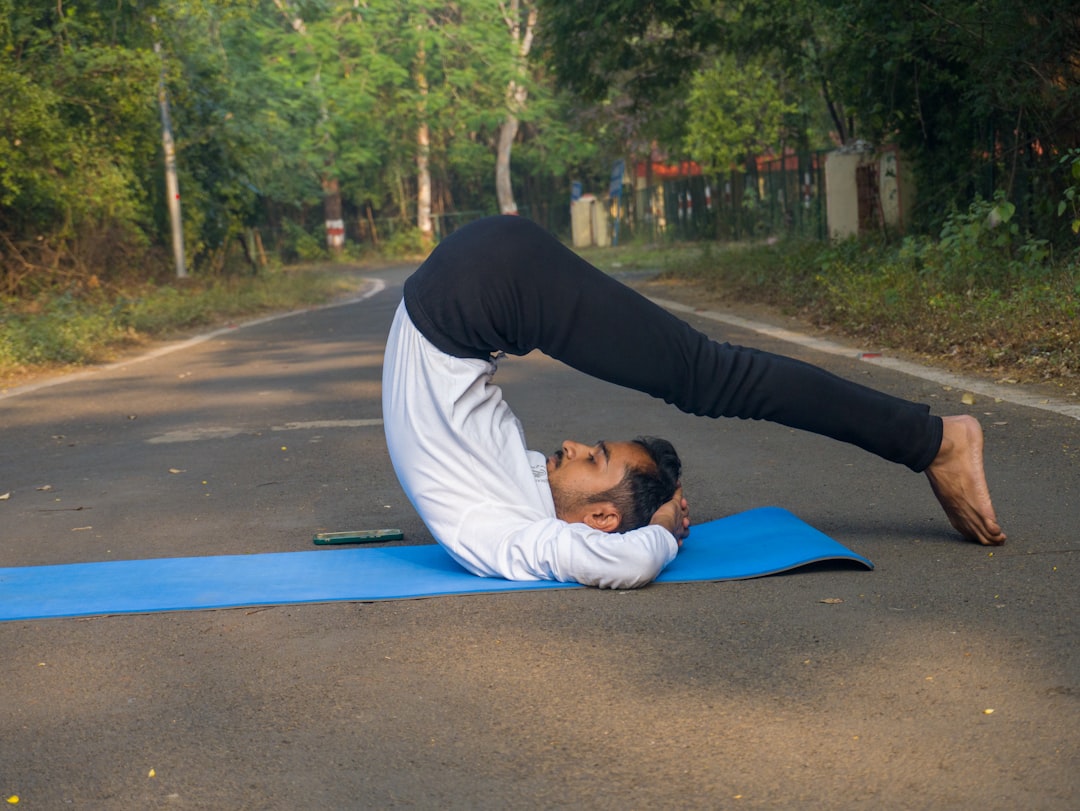
As you age, maintaining balance becomes increasingly important for your overall health and well-being. Balance exercises specifically designed for the elderly can play a crucial role in enhancing your stability, preventing falls, and improving your quality of life. These exercises are not just about physical strength; they also involve coordination, flexibility, and mental focus.
By incorporating balance exercises into your routine, you can significantly reduce the risk of falls, which are a leading cause of injury among older adults. Engaging in balance exercises can be both enjoyable and rewarding. You may find that these activities not only help you stay physically fit but also boost your confidence in your ability to move safely and independently.
Whether you are a beginner or have some experience, there are various exercises tailored to your needs and abilities. This article will guide you through the importance of balance, safety tips, different types of exercises, and how to seamlessly integrate them into your daily life.
Key Takeaways
- Balance exercises are important for elderly individuals to maintain stability and prevent falls.
- Safety is crucial when performing balance exercises, and it’s important to start with simple exercises and gradually progress to more challenging ones.
- Standing balance exercises, such as standing on one leg or heel-to-toe walking, can help improve stability and reduce the risk of falls for elderly individuals.
- Seated balance exercises, including seated leg lifts and seated marches, are beneficial for elderly individuals with limited mobility.
- Walking balance exercises, such as walking in a straight line or walking heel to toe, can help improve balance and stability for elderly individuals.
Importance of Balance and Stability for Elderly
The significance of balance and stability cannot be overstated as you navigate through your golden years. Good balance helps you perform everyday activities with ease, from walking to getting up from a chair. When your balance is compromised, even simple tasks can become daunting challenges.
You may find yourself hesitating to engage in social activities or outdoor adventures due to the fear of falling. This fear can lead to a more sedentary lifestyle, which can further exacerbate health issues. Moreover, maintaining balance is essential for preserving your independence.
As you strengthen your balance skills, you empower yourself to move freely without relying on others for assistance. This independence can enhance your mental well-being and foster a sense of accomplishment. By prioritizing balance and stability, you are investing in your future self, ensuring that you can enjoy life to the fullest while minimizing the risk of injury.
Safety Tips for Elderly Balance Exercises
Before embarking on your journey into balance exercises, it’s crucial to prioritize safety. Start by consulting with your healthcare provider to ensure that you are physically capable of performing these exercises without risk. They can provide personalized recommendations based on your health status and any existing conditions.
Once you have the green light, consider the environment in which you will be exercising. Choose a space that is free from clutter and has adequate lighting to prevent any tripping hazards. Wearing appropriate footwear is another essential safety measure.
Opt for shoes that provide good support and have non-slip soles to enhance your grip on various surfaces. Additionally, it’s wise to have a sturdy chair or wall nearby for support during exercises, especially if you are just starting out. Always listen to your body; if you feel dizzy or unsteady at any point, stop the exercise and take a moment to regain your composure.
By following these safety tips, you can create a secure environment that allows you to focus on improving your balance.
Standing Balance Exercises for Elderly
| Exercise | Description | Duration | Frequency |
|---|---|---|---|
| Single Leg Stance | Stand on one leg while maintaining balance | 30 seconds per leg | 3 times a week |
| Heel-to-Toe Walk | Walk in a straight line placing the heel of one foot directly in front of the toes of the other foot | 10 steps forward, 10 steps backward | 3 times a week |
| Balance Exercises on Foam Pad | Perform various balance exercises on a foam pad to challenge stability | 5-10 minutes | 2 times a week |
Standing balance exercises are an excellent way to enhance your stability while also engaging various muscle groups. One effective exercise is the single-leg stand. To perform this exercise, stand tall with your feet hip-width apart.
Slowly lift one foot off the ground and hold it in the air for as long as you can while maintaining your balance. You can start by holding onto a chair or wall for support and gradually work towards doing it without assistance. This exercise not only strengthens your legs but also challenges your core stability.
Another beneficial standing exercise is the heel-to-toe walk. This exercise mimics the act of walking in a straight line and helps improve coordination and balance. To do this, place one foot directly in front of the other so that the heel of one foot touches the toes of the other foot with each step.
Focus on keeping your head up and eyes forward as you walk in a straight line. If you find this challenging, practice along a wall or with a friend for added support. Incorporating these standing exercises into your routine can significantly enhance your overall balance.
Seated Balance Exercises for Elderly
Seated balance exercises offer a safe alternative for those who may have difficulty standing for extended periods or are just beginning their balance journey. One effective seated exercise is the seated leg lift. While sitting in a sturdy chair with your back straight, extend one leg out in front of you while keeping it straight.
Hold this position for a few seconds before lowering it back down. Repeat this exercise several times on each leg to strengthen your core and improve stability. Another great seated exercise is the torso twist.
Sit upright in a chair with your feet flat on the ground. Slowly twist your torso to one side while keeping your hips facing forward. Hold this position for a few seconds before returning to the center and twisting to the other side.
This exercise not only enhances balance but also improves flexibility in your spine and core muscles. Seated exercises can be easily incorporated into your daily routine, making them an accessible option for everyone.
Walking Balance Exercises for Elderly
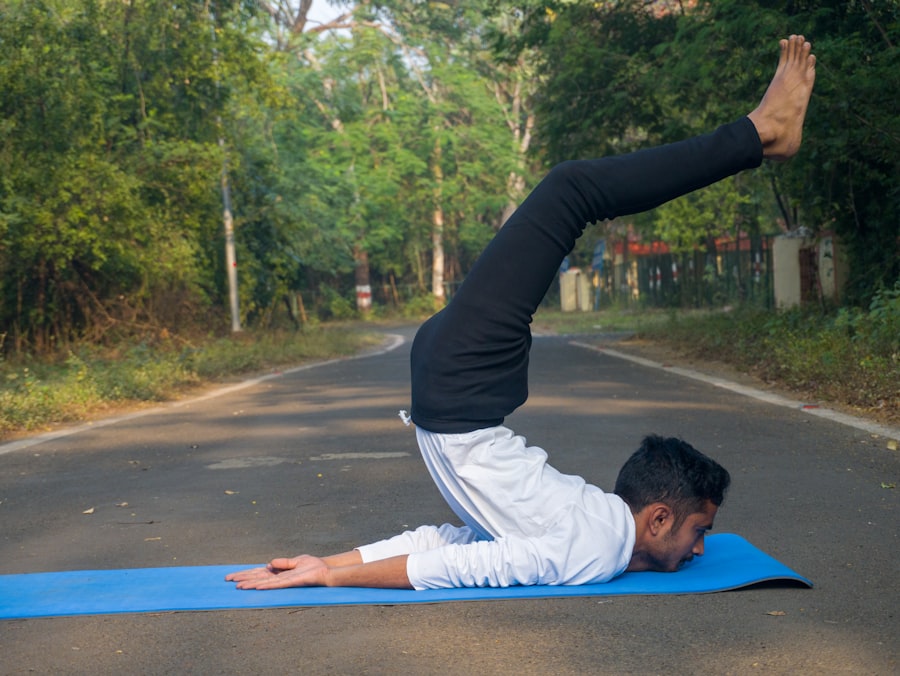
Walking is a natural activity that can be transformed into an effective balance exercise with a few modifications. One simple yet effective walking exercise is the sideways walk.
This lateral movement challenges your balance and engages different muscle groups compared to forward walking. Another walking exercise is the backward walk, which can significantly improve your spatial awareness and coordination. To practice this safely, find a clear space where you can walk backward without obstacles.
Start by taking small steps backward while keeping your head up and looking straight ahead. If you’re unsure about maintaining balance while walking backward, consider having someone assist you or practice near a wall for support. These walking exercises not only enhance balance but also promote cardiovascular health.
Using Props for Balance Exercises
Incorporating props into your balance exercises can provide additional support and challenge as you progress in your training. A sturdy chair is an excellent prop for beginners; it allows you to practice standing exercises while having something to hold onto for stability. As you gain confidence, try using a resistance band or light weights during seated or standing exercises to add an element of strength training.
Balance boards or stability discs are also fantastic tools for enhancing your balance skills. These props create an unstable surface that forces your body to engage its stabilizing muscles more actively. Start by standing on the board or disc while holding onto a wall or chair until you feel comfortable enough to let go.
Remember to take it slow; using props should enhance your experience rather than create unnecessary risk.
Incorporating Balance Exercises into Daily Routine
Integrating balance exercises into your daily routine doesn’t have to be time-consuming or complicated. You can start by setting aside just 10-15 minutes each day dedicated solely to these exercises. Consider incorporating them into activities you already do; for instance, practice standing on one leg while brushing your teeth or perform seated leg lifts while watching television.
Another effective strategy is to join a local class focused on senior fitness or balance training. Many community centers offer programs specifically designed for older adults that include social interaction along with physical activity. Engaging with others not only makes exercising more enjoyable but also provides motivation and accountability as you work towards improving your balance.
Progressing to More Challenging Balance Exercises
As you become more comfortable with basic balance exercises, it’s essential to challenge yourself further to continue making progress. Gradually increase the duration of each exercise; if you started by holding a single-leg stand for 10 seconds, aim to extend that time as you build strength and confidence. You might also consider adding dynamic movements such as arm raises or gentle twists while performing standing exercises.
Incorporating more complex movements can also enhance your balance skills significantly. For example, try performing squats while maintaining proper form or practicing yoga poses like Tree Pose or Warrior III that require both strength and stability. Always remember to listen to your body; if an exercise feels too challenging, don’t hesitate to modify it or return to simpler variations until you feel ready to advance.
Benefits of Regular Balance Exercises for Elderly
The benefits of regular balance exercises extend far beyond just preventing falls; they encompass various aspects of physical and mental health as well. Improved balance leads to greater confidence in mobility, allowing you to engage more fully in social activities and hobbies that bring joy to your life. As you become more stable on your feet, you’ll likely find yourself participating in outings or events that you may have previously avoided due to fear of falling.
Additionally, regular engagement in balance exercises can enhance overall physical fitness by improving muscle strength, flexibility, and coordination. These improvements contribute not only to better mobility but also to enhanced cognitive function as physical activity has been linked to better brain health in older adults. By committing to a routine that includes balance exercises, you’re investing in both your physical well-being and mental sharpness.
Conclusion and Final Tips for Improving Stability
In conclusion, prioritizing balance exercises as part of your daily routine is essential for maintaining stability and independence as you age.
Remember that safety should always come first; consult with healthcare professionals when necessary and create an environment conducive to safe practice.
As you embark on this journey towards improved balance, keep in mind that consistency is key. Set realistic goals for yourself and celebrate small achievements along the way; every step forward counts! With dedication and perseverance, you’ll find that not only does your physical stability improve but so does your confidence in navigating life’s daily challenges with grace and ease.
For elderly beginners looking to improve their balance, incorporating specific exercises into their routine can be highly beneficial. These exercises not only enhance stability but also reduce the risk of falls, which is a common concern among seniors. A related article that provides valuable insights into balance exercises for the elderly can be found on Explore Senior Health. This resource offers a comprehensive guide on how to safely and effectively perform these exercises, ensuring that seniors can maintain their independence and confidence. For more detailed information, you can visit the article by clicking on this link.
WATCH THIS! 🛑 The 5 “Healthy” Habits Quietly Destroying Your Independence After 60
FAQs
What are balance exercises for elderly beginners?
Balance exercises for elderly beginners are physical activities designed to improve stability, coordination, and overall balance. These exercises are specifically tailored to the needs and abilities of older adults who may be new to fitness or have limited mobility.
Why are balance exercises important for elderly beginners?
Balance exercises are important for elderly beginners because they can help prevent falls, improve mobility, and enhance overall quality of life. As people age, their balance and coordination may decline, making them more susceptible to falls and injuries. By incorporating balance exercises into their routine, elderly beginners can strengthen their muscles and improve their stability.
What are some examples of balance exercises for elderly beginners?
Examples of balance exercises for elderly beginners include standing on one leg, heel-to-toe walking, leg raises, and Tai Chi. These exercises can be modified to accommodate different fitness levels and abilities, making them suitable for older adults who are just starting to incorporate physical activity into their daily routine.
How often should elderly beginners do balance exercises?
Elderly beginners should aim to do balance exercises at least two to three times per week. It’s important to start slowly and gradually increase the frequency and intensity of the exercises as their strength and stability improve. Consulting with a healthcare professional or a certified fitness instructor can help determine the appropriate frequency and intensity of balance exercises for each individual.
Are there any safety tips for elderly beginners doing balance exercises?
Safety is paramount when it comes to balance exercises for elderly beginners. It’s important to have a sturdy support nearby, such as a chair or a countertop, to hold onto if needed. Wearing supportive footwear and choosing a clear, uncluttered space to perform the exercises can also help prevent accidents. Additionally, staying hydrated and taking breaks as needed are important for maintaining safety during balance exercises.